
Putin’s New Year Message is Accused of Being Computer-Generated
Online skeptics have accused Vladimir Putin's New Year speech of being computer-generated pointing to irregularities around his neck.
Online skeptics have accused Vladimir Putin's New Year speech of being computer-generated pointing to irregularities around his neck.
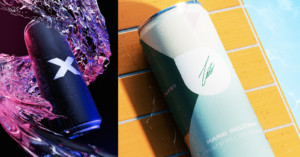
Sam Tato, a self-described 3D Generalist, says that computer graphics (CG) and computer-generated imagery (CGI) have reached the point that it has made practical beverage photography a thing of the past -- and he says he can prove it.
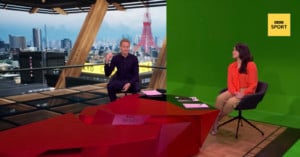
The recently-concluded 2020 Olympics weren't different just for athletes and spectators because of the coronavirus pandemic, but also for news outlets that covered the games. For example, the BBC shows how its Tokyo studio was entirely faked, recreated within Epic's Unreal gaming engine.

IKEA's transition from photography to all-CGI advertising is almost complete. After moving most of their catalog "photography" over to CGI many years ago, IKEA Japan's latest ad campaign takes this approach to the next level by using a CGI model. Specifically, the campaign features CGI Instagram 'Influencer' Imma.
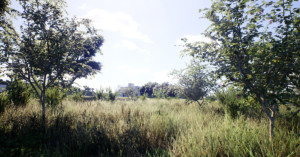
Most of the photos in IKEA's catalog are CGI these days, and more and more video games are adding serious photo modes. As the virtual and photographic worlds converge, we'll be seeing more and more demos of photorealistic CGI that may trick our eyes. Here's one example.
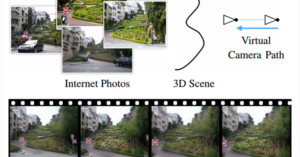
Researchers at the University of Washington have figure out how to create 3D time-lapse video sequences of landmarks by using a collection of still photos found on the Internet. The 7-minute video above is a short presentation that shows the technology in action.
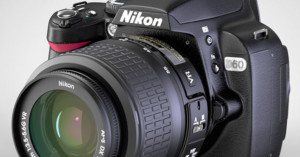
Back in March, we shared about how realistic computer generated images has been encroaching on the commercial product photography industry and killing photography jobs. More and more of the product photos you see in advertisements and press releases these days did not involve an actual camera and photographer at all, but rather artist, a computer, and 3D rendering software.
For example, the Nikon D60 product "photo" seen above was created entirely in Keyshot, a powerful 3D rendering program.
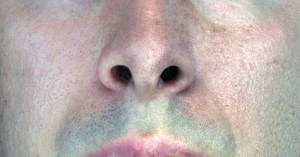
One half of the face above is a photograph, and the other half is a highly detailed computer generated rendering created using a program called KeyShot by Luxion. Can you tell which is which? If you can't tell, why should we? (Okay, to be honest, we're not sure either).
Joseph Flaherty over at Wired writes that KeyShot and other programs that can generate photorealistic renders are being widely used for product photos these days, and are quickly killing off jobs that were once held by photographers.
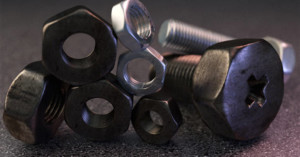
The image above is one-hundred percent fake. It has no connection whatsoever to the world of things. I created the bolts, lights, textures, and everything else in a free, open-source, relatively easy-to-use software package called Blender. It's easy enough that even a novice user like me is able to make a pretty convincing image. If you are a photographer that makes a living shooting still-life photos, this should scare you.
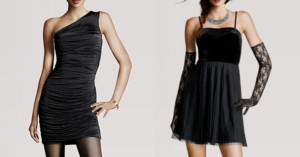
Clothing retailer H&M has sparked quite a bit of controversy after admitting that most of the models featured on …
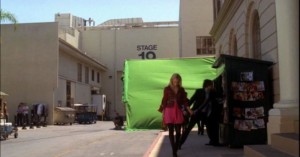
Here’s a mind-blowing demo reel by Stargate Studios that will make you doubt …

"Modern Times" is a short film that offers a glimpse of the future in both the story that it tells and the way it was made -- it's a low/no budget film created entirely against a green screen with friends as actors. Maybe in the future shooting at real locations (or with real people) will be less and less necessary as CGI continues to become more and more mind-boggling.

Alex Roman, the genius behind the breathtaking “The Third & The Seventh“, recently created this short commercial …
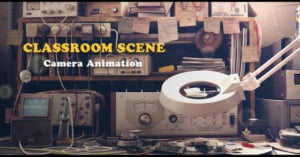
If you were reading PetaPixel earlier this year, you probably remember the jaw-dropping CGI animation titled "The Third & The Seventh". Here's another extremely realistic and detailed computer-generated animation that simulates a camera traveling through a classroom (with lens flares and all). It was created by Israel-based Studio Aiko.