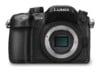
[I]t’s not at all bad for what you get with the Panasonic Lumix G7.

[I]t’s not at all bad for what you get with the Panasonic Lumix G7.
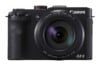
The G3 X is a versatile camera with excellent still image quality, decent video quality and a solid, water-resistant build.
[A] spectacularly easy-to-use entry-level snapper that takes spectacularly sharp snaps.
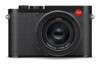
The Q is a fantastic camera.
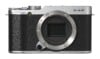
The X-A2 is another impressive X-series camera from Fujifilm, and packs in a lot for the price.
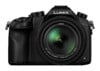
The FZ1000 is incredibly versatile – a single, fixed lens camera capable of shooting fantastic stills and video in almost any situation.
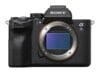
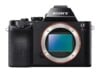
The A7s isn’t for everyone. It’s Sony’s priciest compact system camera – and yet it feels specialised towards low-light shooting and professional video. It’s very good at both of those things, but given the outlay required you’d expect it to be.
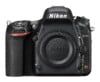
The Nikon D750 is the perfect storm of ease, comfort and image quality. It’s easily the comfiest-to-hold high-end DSLR Nikon has made to date.
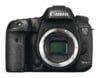
The Canon 7D Mark II is certainly an improvement upon the original 7D, which was already an excellent DSLR.
[A]s well as class-leading autofocus, all crammed into a camera almost preternaturally tiny.
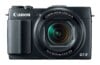
Just like its predecessor, the Canon G1 X Mk II is one of the most powerful compact cameras on the planet.
It’s not cheap, and it’s not particularly compact, but if you’re looking for a versatile, hardy camera to accompany you on and document your travels through both stills and video, we can think of few better choices.
Fantastic ability and design come together to make a truly stellar mirrorless camera – with a price tag to match.
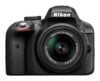
As an entry-level camera, the Nikon D3300 excels. Stick it in Auto or play around with the Guide mode and you’ll almost always get great photos, thanks mainly to that pixel-packed 24.3MP sensor and excellent autofocus.
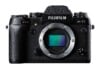
The X-T1 is a blindingly good camera, worthy of world-class shutter operators. If there’s one complaint, it’s the lack of in-camera image stabilisation.
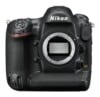
The D4s is the ideal camera for professional-grade photography. Its predecessor was already one of the world’s best cameras for action and sports photography, and the D4s somehow manages to be even better.
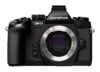
Should E-M5 owners upgrade to an E-M1? Probably not, especially if they’ve got the optional battery grip.
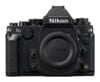
The Nikon Df seems to achieve most of what it sets out to: it’s suitably classic-looking without compromising too much on handling, it takes amazing photos, and it’s taken a very clear aim at purist photo enthusiasts.
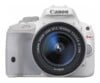
The Canon 100D is a great camera with many plus points. It takes fantastic photos and shoots lovely video, is small, light and well built, and has the best Live View performance of any APS-C camera (at least until we test the forthcoming EOS 70D).
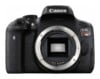
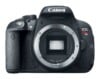
The limited new features of the 700D mean that as an upgrade it’s almost pointless.
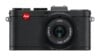
Given its price tag and narrowly focused (no pun intended) capabilities, the Leica X2 isn’t for most people, but it’ll find a useful role in the hands of anyone looking for an inconspicuous shooter for street photography.
The image quality that the Nikon D3200 offers is nothing short of astonishing at this level, but there is a price premium attached.
The G1 is beautifully made and a pleasure to use. Image quality is very good. Excellent original thinking from Panasonic.
After its recent price drop, though, it’s good value, taking superb shots with little or no user intervention, and is a mighty-fine budget DSLR.