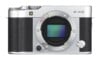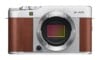
The Fujifilm X-A5 is an attractive mirrorless camera with very strong image quality, but it's held back by inconsistent autofocus performance.

The Fujifilm X-A5 is an attractive mirrorless camera with very strong image quality, but it's held back by inconsistent autofocus performance.
The Fujifilm Fujinon XF 80mm F2.8 R LM OIS WR Macro is the best macro lens we've seen for the X system, though it's too big for some of the smaller cameras in the line.
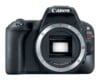
The Canon EOS Rebel SL2 is the smallest SLR camera in the company's lineup. It boasts a modern 24MP image sensor, but its autofocus system isn't as good as the larger T7i.
The Panasonic Lumix DC-GX850 is one of the smallest mirrorless cameras you can buy today, and while its 16MP sensor isn't cutting edge, it's a solid entry-level model.
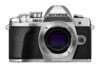
The mirrorless Olympus OM-D E-M10 Mark III camera doesn't offer a lot of tech upgrades, instead focusing on an easier photography experience.
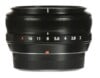
The Fujifilm Fujinon XF 27mm F2.8 is a tiny prime lens for Fuji X cameras. It's very sharp in the center, but edge performance isn't the greatest.
The Fujifilm Fujinon XF 50-140mm f/2.8 R LM OIS WR is a pro-grade telezoom lens for mirrorless cameras with excellent optics and a tough, weather-resistant build.
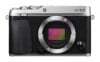
The Fujifilm X-E3 delivers excellent image quality in a slim body, making it a perfect option for photographers who like to pack light—as long as you pair it with the right lens.
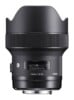
The Sigma 14mm F1.8 DG HSM Art is an ultra-wide prime lens with an extremely bright aperture and crisp optics.
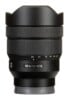
The Sony FE 12-24mm F4 G captures images with an incredibly wide field of view, and is much smaller and lighter than lenses for full-frame SLR systems.
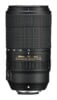
The Nikon AF-P Nikkor 70-300mm f/4.5-5.6E ED VR is a sharp, light telezoom lens that's ideally suited for use in bright, outdoor conditions.
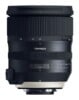
The Tamron SP 24-70mm f/2.8 Di VC USD G2 lens undercuts similar zooms on price and delivers strong image stabilization, but it makes some optical compromises to get there.
The Fujifilm Fujinon XF 18mm F2 R is showing its age, but is still a good choice for X shooters who prefer lightweight lenses.
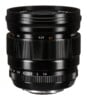
If you don't mind spending the money, the Fujifilm Fujinon XF 16mm F1.4 R WR lens will wow you with its f/1.4 design and wide-angle field of view.
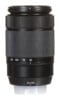
The Fujifilm Fujinon XC 50-230mm F4.5-6.7 OIS II is an affordable telezoom for the X system, but its narrow f-stop limits use in dim light.
The mirrorless Fujifilm X-A3 camera and the images it captures look great, but its autofocus system is way behind the competition.
The Panasonic Lumix DC-GH5 is the mirrorless camera to get for 4K video, but if you're more concerned about stills, it's not a clear-cut winner.
The Nikon D850 offers the best of all worlds: extreme resolution, fantastic image quality, fast shooting, and an exceptional build.
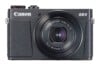
The Canon PowerShot G9 X Mark II camera is more responsive than its predecessor, and squeezes a big 1-inch sensor into a compact frame.
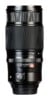
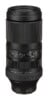
The Sigma 100-400mm F5-6.3 DG OS HSM Contemporary is a solid option for anyone in the market for an affordable, lightweight telephoto lens.
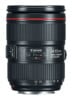
The EF 24-105mm f/4L IS II USM improves upon the first version of the lens, but isn't the best 24-105mm available for the Canon system.
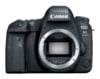
The Canon EOS 6D Mark II improves upon its predecessor with 26-megapixel resolution, improved Live View focus, and a 45-point autofocus system, but its sensor isn't as good as competing models.
The Nikon D7500 SLR inherits many of the features of the flagship D500 and is available for a lot less money, but omits some features found in previous D7000 models.
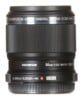
The Olympus M.Zuiko Digital ED 30mm F3.5 Macro lens lets you lock on to the tiniest of details, but a short working distance casts a shadow on subjects.