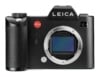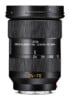
This is a fine lens and a welcome addition to the stable of SL zoom lenses. The image quality is really good; it has lovely bokeh and is great for close up.

This is a fine lens and a welcome addition to the stable of SL zoom lenses. The image quality is really good; it has lovely bokeh and is great for close up.
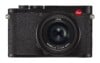
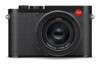
The Q2 manages to improve in just about every important area of what made the original Q special and Leica’s top-selling camera.
The Leica Q is the company’s most significant introduction since the M240. Not only does this camera meet competitors such as Sony and Fuji on equal terms, but it also betters them in several respects while offering Leica’s unique selling proposition, simplicity.
The easy part is to say that this camera is a joy to shoot with, a joy to handle, and produces wonderful images quite suitable to make very, very big prints.
The Q was a brave step for Leica, and was a well deserved success. The Q2 has built on that at every level:.
Whatever the arguments about its functionality, the camera is a beautiful object, a pleasure to hold and a pleasure to shoot with.
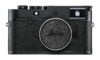
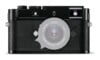
The M-D is not for everyone. I don’t see it as a starter camera, nor as an only option.
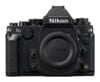
[...] I am slowly bonding with this camera; it offers a unique experience that is neither entirely Nikon in the digital age nor Leica in the digital age.
Once you’ve tried it you have to buy it.
For the first time, the Q offers similar image quality and handling to the traditional M together with a more modern approach and greater affordability. If you can live with 28mm and can make the most of it you have need not envy the M or SL owner.
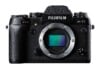
The X-T1, with its split-image simulated rangefinder, makes the use of manual lenses much easier and more attractive than ever before.