Inside a Season With the Chicago Cubs’ Photographer
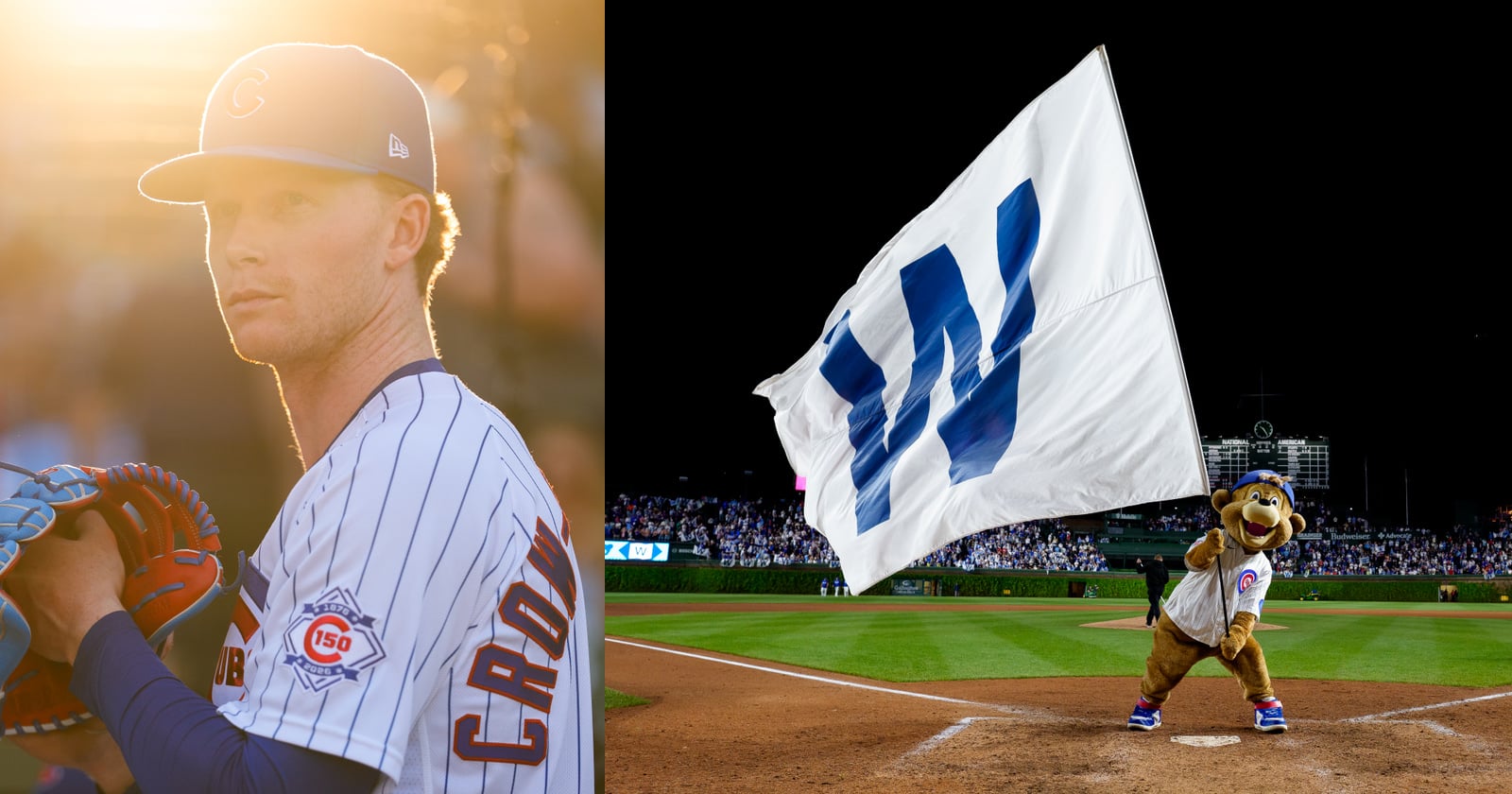
On an evening late in the season at Wrigley Field, a narrow beam of low sunlight reached the top step of the Chicago Cubs’ dugout. Pete Crow-Armstrong, the front-runner for National League MVP, was standing on that step, a spot he usually leaves to the team’s veterans, as the take-the-field video played. Team photographer Matt Dirksen saw the light land behind him. He had a few seconds to get the picture.
Full disclosureThis article was brought to you by ProGrade Digital.
One Frame in Golden Light
In September and October, the sun sets over Wrigley Field earlier than it does in the long days of midsummer. For a brief time in the early autumn evening, a band of golden light shines through a gap on one side of the stadium. Before home games, the Cubs’ players gather in the dugout stairwell, preparing to run out onto the field after the minute-long take-the-field video ends. For just a few games each season, the band of light is directly in line with the Cubs’ dugout.
“The start time of this game was 6:15,” Matt Dirksen, the Cubs’ team photographer, tells PetaPixel. “We never start at 6:15 unless it’s a Saturday national broadcast, and at that start time late in the year, the sun comes right through that gap. One of our players who usually sits up on the front rail was out with an injury, and I saw Pete Crow-Armstrong standing there instead. I knew that was an opportunity because he usually lets a couple of our veterans lead the team out. I saw him put his fist into his glove while he was watching the video as the fans started to stand up and cheer. There was this beautiful golden beam of light coming in behind him, and the scene looked straight out of a movie.”
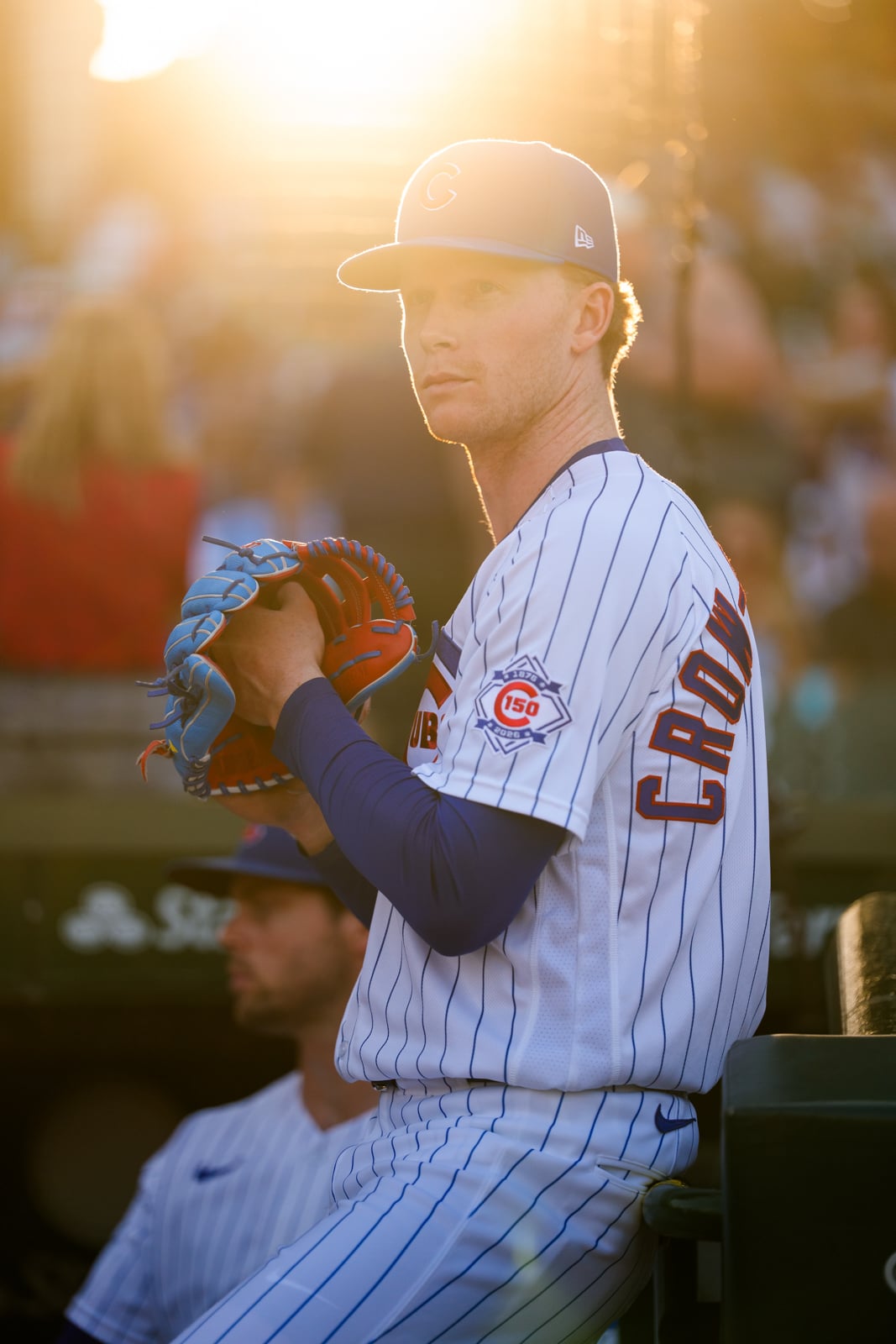
Sony A1 II • FE 50-150mm F2 GM • 132mm • 1/4000sec • f/2.0 • ISO 200
That light lasts about a minute, Dirksen notes, because it lands on such a narrow spot.
“When that video started, I walked there to see if it was even a possibility, and it was,” he says. “It was just a matter of waiting for him to turn his head for the right split second. And I got it. And then he turned his head back and put his glove down. And the moment was over, the shot was lost. He unknowingly gave me the one frame and that was it.”
Dirksen was ready for that light because of his years photographing baseball. The 2026 season was his 14th in Major League Baseball and his fifth at Wrigley Field, where he took over at the end of 2021 from Steve Green, the Cubs’ photographer for 40 years. Before that, he spent six seasons as the Colorado Rockies’ team photographer and worked as a senior video editor for the Washington Nationals.
Shooting into light behind a subject, called backlighting, can cause lens flare, a glow or haze inside the lens.
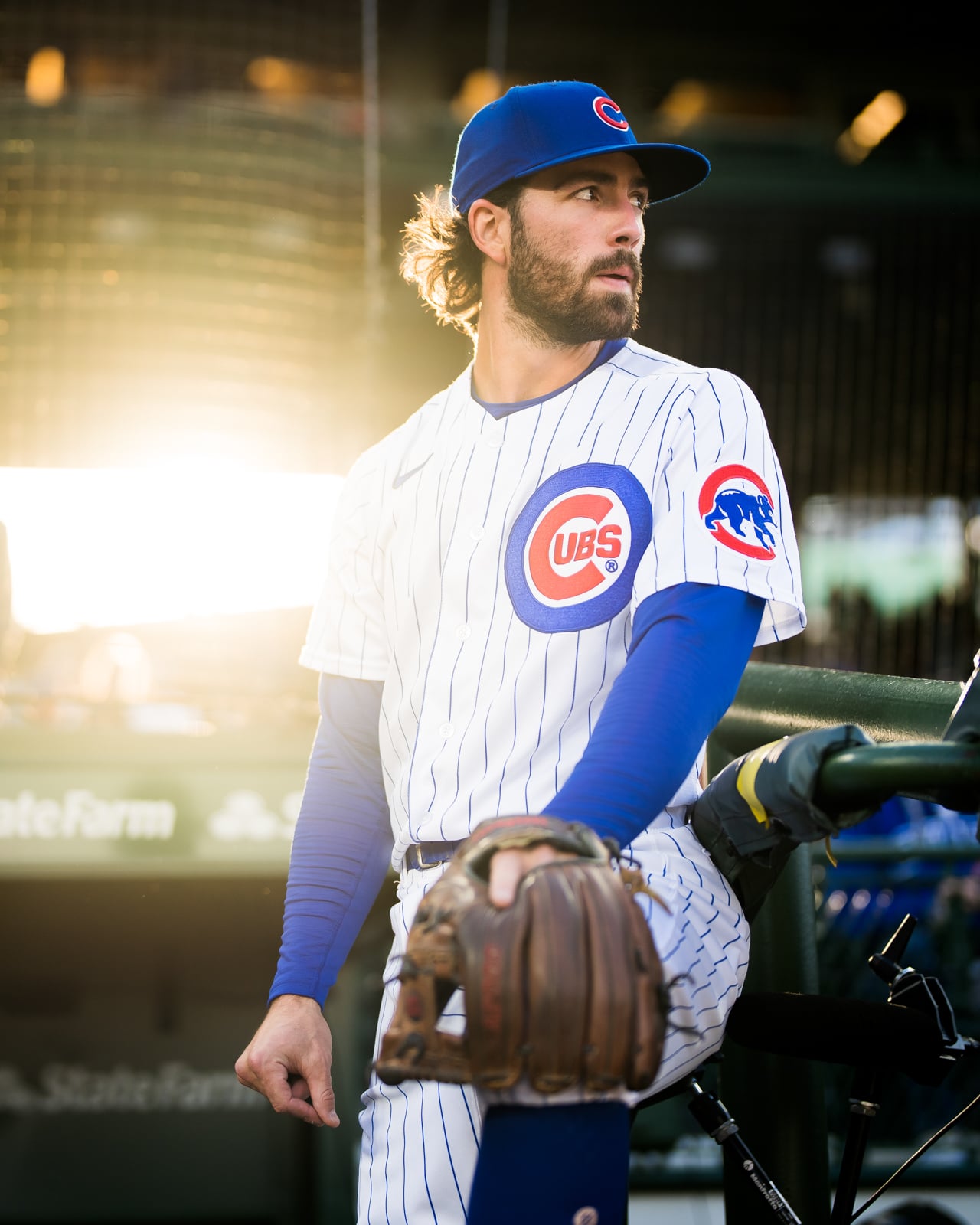
“I learned how to master that backlight flare in Colorado because we had this light that hit us every year in June and it was blinding,” Dirksen explains. “But when I could get lined up with it in the photo well, it was the best light I’d ever shot on a ball field. With Pete, I knew that I only had a few seconds before I would lose his attention. So I just jumped in and set up under that flare, knowing where I needed to be with exposure so that it would bloom into the tip of the lens.”
He made the portrait with a 50-150mm zoom. At the long end of that zoom, he says, if the frame is too loose then light doesn’t quite bloom right. Zoomed in, the background falls away so the player stands out, but the flare has to be lined up just right.
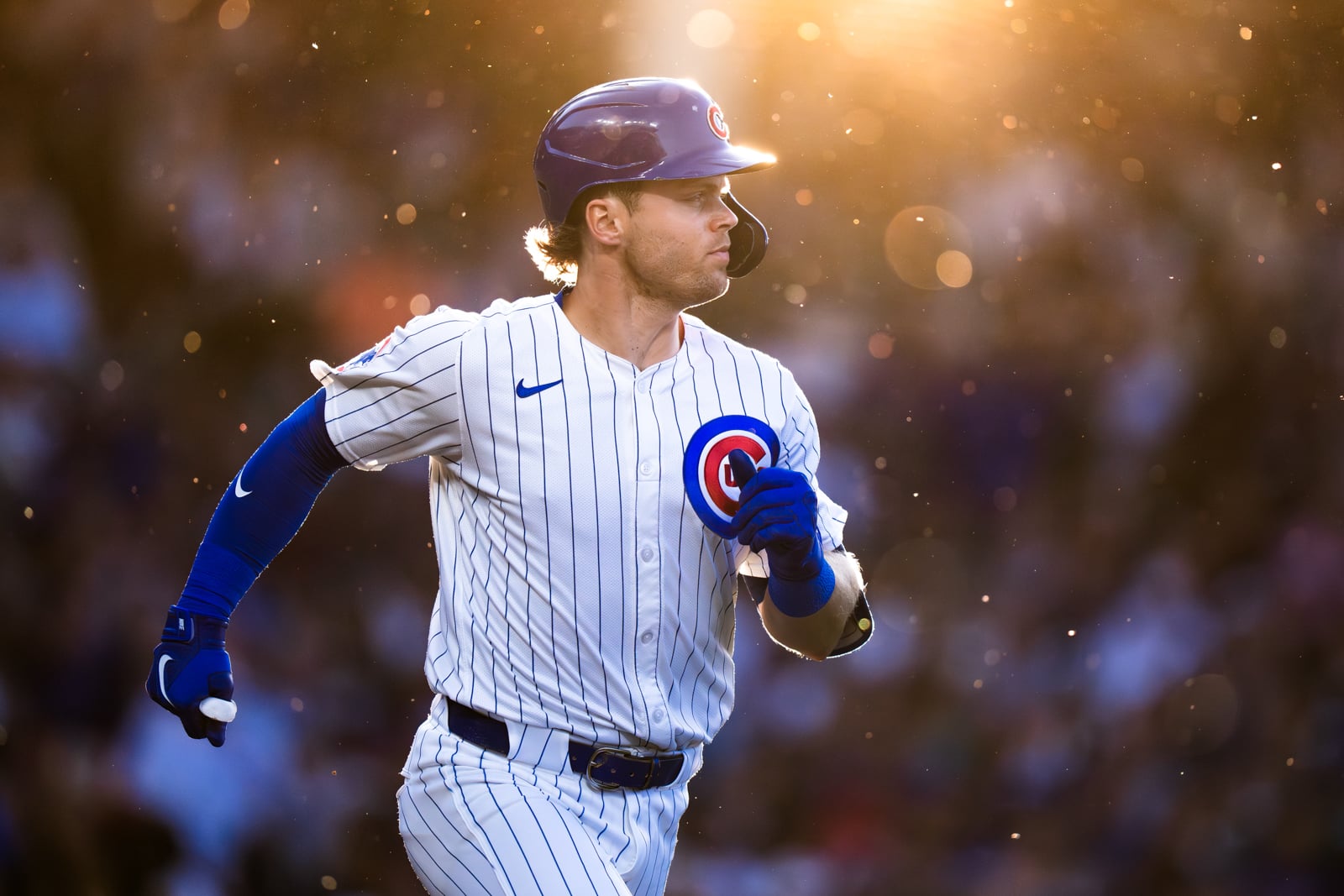
“I once worked with an executive producer who used to say ‘two eyes, two ears make a shot,’” he recalls. “And so much of my stuff, that’s what I look for. The viewer isn’t going to connect with that shot if his face is past a side profile. But just that three-quarter turn where he looks past me, and I got those two eyes and one ear, that’s the shot. Most times I follow that rule, but every so often it’s fun to get something a little different.”
“After I took that picture of Pete, I went down to the other end of the dugout and started shooting our catcher,” Dirksen adds. “I had a shot I loved, but I had no time to celebrate. The game hadn’t even started yet, so there was more work to be done.”
Living the Play Before It Happens
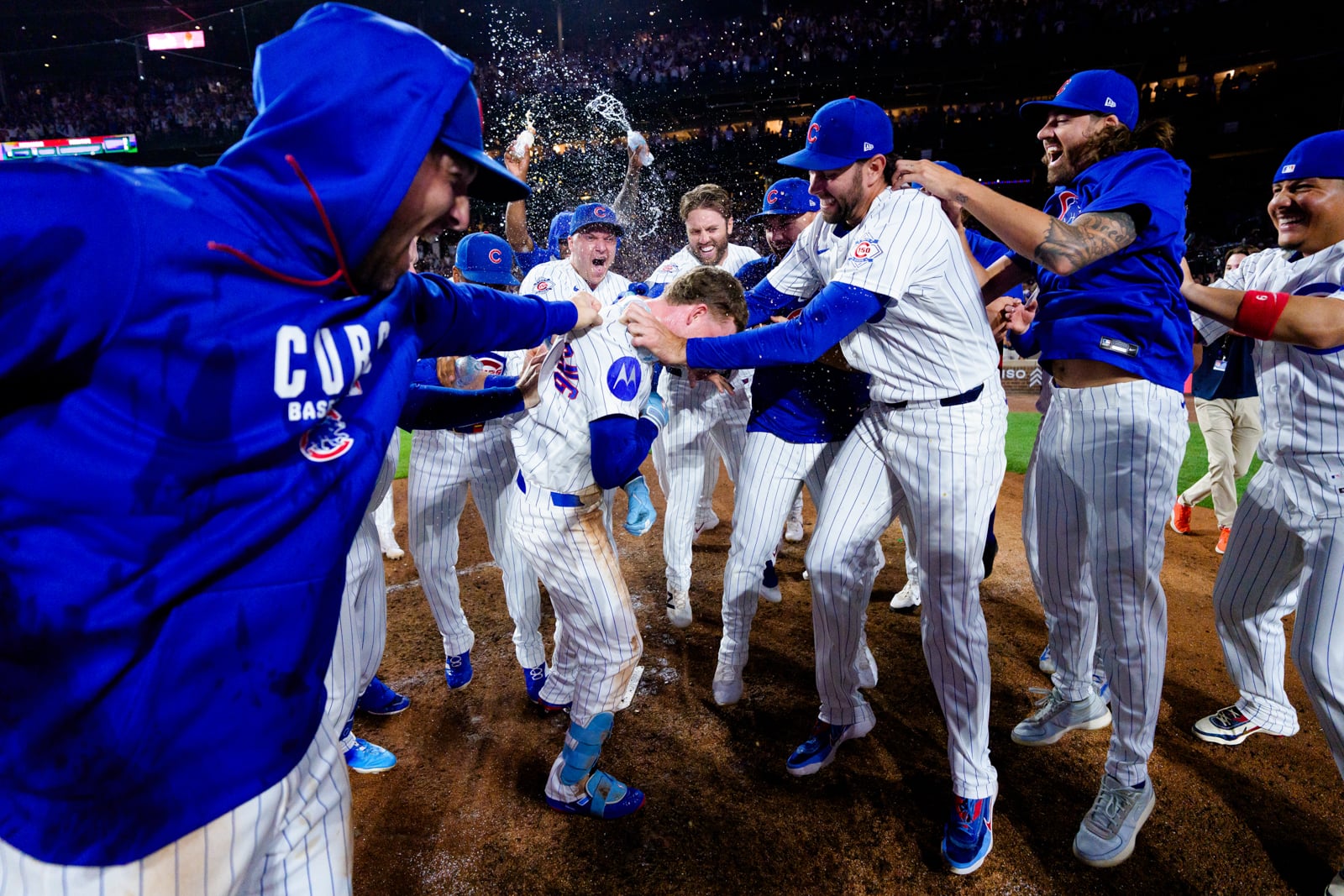
When the Cubs have a chance to get a walk-off win in their last at-bat, Dirksen leaves his usual photo well, a shooting area beside the field, on the third-base side. He crosses to the other side of the field, where he can get to the celebration at home plate the moment the game is won. From the third-base side, he would be behind the players as they come into home plate, which breaks his rule that a strong frame shows both of a player’s eyes and both ears.
Instead, he waits behind a field-access door on the first-base line, next to a security guard.
“As soon as the winning run crosses the plate, the security guard kicks the door open for me, and I’m off and running,” he says.
Dirksen is often the only team photographer covering a game, so he maps out the possible endings before each pitch.
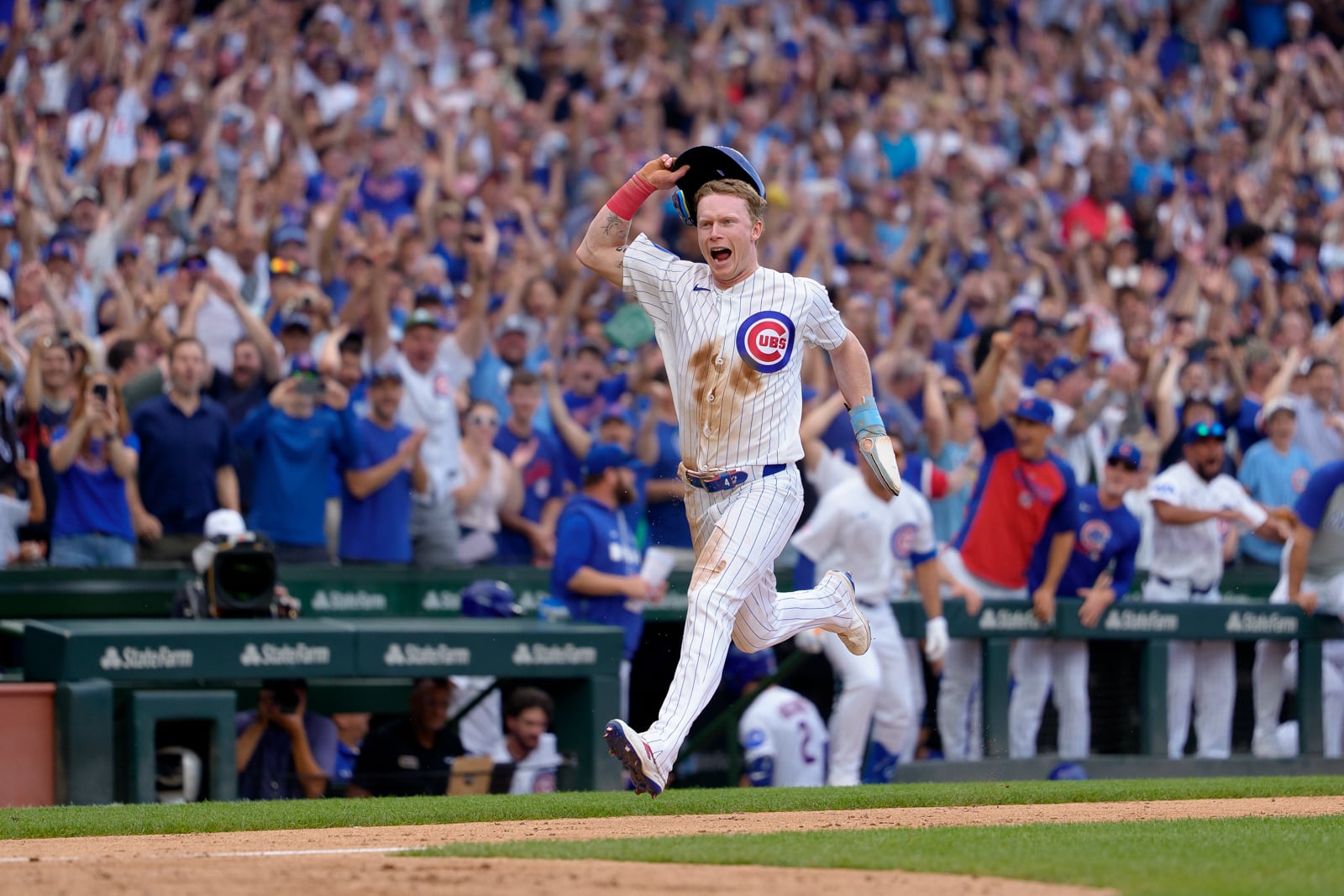
“The first thing my brain does is evaluate what the possible outcomes are in front of me and what am I going to do to react in each one of those situations,” he explains. “Who’s the player that’s going to score the winning run? How am I going to get from where I am now to the celebration? Once that celebration happens, do I need to be on the front side or the back side? Where’s my light coming from? They’re probably going to do an interview, so I need to be ready for a Gatorade shower. I need to have already experienced it in my mind before I go shoot it so that I’m not being surprised and caught off guard.”
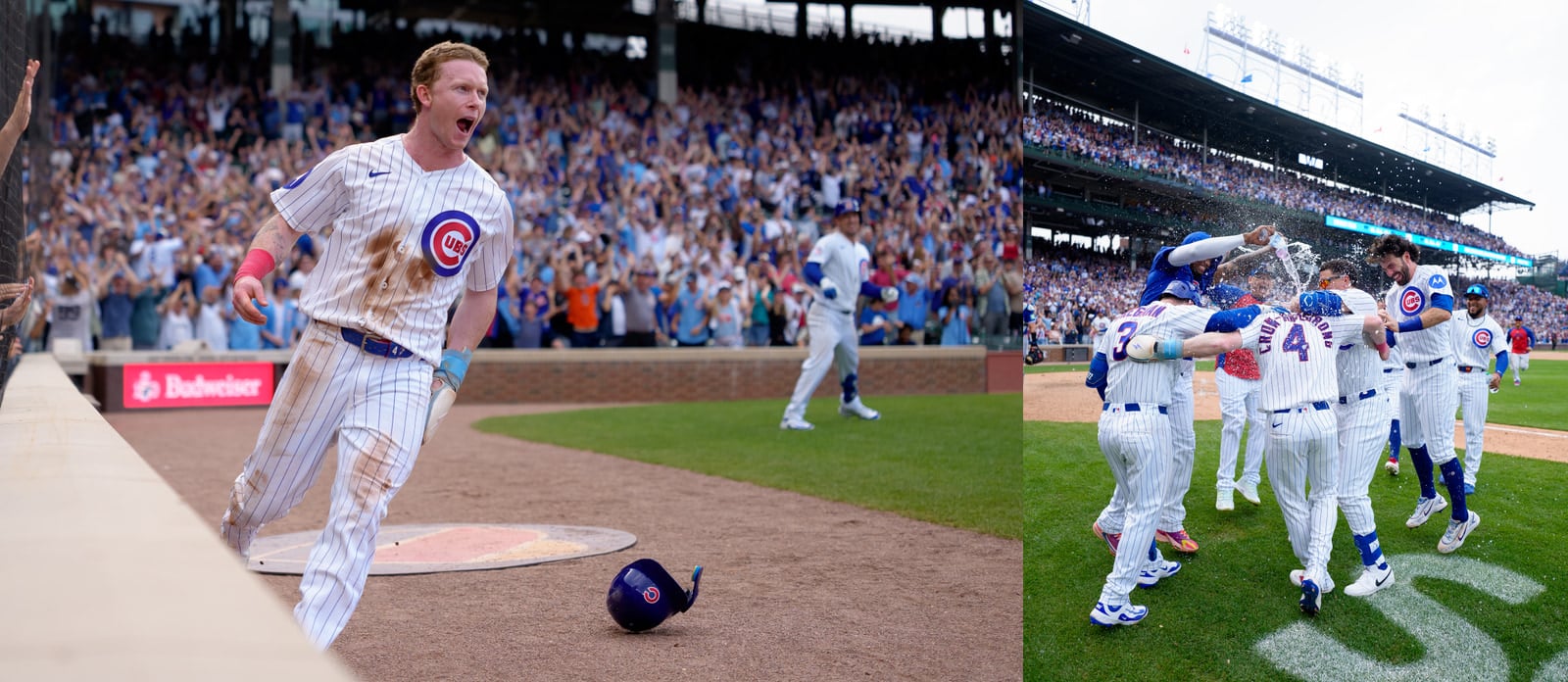
Right: Sony A1 II • FE 20mm F1.8 G • 20mm • 1/2000sec • f/1.8 • ISO 200
The cost of the door spot is that he gives up the left-handed batter’s face on the swing and the run around first base, both of which look better from his usual well. Complicating matters even more is that Crow-Armstrong, the team’s biggest star, is a left-handed hitter.
“If I stay in the photo well on the third-base side with a long lens, I can get a left-handed batter making the swing and I’m going to get the action coming around first base, but I won’t have the best angle of the winning run scoring or anything inside the celebration,” he adds. “So I have to weigh what will work better to tell the story from the team’s point-of-view, and let that factor into my decision.”
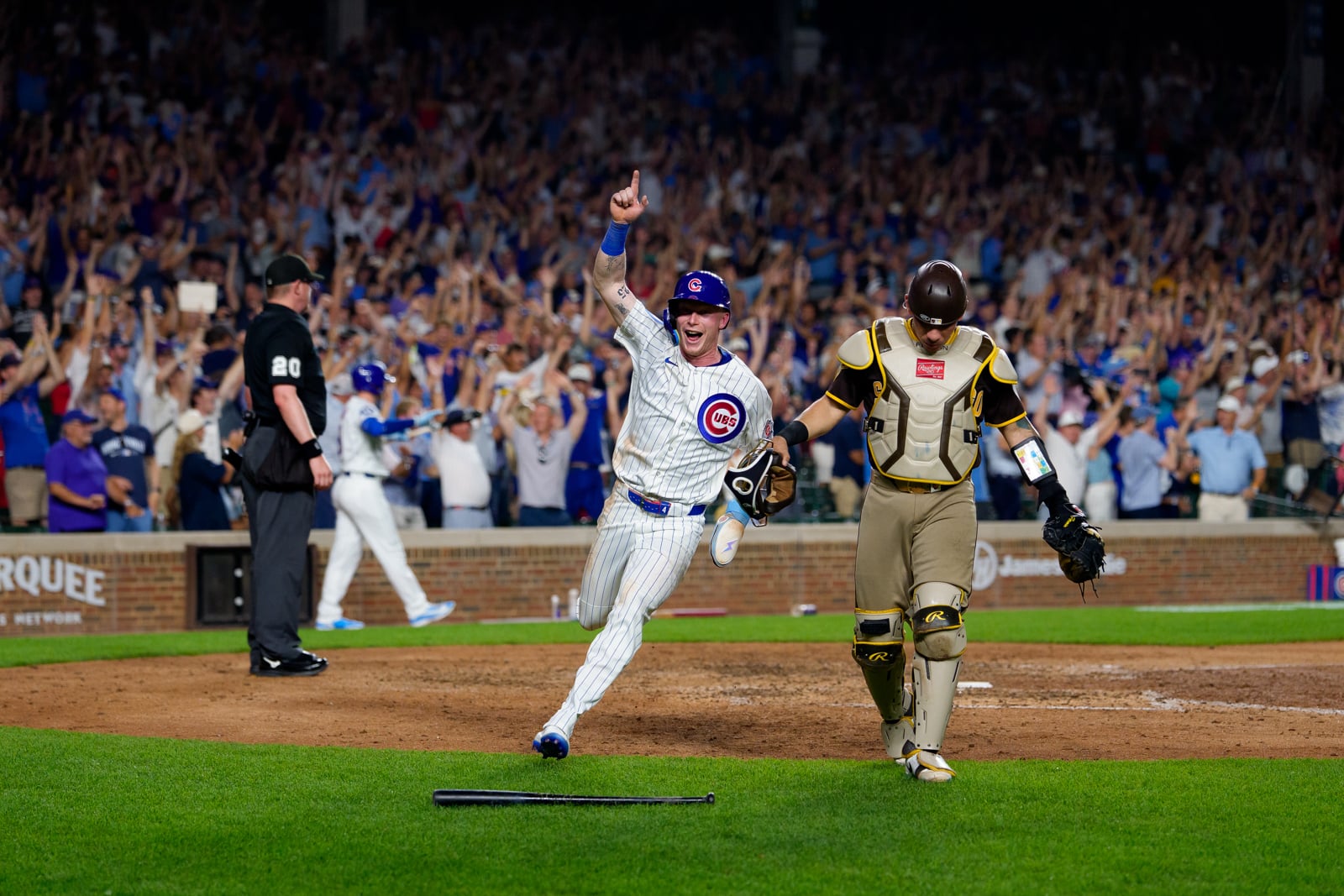
In that scenario, he carries two cameras equipped with ProGrade Digital’s 480GB CFexpress Gold cards at a time, usually with a 20mm wide-angle lens on one and the 50-150mm zoom on the other. The zoom covers the hit and the play at home plate, and the wide lens covers the on-field celebration.
“I’ve shot over 1,500 baseball games in my career,” he notes. “I can feel the vibe of the place. I can feel how a player’s been hitting for the last few games. I know how he’s done that night. It’s still a prediction, but my experience has helped me develop a sense of what’s to come.”
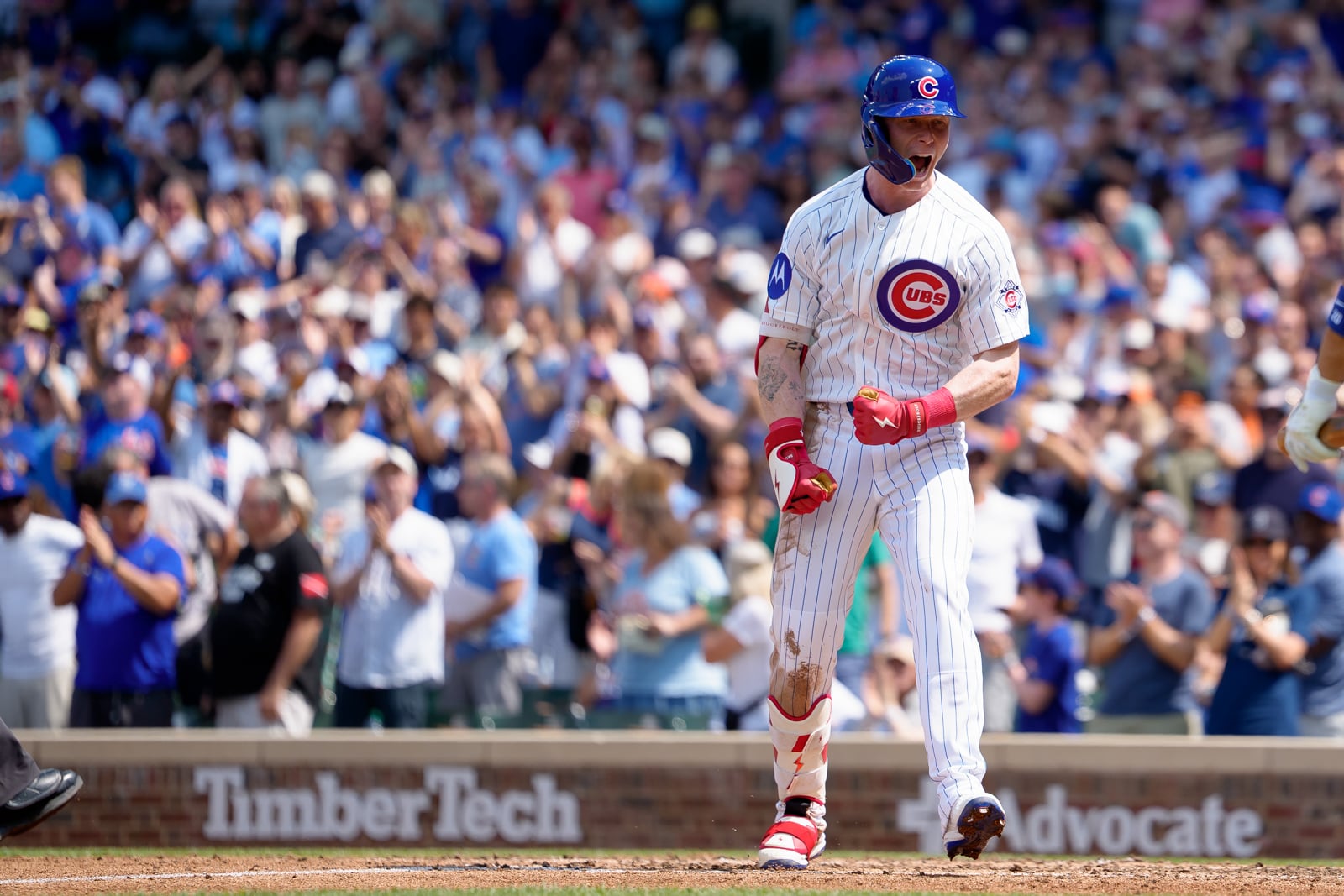
That sense paid off on Aug. 17 against the crosstown rival White Sox. Crow-Armstrong had led off the game with his 29th home run of the season.
He came up again in the bottom of the 10th inning with the score tied 5-5. One more home run would put him in the 30-30 club, 30 home runs and 30 stolen bases in a season, for the second straight year, and it would end the game on the spot, a walk-off win.
“I remember texting my social team saying, get the graphic ready,” Dirksen recalls. “He’s going to walk it off for 30-30. And I was right.”
Crow-Armstrong hit a two-run home run to win it 7-5.
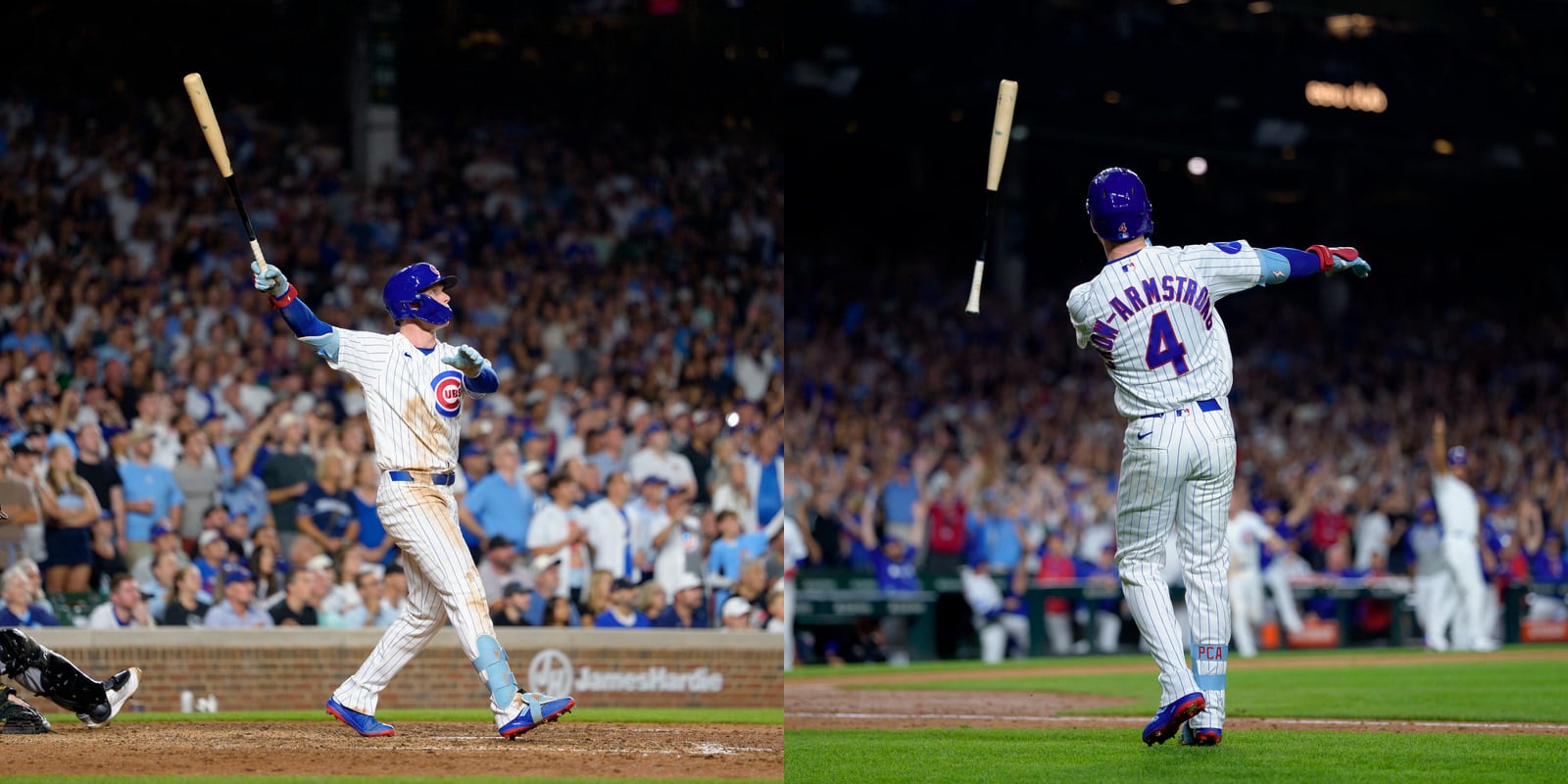
Right: Sony A1 II • FE 50-150mm F2 GM • 120mm • 1/3200sec • f/2.0 • ISO 1250
Dirksen made his frame of the swing from the first-base side. It shows Crow-Armstrong from behind, flipping his bat toward the Cubs dugout as his teammates celebrate.
“From the first-base side, I’m not getting his face on the swing, since he is left-handed,” he says. “That’s the trade-off. But I got the bat flip toward the dugout with everybody going crazy. Every so often, breaking the two eyes, two ears rule tells the story better.”
No Editor, Thirty Seconds
When a player hits a home run when Dirksen is inside the Cubs’ photo well, about halfway down the third-base line, he will start with a telephoto lens. He says that he will often use a 300mm to follow the batter around first base during the home run trot. When the runner rounds second base and heads toward him, he quickly switches to a second camera, equipped with the 50-150mm zoom so that he is ready for the reaction at third base.
“I will use burst mode on my camera when they are on their way from second to third base because they react to the dugout,” he observes. “That’s where the energy comes from. When they come around third base, that adrenaline turns into a big smile on their face. What I really love about shooting these moments is that I have the iconic Wrigley Field scoreboard behind them.”
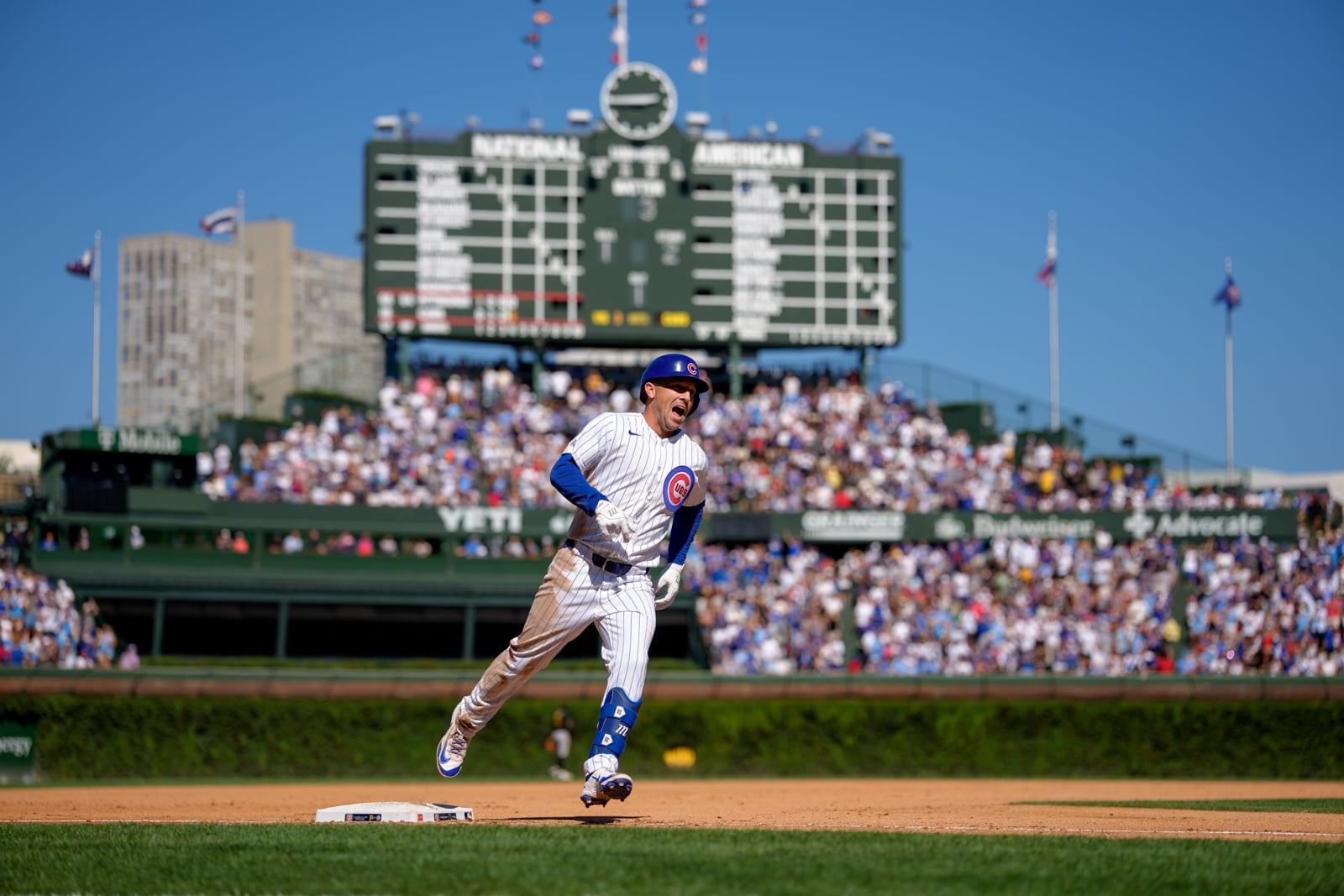
Shooting in burst mode at 20 to 30 frames per second, he ends up with about 250 pictures from one home run per camera.
“These are athletes, and I want to showcase them in their best light,” he notes. “I want strong body posture, I want their eyes open, and I want good facial reactions. I don’t want an arm or a leg in some awkward position for something that’s celebrating an achievement.”
Once the runner is back in the dugout, Dirksen may have a 30-second break in the action while the catcher walks halfway to the mound to talk to the pitcher. That’s his window to send the best of those 250 frames to the Cubs’ social media team.
Every burst first lands in the camera’s buffer, a small bank of internal memory that holds each frame until it’s written to the memory card. A slow card keeps that buffer full, and the camera bogs down and eventually stops taking new photos.
He shoots with three Sony A1 II bodies, and each one records every frame he takes to two ProGrade Digital CFexpress Type A cards at once. Each card gets a RAW file, the full image he edits later, and a JPEG, a finished file social can post right away.
His cards are ProGrade’s Gold line, which ProGrade rates to write a burst at up to 800MB/s, and he says the difference shows up the moment a play ends.
“If I was using slower cards, it would take the buffer so much longer to clear in the camera, and I would miss a lot of the action,” Dirksen points out. “When that play is done, both cameras have easily cleared their buffer so as soon as the celebration is over, I’m already cropping and sending whatever I know social is going to need.”
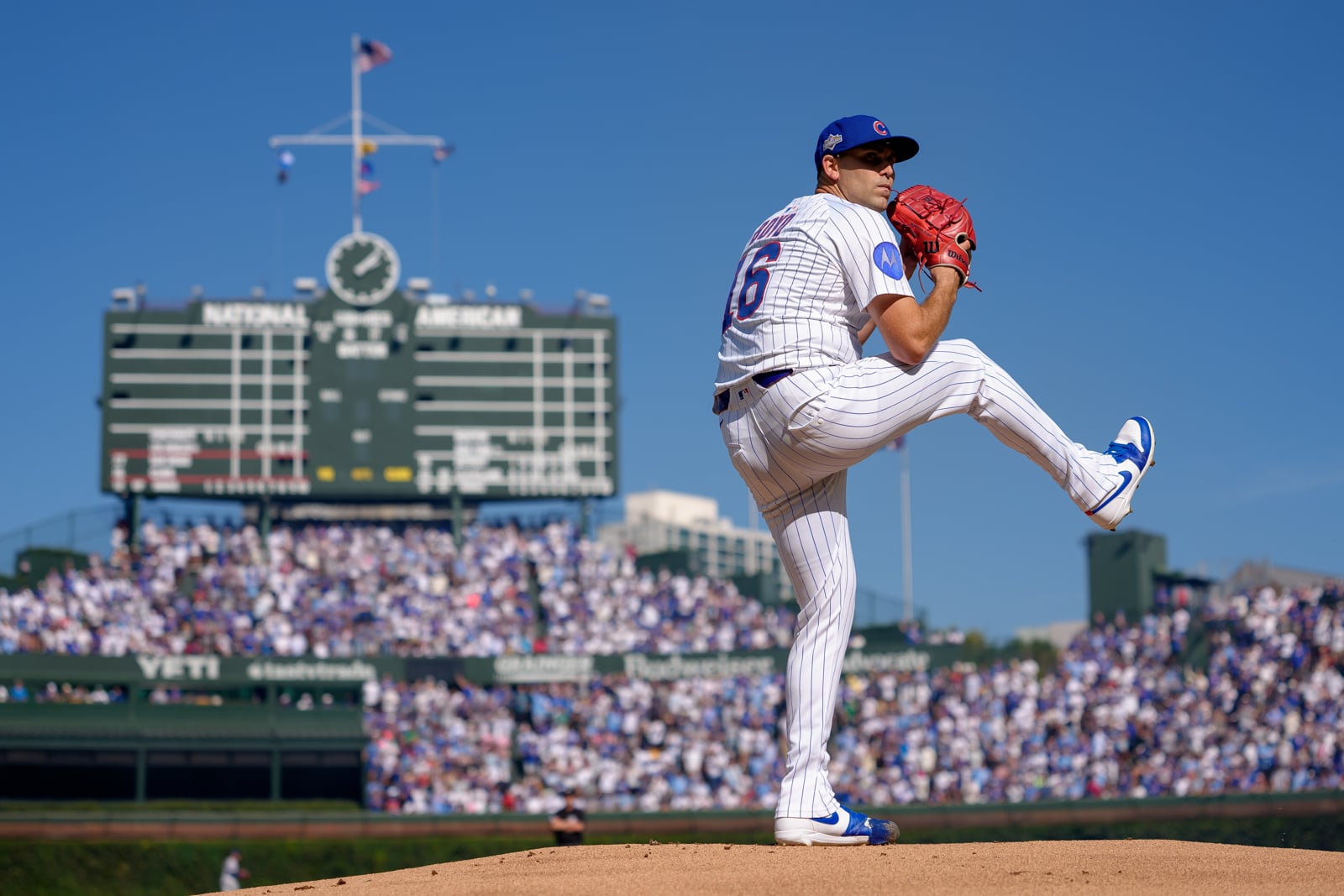
“My goal is to get those JPEGs out as soon as possible,” he says. “The social media team is going to take the images straight out of camera and share them with the fans quickly as the moment is still being talked about. I don’t have an editor, so I have to make sure the images are as publish-ready as possible once they leave my camera.”
He crops and sends the photo right from the camera. One custom button pulls up the crop tool, and another sends the file over Wi-Fi to the team’s FTP server, an online drop point where social pulls it. He says that, most times, the photos are out before the first pitch of the next at-bat.
A 4×5 crop is a tall vertical frame, and 2×3 is the aspect ratio of the camera’s full frame.
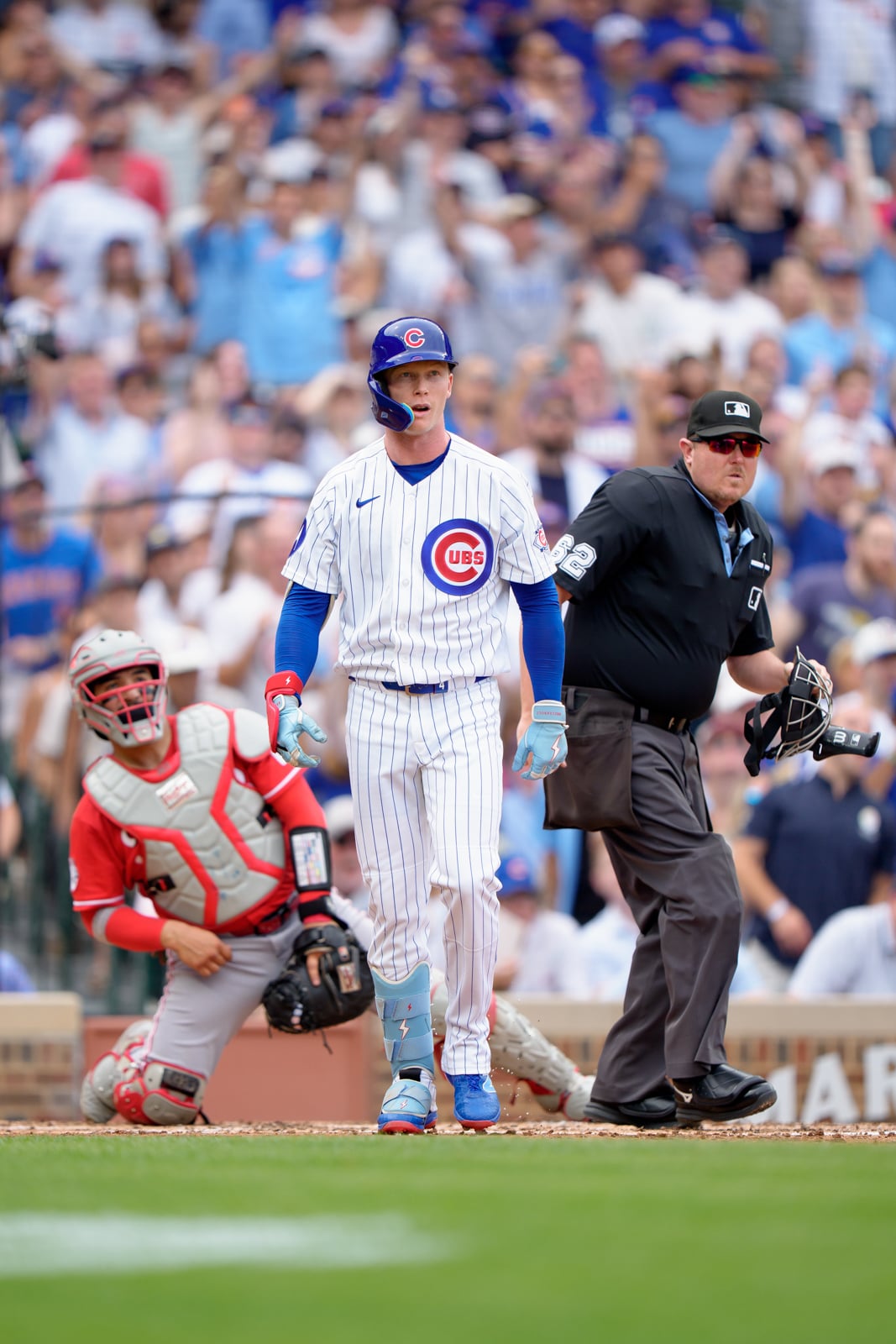
“I usually crop 4×5 verticals, or do a tighter crop of the 2×3 that tells a more player-focused story,” he explains. “It cuts a step out of the social team’s workflow before it ever hits their desk.”
Most wire photographers, who shoot for services such as Getty Images and the Associated Press, work on a slower clock. Unless they shoot tethered, with the camera wired to send frames straight to an FTP drop point, their pictures move in batches.
“In the postseason, all of the press photographers are shooting tethered, so that stuff usually gets out fairly quick,” Dirksen explains. “But during the regular season, most press photographers are not shooting tethered, and they aren’t pulling cards to import onto a laptop after every single play. They’ll do it during an inning break or maybe a couple innings later. With the Cubs, we are trying to engage with our fans in real time as things are happening because they’re die-hard and they are always engaging.”
The Day Isn’t Done
After the final out, he pulls the cards from his cameras. The JPEGs went out during the game. The RAW files, which hold far more detail for editing, still have to be imported, sorted, and sent to the team’s archive.
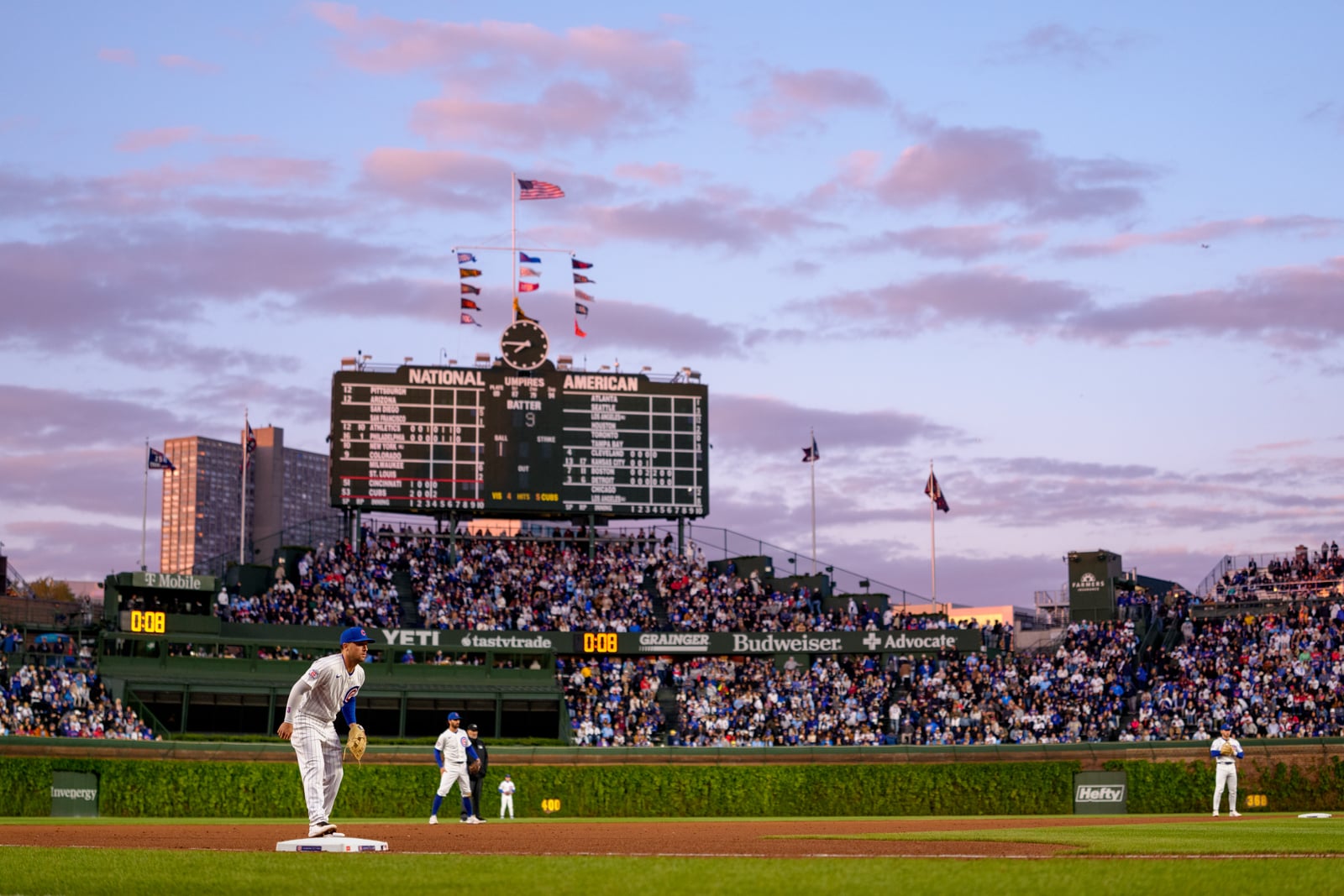
By his estimate, the 480GB ProGrade cards in each camera hold about 6,000 of the Sony A1 II’s 50.1-megapixel RAW-plus-JPEG frames, more than that camera shoots in a full game.
“I don’t delete in camera, so I also need cards with big storage capacities so that I can get through a full game,” he notes. “Normally I’m changing batteries, but I don’t have to worry about changing cards.”
ProGrade recently sent him its new CFexpress Type A 4.0 Iridium cards, and he plans to mix them in. NASA selected the CFexpress Type B 4.0 cards from the same Iridium line for its Artemis moon missions.
He imports through ProGrade’s PG09.7 USB 4.0 reader, a small device that reads both CFexpress Type A and SD cards and transfers the files to his PG10.5 Pro Mini SSD.
“I’ve got both the single and dual readers, and I have three different cameras that I’m downloading from,” Dirksen says. “It usually just takes a few minutes to import around 5,000 to 6,000 photos a game. But my laptop doesn’t have enough ports, so I used to have to let two go before I could download the third card.”
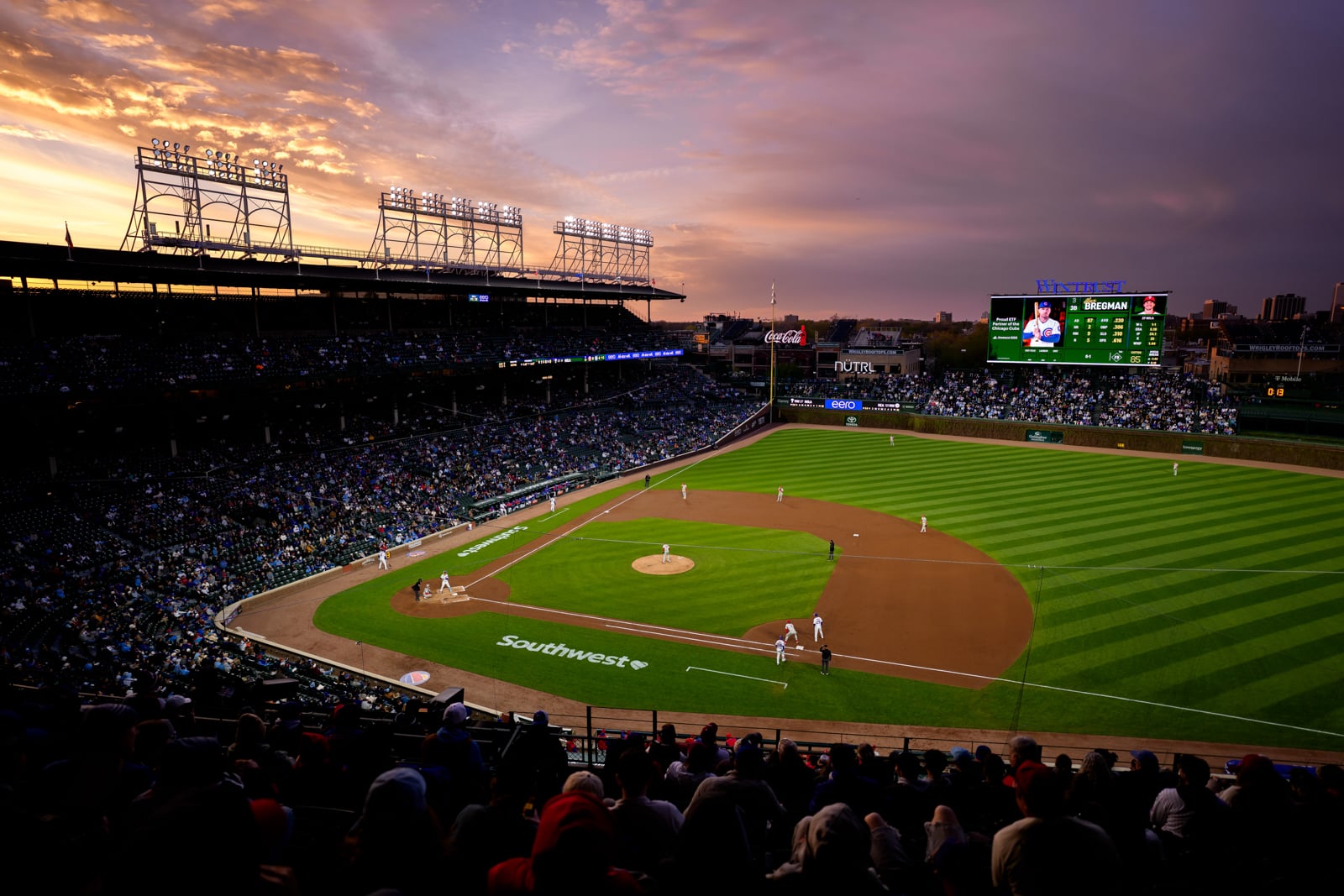
Now he runs it all through ProGrade’s PG25 Pro Thunderbolt 5 Dock, a box that connects to a laptop with one fast Thunderbolt 5 cable and adds more ports, so every reader and the SSD can run at once.
“Now I can plug in all of my readers and the SSD at once, grab everything and download it simultaneously,” he adds. “I’m not sitting there waiting on two cards to finish before I can start the next one.”
Once the RAW files are imported, he culls the game in Adobe Lightroom, gives each keeper a quick tone and crop, and uploads it to the archive.
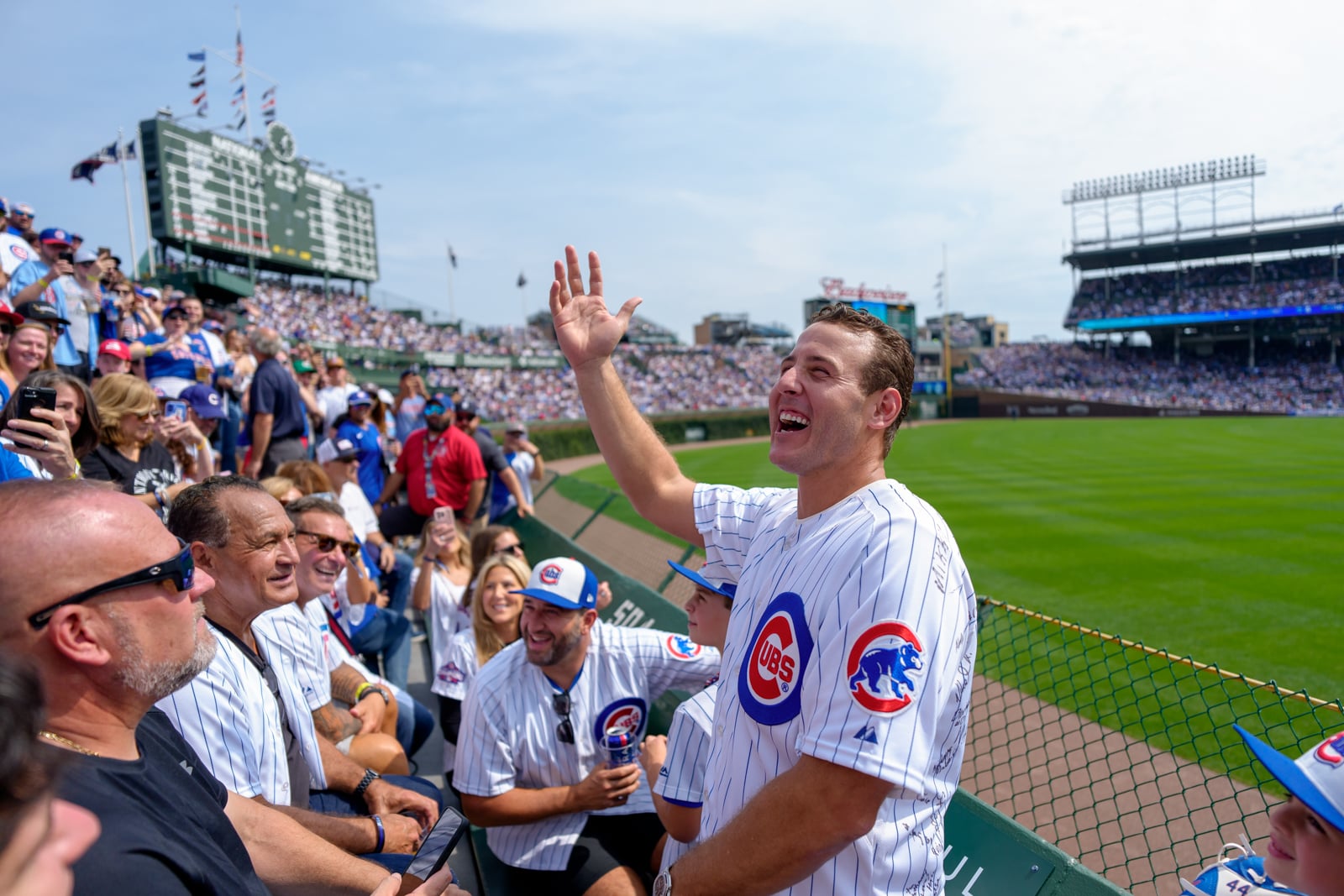
“Our graphic designers use the files created from those RAW files for branding work, so if I need to make a tweak, I’ve got a file with more information to work off of,” he points out. “Usually, if it’s a day game, I’ll do the import and edits that night. If it’s a night game, I’ll do it in the morning.”
Some of those branding frames are shot before the game even starts.
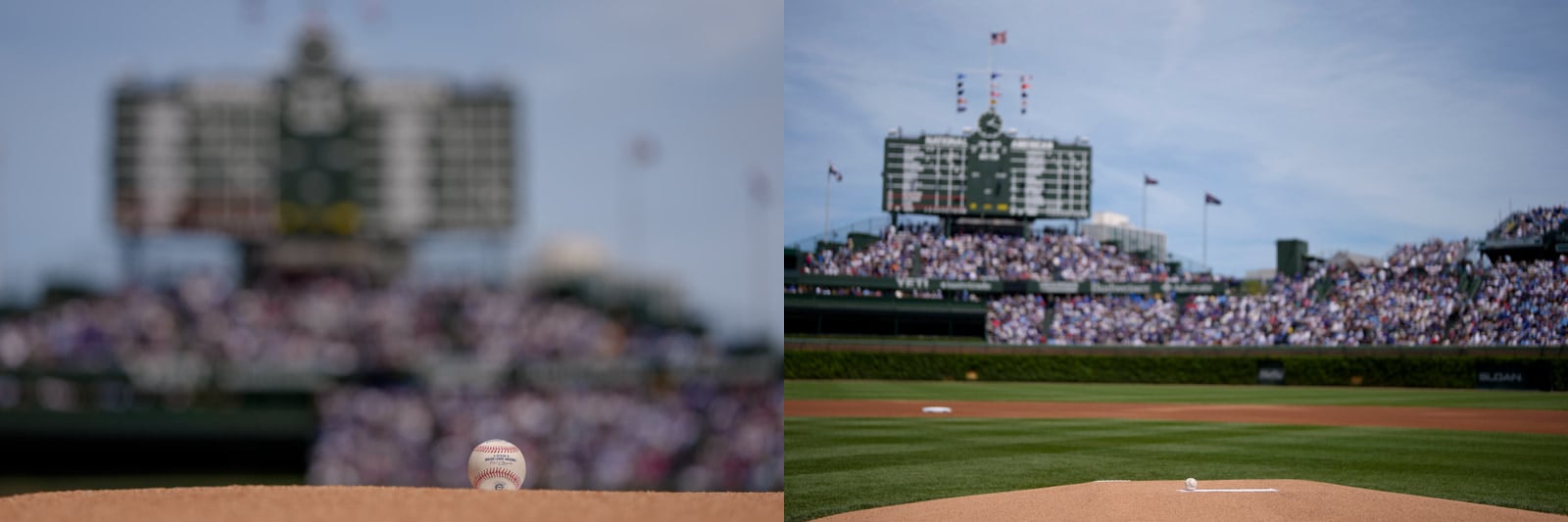
Right: Sony A1 II • FE 50mm F1.2 GM • 50mm • 1/20000sec • f/1.2 • ISO 125
“There’s a sponsored moment where a season ticket holder puts the ball on the mound for the game,” he says. “The stadium is already full when the game’s getting ready to start, so I’ll go out there and line the ball up with the scoreboard, the bleachers full of fans in the background. I’m the only one on the field taking an empty mound shot that nobody stepped on yet. That’s a powerful picture.”
He filled 10 4TB SSDs this season. He estimates that’s about 560,000 frames, almost all at home games and events.
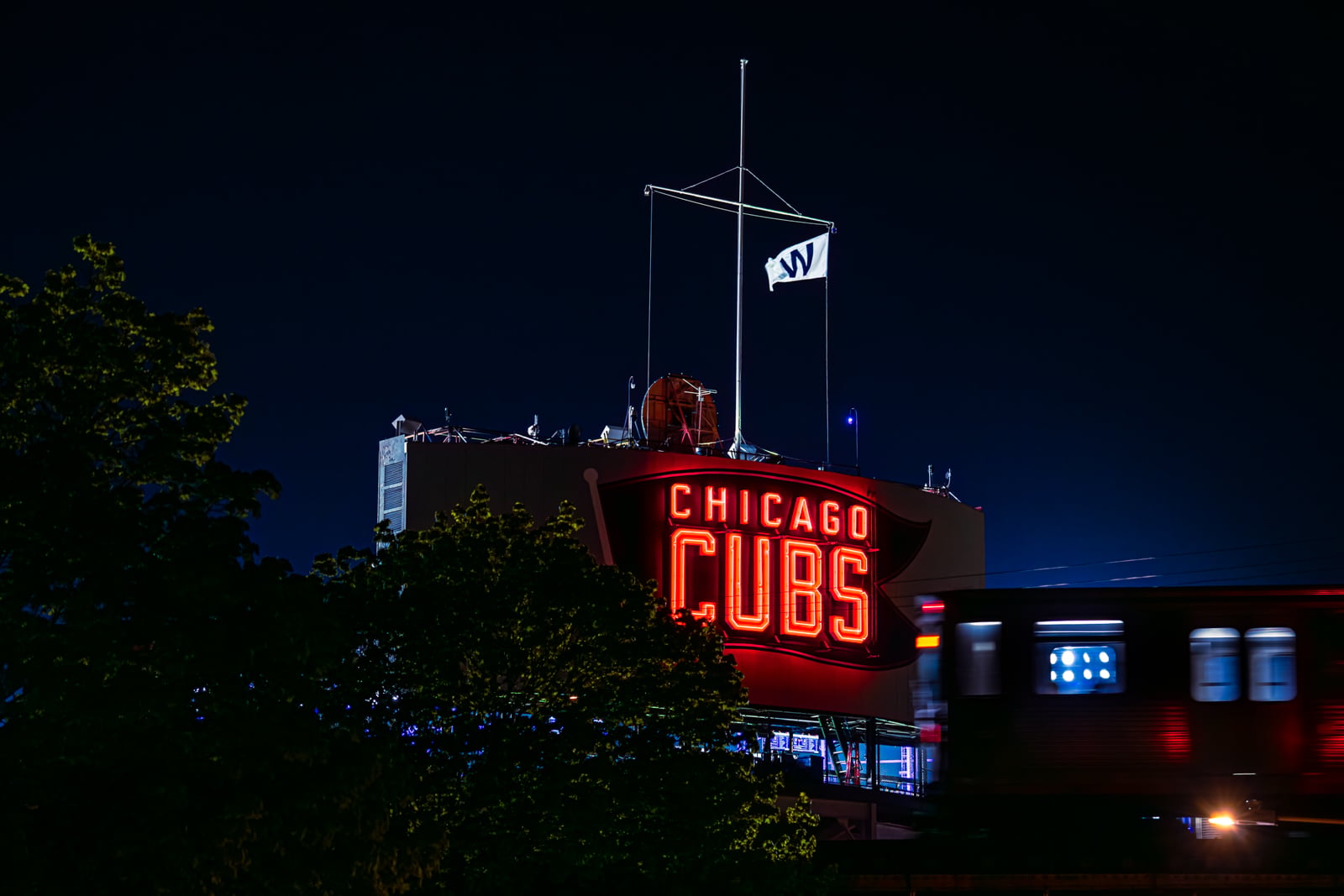
“Even after I get home, the day’s not done,” he says. “I have to import all the images, make selects and edits, then get to sleep because I’m about ready to do it all over again the next day. I don’t have time for a backlog.”
Preserving Baseball History
On Thursday, Sept. 24, Crow-Armstrong came into the Cubs’ last regular-season home game with 45 home runs and 39 stolen bases. One more steal would make him only the seventh player in MLB history to have at least 40 home runs and 40 stolen bases in a season.
Dirksen had been anticipating that steal for about a week. He stayed in the Cubs’ inside photo well down the third-base line instead of moving to an outside well, where the rest of the press works.
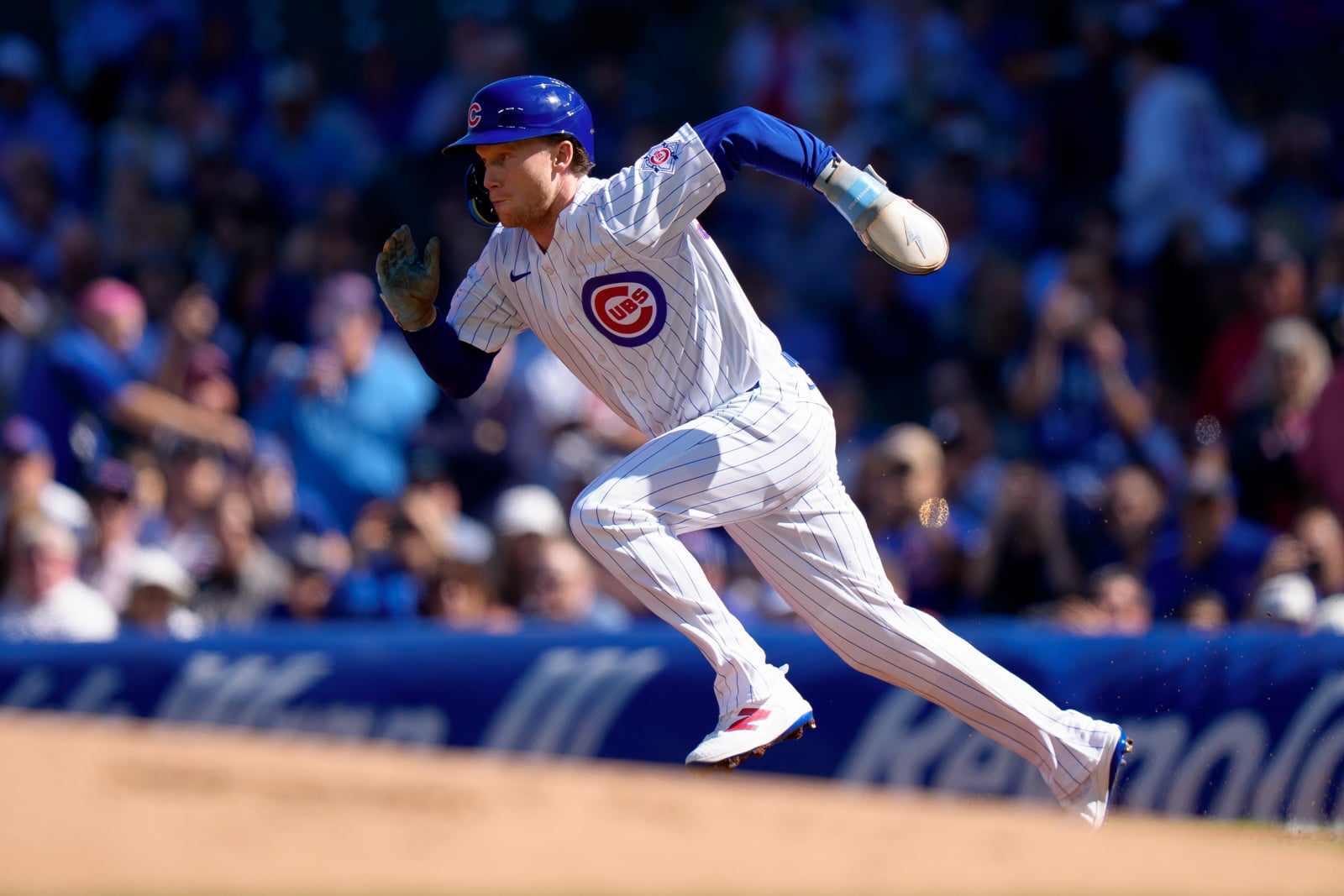
“If he got on first base, I knew where the light was going to be if he tried to steal second,” he recalls. “It was going to hit his face in a certain direction. I knew if I was in an outside well where all the other press was, there was a chance that there’d be a harsh shadow. So I wasn’t going to leave my spot.”
Dirksen was set up with a 400mm telephoto lens to follow Crow-Armstrong’s break from first base and slide into second. He stole the base in the first inning, and one of Dirksen’s photos shows the headfirst slide into the bag.
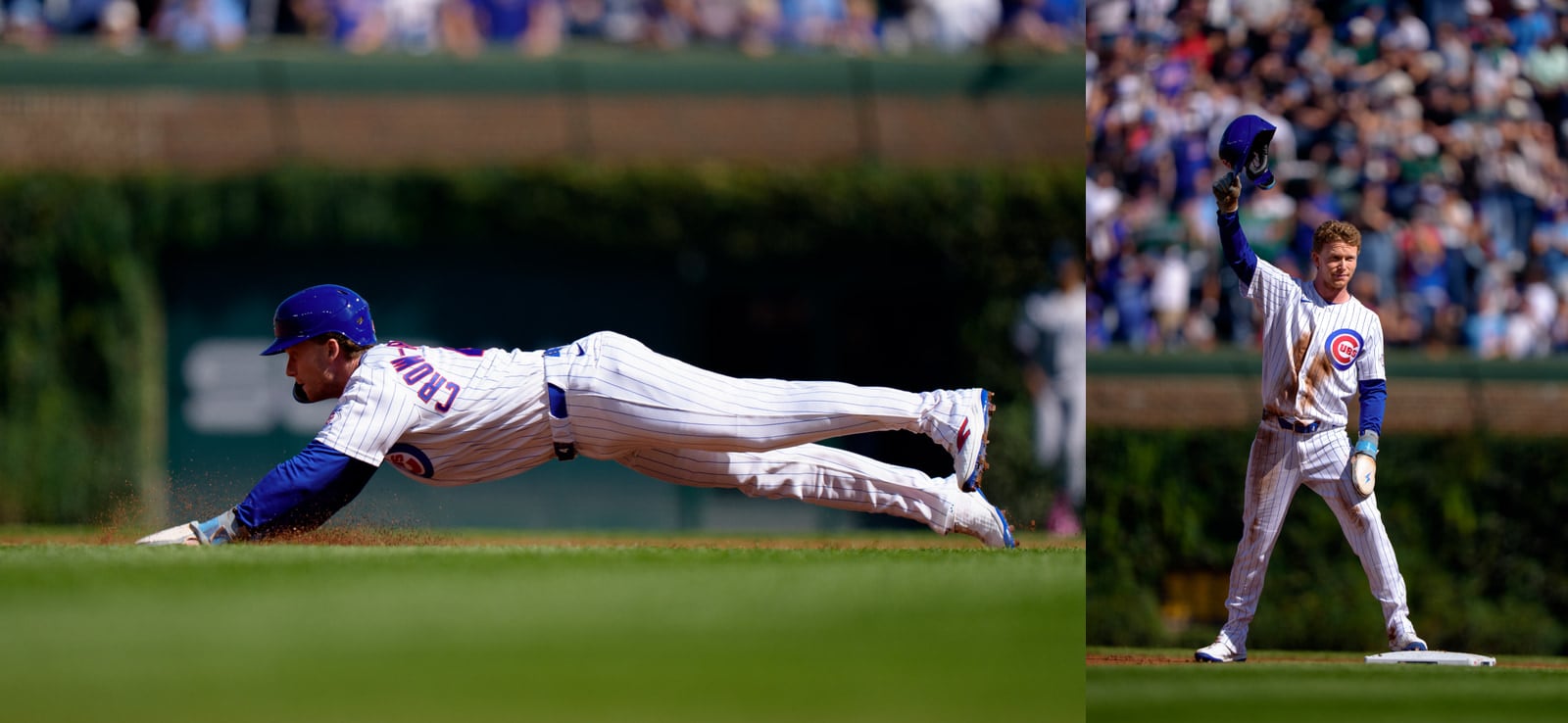
Right: Sony A1 II • FE 400mm F2.8 GM OSS • 400mm • 1/8000sec • f/2.8 • ISO 320
“I knew I could get the act of stealing set horizontally, but I rotated the 400 vertically while I waited for the curtain call from the fans,” he explains. “I knew that if he tipped his helmet, it may reach out of the frame if I was shooting horizontally, so I needed to protect against that.”
The Cubs won 2-1 and clinched a playoff berth on the same day.
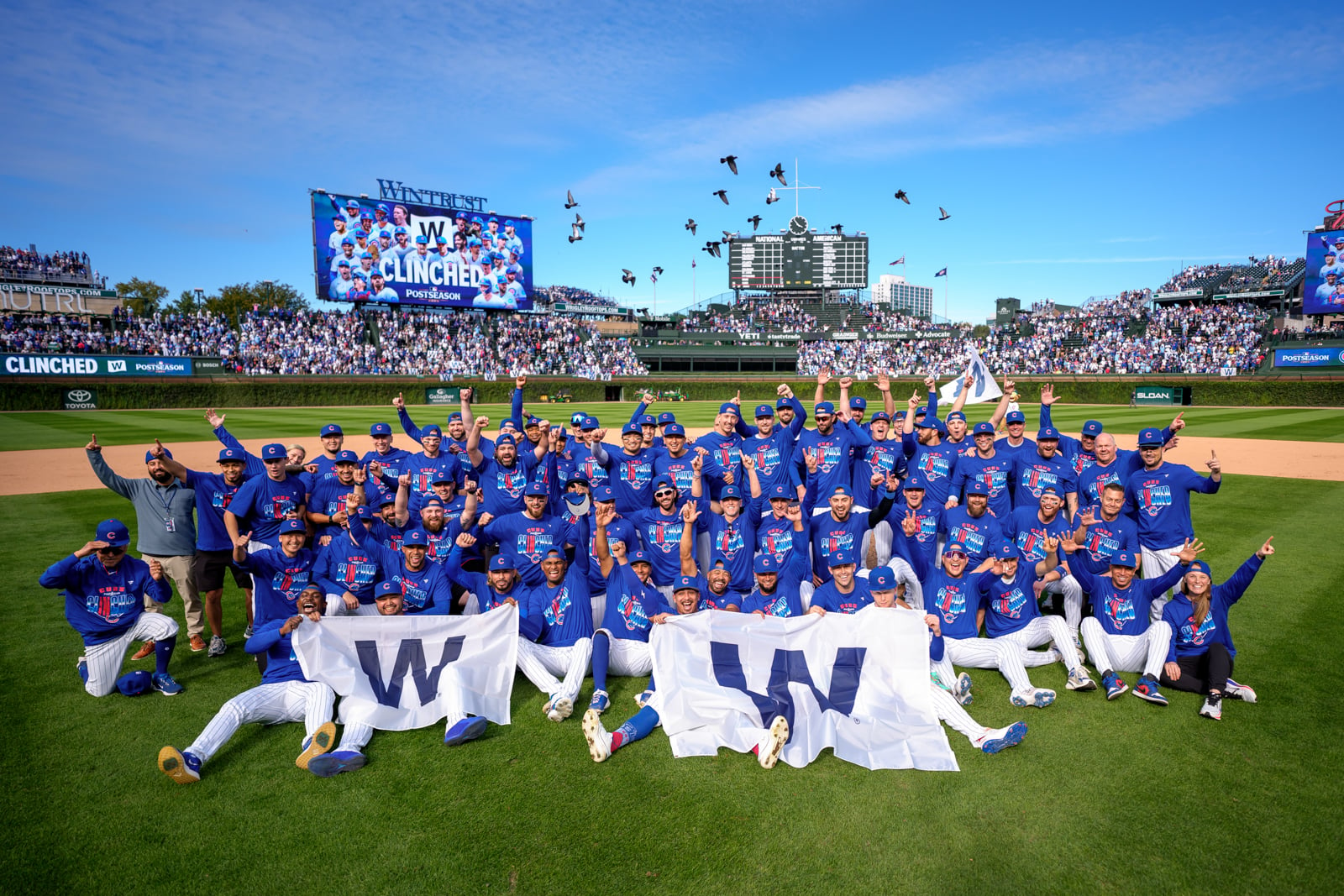
“Those are the days you never forget as a photographer,” Dirksen remembers. “The whole ballpark was celebrating with him. It’s hard to not get caught up in it too, because I’m also trying to make pictures. Those pictures are going to be referenced generations from now.”
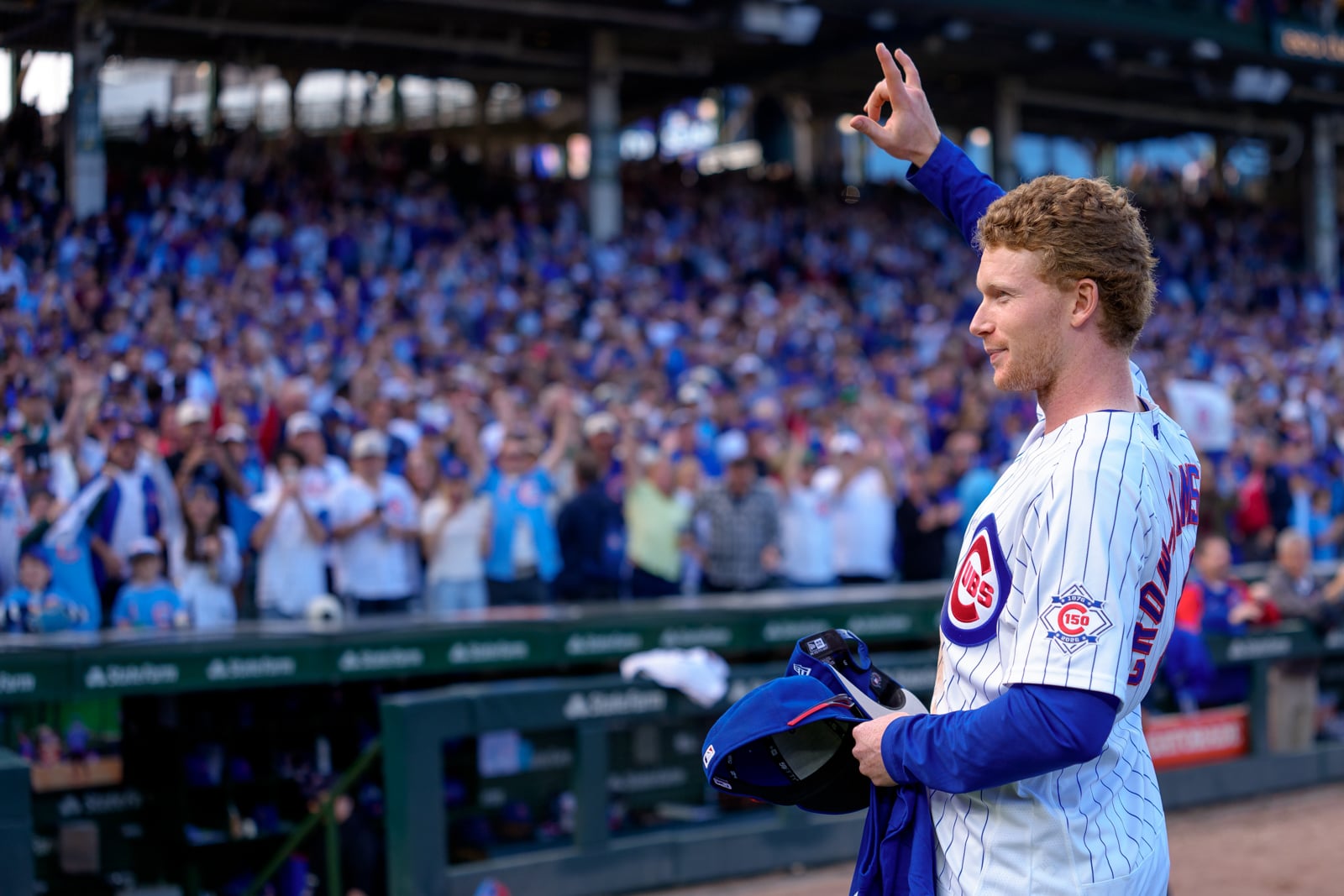
The job rarely changes hands, and Dirksen is the latest in a very short line. While, George Burke and George Brace started photographing Chicago baseball in the late 1920s it wasn’t until the 1960s that the club hired its first staff photographer, Barney Sterling. Steve Green took over in 1982.
“That’s 100 years of baseball history between just the five of us,” he points out.
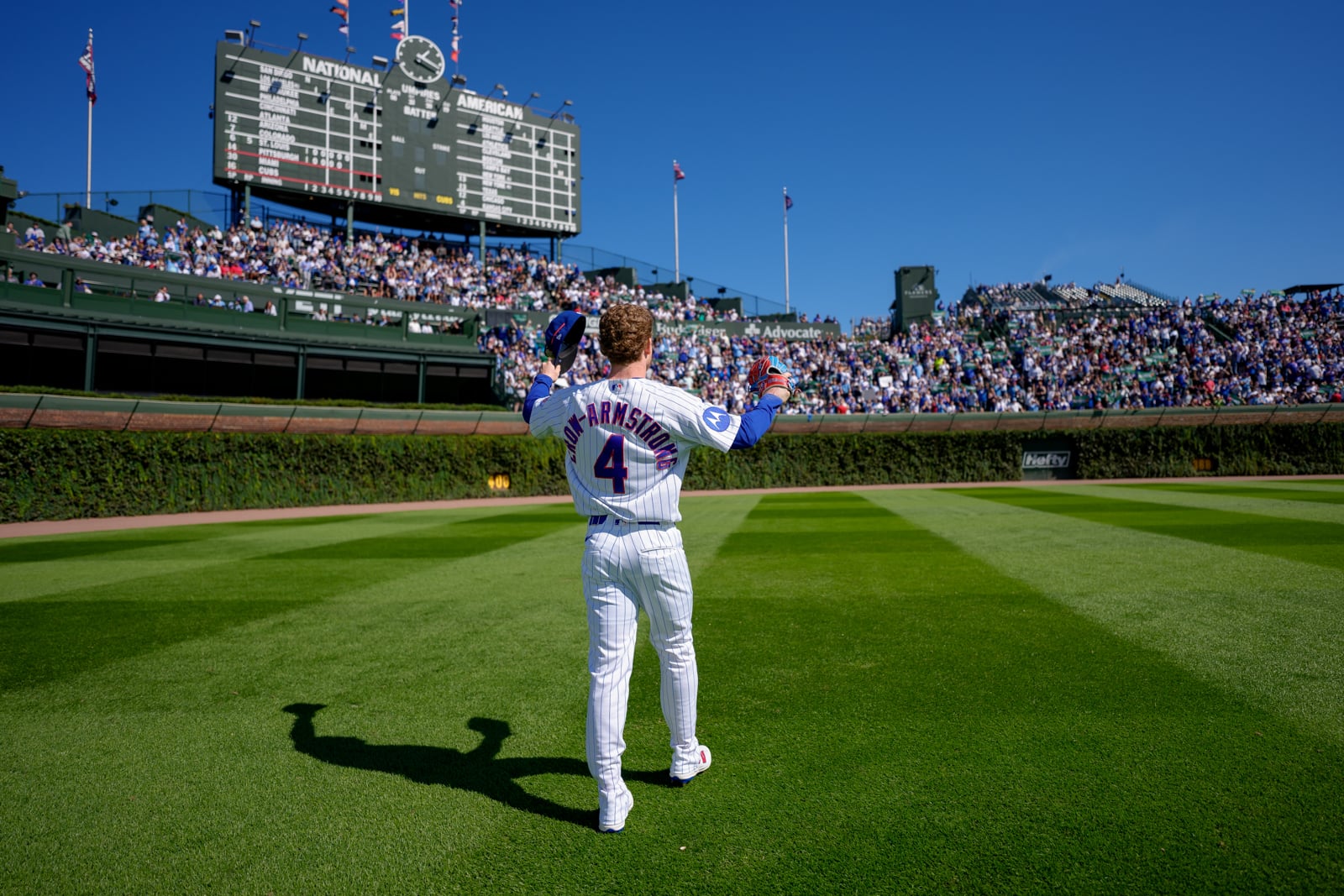
Dirksen has now worked in the majors longer than many players’ careers last, and he still starts every game day the same way, in the dugout where he made the Crow-Armstrong portrait.
“Every day I show up at a ballpark, I find five minutes and I just go out there to the dugout,” he says. “I let that 10-year-old kid inside me have his moment and just soak it in, because when you’re that age, you want to be a ballplayer. You have this idea of what it would be like. I never became a ballplayer, but I found the next best thing as the team photographer for one of the most storied franchises in sports. So I give myself that time before every game to reflect and appreciate how far I’ve been able to come.”
More from Matt Dirksen can be found on his website and Instagram.
Full disclosureThis article was brought to you by ProGrade Digital.
Affiliate Disclosure PetaPixel articles may include affiliate links; we may earn a commission if you buy through one.