
Stunning Camera Trap Survey Captures Elusive Snow Leopards Across China
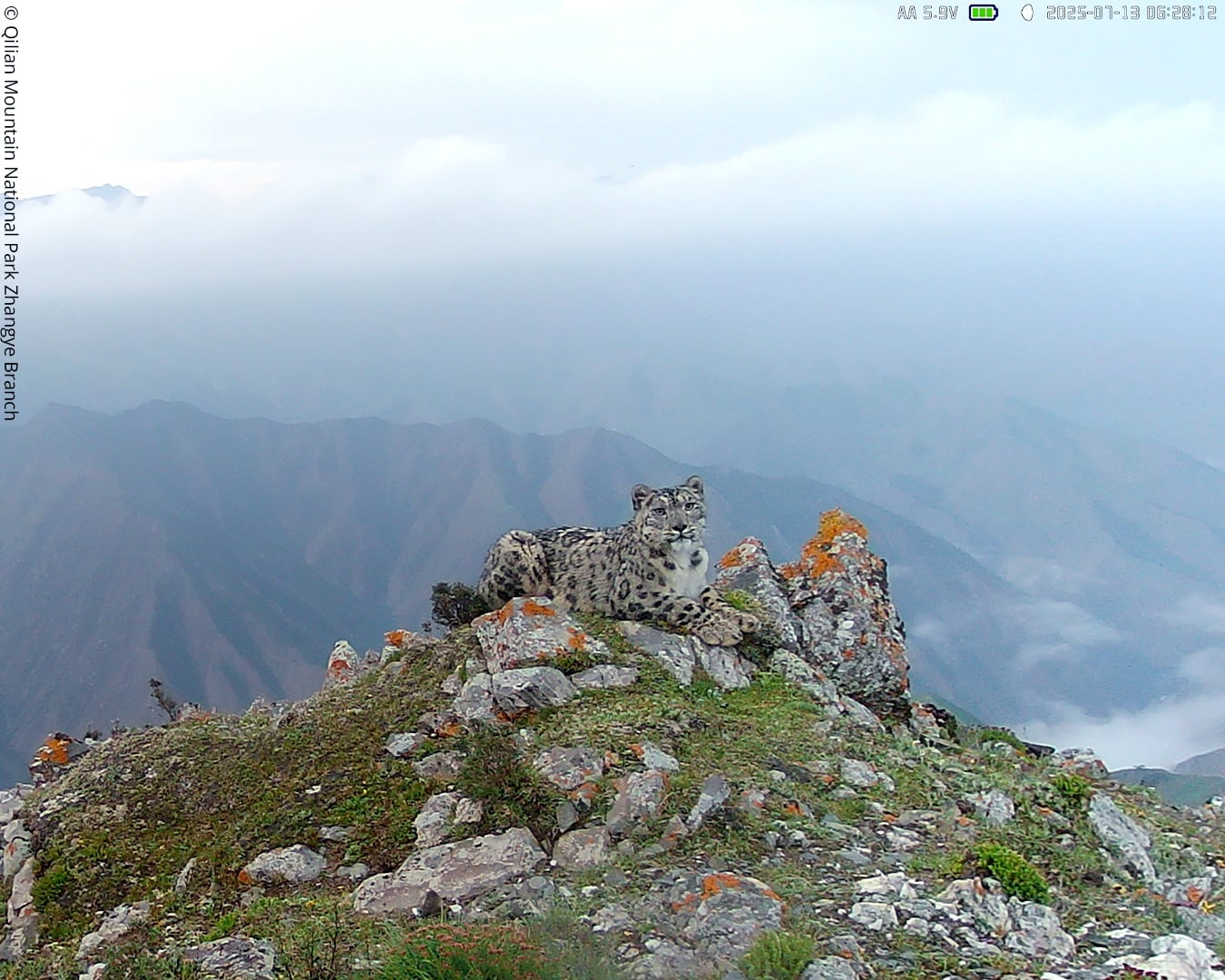
A camera trap survey led by the World Wide Fund for Nature (WWF) in remote parts of China has shed light on the elusive snow leopard.
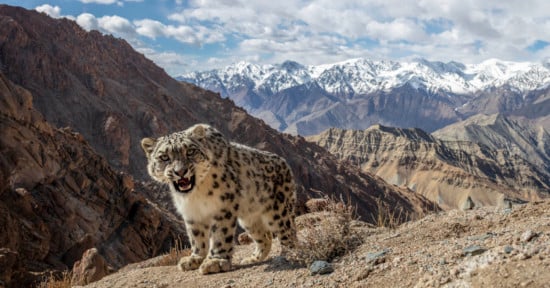
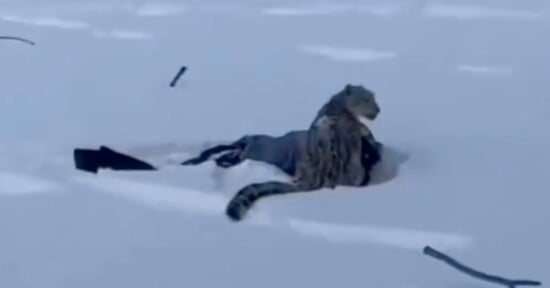
The WWF has been sharing stunning photos taken by some of the 160 infrared cameras that monitor alpine areas, including Qilian Mountain National Park — which is home to an estimated 150 snow leopards, as well as Wolong National Nature Reserve in Sichuan Province.
“Throughout 2025, WWF-China supported 10 snow leopard rangers in this area, contributing to a total of 500 person-days of patrol efforts,” WWF writes on Instagram.
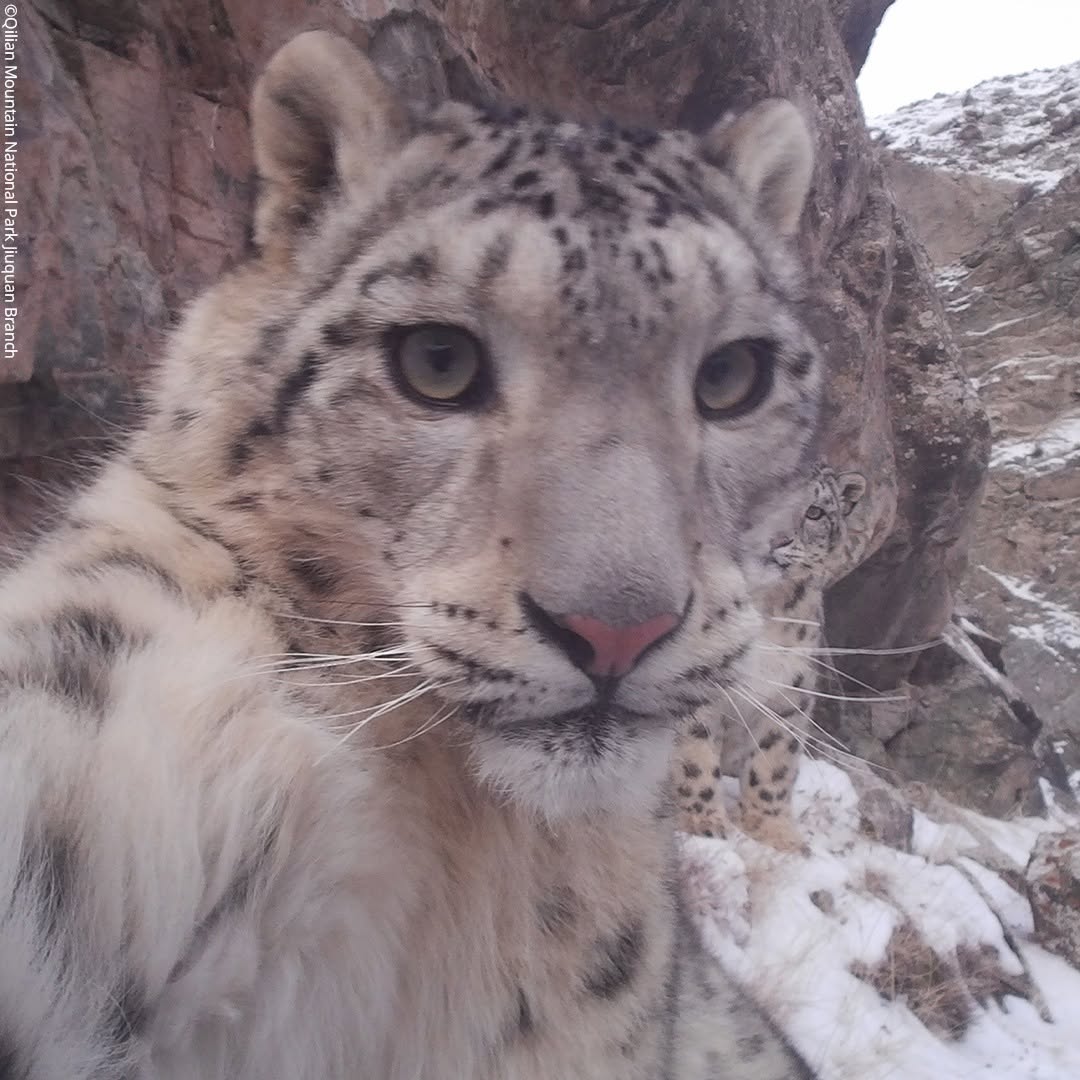
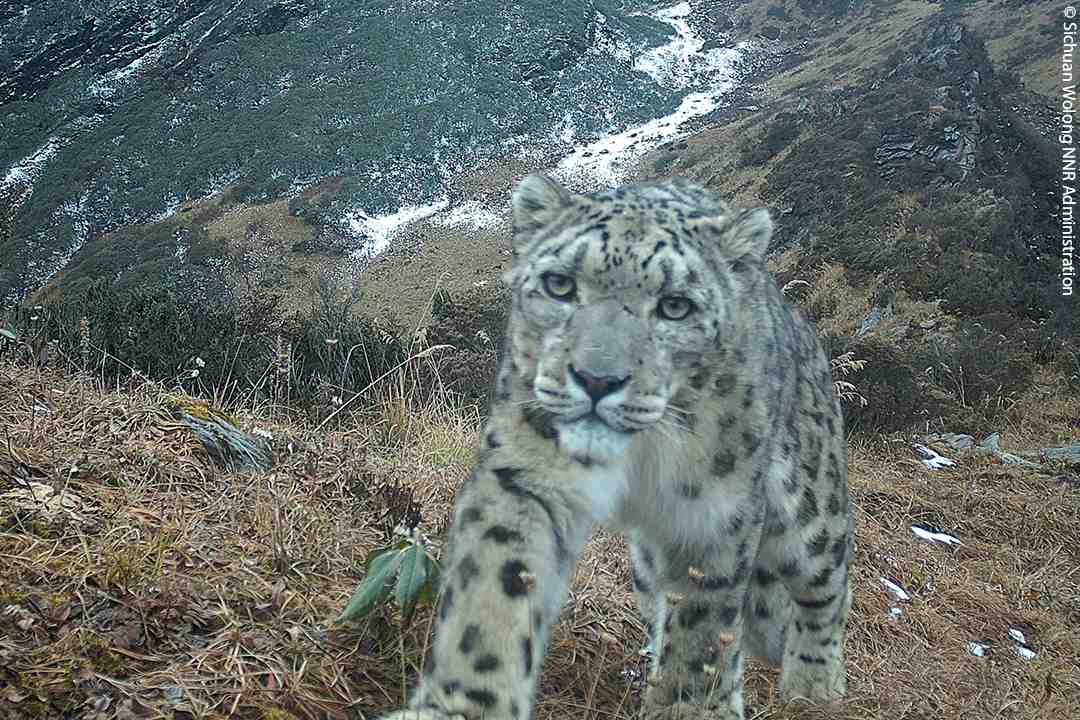
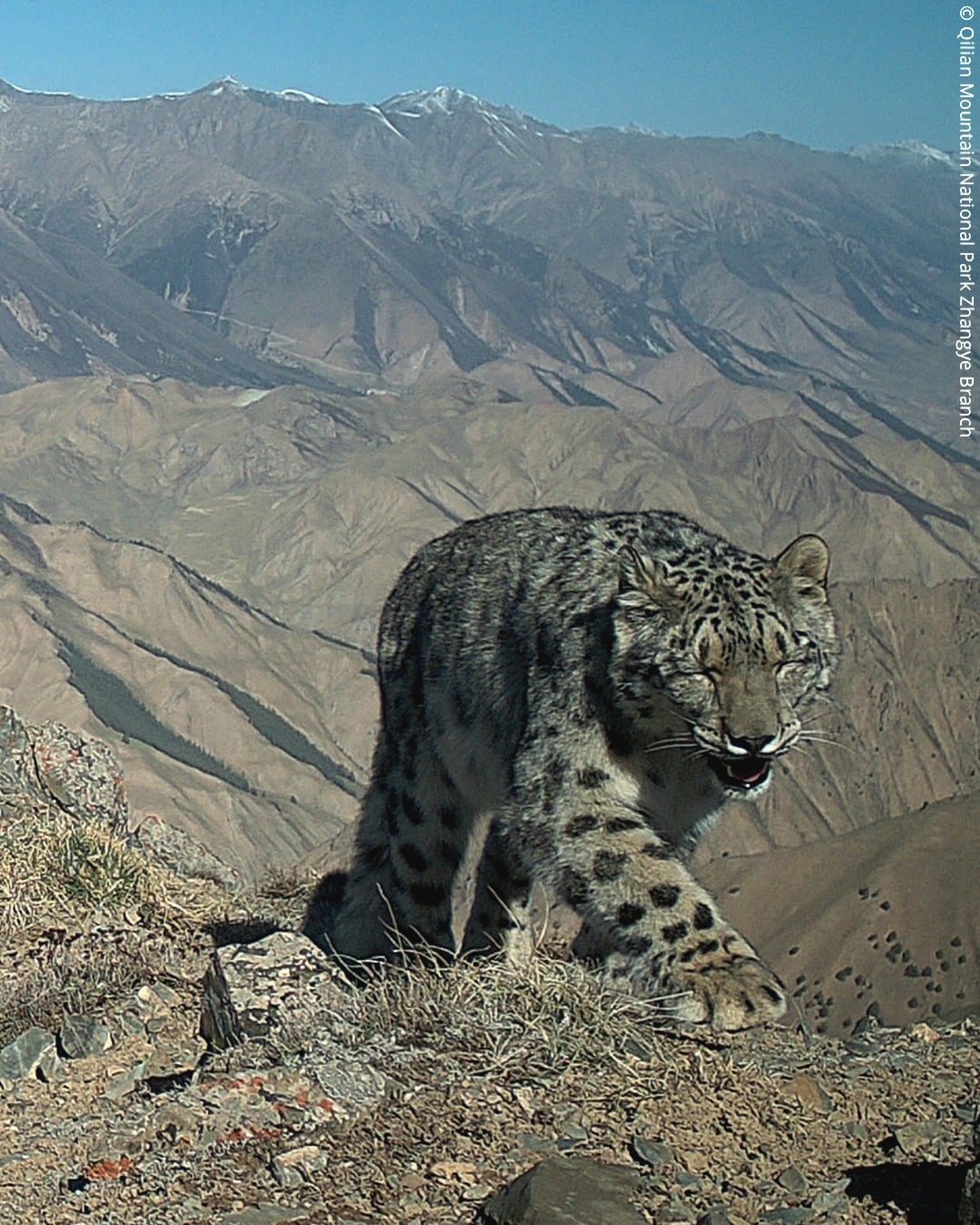
While the survey was very much focused on snow leopards, the camera also captured an impressive array of alpine animals, including lynxes, ibexes, red deer, Sichuan takin, wild dogs, and foxes.
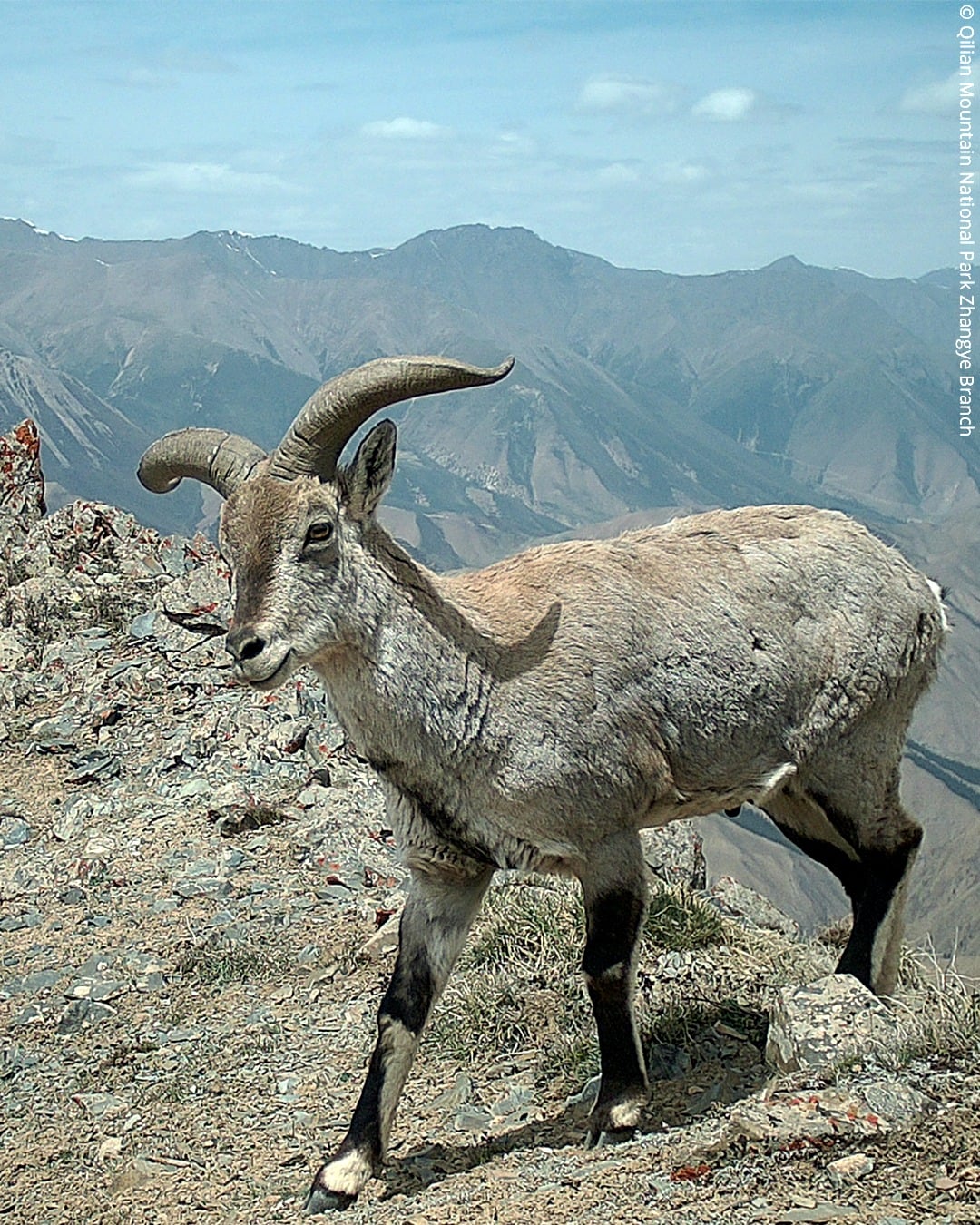
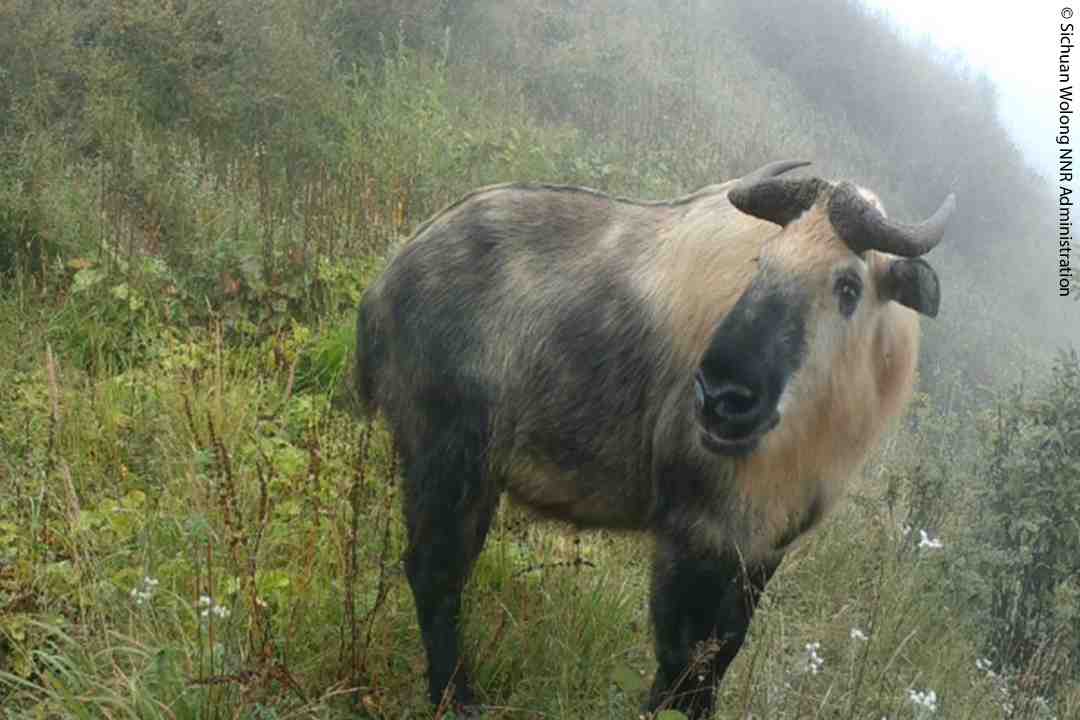
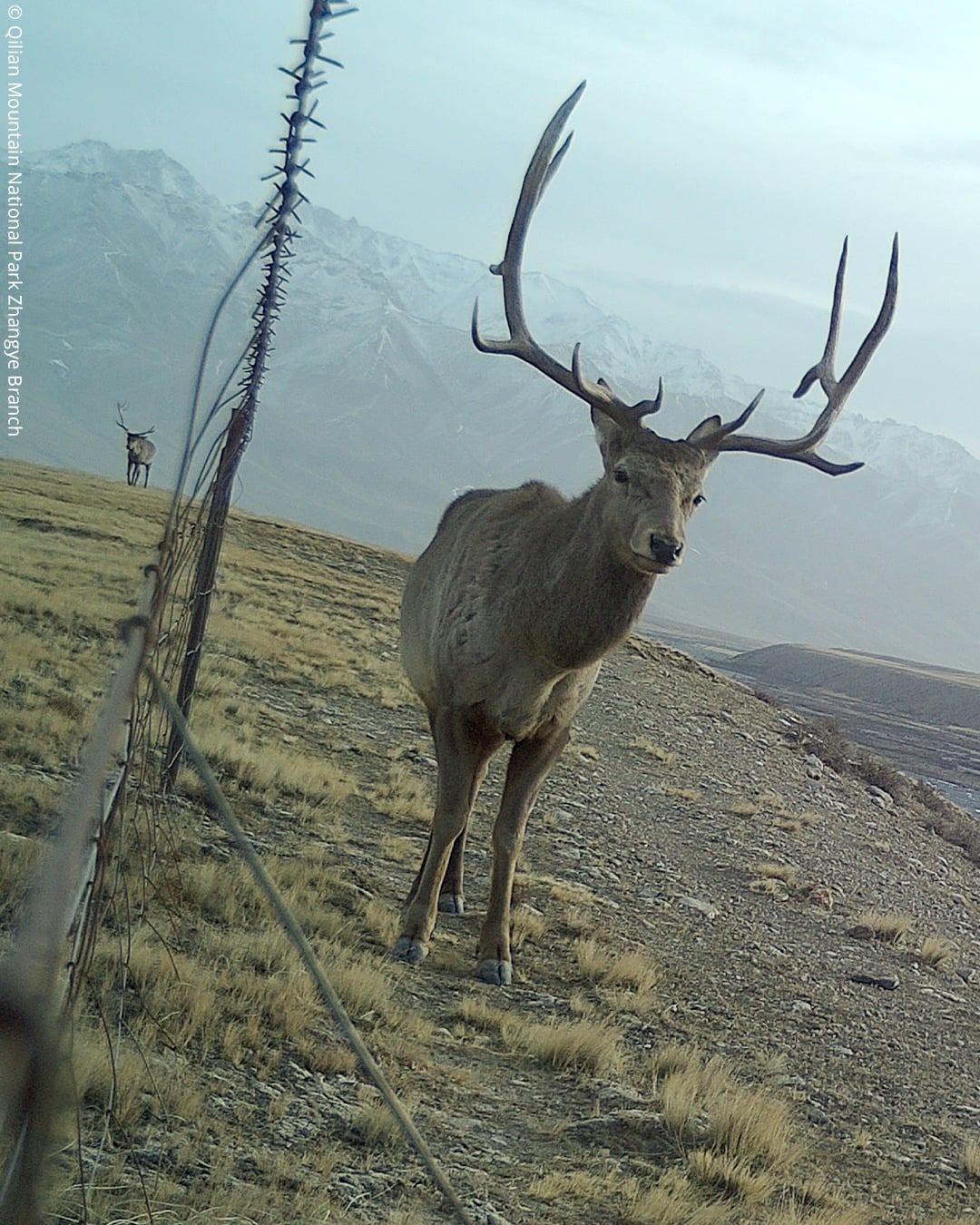
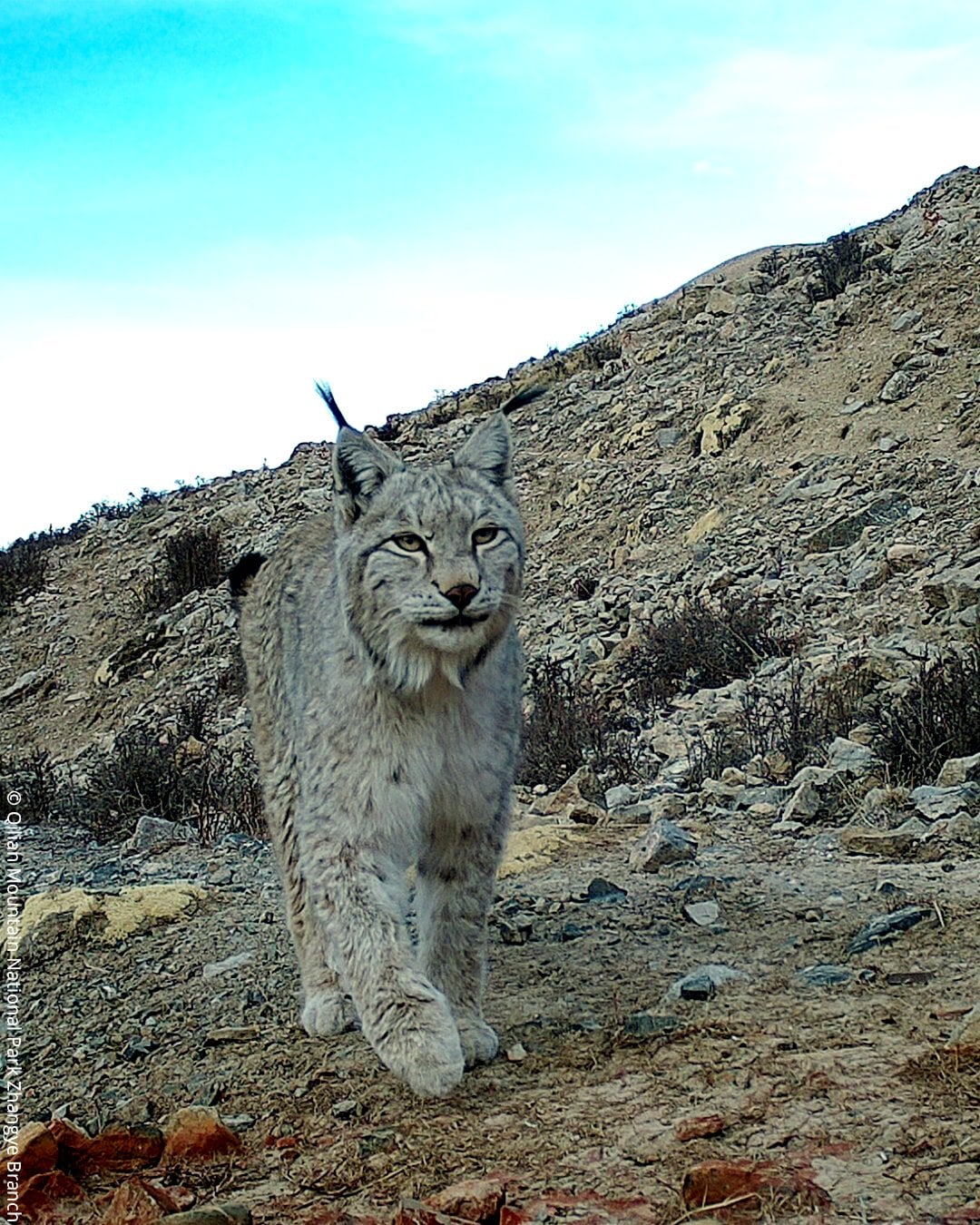
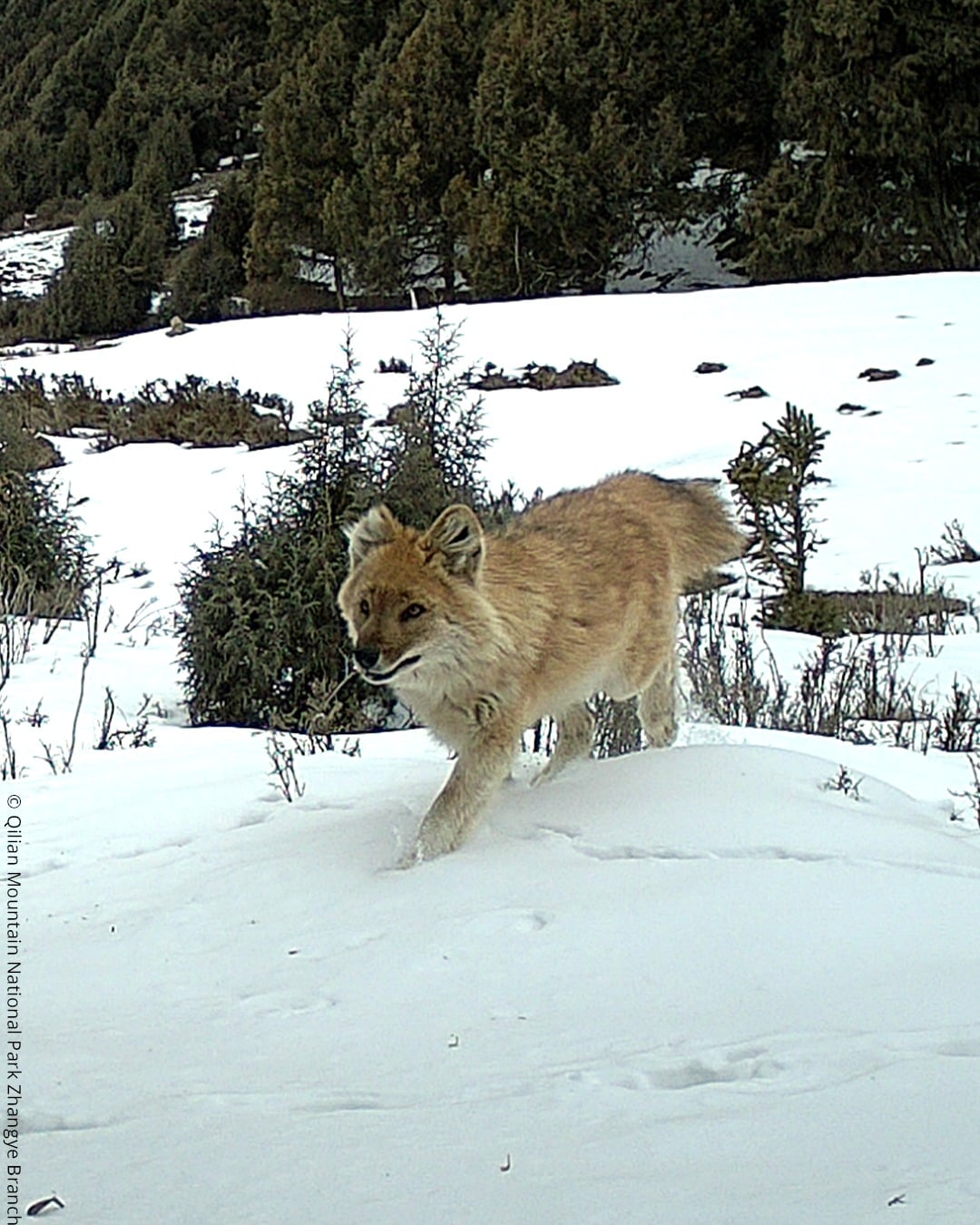
Digital Camera World reports that WWF’s network of cameras has captured over 600 photos of snow leopards, witnessing 157 different sightings. The passive infrared cameras can function in temperatures as low as -40 degrees Celsius (-40 degrees Fahrenheit). The data informs researchers about the population of one of the world’s largest big cats, which famously avoids humans.
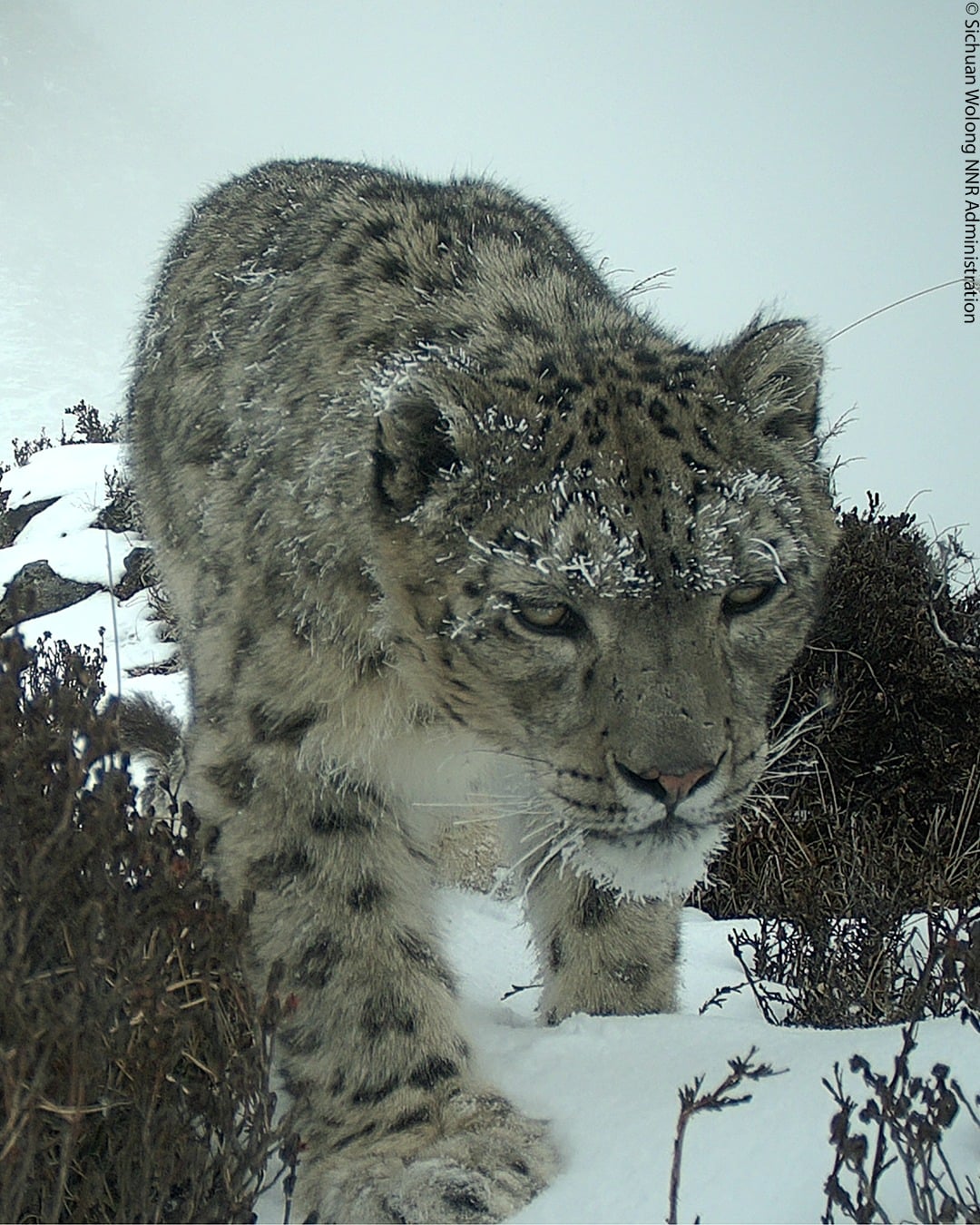
The WWF’s camera trap survey will shed more light on the snow leopard population, which is notoriously difficult to study. The WWF explains that the apex predator’s habitat range extends across the mountainous regions of 12 countries across Asia: Afghanistan, Bhutan, China, India, Kazakhstan, Kyrgyzstan, Mongolia, Nepal, Pakistan, Russia, Tajikistan, and Uzbekistan.
The total range covers an area of close to 772,204 square miles, with 60% of the habitat found in China. However, more than 70% of snow leopard habitat remains unexplored. Home range sizes can vary from 4.6 to 15.4 square miles in Nepal to over 193 square miles in Mongolia. The population density also has a dramatic range, from less than 0.1 to 10 or more individuals per 38.6 square miles, depending on prey densities and habitat quality.
Correction: An earlier version of this article referred to the snow leopard as the “world’s largest cat”. This was a typo and we apologize for the error.
Image creditsQilian Mountain National Park Zhangye Branch / Sichuan Wolong NNR Administration / WWF
Affiliate Disclosure PetaPixel articles may include affiliate links; we may earn a commission if you buy through one.