
Gen Z are Five Times More Likely to Have a Plan for Photos After Death
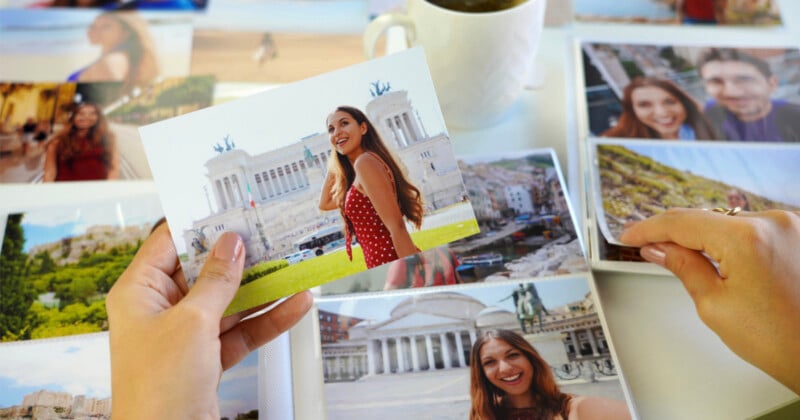
Generation Z are nearly five times more likely than their parents or grandparents to prepare their digital legacy and have a plan for their photos after they die, according to new research.
New research commissioned by memory curation platform Popsa has found that 75% of people in the U.K. have not made any arrangements for the photos stored on their phones after they die.
However, the study, commissioned by Popsa as part of its report The Memory Economy, also suggests that digital inheritance — once largely overlooked — is becoming more mainstream, particularly among younger generations. According to Popsa, almost 41% of Generation Z respondents say they have made arrangements for their photos, compared with just 9% of those aged over 55.
Popsa says the findings point to a clear generational divide, with Generation Z nearly five times more likely than older generations to think about what happens to their digital memories after death. It adds that for younger people, planning a digital legacy is increasingly seen as part of modern adulthood.
The report is based on a wider study of 8,000 consumers across the U.K., U.S., and Europe, looking at how people capture, value, and preserve memories in the digital age. It highlights the scale of personal photo storage today, with nearly half (47%) of respondents saying they store up to 20,000 photos on their phone at any one time.
Despite this, most people remain unprepared. Three-quarters of people in Britain have not made any arrangements for their photos, and only 11% say they have a clear, detailed plan in place. The research also points to the emotional importance of digital images. More than a third (37%) say they would prioritize saving a physical photo album if escaping a burning building. Meanwhile, 26% describe their photos as “deeply private, almost like a diary,” highlighting the role smartphones now play as a primary personal archive.
“Photos have become the most important record of our lives, sitting on the devices we carry with us every day,” Liam Houghton, founder and CEO of Popsa, says. “For younger generations especially, thinking about what happens to those memories is starting to feel normal.”
“We’re seeing the early signs of a behavioural shift. A quarter of Brits now have some kind of plan in place, and among Gen Z that rises to over 40%. Digital inheritance is beginning to form part of how people think about responsibility, legacy, and the stories they leave behind.”
Image creditsHeader photo licensed via Depositphotos.
Affiliate Disclosure PetaPixel articles may include affiliate links; we may earn a commission if you buy through one.