Before the Frame: A Filmmaker’s Approach to Street Photography
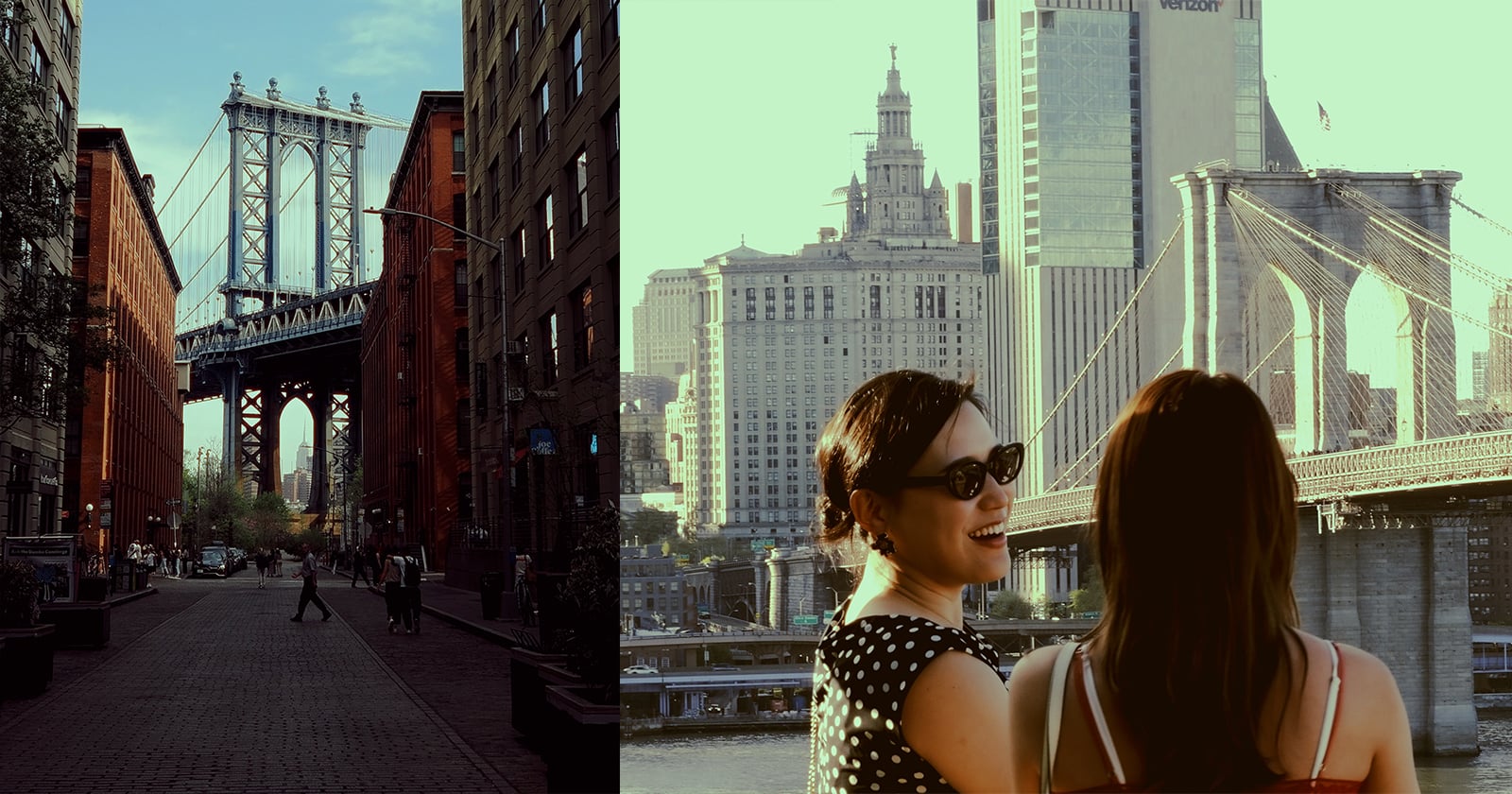
Six in the morning on the Brooklyn Bridge, and New York City is something it rarely is. It is quiet. Not empty, but quiet. Dan Aragon is standing on the walkway watching the light come up across the East River. The bridge holds a few early walkers, runners, and cyclists. A ferry is just starting to move on the water below. He has not raised the camera yet. He is still enjoying the silence.
Full disclosureThis article was brought to you by OM SYSTEM.
Download Dan Aragon’s custom Creative Recipe for the OM-3.
The Moment Before the Moment
Photographer and filmmaker Dan Aragon had pushed for the OM SYSTEM film crew to meet him on the Brooklyn Bridge before sunrise. Not for the scenery. For the pictures.
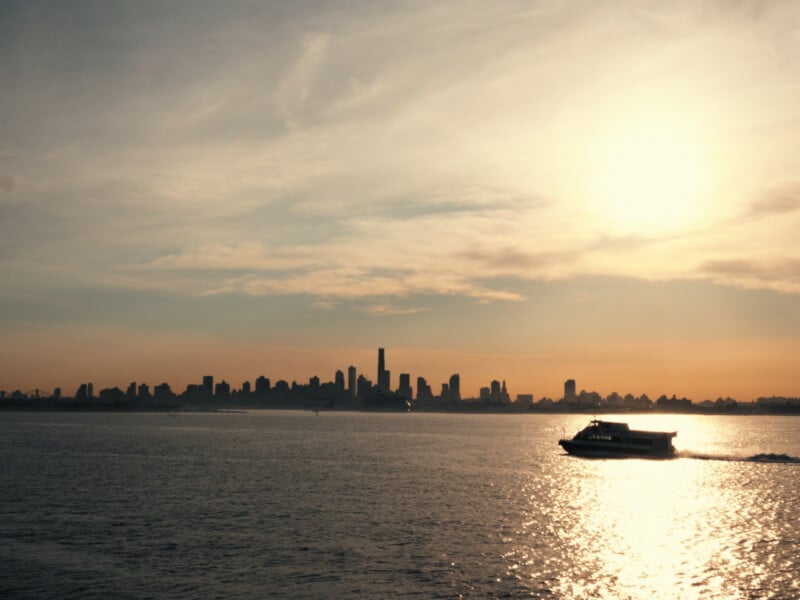
“The crew wanted to shoot the Brooklyn Bridge, but as anyone who lives in New York knows, the bridge is impossible to comfortably shoot by midday,” Aragon recalls. “We woke up at 5 AM, walked out into that quiet, and the bridge wasn’t empty but it wasn’t fighting us either. Right after, I took them on the ferry, because the ferry is only beautiful at sunrise or sunset. To get the best stories in New York, you have to commit to that hour.”
Once they were on the water, the city opened up before them.
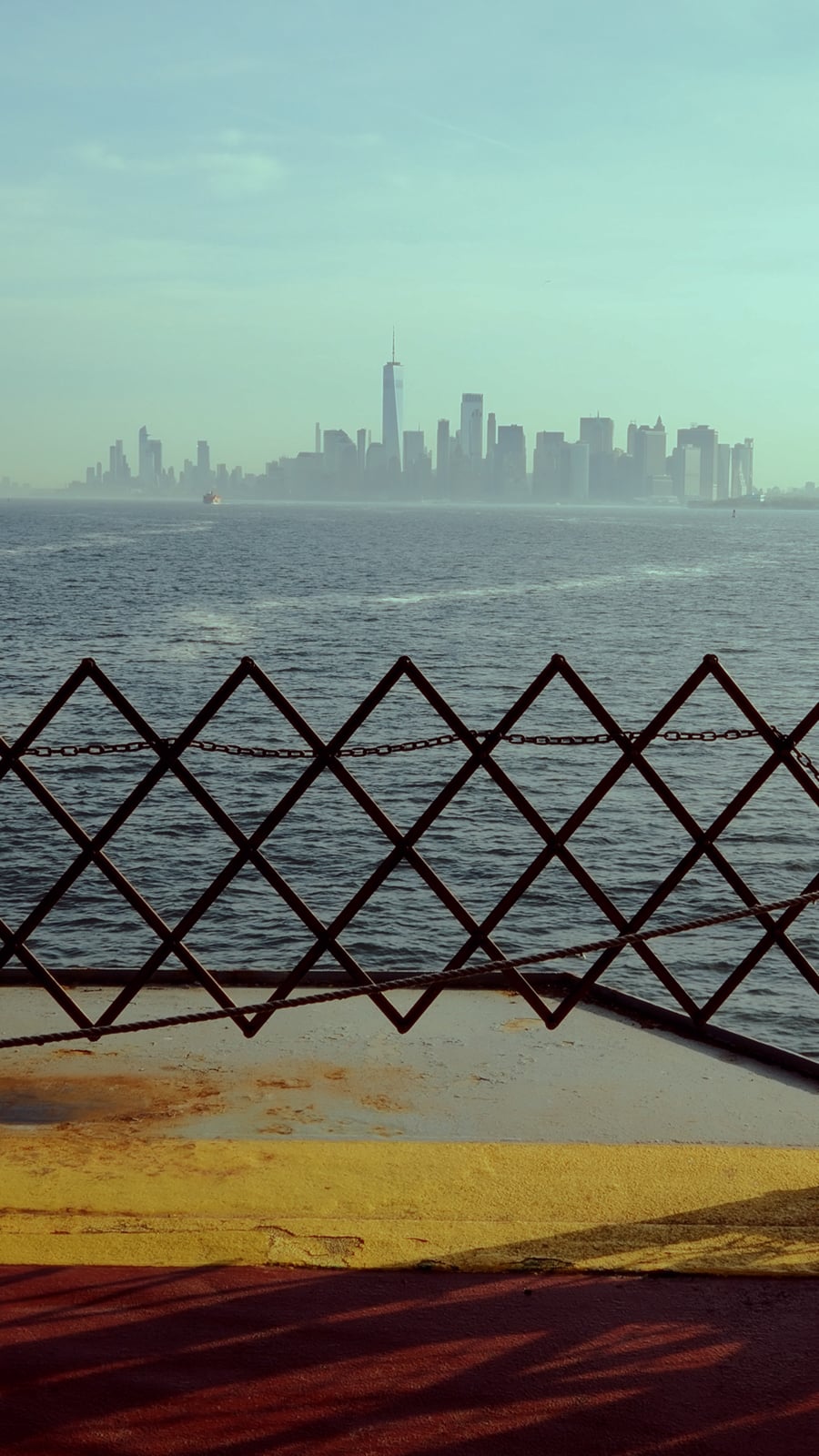
“The shots from the ferry are my favorite,” he says. “Approaching Manhattan, the city becomes bigger and bigger and bigger, and you’re just sitting there watching it grow. It feels like the start of a story, like the opening of a New York film. You arrive on the boat, and then you’re in the city.”
The film crew was following Aragon to document how he captures New York City through photos and video stories. The OM SYSTEM OM-3 stayed small enough to disappear in his hand or a jacket pocket. Aragon wanted it that way.
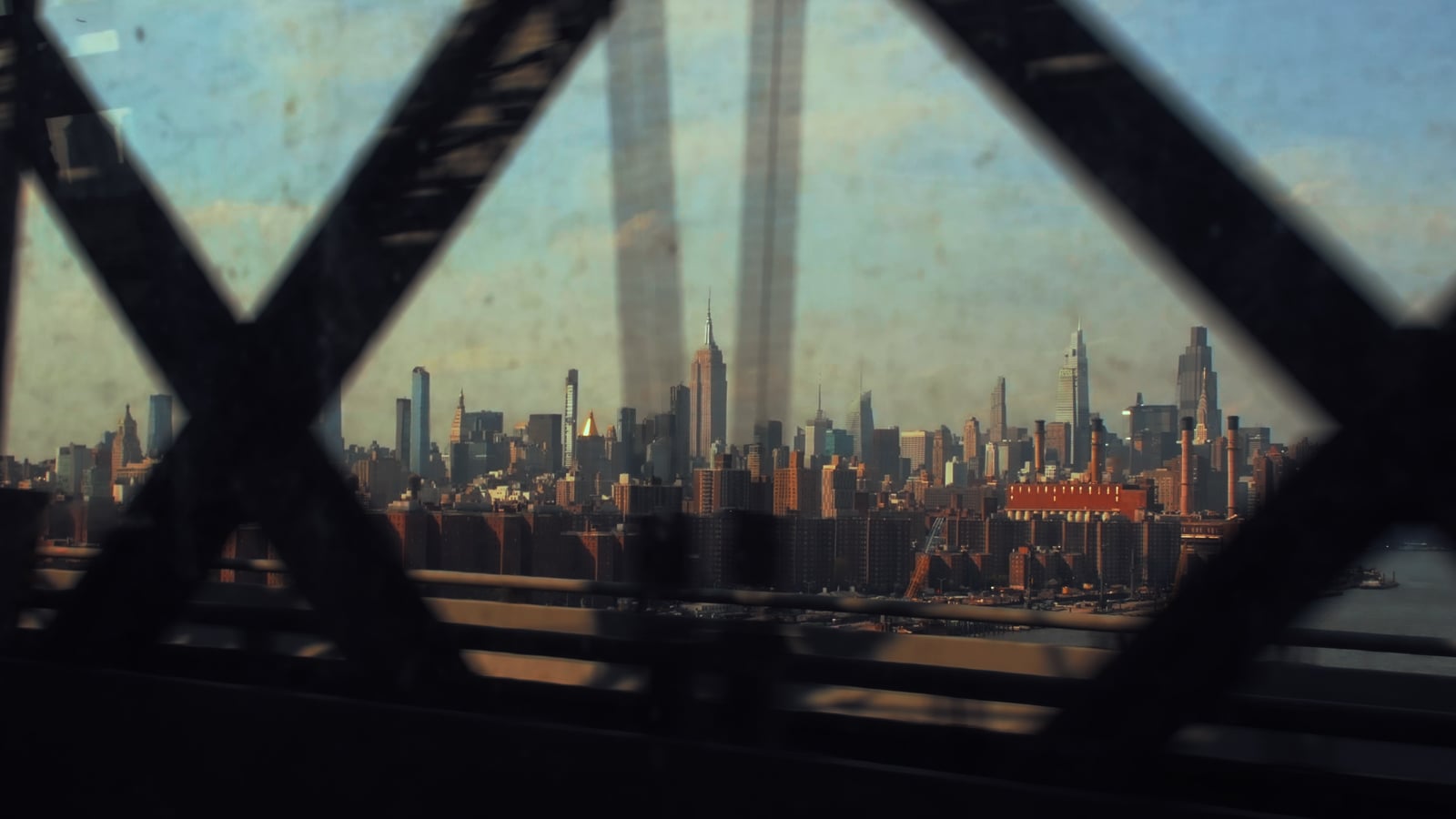
“When I’m photographing in the city, the most important thing is to be invisible,” he explains. “I don’t want to interrupt the flow. I hate carrying a backpack, so the camera that fits in my pocket is the camera that lets me actually pay attention. The OM-3 has that small, metal, original vintage feel, and people in the street don’t react to it. They think you’re a tourist, and that’s where you catch the real city.”
A Filmmaker’s Way of Walking
Aragon is a filmmaker, cinematographer, editor, and professional colorist whose commercial and narrative work has appeared on HBO, WarnerMedia, Discovery, and Disney.
“If you’re a cinematographer, you have to be a photographer. That’s step one in order to get to step two,” Aragon says. “I learned with film first, then digital, then once I was good at stills, I moved to cinematography. I never stopped doing photography. I still shoot every day.”
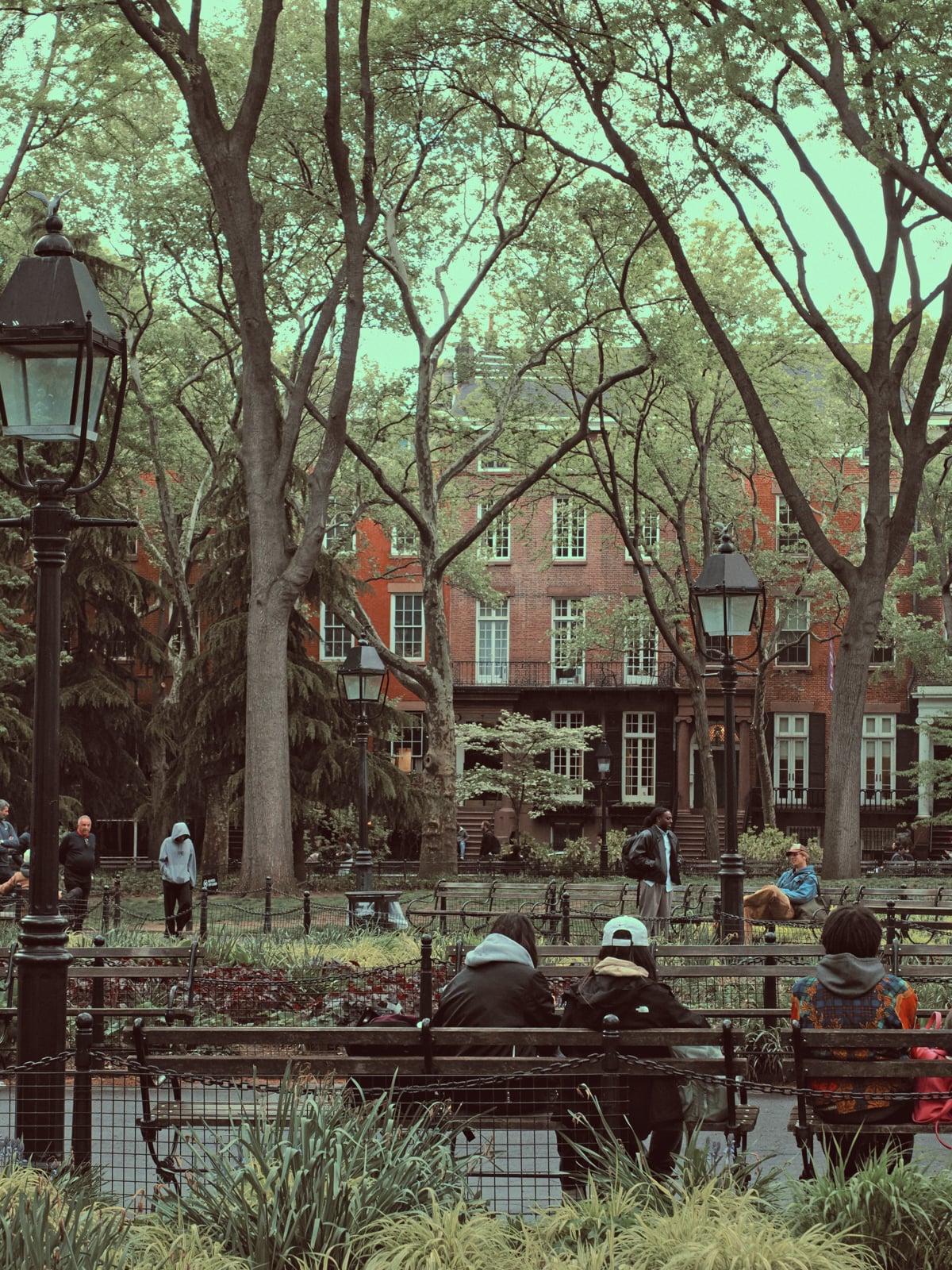
His influences read like a film school syllabus. Sebastião Salgado, Emmanuel Lubezki, Andrei Tarkovsky, Ingmar Bergman. Salgado is the most direct influence.
“What I admire about Salgado is that he didn’t shoot war zones from a helicopter,” Aragon continues. “He lived with the people he photographed. If they were experiencing hunger or sickness, he was experiencing it. He bled and suffered for those pictures because he thought they were worth it. I think he was right. Art requires a kind of sacrifice not everyone has the privilege or the bravery to make.”
The filmmaker’s mindset follows him into the street. He thinks in sequences, not isolated frames.
“Even when it comes to still photography, it’s very rare for me to present just one frame. There’s almost always a sequence. I believe in storytelling,” Aragon notes. “A single frame has to stand completely on its own for me to put it out alone. Otherwise, it lives with the others to tell a story.”
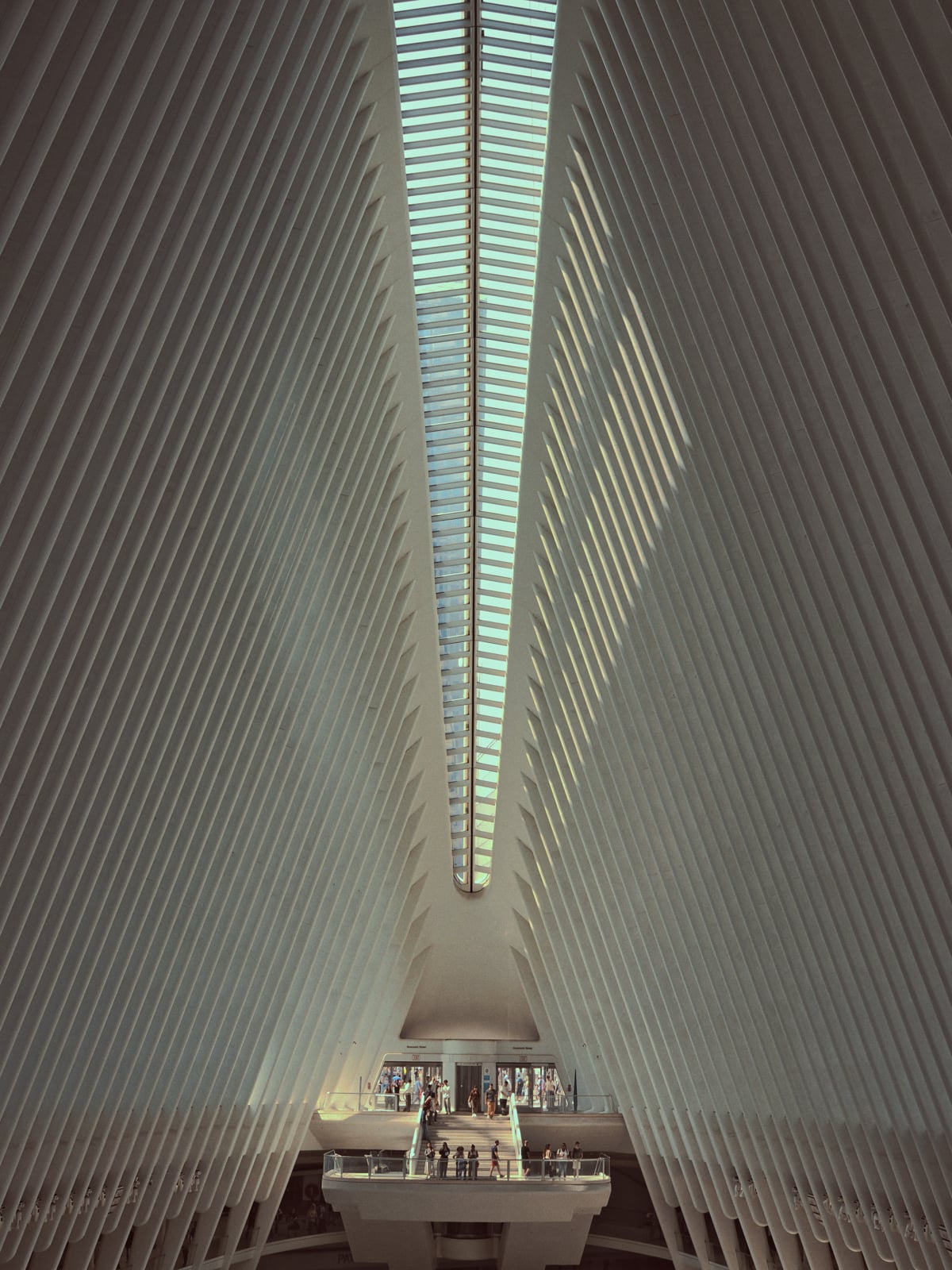
Even though Aragon has traveled the world, he kept coming back to New York City.
“I was fascinated by cities since I was very young,” Aragon reflects. “Watching anime, watching ‘Akira’ and ‘Blade Runner,’ all those massive futuristic cities. I wasn’t drawn to the cities visually, although they’re beautiful. I was drawn to the question of how so many people can live together in a crowded space. How they work with each other and against each other. To me, cities are monuments to humanity and the way we love each other and hate each other at the same time.”
The City Reveals Itself in Patterns
“I live my life in the same neighborhoods, so I know the streets like second nature,” Aragon explains. “I know which street corner gets light at five in the afternoon during spring. I know which subway station has the best colors and contrast. I know the day’s going to be flat because the sky is gray, or that tonight’s sunset is going to hit Williamsburg perfectly. None of that is about a camera. It’s about being in the city long enough to read it.”
That knowledge comes from repetition. He returns to the same blocks until small changes register.
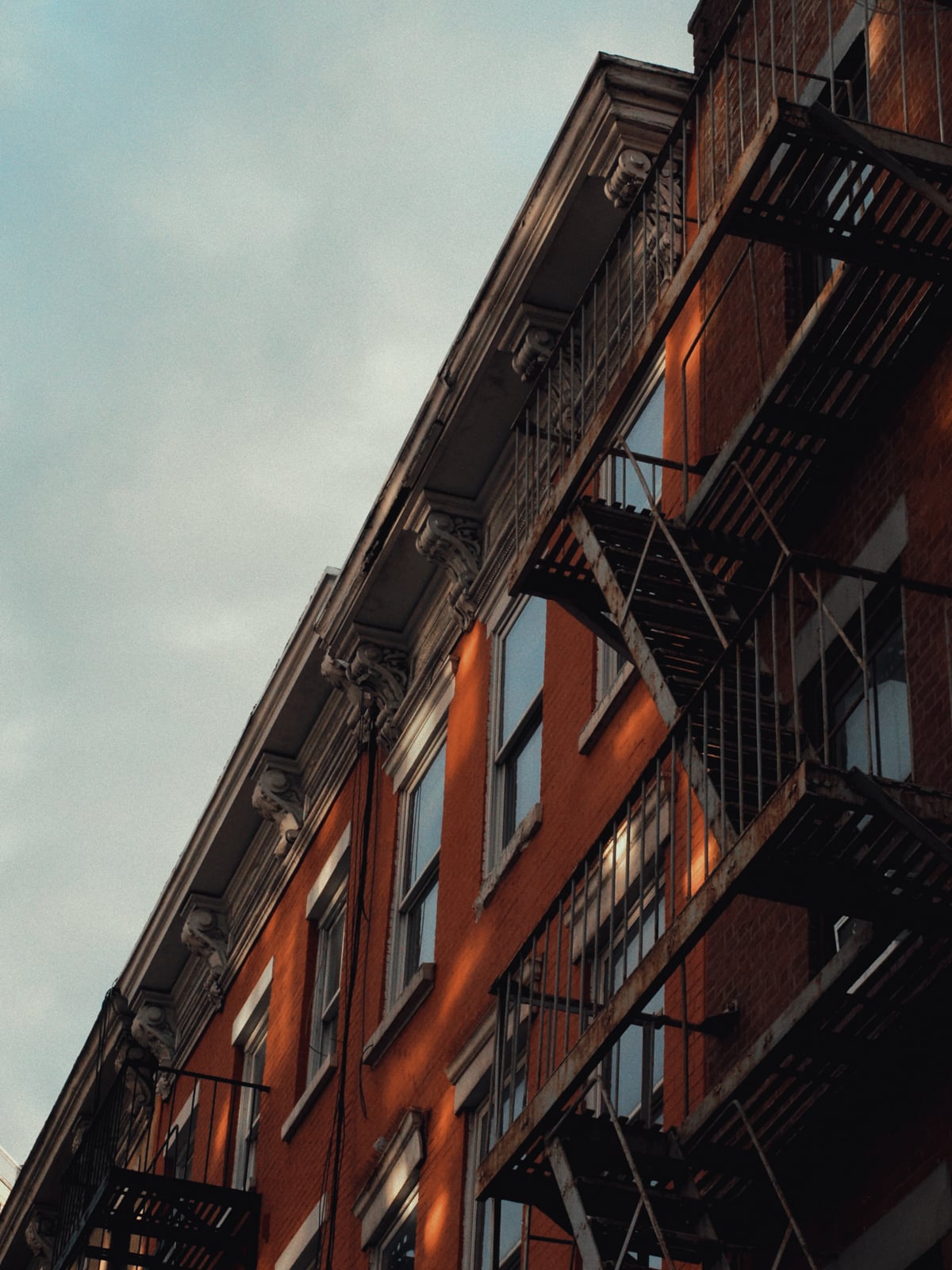
“There was an exercise a professor gave me in college. Take a picture of the same thing 100 times with different light and different angles. Do that, and you start to understand what’s actually beautiful about that subject, how it behaves, what matters about it. With a city, you do that exercise on a scale of years.”
New York gives him an unusual problem. The city is so recognizable that it can overpower the subject in the frame.
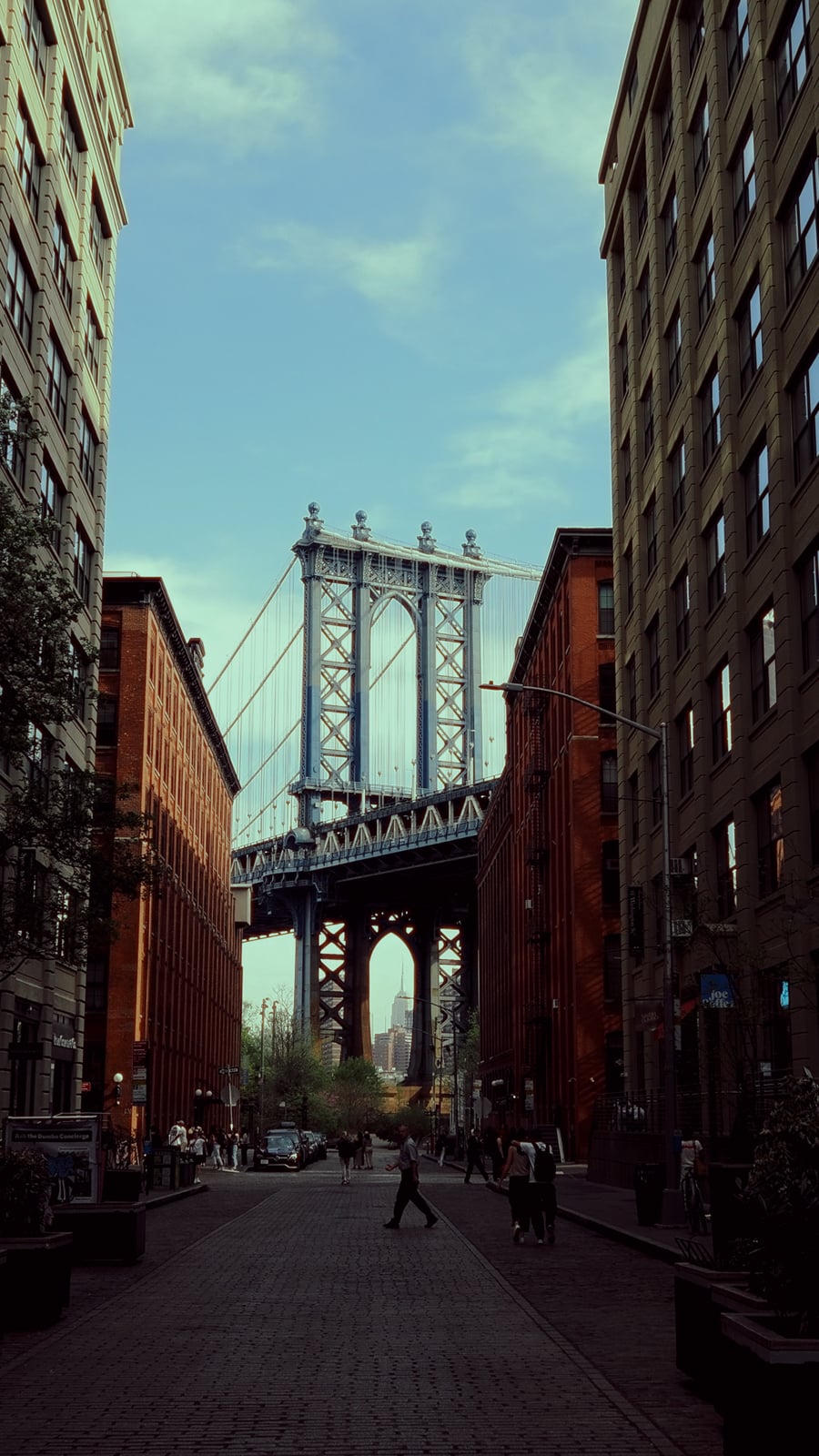
“New York is almost a cheat code for street photography. The streets are so iconic that even as backdrop, they pull attention. You can use that, or it’ll use you. You have to decide which one. I just lean into it.”
The city’s rhythm changes depending on the day and time. Aragon moves with it.
“The flow of the city changes with the hour,” he adds. “One in the afternoon on a Monday is slow. At five, the subway platform fills up because people are trying to get home. The last thing those people want is a flash in their face. So I move with what they’re doing, not against it. That’s just being in the city.”
Color as Observation, Not Decoration
Most photographers think about color in editing. Aragon thinks about it before he presses the shutter. He is a professional colorist, trained for the craft of grading footage, and that training reshapes how he reads a street.
“For me, coloring isn’t something to save for the editing,” he stresses. “It starts on the street. I already know what I’m looking for before I raise the camera. Bright colors against dark shadows, warm light hitting cold concrete. As a trained colorist, I stop seeing a city and start seeing light, contrast, and temperature. That’s what tells me when to shoot and when to keep walking.”
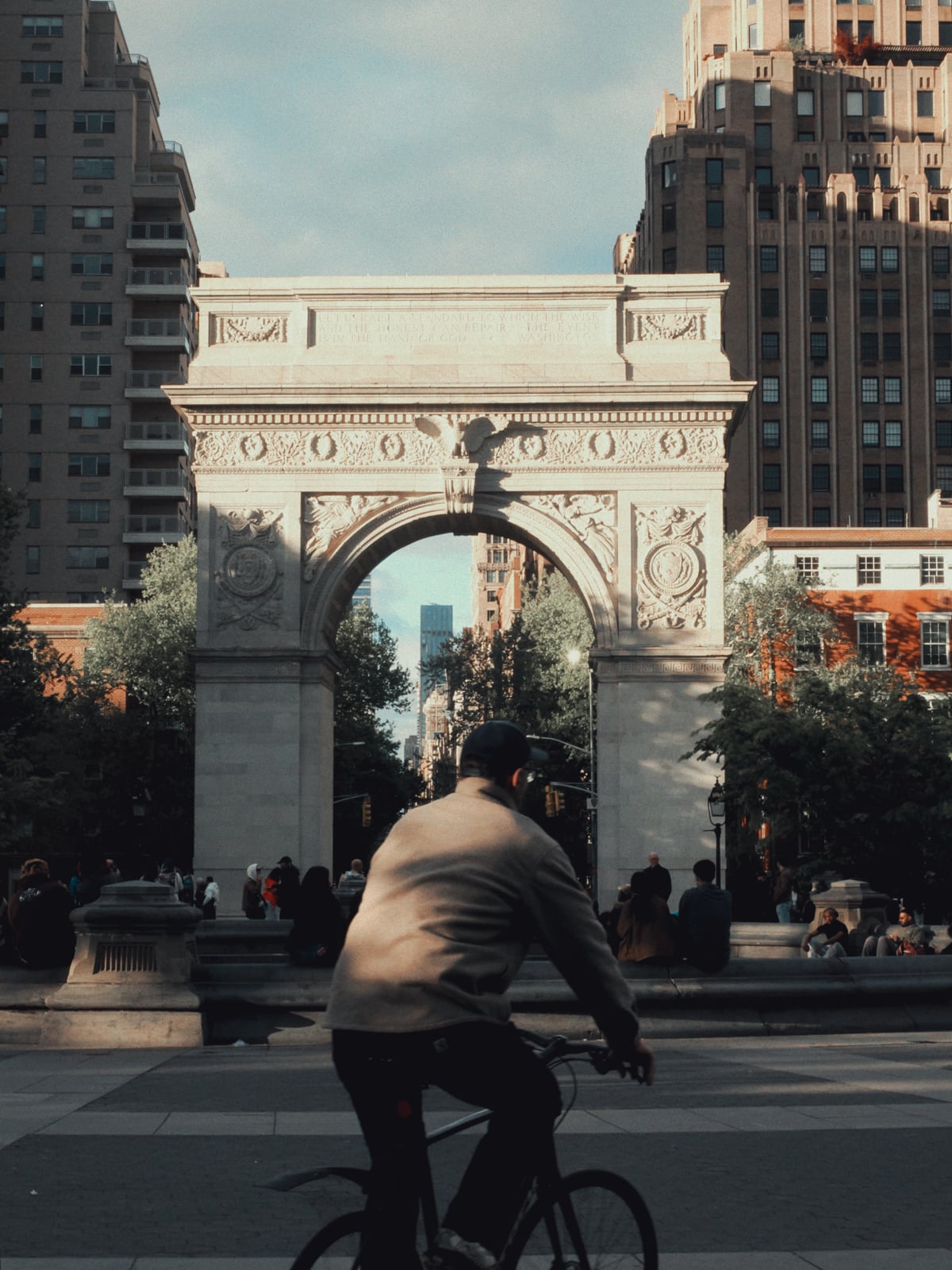
He learned to color grade his work because he did not want anyone else doing it for him.
“I know exactly the look I’m after,” he notes. “I’ve been developing it for years, based on my own taste, and I bring that same taste to a still picture in the city.”
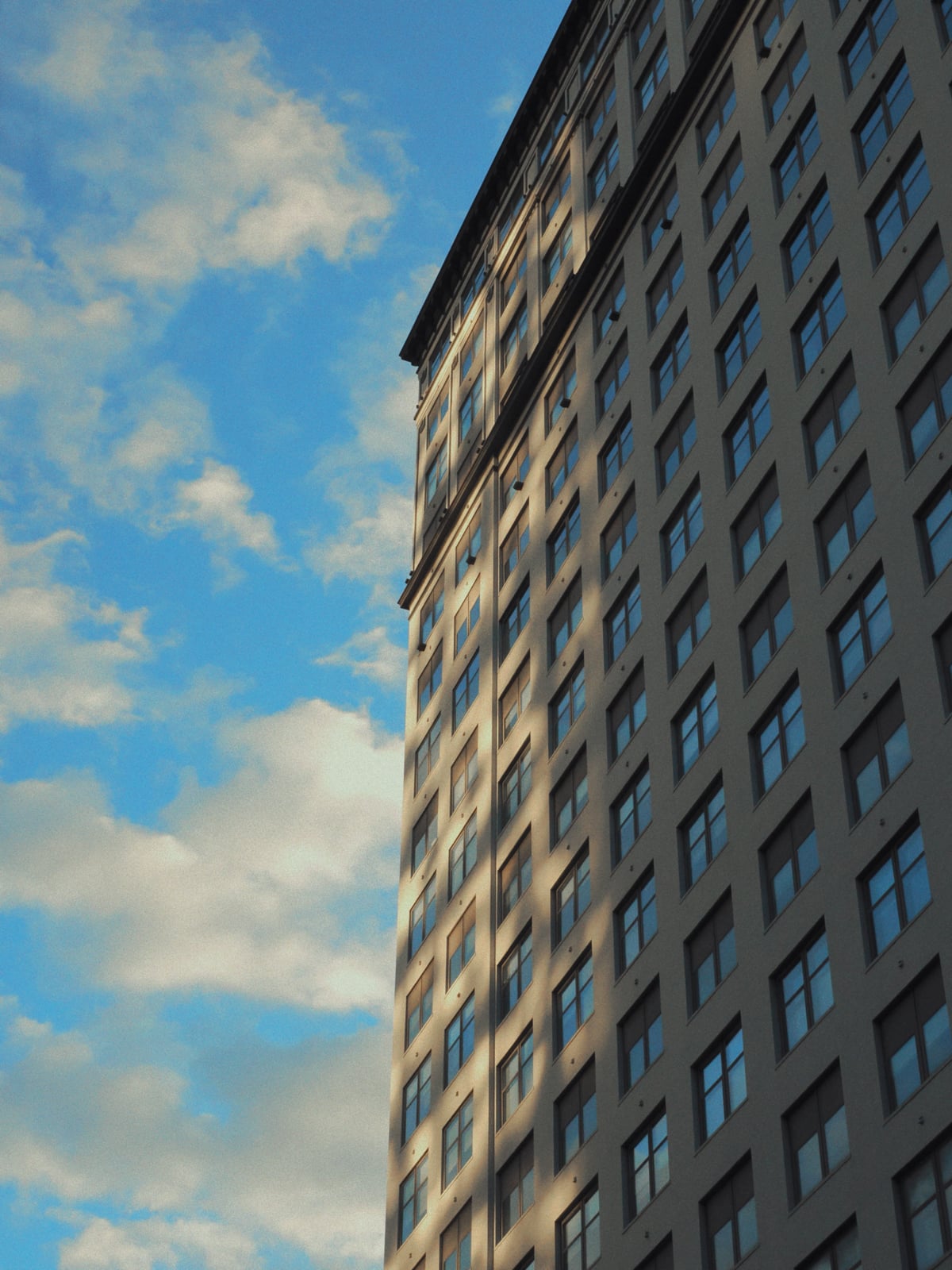
The OM-3 enabled Aragon to incorporate his style into the camera body itself. Its Creative Dial is a physical control that lets a photographer build and switch between custom color recipes without touching menus. A recipe is a preset color treatment applied to the captured JPG, but the RAW file is also saved for further editing.
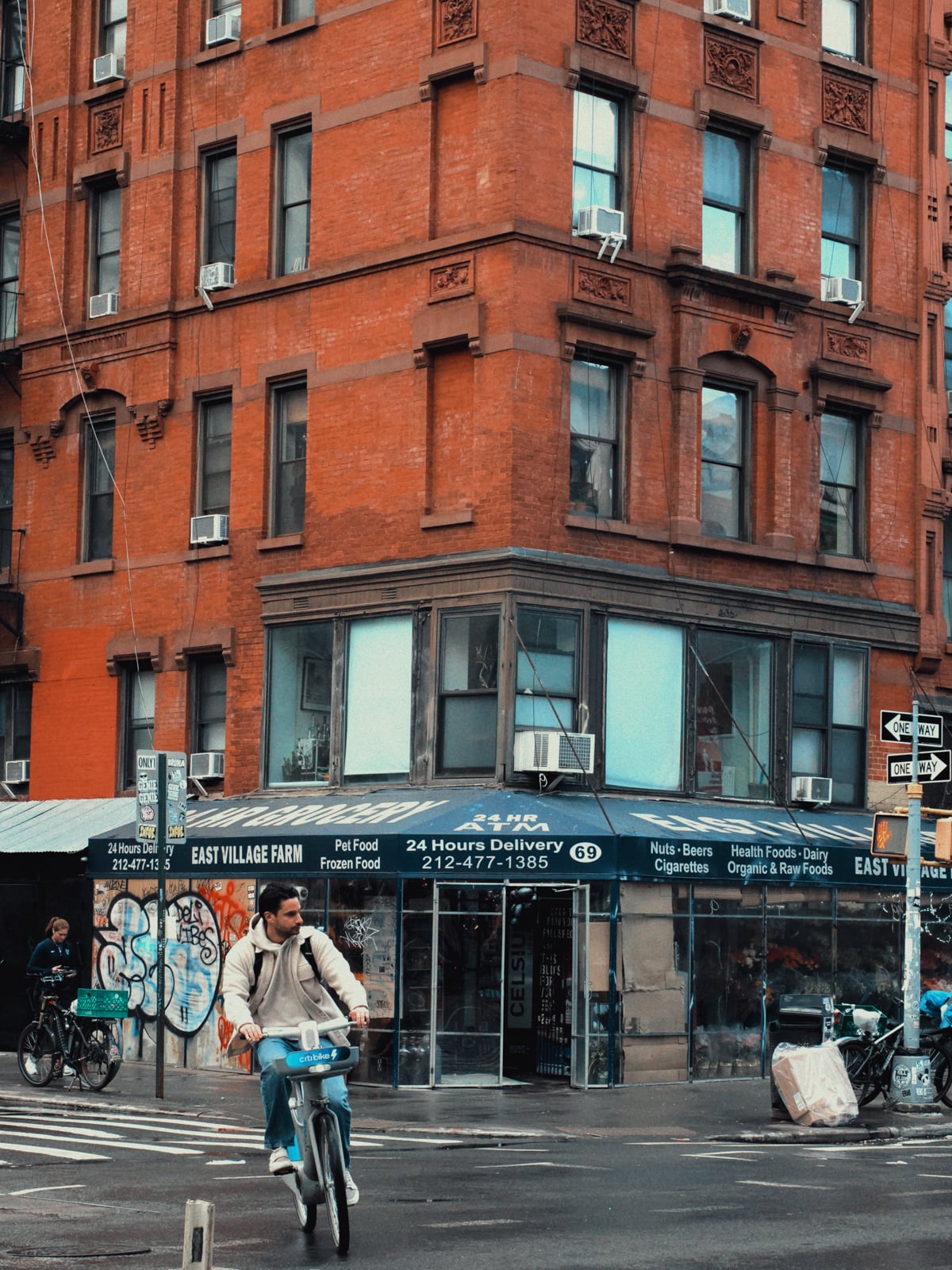
“I made my own recipe with the Creative Dial. Heavy saturation with strong blues so when there’s sky in the frame, it pops,” Aragon describes. “Reds are heavy too, because there’s red everywhere in New York. I built a division of two tones, warm and cool, and the camera just delivers it to me to see right away. I don’t have to think about it on the street.”

“When the light gets harsh at midday, I switch to my black-and-white recipe,” he continues. “There’s nothing but light and shadow, so color doesn’t add anything. On a cloudy day I go to the bleach bypass, which is less saturated, more gray, almost like a film treatment. It matches what the day actually feels like. As a colorist, I already know what works in what conditions. So I just match my camera to that.”
“I love color because it adds another layer of narrative,” Aragon insists. “It’s not better or worse than black-and-white, that has its own place. But for me, color is a way to talk about what I felt about a place. It’s not decoration. It’s the emotional temperature of the picture.”
When the City Gets Difficult
Urban shooting is rarely cooperative. Light, crowds, and timing all push back. Aragon does not treat difficulty as something to endure but as something to plan around.
“If you really want to make pictures that matter, it can’t be easy,” Aragon stresses. “You can’t just go about your day and expect the city to hand you something. You have to plan, and you have to be willing to lose a night of sleep. Otherwise you’re just hoping. And hoping isn’t a process.”
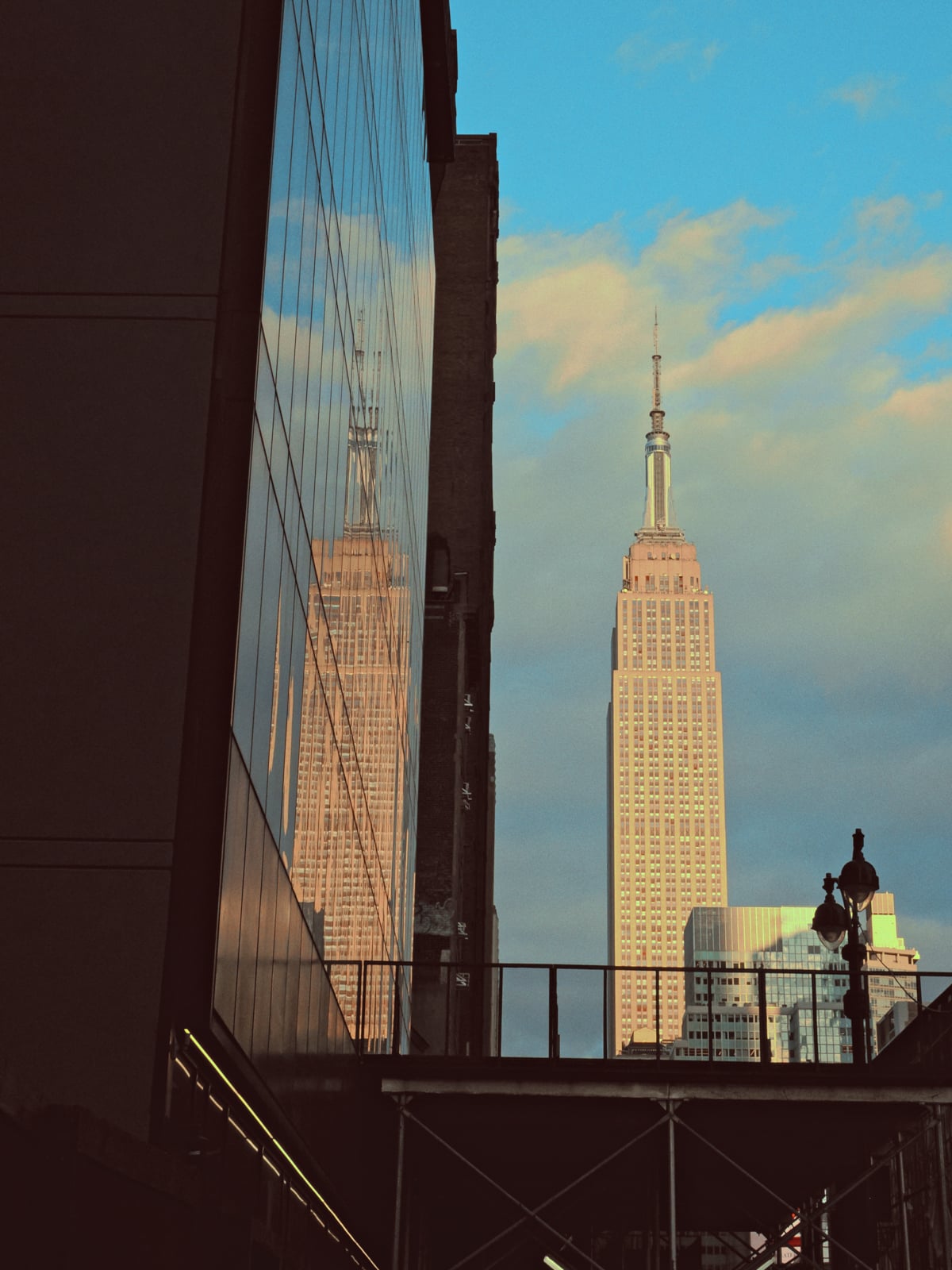
That commitment to planning drove the sunrise decisions when filming with OM SYSTEM. The bridge and ferry shots from that morning happened because the crew was on location before dawn, not because the city cooperated.
“Sunsets are easy. Sunrises are a commitment. That made the morning on the bridge and the ferry the most special part of the whole project,” Aragon recalls.
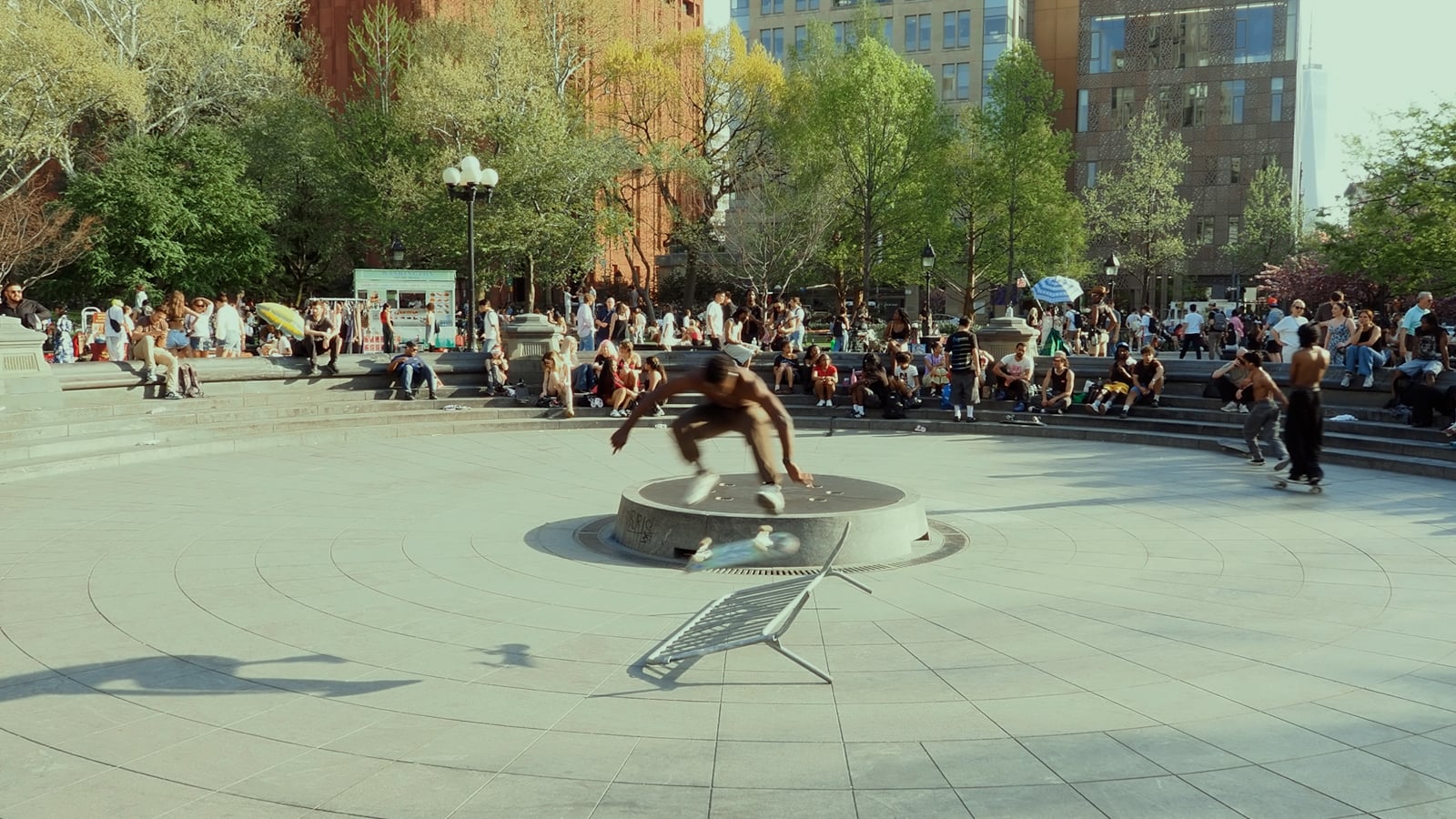
A long exposure in street photography typically requires attaching a neutral density filter to the lens to slow the shutter speed. The OM-3’s Live ND mode does it computationally. It takes multiple exposures and combines them inside the camera to create the same motion blur effect without a filter.
“I used Live ND on a few street scenes where I wanted motion blur,” Aragon describes. “The camera handles the long exposure internally, and I can see exactly what I’m getting before I commit. That’s the kind of technology I appreciate. It doesn’t slow me down or add gear to my pockets. It just gives me the creative shot that I’m after.”
Video from a moving platform is harder to fix. Camera shake that barely shows in a still photograph becomes constant jitter in footage. The traditional solution is a motorized stabilizer called a gimbal. The OM-3’s in-body image stabilization handles that shake without the extra hardware.
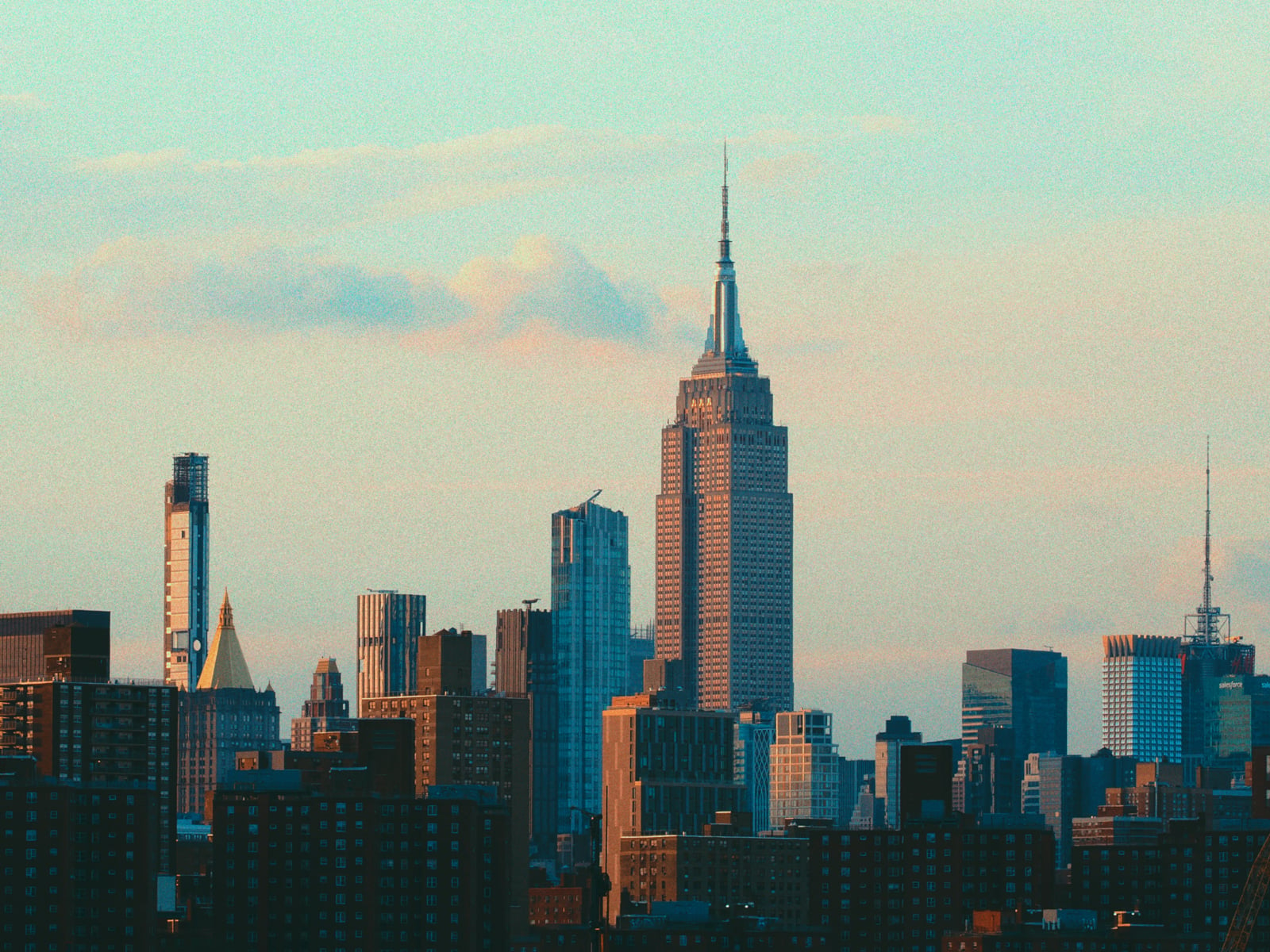
“I was shooting video on the ferry that morning, and the deck was moving the whole time,” Aragon recalls. “You feel it in your feet, you know it is going to show up in the footage. But when I watched the clips back, they were clean. The stabilization just took care of it. On a bigger production I would have had a gimbal for that. With the OM-3 it was just me holding the camera.”
There are other days he loses to crowds entirely. He has learned not to try to force it.
“Manhattan on a weekend is impossible,” Aragon acknowledges. “I avoid it. Not because I can’t shoot through a crowd, but because the kind of pictures I’m looking for need a quieter beat under them. I’d rather shoot on a Tuesday afternoon in a drizzle, when the city is doing its thing without trying.”
His lens kit matches the philosophy. The M.Zuiko Digital ED 12-40mm F2.8 PRO II zoom covers wide to short portrait lengths in a single lens. One body and one lens give him the range to cover a full day of walking without switching glass.
For quieter, closer work, he reaches for the M.Zuiko Digital ED 20mm F1.4 PRO. The prime gives a 40mm equivalent field of view and forces him to step toward his subject instead of zooming in from a distance.
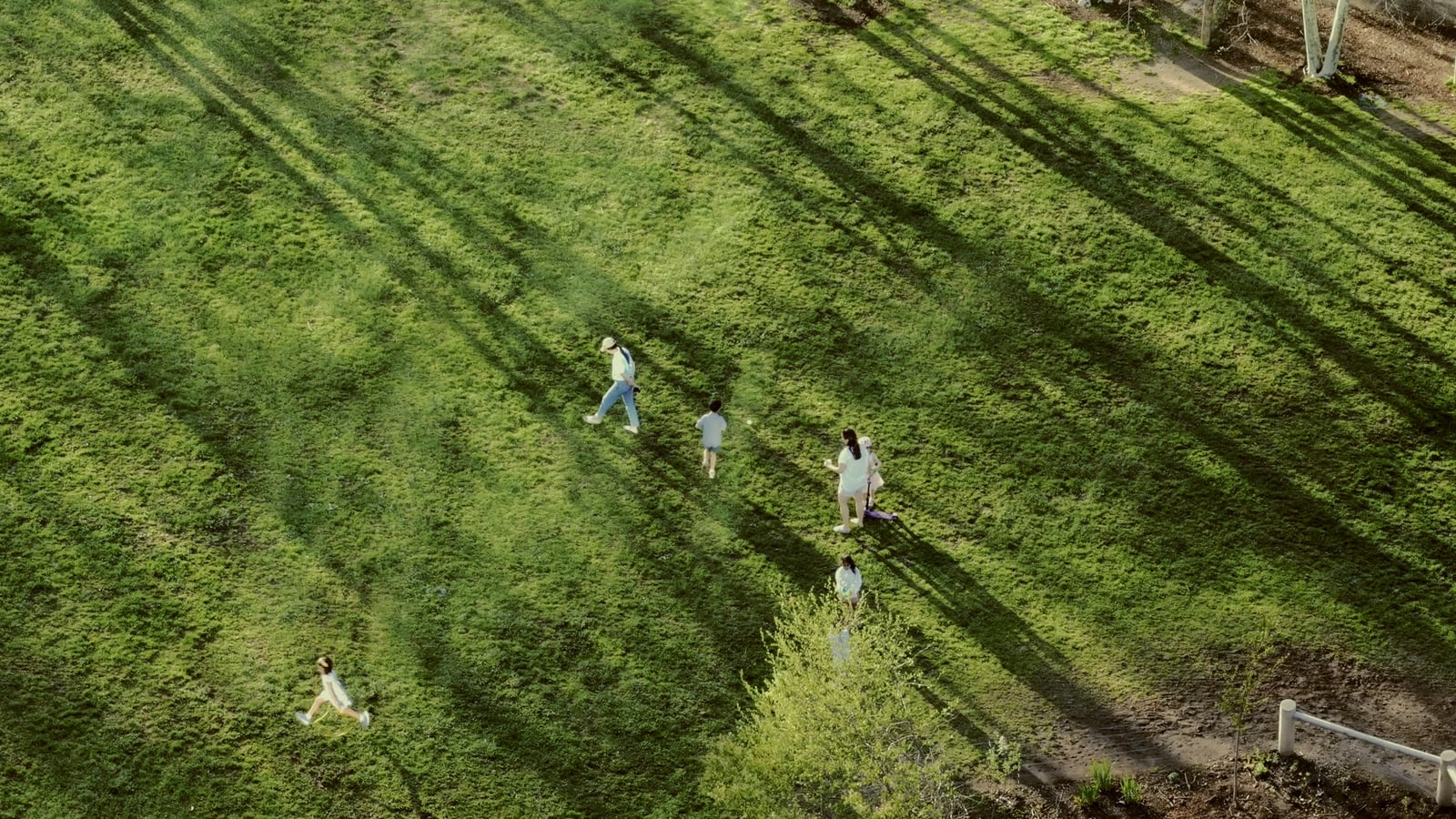
“The whole point is to keep the kit small enough that I forget about it,” Aragon says. “One body, one or two lenses, and I’m just walking. The second I start thinking about gear, I stop seeing the city.”
The Difference Between a Snapshot and a Story
“I’m not trying to hide my intentions and take photos of subjects from a distance,” Aragon cautions. “It’s the opposite. I want people to not feel uncomfortable about what I’m doing. I’m not going to represent them in a bad light. There are pictures I’ve taken that I’ve never posted because I look at them again and think, no, this isn’t the right thing to share. It’s a matter of common sense and respect.”
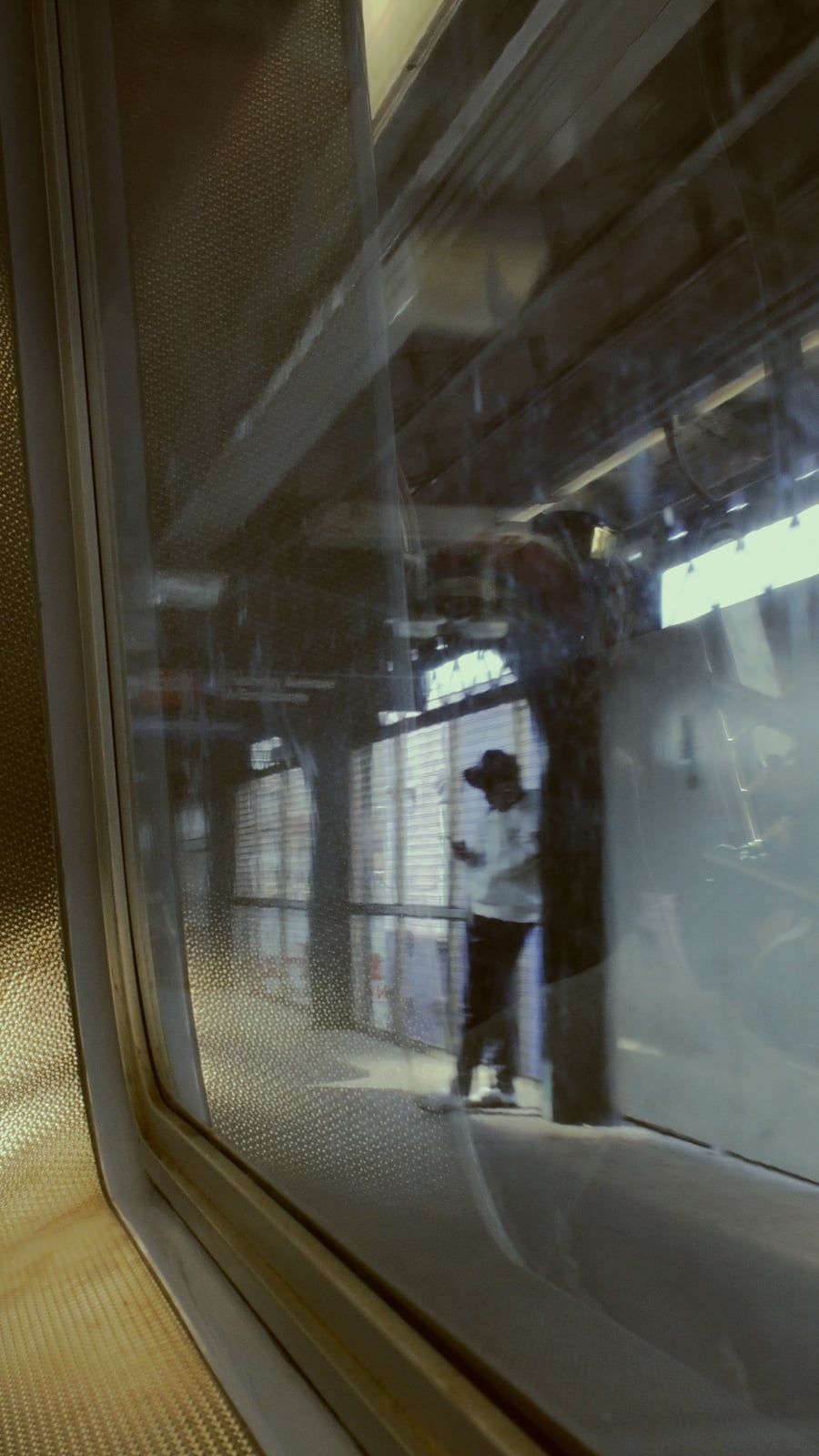
The ethics start with proximity. On a busy sidewalk, someone spotting a camera has to decide whether to ignore it, avoid it, or confront it. Aragon prefers not to put them in that position. “A street photograph should not make someone manage the photographer’s presence,” he explains. “On busy sidewalks and subway platforms, people are already managing the city around them, they shouldn’t have to worry about the guy 50 feet away with a giant lens.”
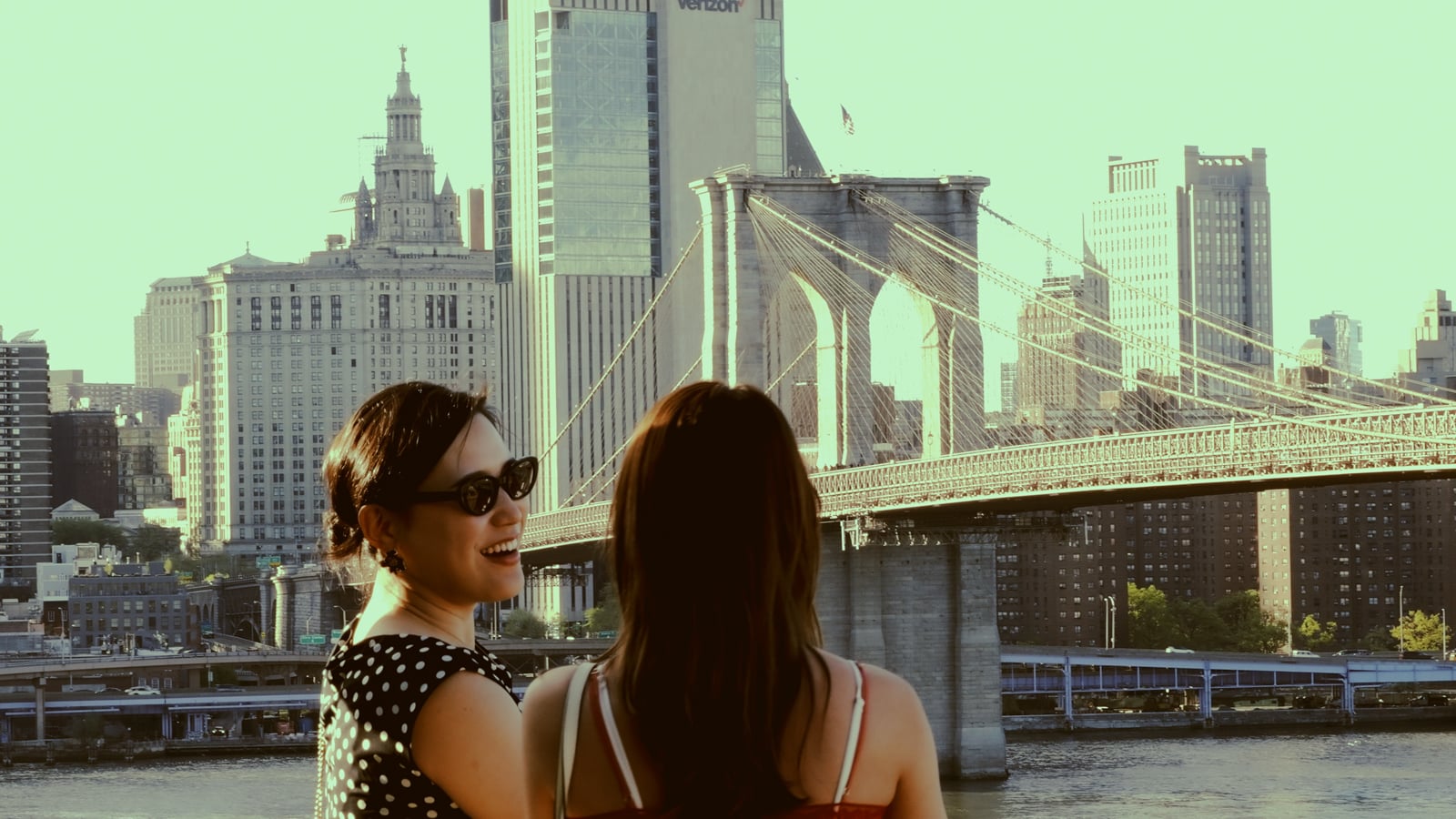
“I don’t hide in a bush,” he continues. “People see me. Some of them have even recognized me as the guy always walking around with a camera. Invisibility isn’t about disappearing. It’s about not disrupting. The flow stays in motion, and I stay inside it.”
He has lines he does not soften.
“I have rules. I don’t photograph kids. I’m respectful of my environment and the people in it. Sometimes I lift the camera and don’t press the button because I think, no, this moment isn’t mine to take.”
The restraint shapes what he shows, not only what he takes. What he holds back is what gives the viewer something to wonder about.
“A snapshot tells you what happened. A story makes you wonder what was happening before, and what’s about to. I never want my pictures to be obvious. I want you to do half the work. The frame I leave you with is the start of something, not the end of it.”
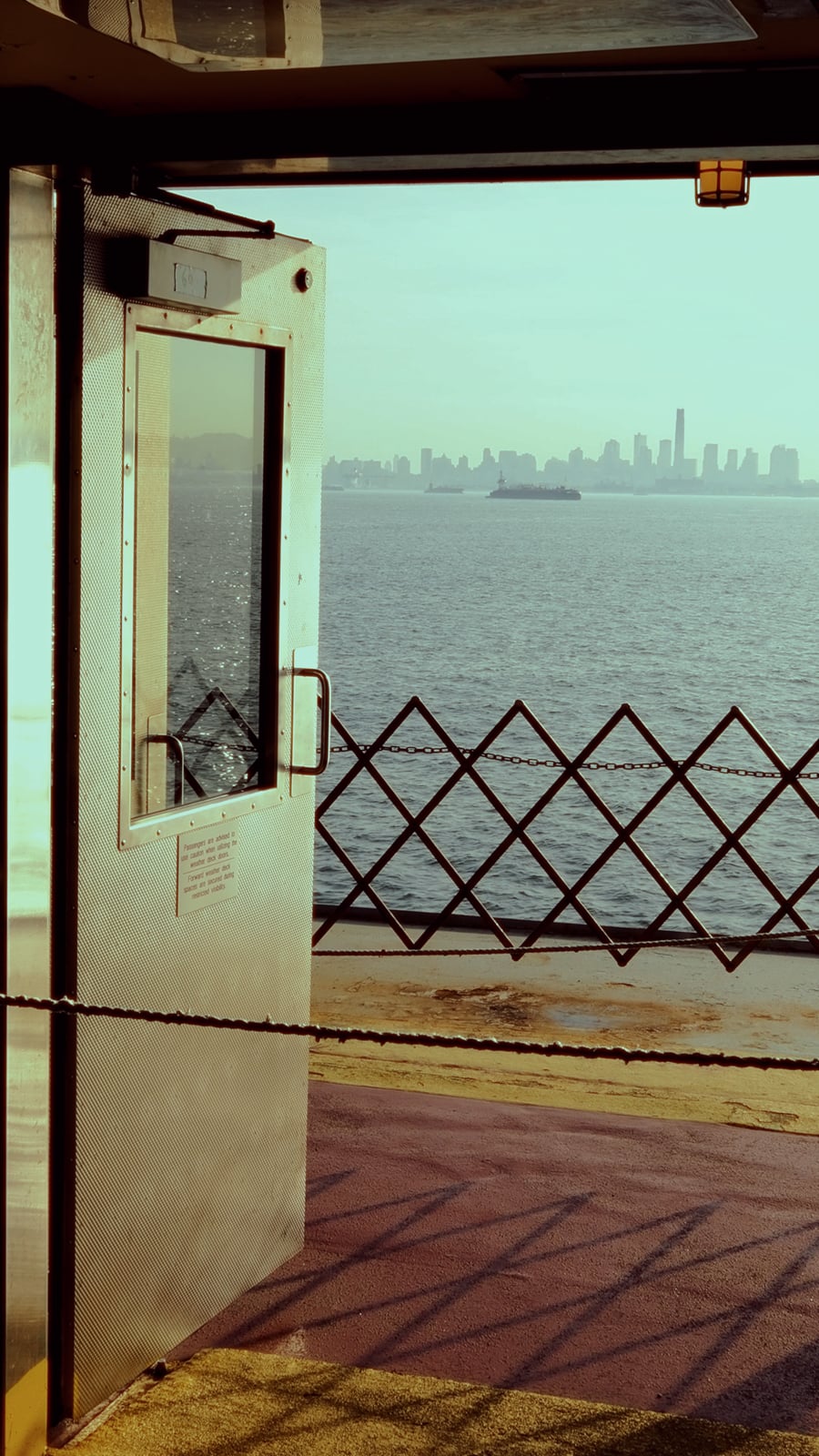
His ferry pictures from the project work the same way. The viewer arrives on the water, just as Aragon did.
“I don’t want the story to be too obvious. The ferry pictures work for me because I can start the feeling, but I like when the viewer finishes the story.”
Walking Slower Through the Same City
Aragon’s advice to other street photographers starts with originality. “Don’t try to do anyone else’s work. Find your own story, and your own style follows. If you take a picture of the Empire State Building, you’ve made one more picture of the Empire State. But if it lives inside your own narrative, it can mean something completely different.”
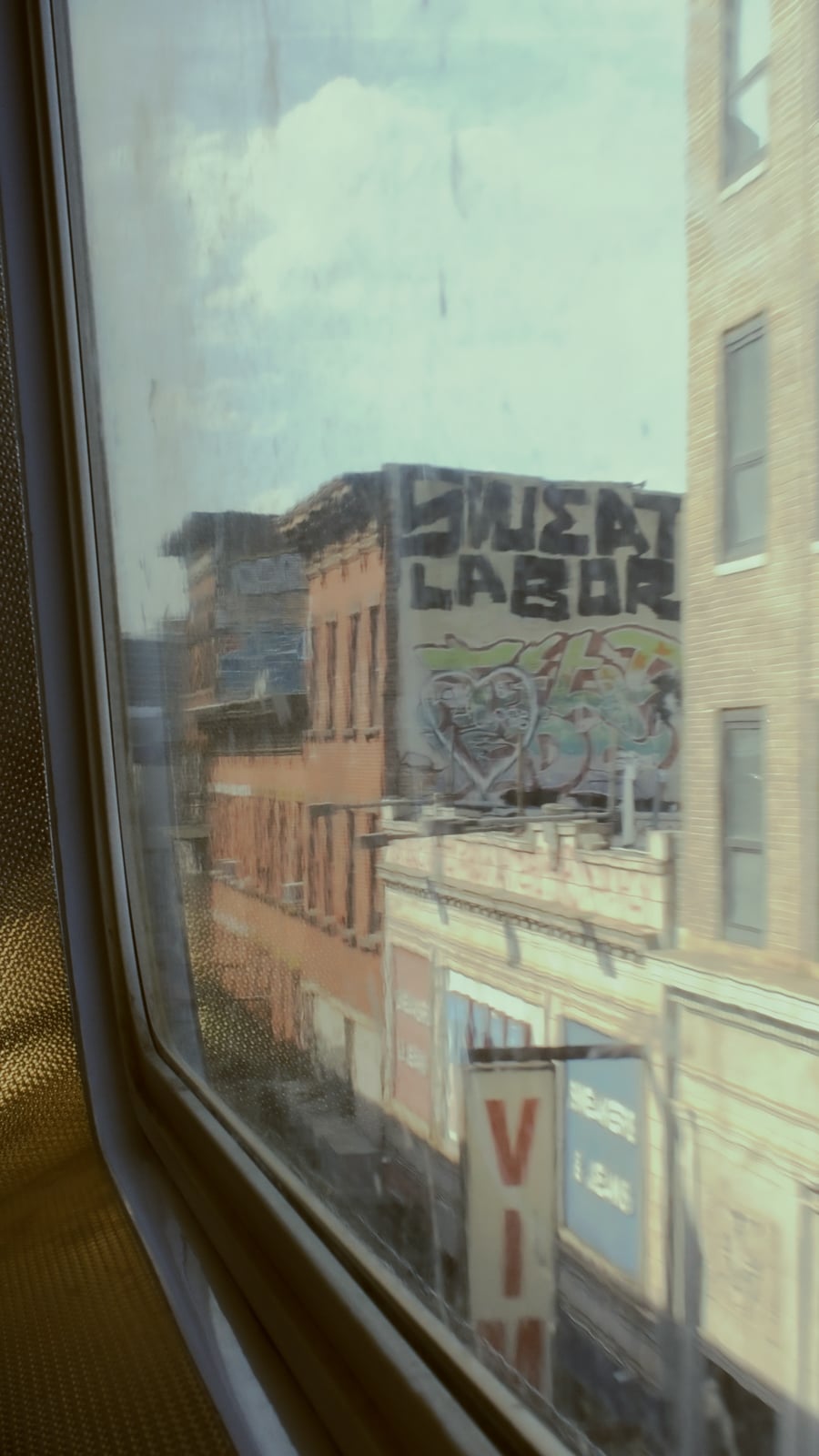
He has watched photographers chase unfamiliar subjects in unfamiliar places and come home with work that looks like everyone else’s.
“The most powerful work is personal. Tell stories about the things you know,” he advises. “That’s where you’re going to be best, because you actually know what you’re talking about and you are passionate about it. And if you don’t have a story yet, go find one. Travel somewhere. Meet someone. The camera can be the ticket you need.”
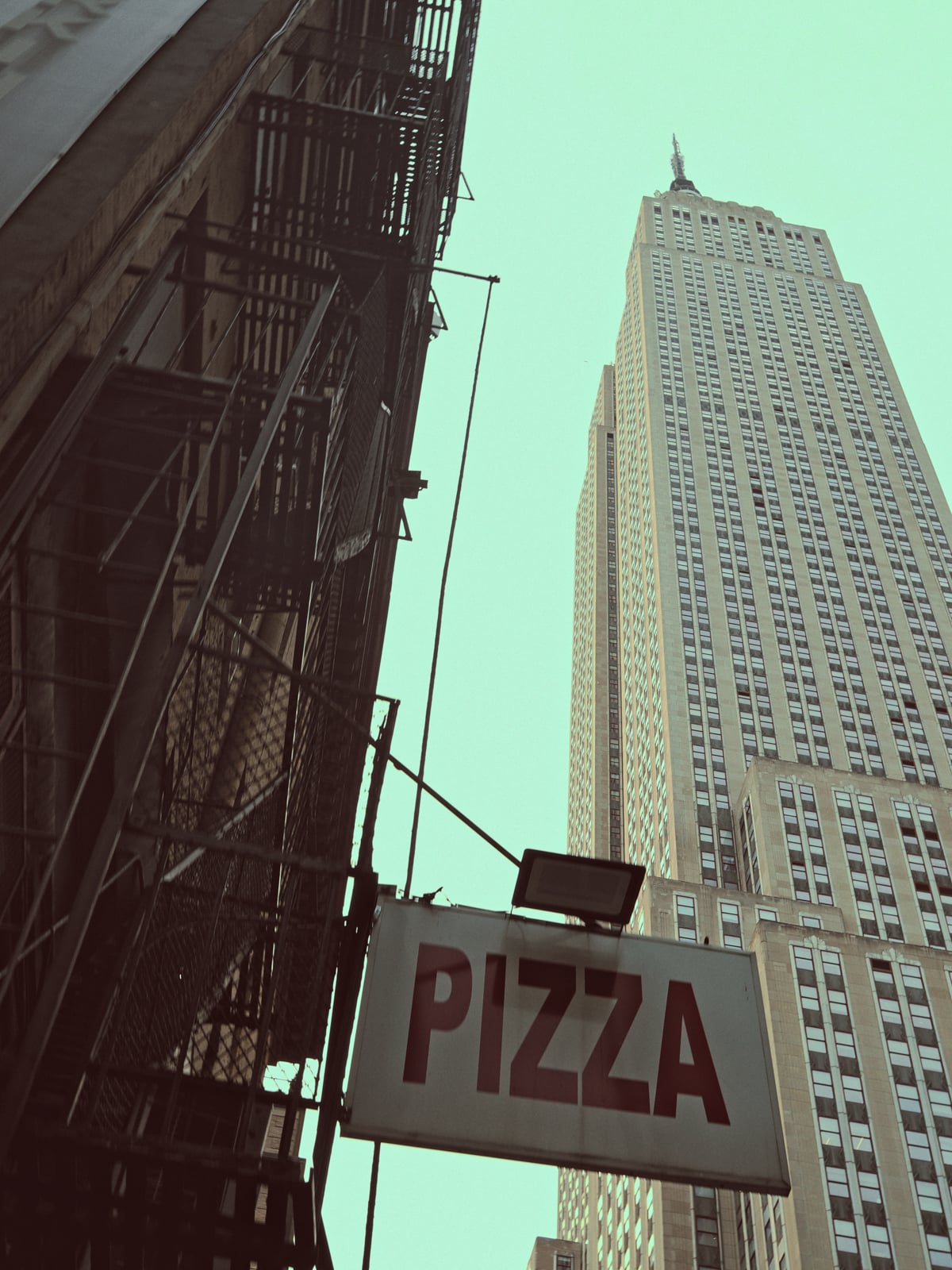
He started this project the same way: Five in the morning on the Brooklyn Bridge, three hours of sleep, three days of walking the same streets.
“What people skip is the process. They want to go straight to the finish line. You can learn to use a camera in a week on YouTube. But to make work that actually means something to you, that takes time. Have a camera with you every day. The process is the part people try to rush, which is a shame, because it’s the most rewarding part of the art.”
Watch the video project that shows Aragon’s work in New York City with the OM-3.
More from Dan Aragon can be found on his website and Instagram.
Full disclosureThis article was brought to you by OM SYSTEM.
Download Dan Aragon’s custom Creative Recipe for the OM-3.
Affiliate Disclosure PetaPixel articles may include affiliate links; we may earn a commission if you buy through one.