
Really Right Stuff’s All-New Cheaper Carbon Fiber Tripods Are Still Pricey
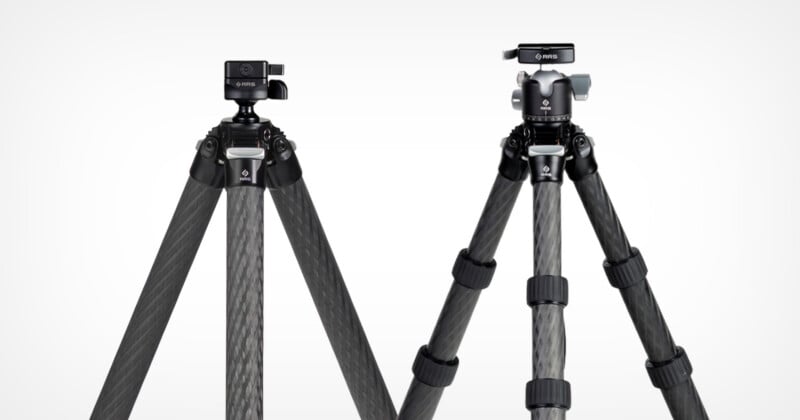
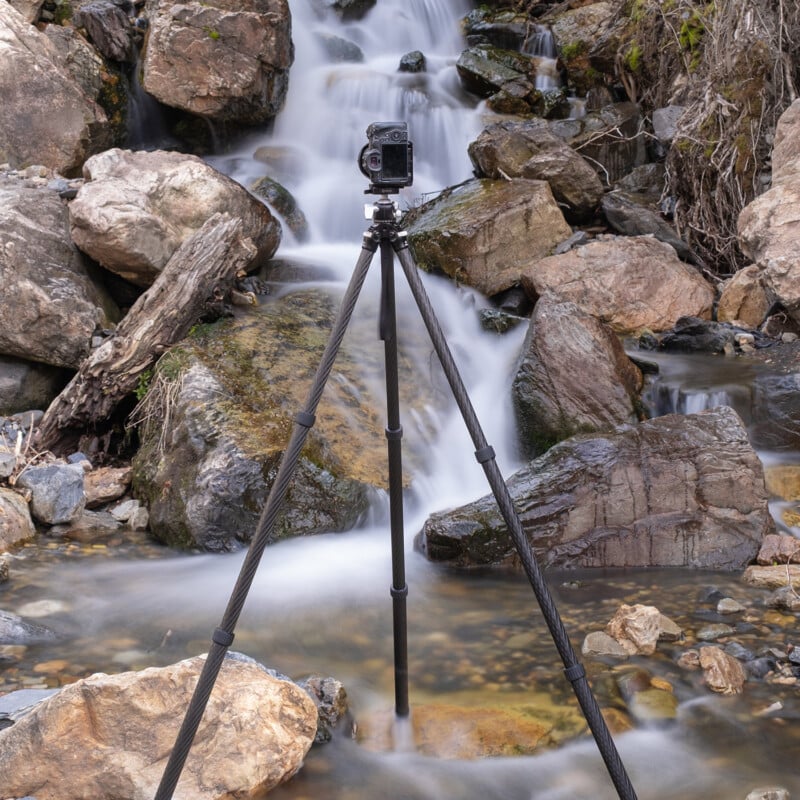
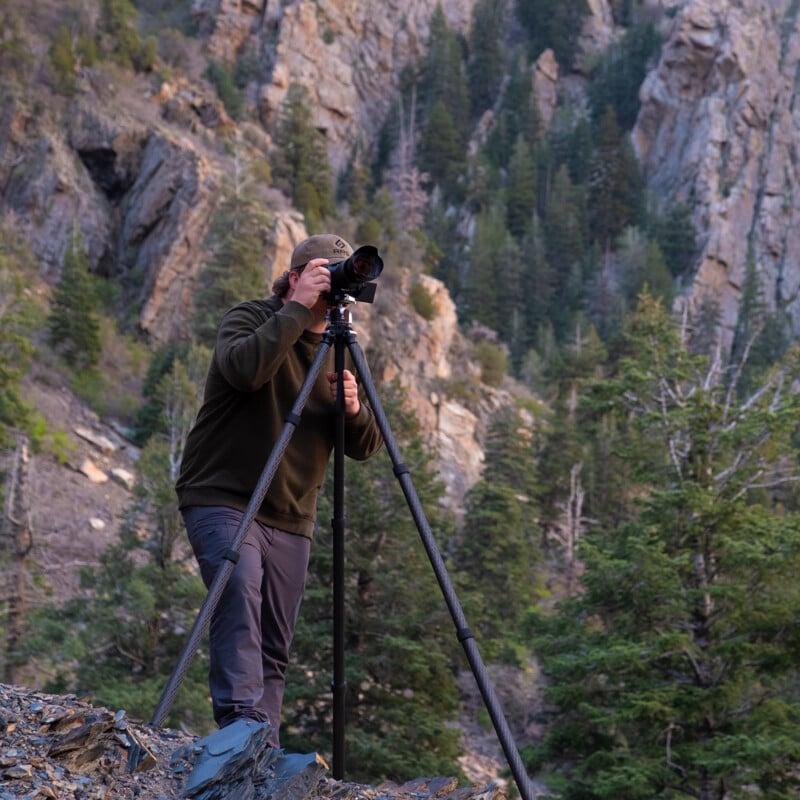
Really Right Stuff has announced a new “Core Line” of carbon fiber tripods, introducing the Benchmark and Benchmark Inverted support systems alongside several bundled kits aimed at photographers, videographers, and precision shooters.
The launch marks a notable shift for the company, which says these are the first RRS tripods built using fully in-house carbon fiber tubes manufactured at its facility in Utah. According to Really Right Stuff, bringing carbon fiber production under its own control was part of a broader effort to lower manufacturing costs while maintaining the company’s premium positioning.
The result is a new lineup that attempts to balance high-end support system performance with slightly more accessible pricing than some of RRS’s flagship tripod offerings. On average, the new support system is 30% cheaper than the company’s Mk2 tripods.
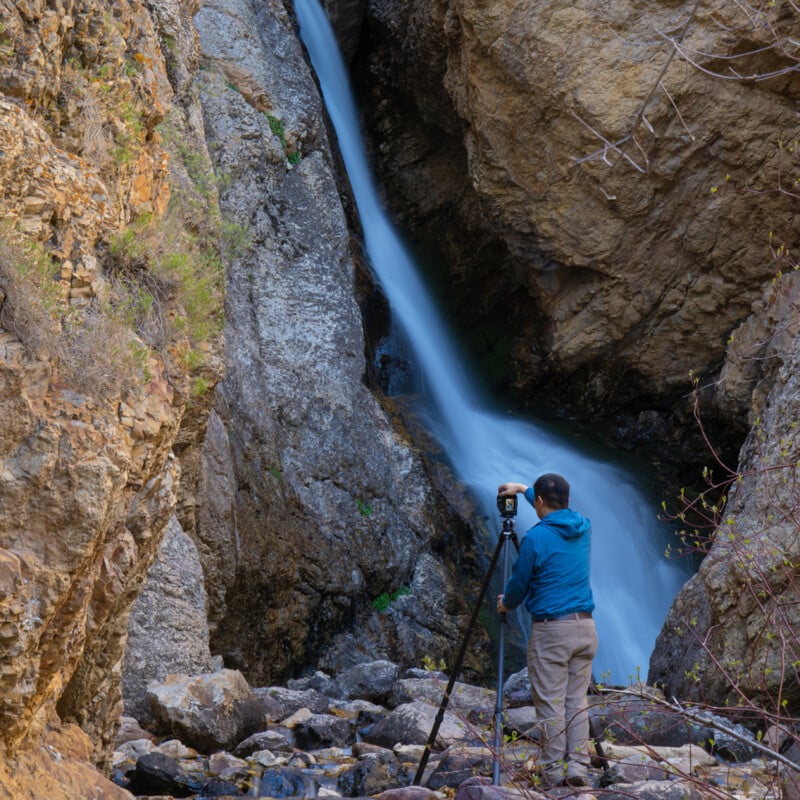
A New Entry Point Into the RRS Ecosystem
Really Right Stuff has long occupied the premium end of the tripod market, particularly among landscape photographers, wildlife shooters, and commercial professionals who prioritize rigidity, durability, and modularity.
The new Core Line appears to be designed to broaden that audience without straying from the company’s established design philosophy.
The standard Benchmark tripod starts at $945, while the Benchmark Inverted is priced at $795. Several kits pair the tripods with RRS ball heads, including the BH-40 LR II and the Anvil-30 ARC.
While still firmly premium products, the pricing positions the new line below many of the company’s higher-end support systems.
Two Designs With Different Priorities
The launch centers around two related tripod designs: the Benchmark and the Benchmark Inverted.
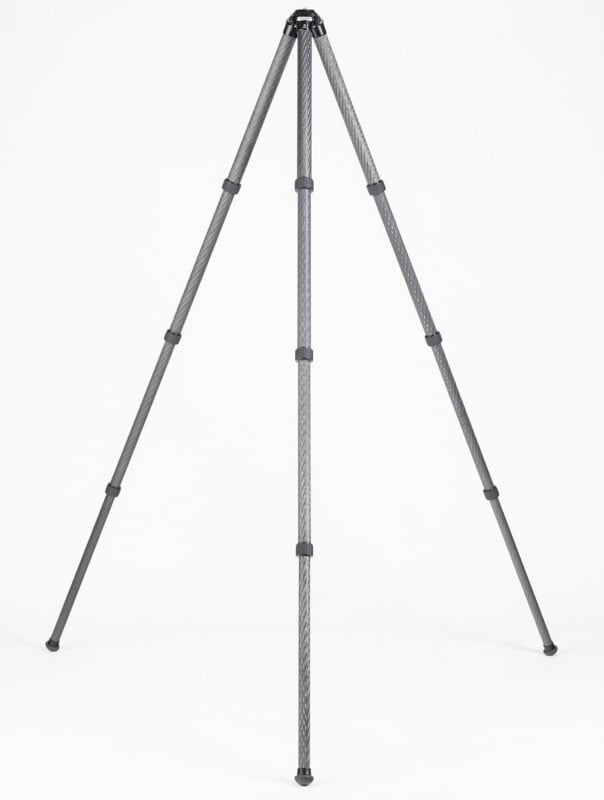
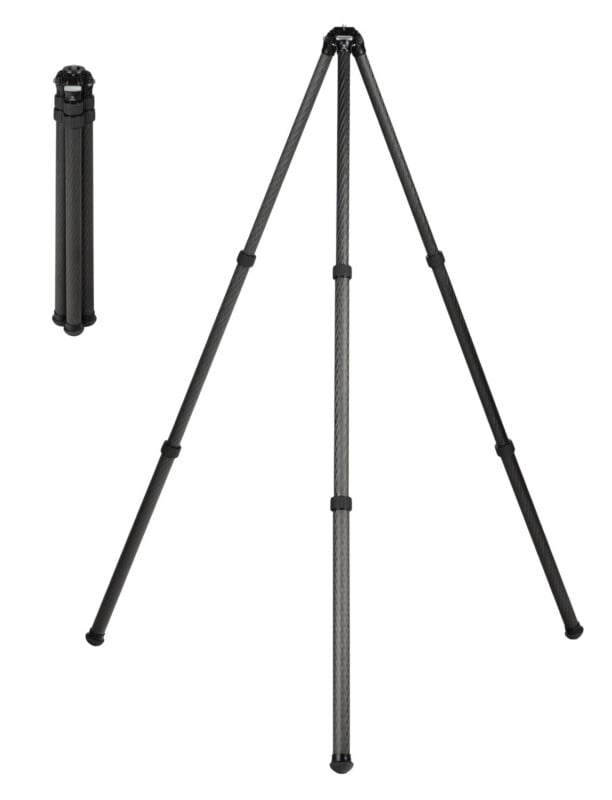
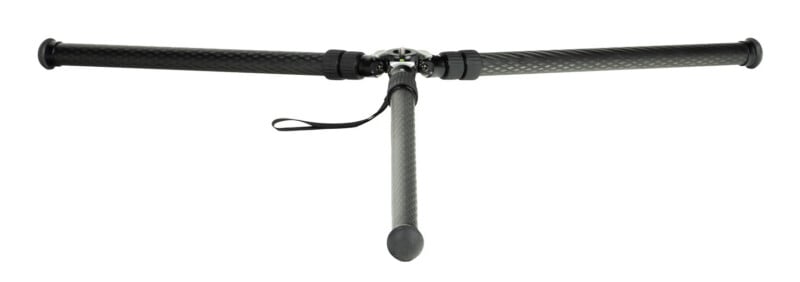
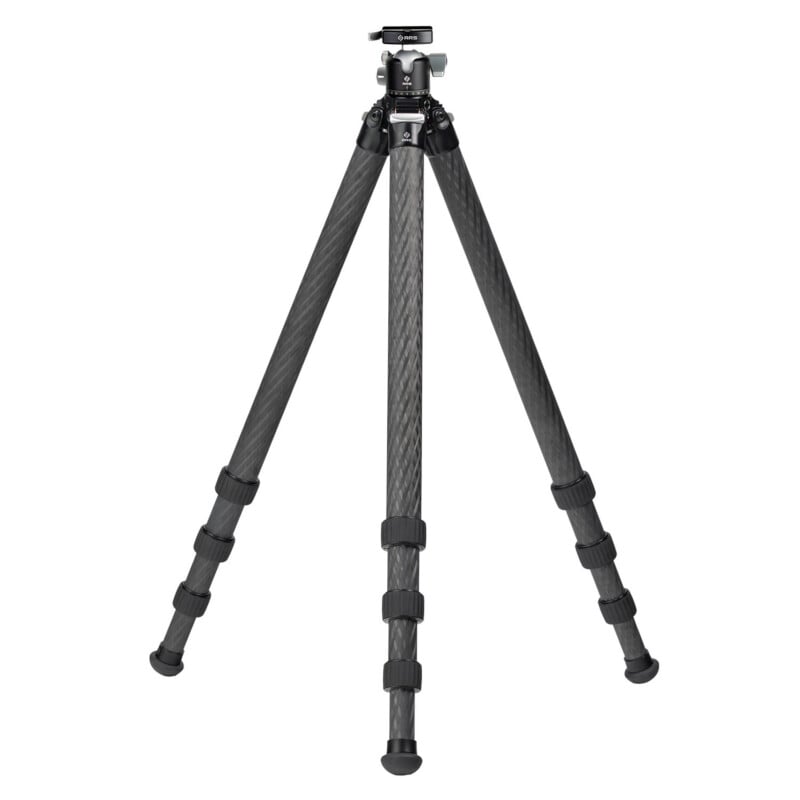
The standard Benchmark follows a more traditional four-section tripod layout. At the same time, the Benchmark Inverted uses an inverted three-section design, placing the twist-lock controls higher up near the apex.
According to RRS, the inverted layout is intended to improve ergonomics and help keep the locks away from dirt, sand, snow, and water during field use.
The company also says the inverted design naturally improves rigidity by keeping more of the tripod’s structure concentrated near the apex, potentially reducing flex under heavier loads.
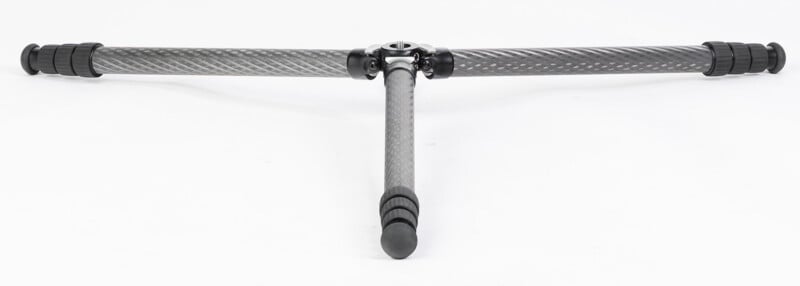
Both tripods feature four selectable leg angles of 24, 44, 64, and 84 degrees, along with new magnetic self-ratcheting adjustment tabs intended to make leg positioning faster and easier, particularly when wearing gloves.
Built Around a New Apex Design
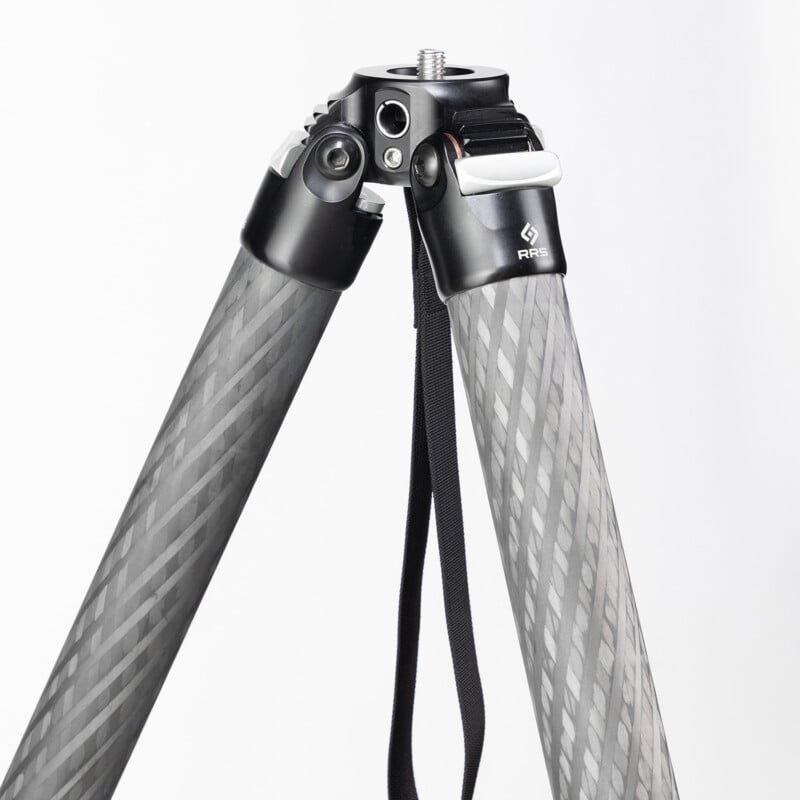
One of the more significant engineering changes in the new lineup is the redesigned apex.
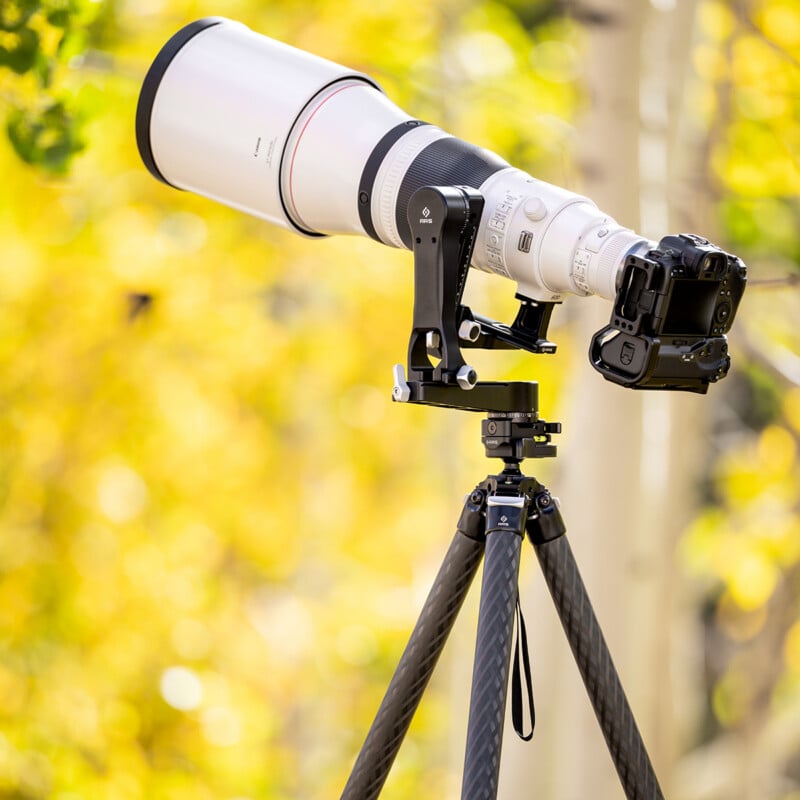
RRS says the new Benchmark platform is designed to work seamlessly with its full range of tripod heads, including smaller BH-series ball heads, panoramic heads, and the company’s Anvil-30 precision shooting head.
The apex also includes accessory ports and integrated QD sockets, expanding compatibility for photographers and shooters using additional support gear.
That modularity has historically been one of the company’s defining strengths, particularly among photographers building long-term support systems around Arca-compatible accessories and L-brackets.
Focus on Stability and Field Use
Both tripods are designed as full-size support systems despite relatively compact weights.
The Benchmark weighs 3.8 pounds (1.7 kilograms) and extends to a maximum height of 69.7 inches (177 centimeters), while the Benchmark Inverted weighs 3.6 pounds (1.6 kilograms) with a maximum height of 61.1 inches (155.2 centimeters).
Load capacities vary slightly depending on the configuration information provided by RRS, though the company positions both systems as capable of supporting heavier mirrorless and DSLR setups alongside telephoto lenses.
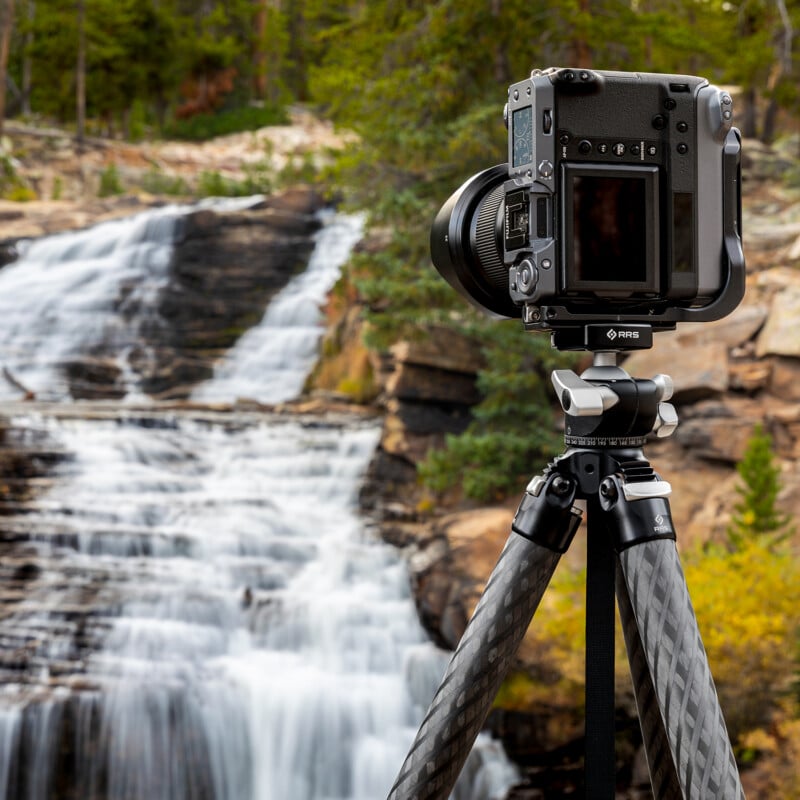
The company repeatedly emphasizes long-exposure stability, vibration resistance, and field durability throughout the launch materials, clearly targeting photographers who work outdoors in challenging conditions. Dust-resistant twist-locks, weather-conscious control placement, and compact folded dimensions all suggest a strong focus on travel and location shooting.
Photography and Precision Shooting Markets Continue to Overlap
One notable aspect of the launch is how directly RRS continues to position some of its support systems toward both photographers and precision rifle shooters.
The Benchmark Inverted + Anvil-30 ARC bundle, for example, is marketed specifically toward rifle and optics use, with compatibility for both Arca and Picatinny rails. That crossover reflects a broader trend in the tripod industry, where support systems increasingly serve both enthusiast and professional markets.
For photographers, however, the more relevant kits will likely be the BH-40 LR II bundles, which pair the new tripods with RRS’s established ball head system and lever-release Arca-style clamps.
Made in the USA Remains Central to the Brand
The launch also reinforces Really Right Stuff’s continued emphasis on domestic manufacturing. The company says the Core Line tripods are manufactured at its facility in Lehi, Utah, with in-house carbon fiber production playing a major role in reducing overall build costs. For RRS, that manufacturing control appears to be as much about consistency and quality assurance as it is about pricing.
Whether the new Core Line meaningfully expands the company’s audience remains to be seen, but the launch represents one of the more substantial product platform shifts RRS has introduced in recent years.
Pricing and Availability
The new Really Right Stuff Core Line tripods and bundled kits are available now exclusively through Really Right Stuff.
The Benchmark Carbon Fiber Tripod is priced at $945, while the Benchmark Inverted Carbon Fiber Tripod is priced at $795. For photographers looking for a complete support setup, the Benchmark + BH-40-LR-II bundle is available for $1,360, and the Benchmark Inverted + BH-40-LR-II bundle is priced at $1,215. RRS is also offering the Benchmark Inverted + Anvil-30 ARC Bundle for $1,150, aimed at precision shooting and optics use.
Image creditsReally Right Stuff
Affiliate Disclosure PetaPixel articles may include affiliate links; we may earn a commission if you buy through one.