Filmmaker Flies His Drone and Discovers Abandoned ‘Ghost’ Village
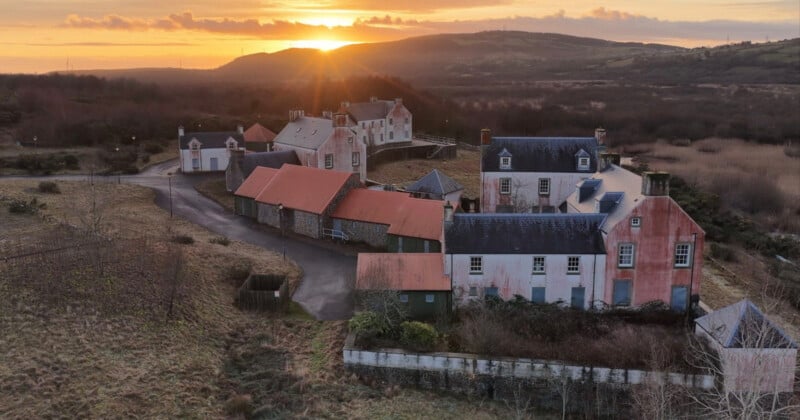
A filmmaker flew his drone and discovered an eerie village which was mysteriously abandoned over a decade ago.
Content creator and filmmaker Jay Curtis was filming with a drone in Llandarcy in Wales, U.K., when he came across something unexpected. As he flew his drone, he discovered an abandoned village in the middle of the Welsh countryside that appeared untouched and remote — almost resembling a haunting post-apocalyptic movie set.
Although the village boasted stone houses and a lake, there was no sign that anyone has ever lived there.
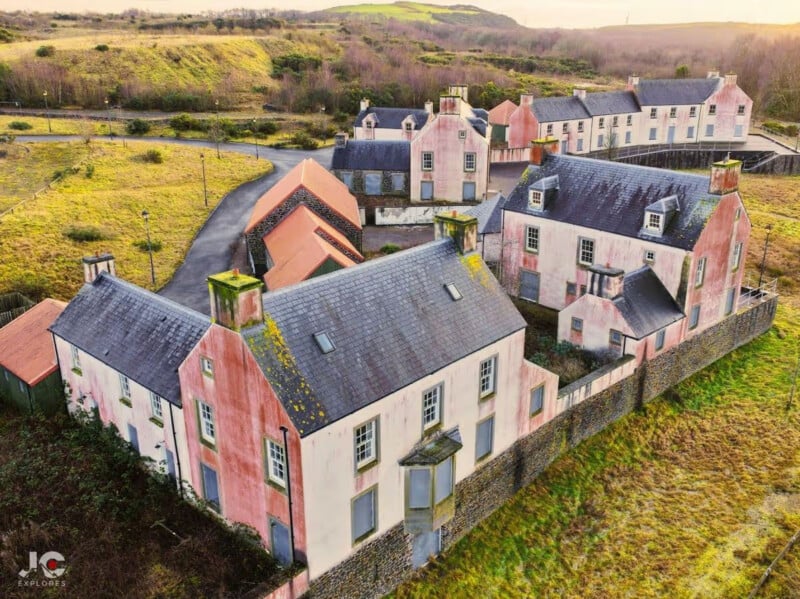
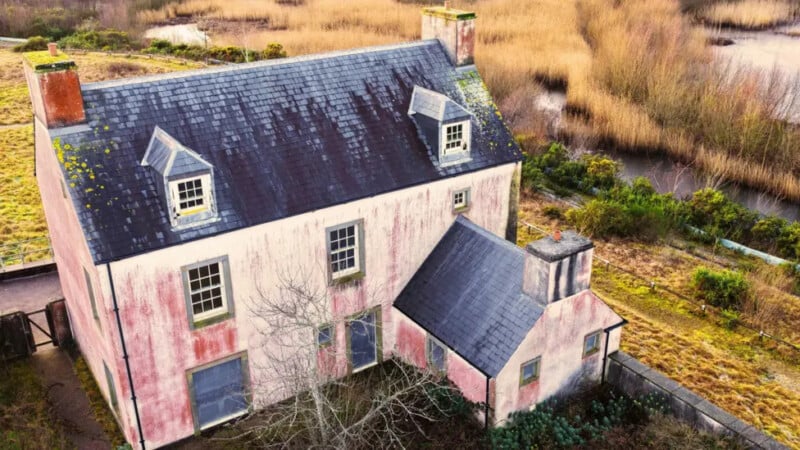
“It’s like a village that time forgot. It just looked completely abandoned,” Curtis, who runs the YouTube channel JCExplores, tells the BBC. “The only thing I can compare it to is an apocalyptic film — like something you’d stumble across in a Hollywood movie.”
“At one stage I thought maybe it was a film set because Wales has a lot of filming going on at the moment,” he adds. “It was only until I got a bit closer with the drone that I realised it was a fully-fledged hamlet of houses with garages with electricity and lighting.”
Curtis’ photos and footage show rows of homes standing empty and boarded up, with weeds growing through pathways and exterior finishes deteriorating.
The filmmaker later discovered that the abandoned Welsh village was once visited by King Charles III but has never been occupied.
Why was This Village Mysteriously Abandoned?
More than 20 years ago, the land formed part of Llandarcy Oil Refinery, the U.K.’s first crude oil plant. The refinery operated from 1922 until it closed in 1997. After its closure, the site remained unused for years and became a large industrial area left behind following decades of refining work.
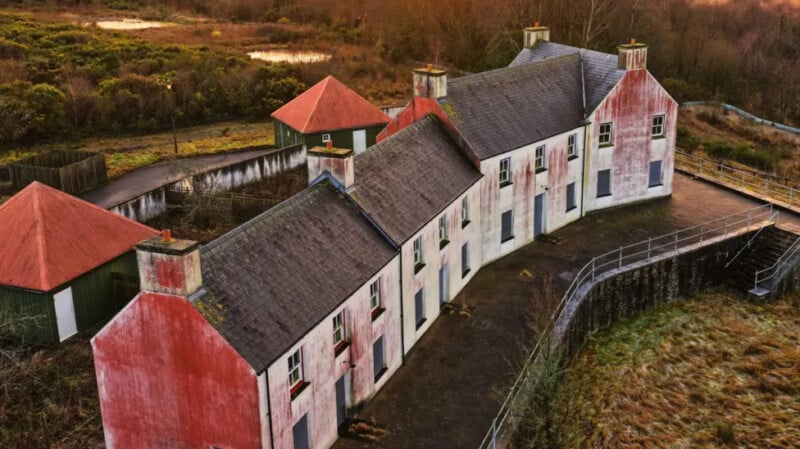
In the early 2000s, redevelopment plans were introduced to transform the area into a new village focused on sustainability and traditional architectural design. After extensive cleanup work to remove contamination and industrial residue, construction began on the new village.
The first part of the project was built as a trial section to show what the finished village would look like. These early homes were built before roads, services, and other infrastructure were fully finished, with the intention that they would later be joined into a larger neighborhood once the rest of the development was completed. King Charles III even visited the site in 2013 when he was then Prince of Wales, after the first phase of construction was completed.
However, the wider expansion of this new village never took place. The original plan to eventually house around 10,000 residents in the village was abandoned after fewer than 300 homes were completed, leaving behind unfinished roads and a fragmented layout.
Curtis’ footage of the abandoned village have circulated widely online, prompting questions about why the development was never completed and why no one ever settled there. The reason why construction stopped remains a mystery, and some online users have speculated about possible remaining contamination underground or whether ground conditions may have been unstable.
“There’s no real clear answer, that’s what baffles most people,” Curtis says.
More of Jay Curtis’ work can be seen on Facebook, YouTube, and Instagram.
Image creditsAll photos by Jay Curtis.
Affiliate Disclosure PetaPixel articles may include affiliate links; we may earn a commission if you buy through one.