Blackmagic Quickly Updates DaVinci Resolve 21’s New Photo Tools
Blackmagic Design has released DaVinci Resolve 21 Beta 2, a quick follow-up to its recently introduced public beta. The update arrives less than a month after the initial announcement and focuses largely on stability, bug fixes, and refinements, particularly in the new photo editing tools.
The pace of updates suggests a deliberate effort to quickly respond to user feedback as Resolve 21’s broader creative ambitions begin to take shape. The changes collectively point to a platform still in active transition, especially as it begins to accommodate still image workflows alongside its established video editing foundation.
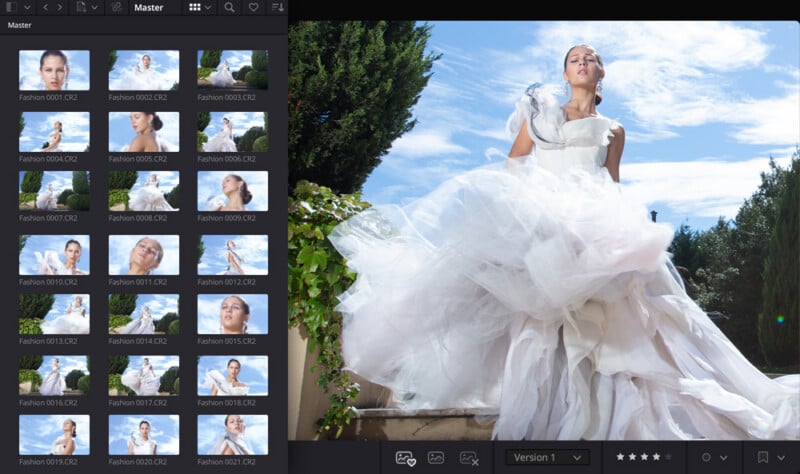
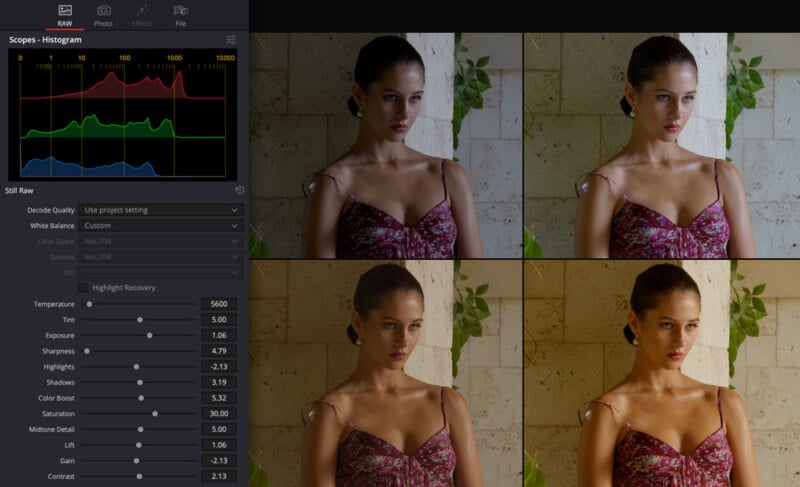
Highlights from DaVinci Resolve 21 Beta 2
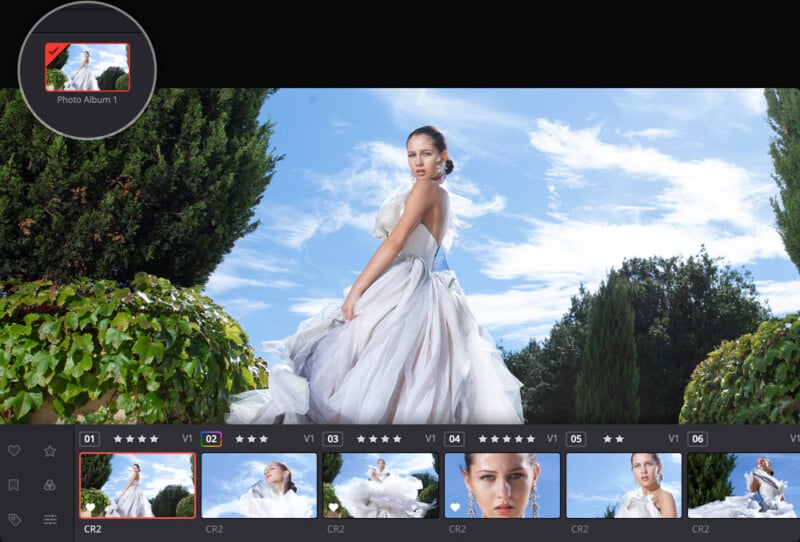
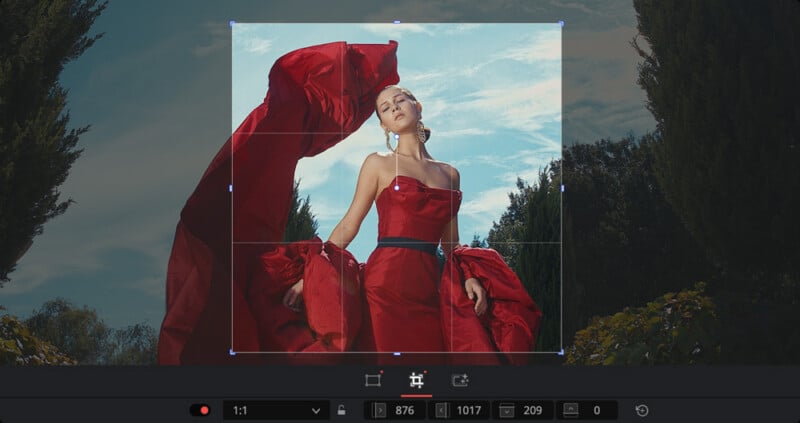
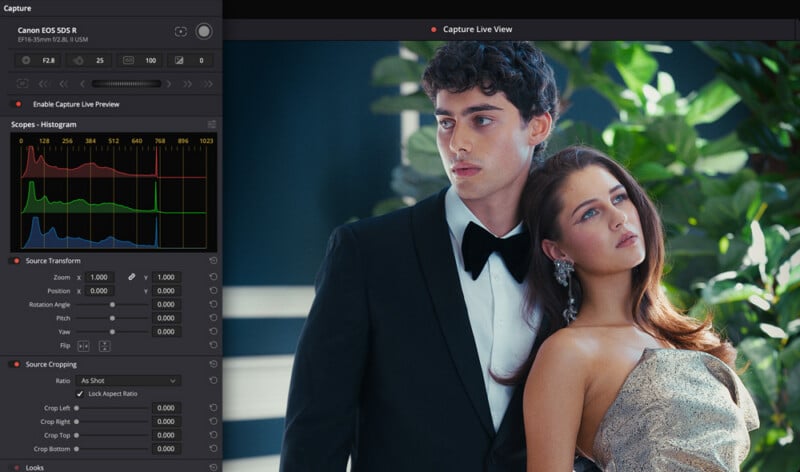
The latest update centers on improving reliability and consistency, with several fixes targeting early friction points in the Photo page. Crop, flip, and rotate actions for still images have been refined to behave more predictably, alongside improved handling of crop resolution metadata, an area that can impact both accuracy and export consistency.
Support for still-image workflows has also been expanded through improved decoding of formats such as RAF and 12-bit NEF files, while the ability to export stills with original file names addresses a practical workflow concern for photographers managing large libraries. Additional refinements include improved default ease profiles for retime curves and adjustments to how keyframes are normalized within the editor.
Beyond the Photo page, the update delivers performance improvements to IntelliSearch, which analyzes and organizes media more efficiently. There are also updates tied to emerging platforms, including foveated rendering controls for Apple Vision Pro workflows, as well as broader stability and rendering improvements across Fusion, particularly in areas like 3D rendering and Cryptomatte.
Taken together, these changes reflect a typical early beta cycle, where the focus is less on introducing new features and more on stabilizing and refining what has already been introduced.
A Fast Iteration Cycle Signals a Shift Toward Photo Workflows
What stands out less in any individual feature and more in the overall cadence is how quickly DaVinci Resolve is evolving in response to its new Photo page. Historically positioned as a video-first platform, Resolve is now beginning to take on responsibilities traditionally associated with dedicated photo editing software.
The introduction of still image tools, combined with rapid updates like Beta 2, suggests that Blackmagic Design is actively testing how far it can extend Resolve into a unified creative environment. Rather than treating photo editing as a separate discipline, the company appears to be integrating it directly into an existing timeline-based ecosystem.
This approach has implications for how photographers and hybrid creators may begin to think about their workflows. Instead of moving between multiple applications for photo and video tasks, Resolve is positioning itself as a single environment where both can coexist, supported by shared tools like color grading, asset management, and AI-assisted search.
Bridging Video and Photography in a Single Platform
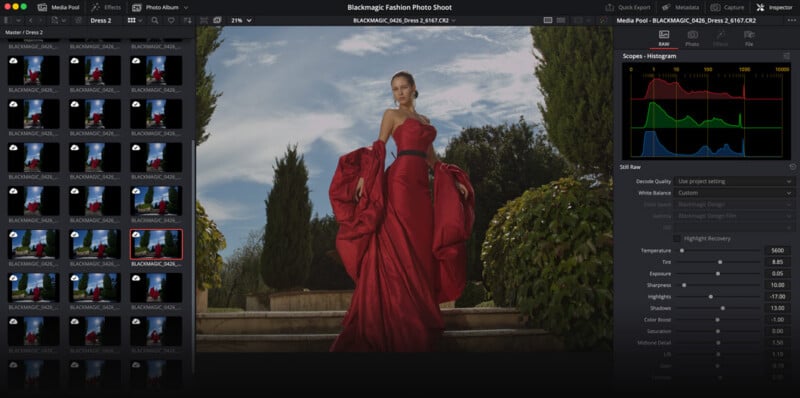
The ongoing development of the Photo page highlights a broader industry trend toward convergence. As cameras continue to blur the line between stills and video, software platforms are beginning to follow suit. Resolve 21’s updates, particularly those focused on crop behavior, metadata handling, and RAW decoding, address foundational elements that photographers rely on, even as the overall experience continues to evolve.
At the same time, features like IntelliSearch hint at a future where media organization and retrieval become more automated and context-aware, regardless of whether the source material is a still image or a video clip. This aligns with Blackmagic Design’s larger strategy of embedding intelligent tools across the platform, rather than isolating them within specific workflows.
The inclusion of immersive and spatial features, such as Vision Pro support, further complicates the traditional boundaries between media types, suggesting that Resolve is being positioned not just as an editor but as a broader post-production hub.
Early Days, but a Clear Direction
With DaVinci Resolve 21 still in public beta, the Photo page remains a work in progress. The emphasis on bug fixes and usability improvements in Beta 2 reflects both the challenges of introducing a new workflow into an established platform and the company’s willingness to iterate quickly in response to feedback.
If the current update cadence continues, Resolve 21’s photo capabilities are likely to evolve rapidly in the coming months. For now, Beta 2 serves as an early indication that Blackmagic Design is treating photography not as an add-on, but as a core part of the platform’s future.
Image creditsBlackmagic Design
Affiliate Disclosure PetaPixel articles may include affiliate links; we may earn a commission if you buy through one.