Overhauled Pic-Time Makes Client Delivery Galleries Much More Personal
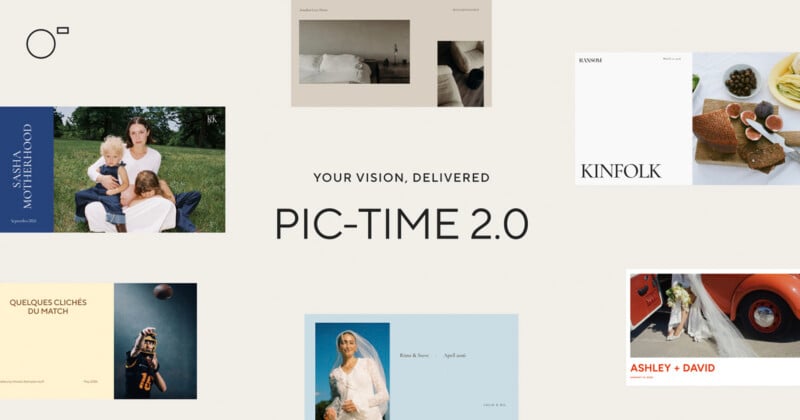
Pic-Time has announced the launch of Pic-Time 2.0, a significant overhaul of its online gallery platform designed to reshape how photographers deliver, present, and monetize their work. The update introduces a redesigned interface, expanded customization tools, and deeper AI integration.
The release reflects a broader shift in the industry, where photographers are increasingly expected to balance creative output with brand identity and business operations. Pic-Time 2.0 attempts to address that balance by rethinking both workflow efficiency and the client-facing experience.
“At a time when everything is starting to look the same — saturated, formulaic, and indistinguishable – creating a distinct visual identity is more important than ever,” says Amir Karby, Co-Founder and CEO of Pic-Time.
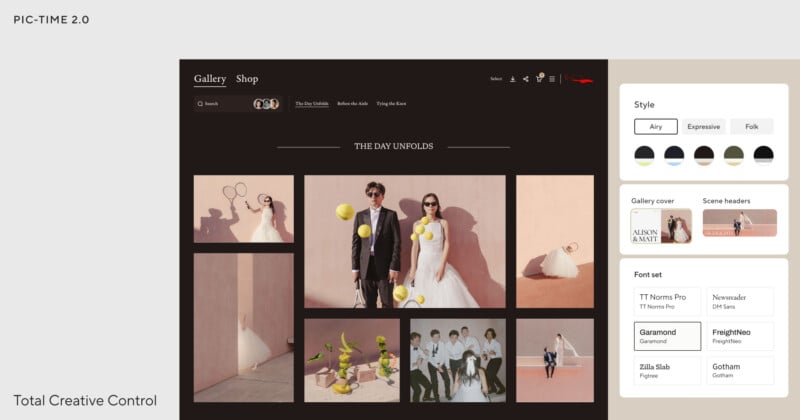
“With Pic-Time 2.0, photographers can craft a truly personalized experience that reflects their brand at every level, from color and typography to the smallest design details, like letter spacing and button shapes. We’re giving photographers the tools to create something unmistakably their own. There simply isn’t another platform offering this depth of design control and client experience in one ecosystem.”
A Platform Rebuilt Around Creative Control
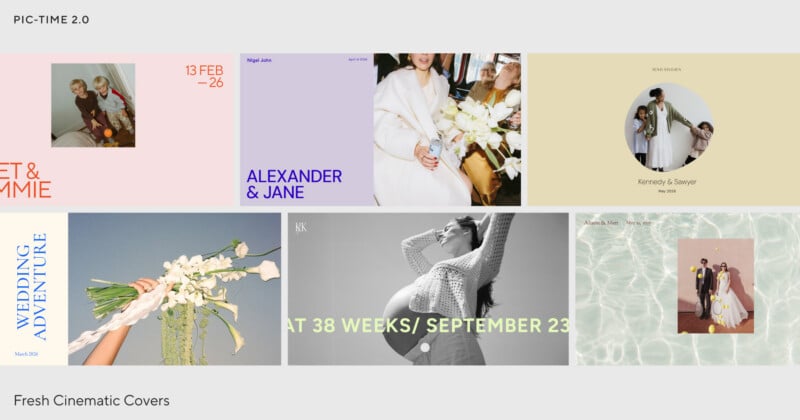
Pic-Time 2.0 emphasizes customization. The platform introduces expanded design controls that allow photographers to shape nearly every aspect of the client experience, from gallery layouts to typography and interface elements.
Rather than presenting work in a standardized format, the update enables a more cohesive, brand-driven approach. Galleries can be tailored to reflect a photographer’s visual identity across multiple touchpoints, extending beyond image presentation into navigation, interaction, and overall aesthetic.
This level of control signals a move toward galleries functioning as extensions of a photographer’s portfolio and brand, rather than simple delivery tools.
An Editorial Approach to Client Galleries
Pic-Time 2.0 also introduces a more immersive, narrative-driven gallery experience. The platform shifts away from traditional grid-based layouts toward presentations that feel closer to editorial storytelling, designed to encourage clients to revisit and engage more deeply with their images.
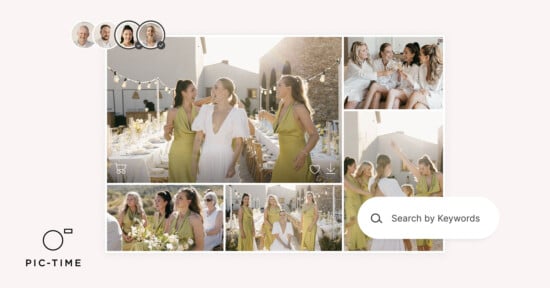
AI-powered search plays a key role here, enabling users to find photos by faces, keywords, and more abstract queries. Combined with an interface designed for fluid navigation, the experience is intended to feel intuitive while maintaining a strong visual focus.
The result is a system that prioritizes emotional engagement, encouraging clients to explore and curate images before downloading or purchasing.
A Reimagined Shopping Experience
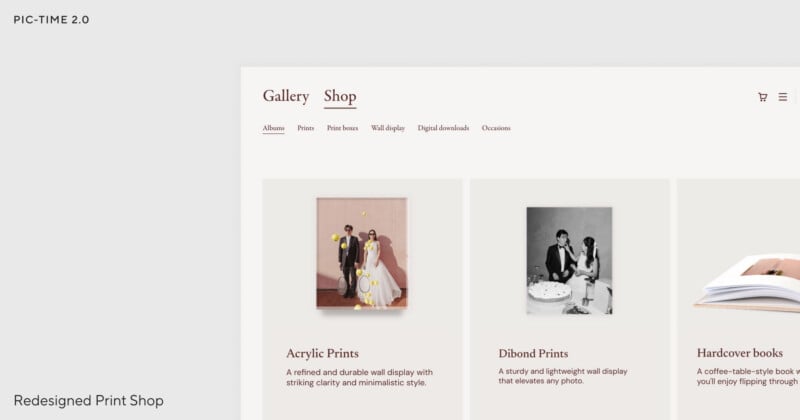
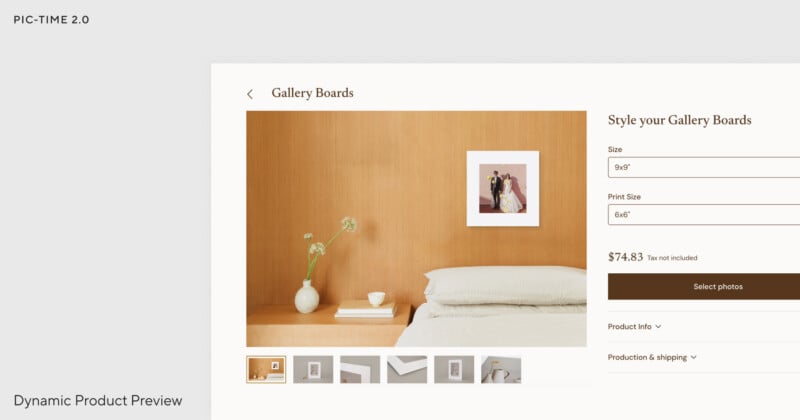
The platform’s commerce tools have also been rebuilt to reduce friction while maintaining a premium presentation. Instead of a traditional e-commerce flow, Pic-Time 2.0 introduces a more visual, context-driven approach to purchasing.
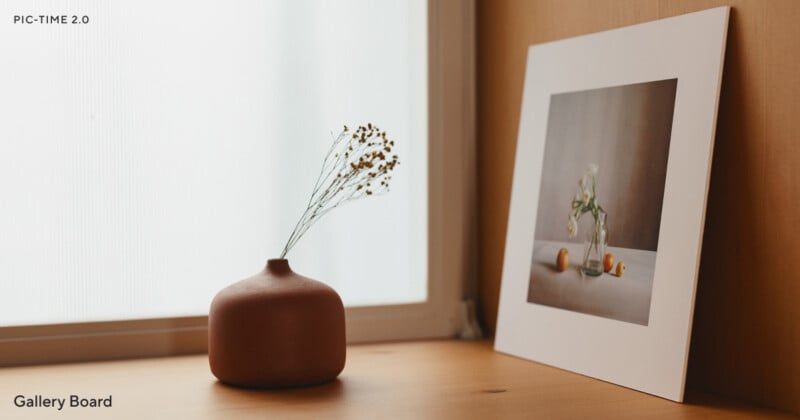
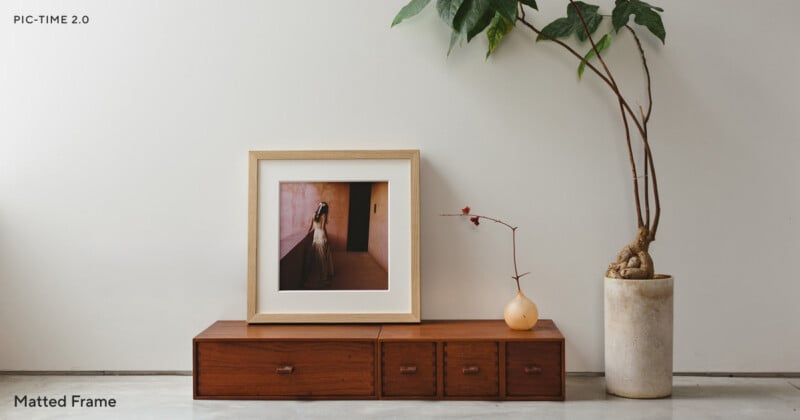
Clients can preview products in real-world scenarios, adjust sizes dynamically, and explore finishes that emphasize the final result rather than the transaction itself. The checkout process has been streamlined to remain unobtrusive, aligning with the platform’s broader goal of keeping the experience design-led rather than sales-driven.
On the backend, photographers gain access to a global network of professional print labs, with tools to localize fulfillment and manage pricing across regions.
AI-Powered Album Design
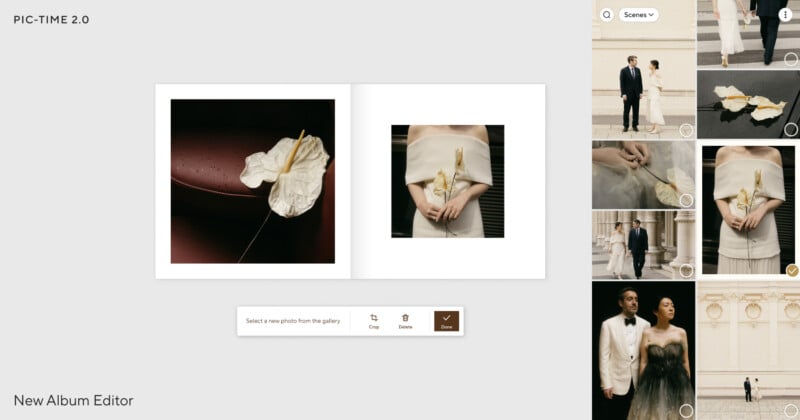
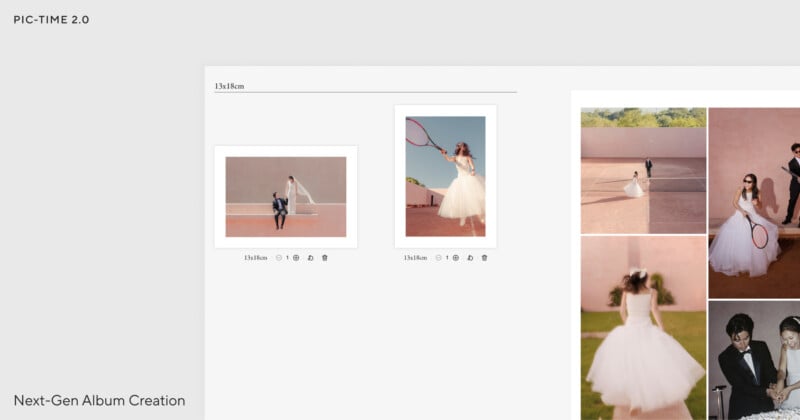
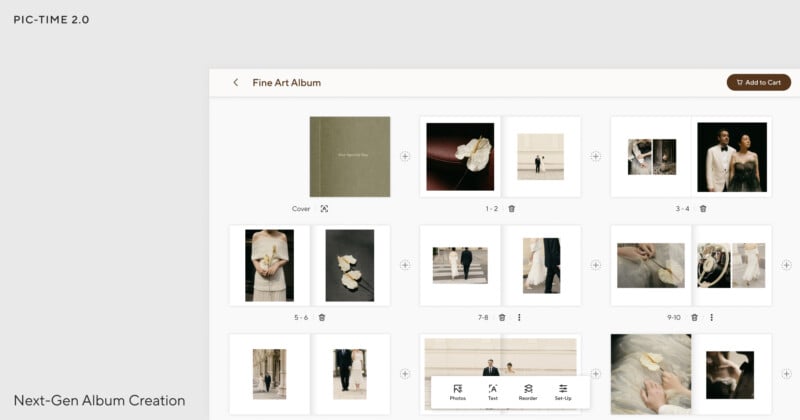
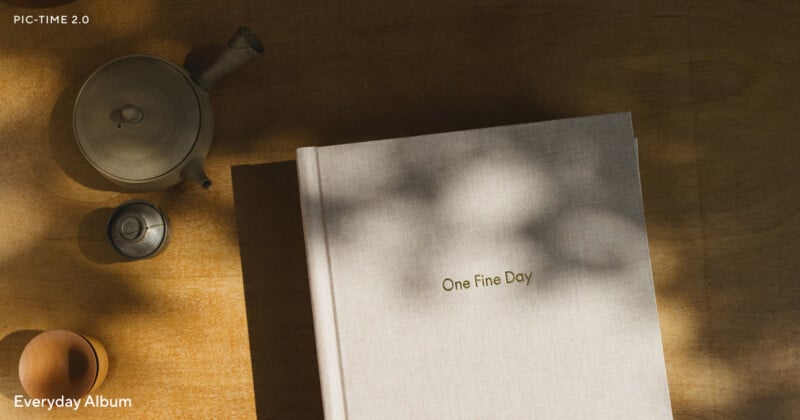
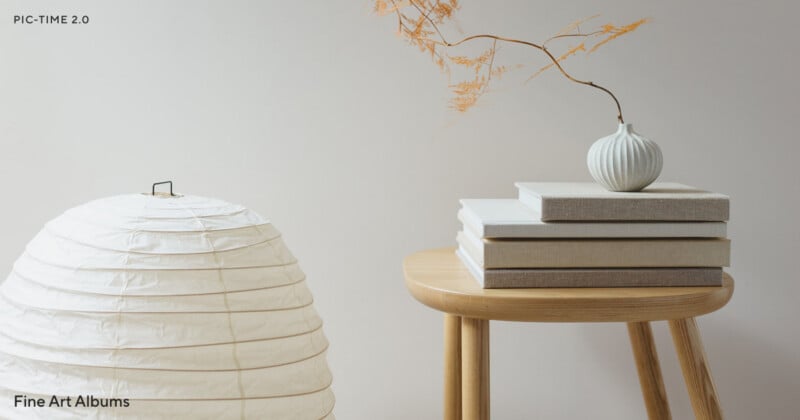
Album creation, often one of the more time-intensive parts of a photographer’s workflow, has been significantly reworked. Pic-Time 2.0 introduces an AI-driven album designer that can generate structured, story-based layouts in seconds.
Rather than relying on fixed templates, the system arranges selected images into cohesive narratives, providing a starting point that photographers and clients can refine. Editing tools remain flexible, enabling detailed adjustments across desktop and mobile devices.
The goal is to reduce the time spent on manual layout while maintaining a high level of creative control.

Workflow Improvements and Mobile Optimization
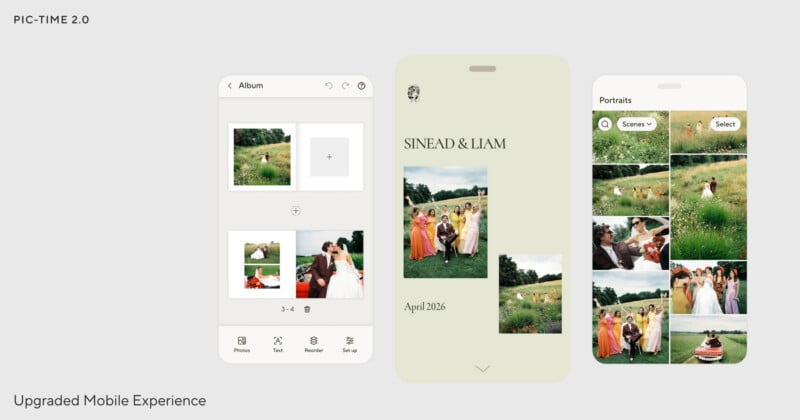
Beyond individual features, Pic-Time 2.0 places a strong emphasis on overall usability, stating that the platform has been rebuilt with a mobile-first approach, ensuring that galleries, shopping tools, and album workflows translate smoothly across devices.
A selection-first workflow encourages clients to curate favorite images before taking further action, streamlining the path from browsing to sharing, printing, or album creation. This approach reflects a broader effort to make interactions feel more natural and less transactional.

For photographers, the potential impact lies in reducing time spent on repetitive tasks while offering a more polished and personalized client experience. For clients, the changes aim to make viewing, selecting, and purchasing images feel more engaging and intuitive.
Pricing and Availability
Pic-Time 2.0 is available to current and new users as part of the platform’s ongoing service. Plans range from $0 to $42 per month. All plans are detailed on Pic-Time’s website.
Image creditsPic-Time
Affiliate Disclosure PetaPixel articles may include affiliate links; we may earn a commission if you buy through one.