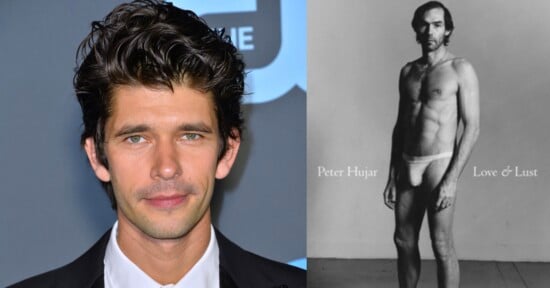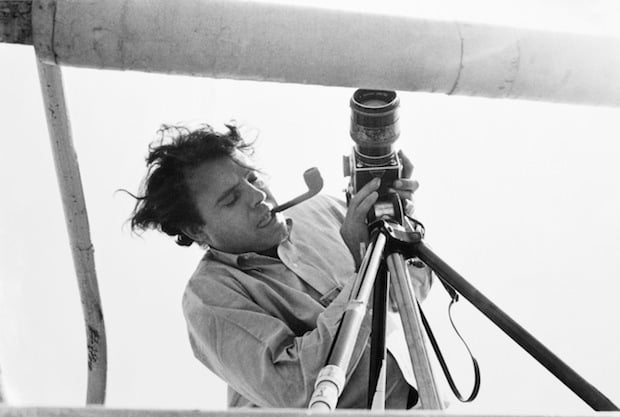

Exhibit Uncovers the 5,783 Contact Sheets Photographer Peter Hujar Left Behind
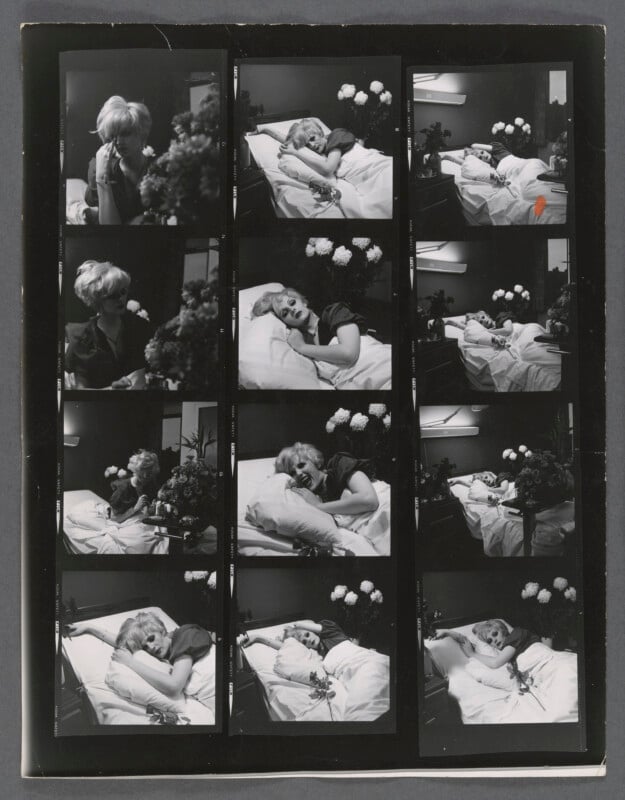
An upcoming exhibition will present thousands of contact sheets and archival materials to show how photographer Peter Hujar developed his work over several decades.
Titled Hujar: Contact, the exhibition will be on view at at The Morgan Library & Museum from May 22 through October 25, 2026, and will explore the life, times, and creative evolution of Hujar. It will include more than 110 contact sheets and 20 enlargements drawn from the Morgan’s collection of his work.
In 2013, the Morgan acquired the 5,783 black-and-white contact sheets Hujar had at the time of his death, along with two notebooks, or “job books,” in which he recorded photographic assignments and personal projects from 1954 to 1985. Together, these materials form a detailed record of an artist who left no written reflection on his work but carefully preserved evidence of his photographic practice.
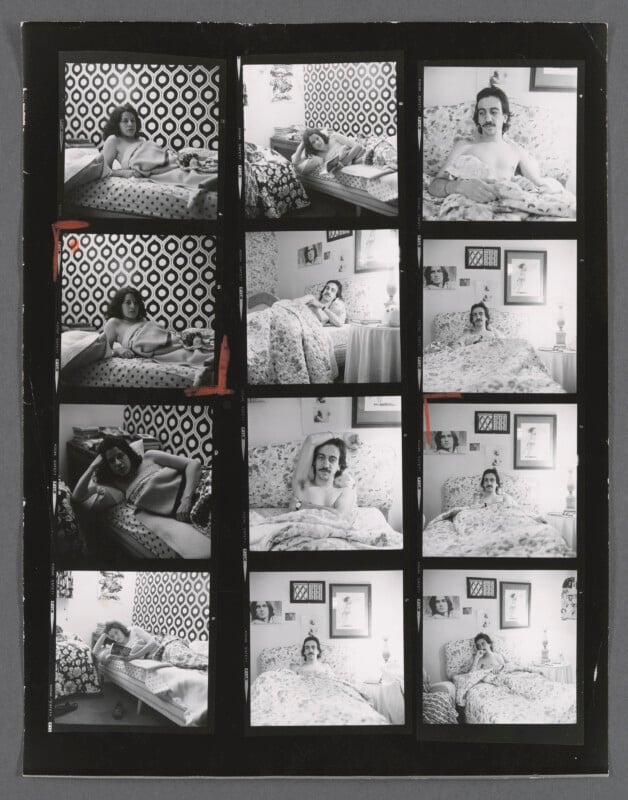
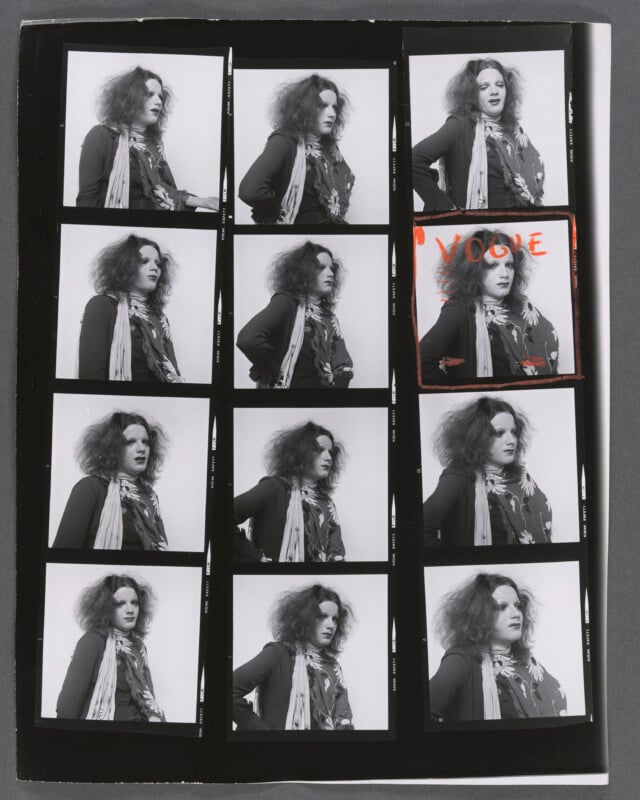
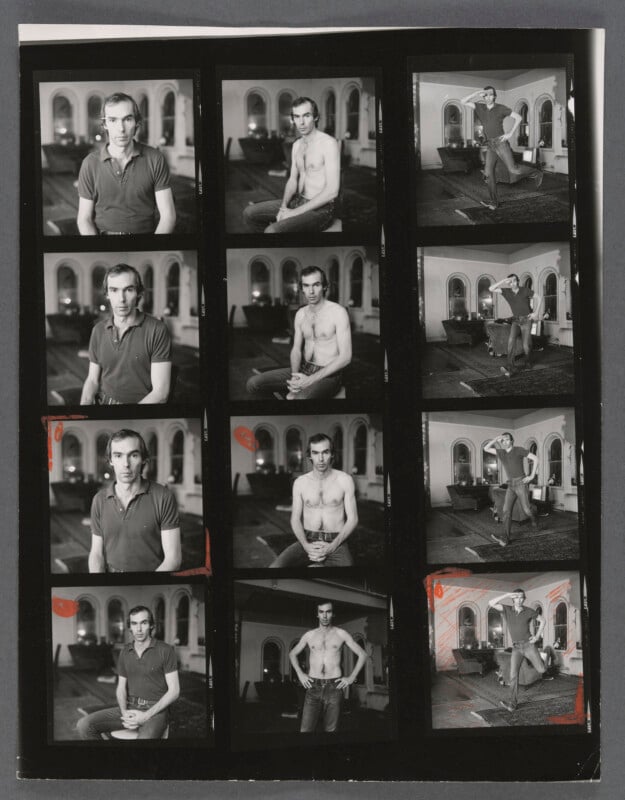
The exhibition presents the contact sheet—traditionally a working tool—as an object for close study. Each sheet reproduces a full roll of film, allowing viewers to follow Hujar’s sequence of exposures. Many include his handwritten notes and markings, which show how he approached cropping and printing and document the decisions behind final images.
“Contact sheets reveal an intimate history of Hujar’s habits, inspirations, and happy accidents—the intricacies hidden behind a final print,” says Joel Smith, curator of the exhibition and Richard L. Menschel Curator and Department Head of Photography at the Morgan. “Hujar: Contact illuminates the physical process that was central to his artistic practice.”
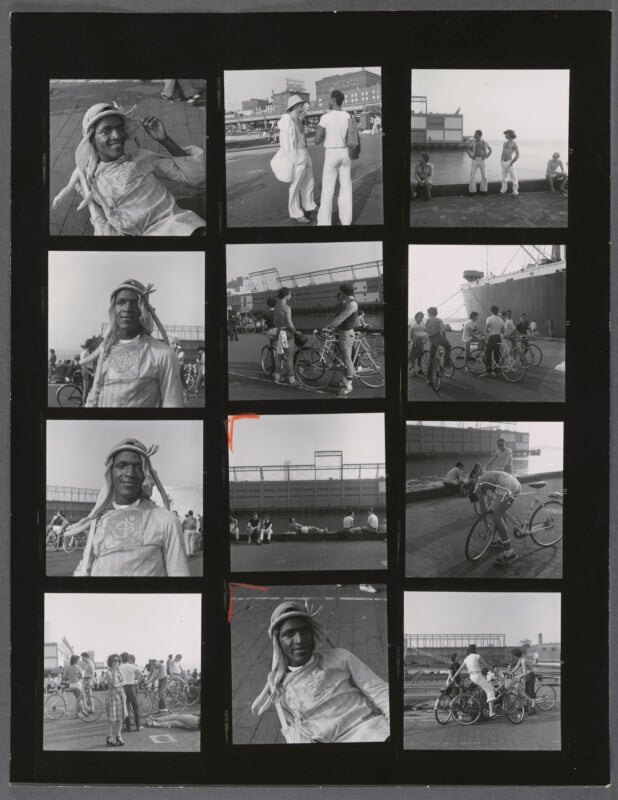
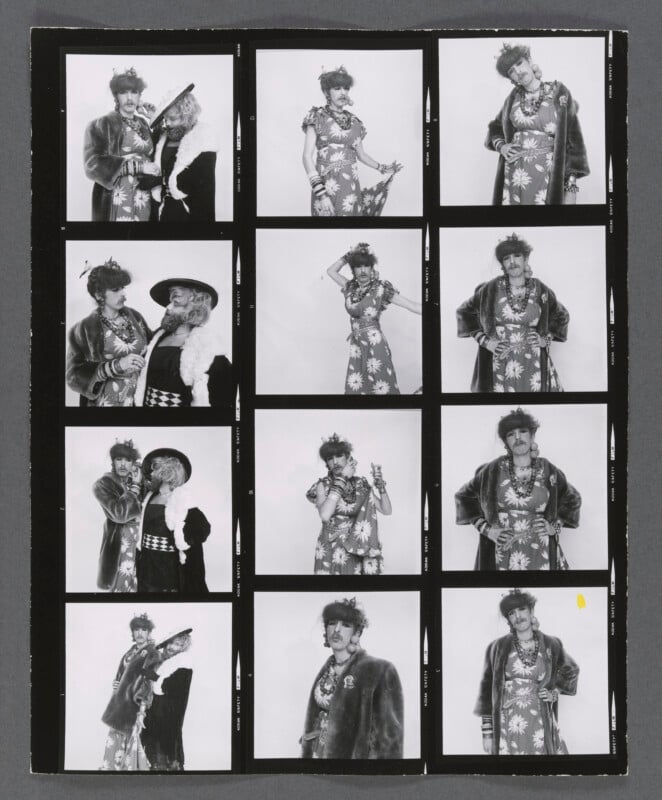
The exhibition also pairs contact sheets with prints, including works not previously exhibited, to show how portraits developed through an ongoing exchange between photographer and subject. Working primarily with a medium-format camera that allowed him to maintain eye contact with his sitters, Hujar created conditions in which both parties influenced the image.
Large-scale reproductions of pages from Hujar’s job books will be displayed on the gallery walls, offering a chronological view of his career. The earliest surviving entry dates to 1954, when he began photographing friends and acquaintances in New York.
A Photographer Who Found Critical Acclaim After Death
Today, Hujar is recognized as among the greatest American photographers of the late 20th century. He is best known for his intimate, powerful, and piercing black-and-white portraits of luminaries of the queer, bohemian art scene of downtown Manhattan between the late 1960s and the onset of the AIDs plague in the 1980s.
Some of Hujar’s most famous photographs include Orgasmic Man (1969) which became the cover of Hanya Yanagihara’s bestselling novel A Little Life — as well as the final portrait of transgender actress and Andy Warhol muse Candy Darling on her deathbed at 29-years-old.
However, Hujar’s work only received marginal recognition during his lifetime. It was only after his death of AIDS-related pneumonia at the age of fifty-three, that his photographs began to receive the critical esteem they deserved.
Image creditsAll photos courtesy of The Morgan Library & Museum.
Affiliate Disclosure PetaPixel articles may include affiliate links; we may earn a commission if you buy through one.