These Beautiful Golden Photo Prints Fell Out of Favor Over a Century Ago
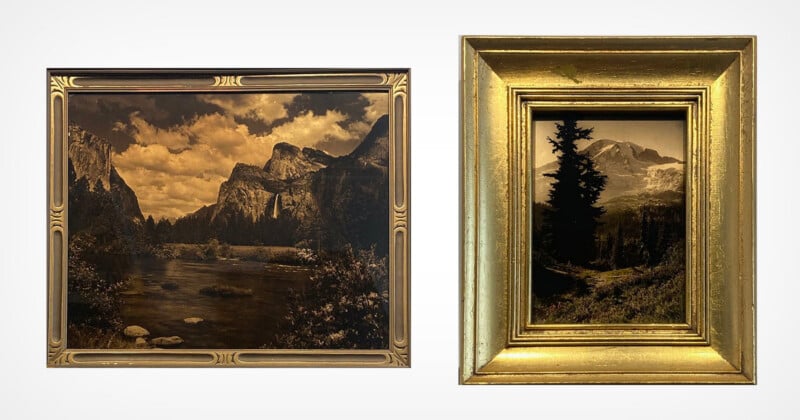
A new exhibit celebrates the golden beauty of the classic orotone photo print, giving the eye-catching but short-lived photographic printing process more time in the spotlight.
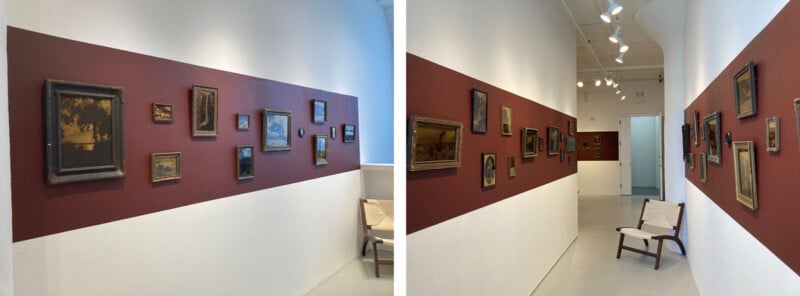
The Robert Mann Gallery in New York City is hosting an orotone-centric exhibit, “Gold Standards: The Art of the Orotone,” until May 16, and it puts beautiful, golden prints front and center.
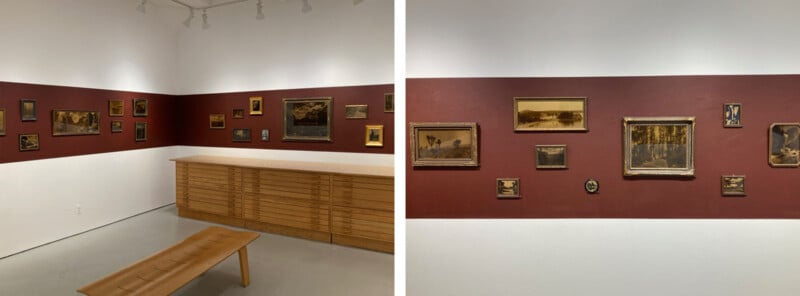
“At the turn of the twentieth century, when photographs were crafted as material objects to hold and cherish, gold was used in the production of a short-lived process called orotone, resulting in overtly warm-toned images that glistened in the light,” Robert Mann Gallery explains. “Often presented in ornately decorative frames, orotones — sometimes called ‘Curt-Tones’ due to their popular use by the photographer Edward Curtis — were admired by those in the American Arts and Crafts movement for their involved handiwork and singularity.”
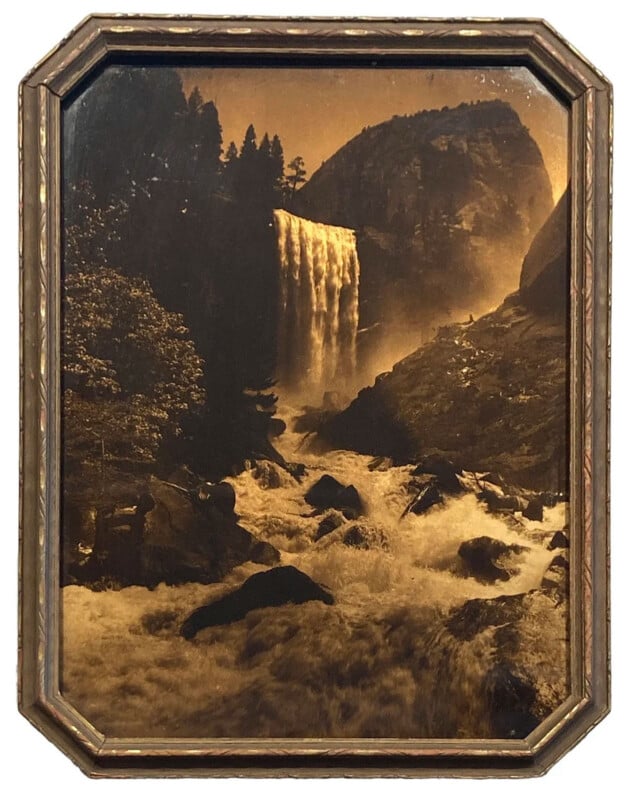
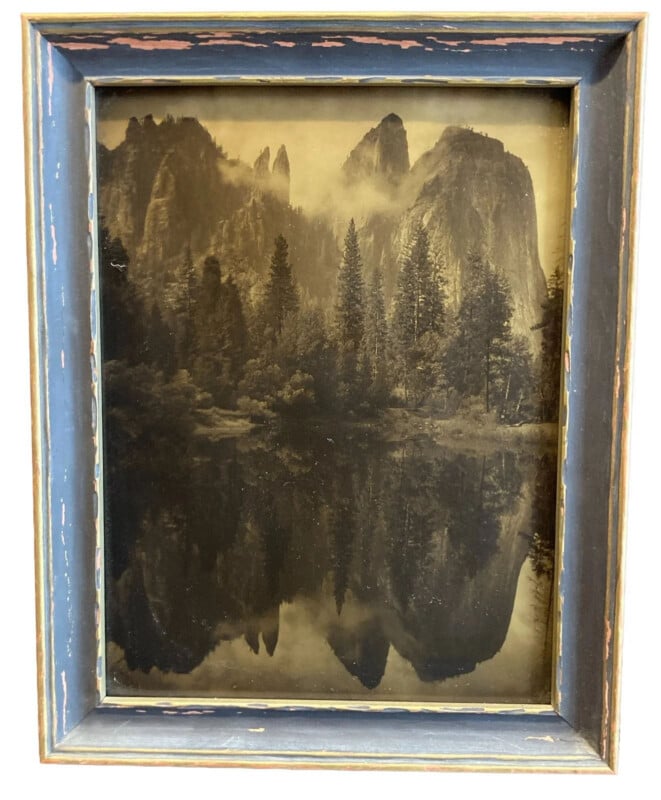


Many of the orotone photos featured in the exhibit are uncredited, their creators long since lost to time. However, some of them are by photographer and scientific inventor Arthur Clarence “A.C.” Pillsbury. After the tragic and deadly 1906 San Francisco earthquake, Pillsbury left the city and set up a permanent photography studio in the new Yosemite National Park, which was established in 1890. Pillsbury, working before the famed photographer Ansel Adams, would help show the world the beauty of Yosemite and the rest of the American West, immortalizing the region’s natural beauty through orotone prints.
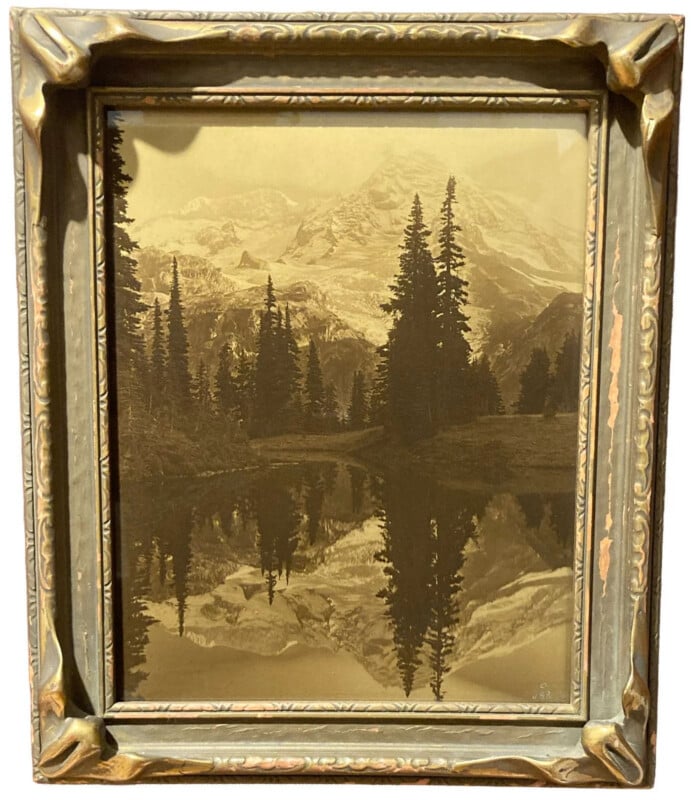
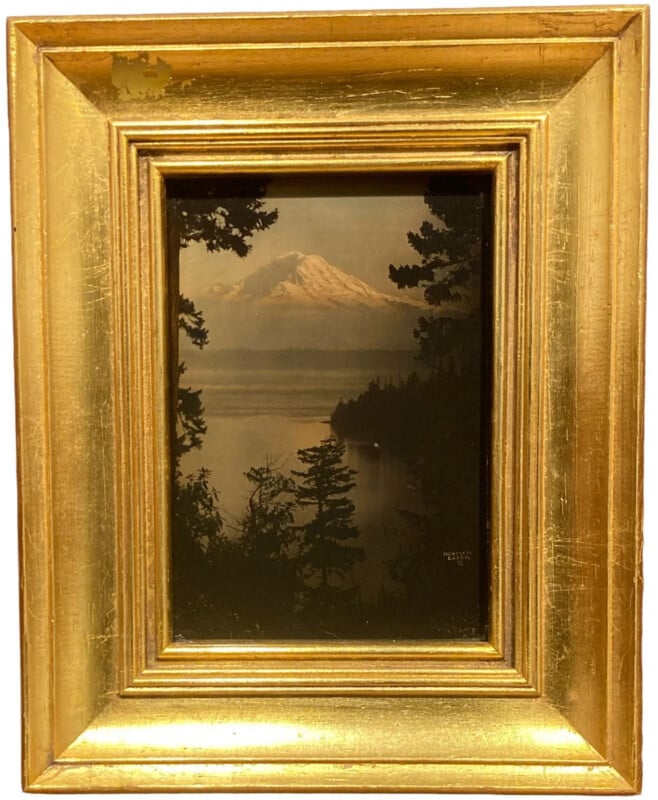
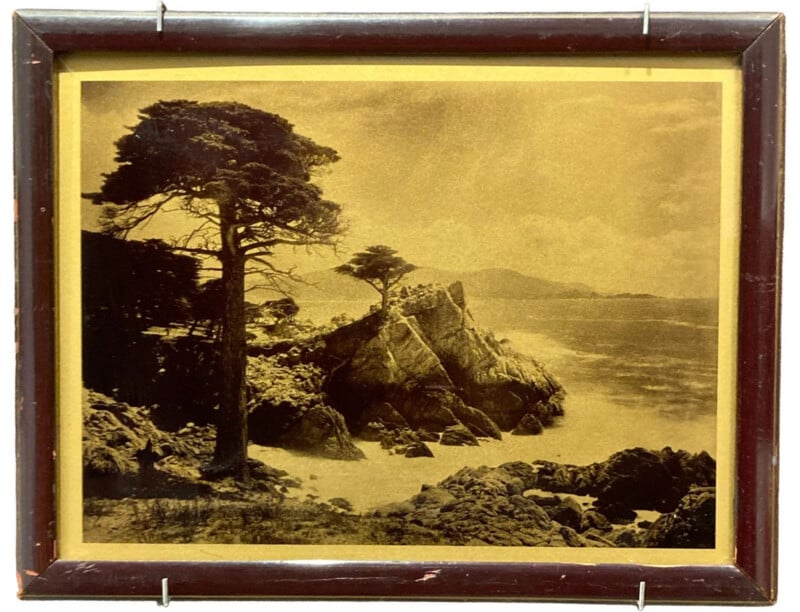
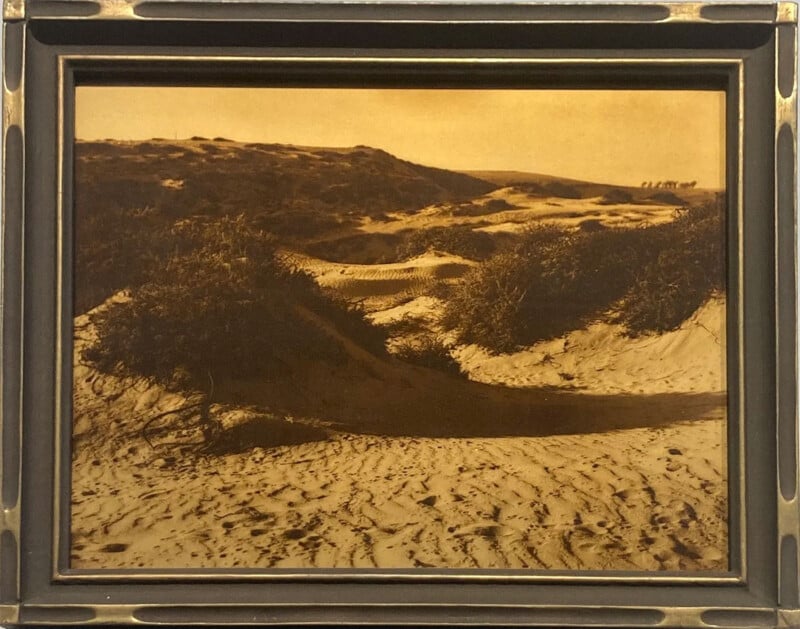

In total, the collection on exhibit, drawn from the largest known private collection of orotones, features nearly 100 glowing, metallic photographs. While they are certainly best viewed in person, the Robert Mann Gallery has also shared images of the prints online, most of which are presented in ornate decorative frames.
The exhibit, “Gold Standards: The Art of the Orotone,” runs at the Robert Mann Gallery in New York City until May 16. Location and hours are available on the gallery’s website.
As PetaPixel has written before, although orotones have long since fallen out of favor in the photographic world, photographers can still create them today. Perhaps some of the photographers who see the new exhibit at the Robert Mann Gallery will feel inspired to try it for themselves.
Image creditsRobert Mann Gallery. Photographers are credited when possible, although some creators are unknown today.
Affiliate Disclosure PetaPixel articles may include affiliate links; we may earn a commission if you buy through one.