

Hollywood Cameraman Carves Out Niche Filming on Rollerblades
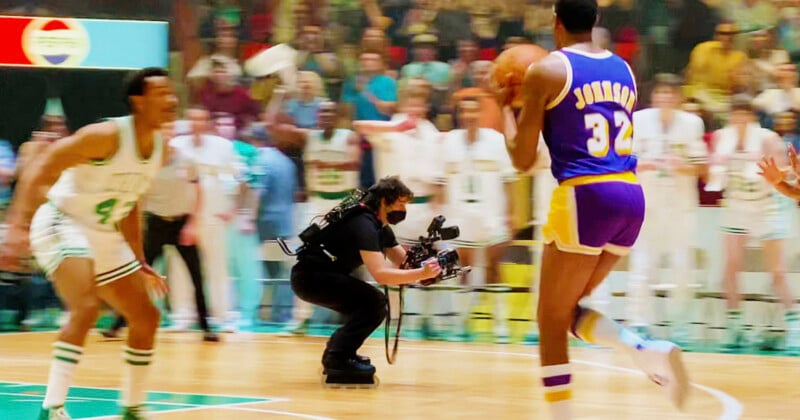
John Lyke found his niche as a cameraman when he was just eight years old. Like many other kids, he strapped on a pair of rollerblades and began skating around. The difference is he’s never taken them off.
Lyke tells PetaPixel that when he started shooting short films and skit videos, he just saw his rollerblades as the obvious way to get the shots he wanted.
“My rollerblade shots seemed like a cheap DIY version of a steadicam or a dolly,” he says. But as he grew older, he realized that a camera operator on skates might just be something unique he could exploit. And he was right.
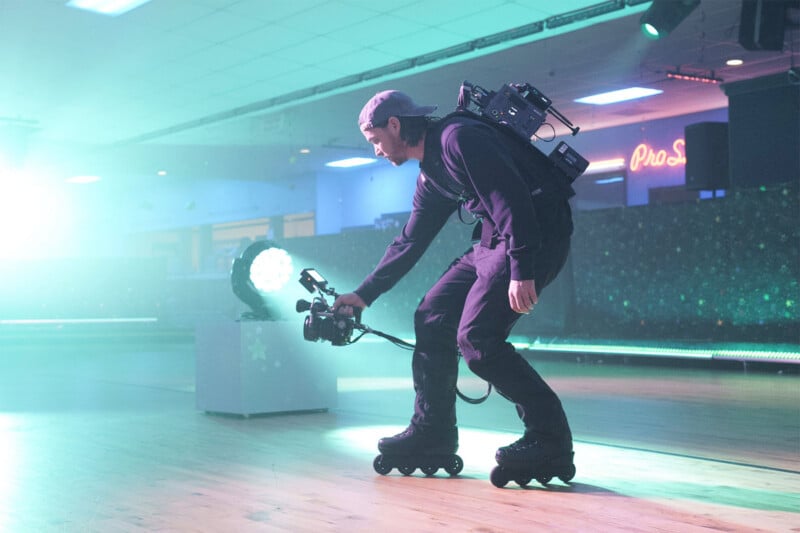
Lyke is regularly hired by Hollywood productions and corporate clients who want the mobility, speed, and handheld intensity that he can offer while filming on his blades. His skill was particularly useful for the HBO basketball series, Swagger.
“They basically gave me a six-figure camera and built me a skatepark and said ‘play around in it.'” he says.
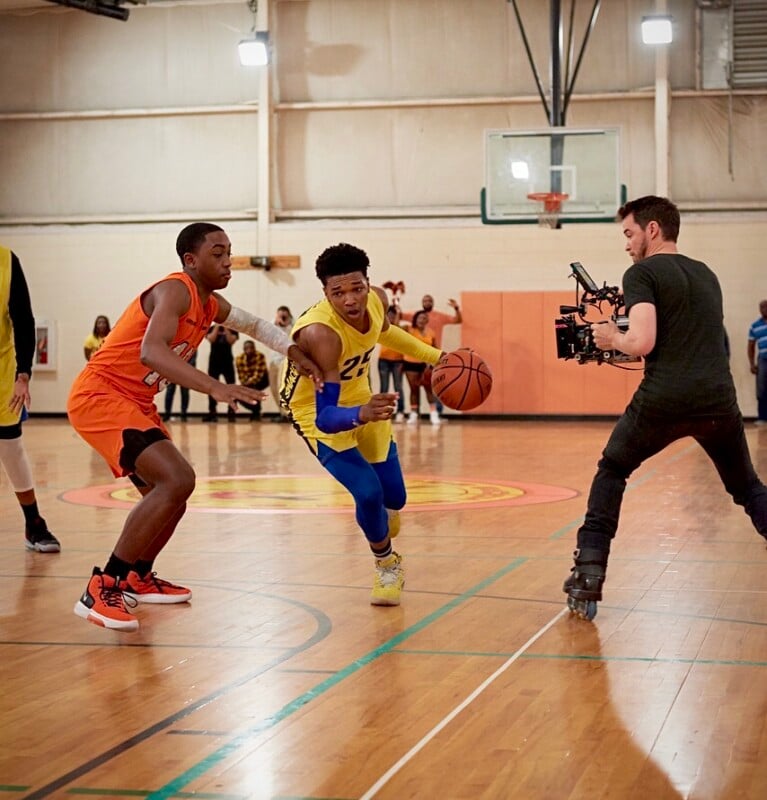
But despite carrying 20 pounds of camera in his hand, and a further 40 pounds in his backpack, Lyke says he’s never worried about dropping the gear or falling over. And that is in no small part because of his background as a highly-accomplished aggressive inline skater; jumping stairsets and grinding down handrails.
“In no way would I be able to do what I do without my aggressive inline background. I skate almost daily, constantly throwing myself off balance, and having to catch myself,” he explains. “My skates feel more comfortable on me than some people feel in shoes.”
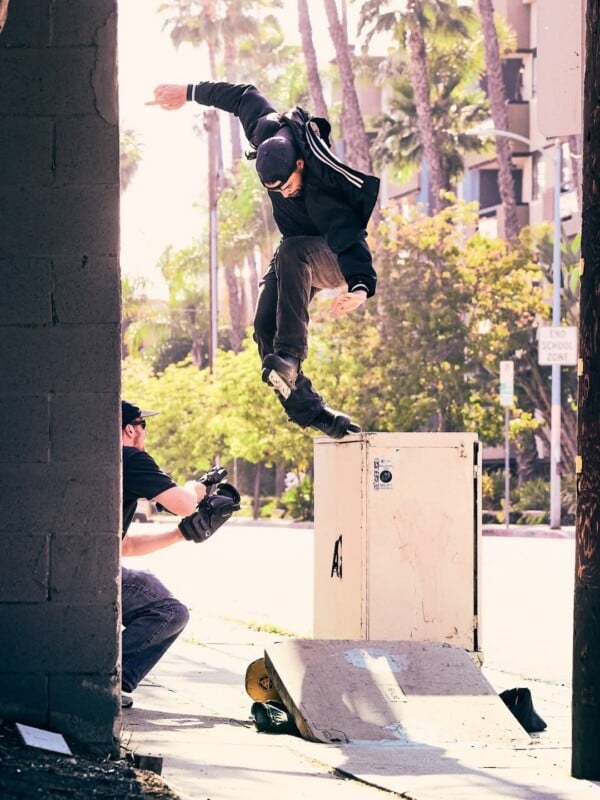
Aggressive inline requires skaters to be hyper-aware of their surroundings — especially while in a busy skatepark — and that skill helps Lyke when filming on busy sets.
“I also film skate videos, and you often have to get used to just knowing what’s in the frame without looking at a monitor, because if you look at a screen, you can’t react fast enough to the action,” he says.
“When filming high-speed action on set, I never look at the monitor and trust myself to frame up the shots by feel. If I looked at the monitor during those moments, I would collide with the actors because I wouldn’t be reacting to the action.”
What are the Advantages of a Rollerblading Cameraman?
Why would someone specifically want a cameraman on wheels? Lyke says there are certain advantages that are unique to him.
“I can move fast while keeping the handheld intensity dialed back, I can skate backwards way faster than someone running backwards, and I can get the camera way lower to the ground while moving fast,” he explains.
“I emphasize handheld, because I feel like that’s where bladecam really separates itself from other tools. I can also move through tighter spaces and reset much faster than other gear.”

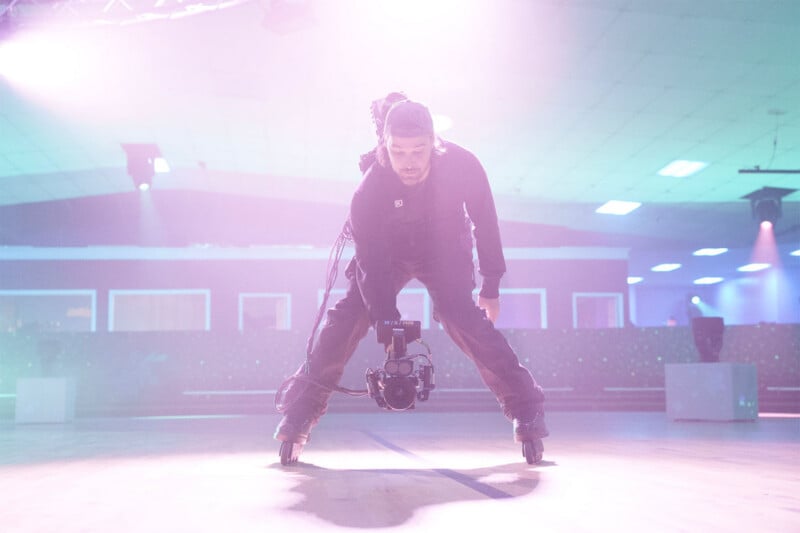
Lyke cites one commercial where a skateboarder was riding down a hill. “We could have followed the skateboarder with a car, but that’s way more dangerous, time-consuming, and expensive; not to mention limiting the potential list of shots,” he says.
“I was able to easily follow behind and lead in front, switching between the two, while sometimes keeping the camera just a few inches from the skateboard.”
Lyke says that not every job needs a rollerblade camera, and he says he regularly talks people out of hiring him.
“That just makes it all the sweeter when the right gig does come up, and the best option to tell your story is me having fun on blades,” he adds.
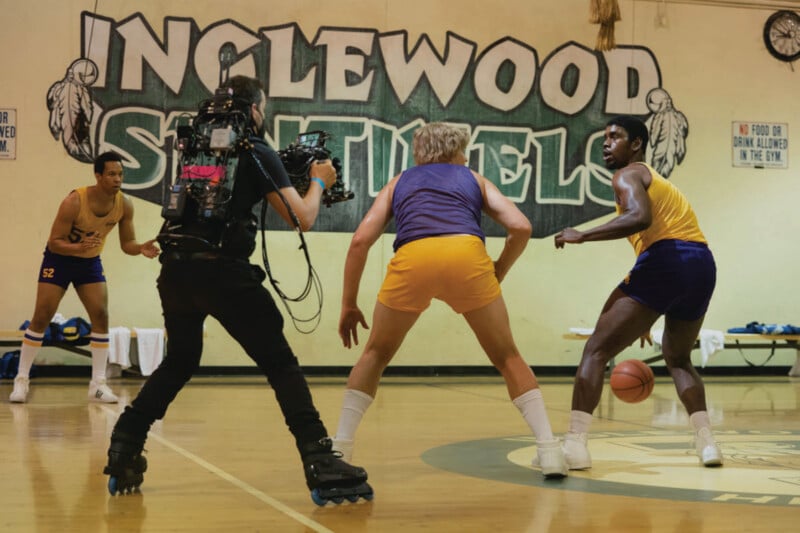
Lyke says being a rollerblade cameraman in Hollywood is “super, super niche.” He only knows of two other blade camera operators, and knows both of them since the “rollerblade community is super tiny.”
He recently shot a video for Oakley Meta smart glasses where he had to follow a pro skateboarder who was dropping into a 14-foot bowl.
“One of the guys can’t do that shot, so if I’m unavailable and my buddy is unavailable, time to think of a different shot.”
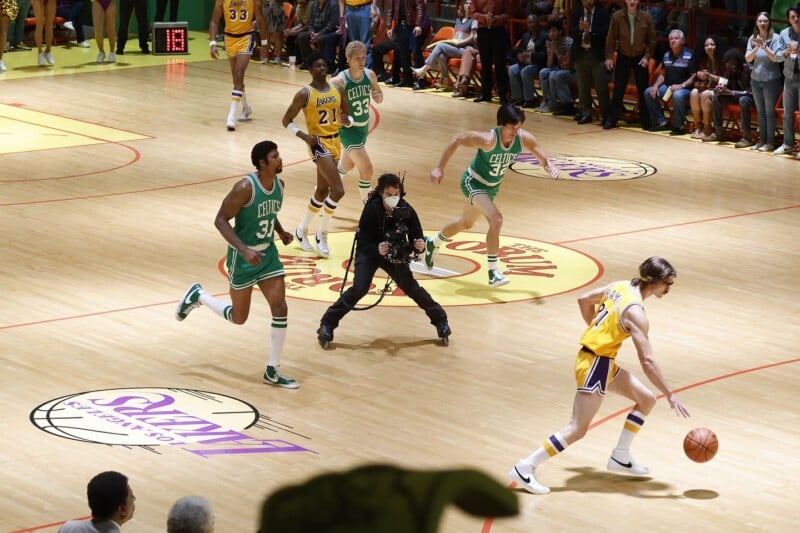
John Lyke put together a video all about his career as a rolling Hollywood cameraman. You can watch that on YouTube. More of his work can be found on Instagram.
Affiliate Disclosure PetaPixel articles may include affiliate links; we may earn a commission if you buy through one.