How to Make Your Photos More Meaningful

Your photos have meaning intrinsically linked to your own and your viewers’ personalities and subjectivities. Understanding how that works helps us to break free from bland, mundane images and create something more compelling.
There are two ends of a spectrum in photography. One is deliberately creating art, and the other is depicting an item at a certain point in time. At the artistic end, we may see carefully crafted landscapes, abstracts, or portraits. Meanwhile, at the other end of that spectrum is the snap that someone took of a jacket they are selling on Vinted. Most photos we take are a blend of the two approaches, irrespective of our intention. Therefore, the skilled product photographer will make the item of clothing they are capturing a work of art. Meanwhile, the landscape photographer, in creating their art, is also making a record of a location at a certain time.
But is photography ever an authentic record? Looking at photographs, we often assume they tell the truth. They are a frozen moment of what we think of as reality, captured without distortion. But by analysing any photo, you may realize something important: a photograph is a very limited depiction of reality. Furthermore, it is heavily influenced by the subjectivity of both the photographer and you, the viewer.
What is Subjectivity?
Objectivity aims to be neutral and factual. Meanwhile, subjectivity is the way in which personal experiences, beliefs, emotions, and life choices shape how we interpret a photo. It reminds us that every viewpoint is affected by our individual perspectives.
Therefore, a photograph, despite often being described as objective, is deeply connected to subjective choices at every stage of production. The decisions we make about what to photograph, how to photograph it, and how the image is developed and edited are all subjective.
Moreover, how you view any image is also subjective. What you see and feel may be completely different from what I see and feel when we view the same photo.
Subjectivity in Choosing What to Capture
Imagine four people taking a walk along the same stretch of beach first thing in the morning. One might photograph the sunrise, focusing on the orange dawn light. Meanwhile, another might point the camera at the person sleeping off the drunken beach party from the night before. Another may be more attracted to the gulls skimming the wave tops, while one more might be fascinated by the patterns the ebbing tide left in the sand. All those photographs are true reflections of the beach at that time. However, each reveals a different personal perspective. The photographers all had different priorities, different emotions, and perhaps different beliefs about what matters.
In other words, the world they photographed was always the same, but each photographer’s subjectivity shaped the picture they took.
We, photographers, make such decisions all the time, consciously or unconsciously. We can choose where and when to stand. We also decide what to include, what to leave out, and what lighting we want. We choose when to press the shutter. Even the choice of equipment we use produces images that reflect our personal view of the world. Maybe you shun mainstream camera brands and choose something less ordinary, which may say something about your approach and style of photography, while others prefer a big-brand model that says something about them. Neither approach is right nor wrong; it is just a personal subjective choice.
You are Influenced by Culture and Identity
All photographers have a unique blend of culture, background, and identity. Those factors influence how we see the world.
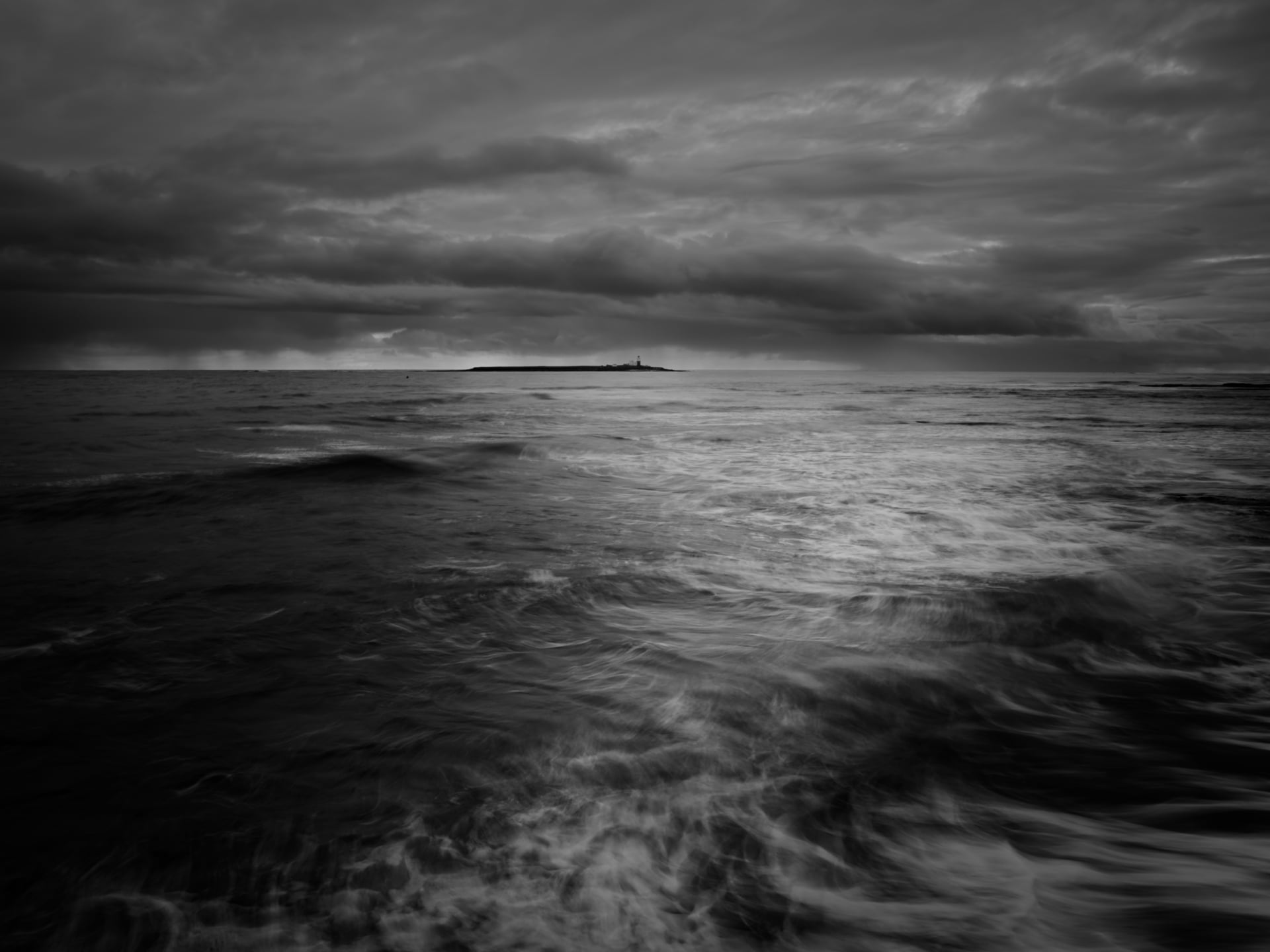
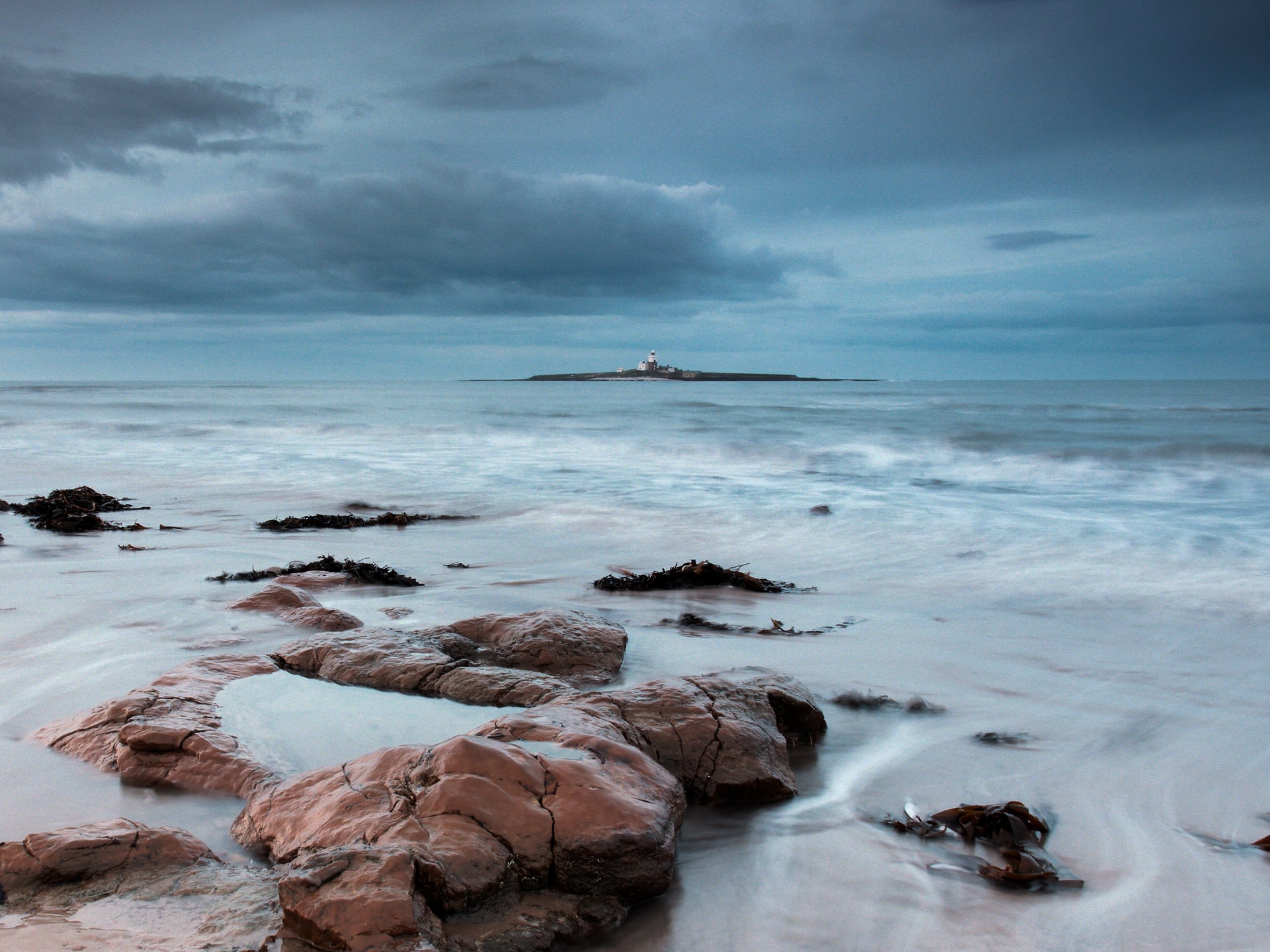
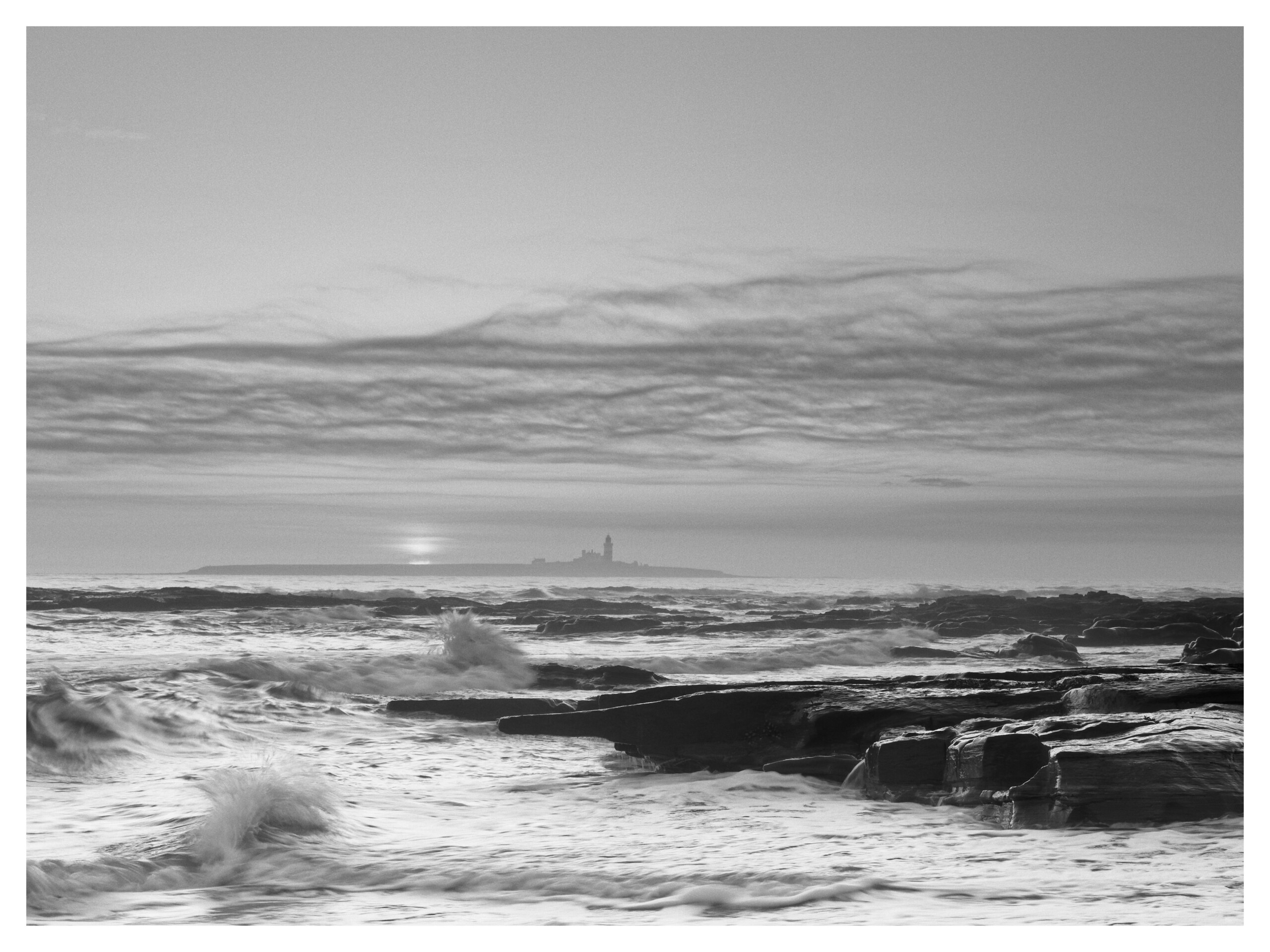
Here’s another example: there’s a big difference between how most tourists photograph my hometown and how I shoot it. Tourists usually focus on popular landmarks because they are new and exciting. Meanwhile, I go out before dawn to see the sunrise behind the island that sits a mile offshore. Alternatively, I might seek out the wildlife I know I will find at different locations at certain times of the day.
Are Any Photos Truly Objective?
Even photojournalists and documentary photographers, who work within the confines of being truthful, make subjective choices. They only show us what they want us to see, omitting most of the world around them. Meanwhile, scientific photographs may be cropped. Mugshots of criminals are taken under specific lighting conditions, and even security camera footage is influenced by the camera’s angle of view.
Consider two opposing protests. On one side, some express their passion for social justice, fight against inequality, and support immigrants. On the other side are those who are opposed to immigration and believe in repatriating anyone not born in their country. Consider those two groups and think about which side you would be on and how you would photograph your fellow protesters. You would probably want to show them in the best possible light. Now, imagine yourself in the opposing group, photographing them. Your approach may be different.
If you disagree with that and think you would be dispassionate and your photos would be the same regardless of which group you are standing in, you may well fail to put across your point of view, your story. That is the importance of using your subjectivity in photography. It conveys the meaning you want to promote.
In other words, your personal values should shape your photographic choices. This means that photography isn’t just about recording what you see; it’s also about giving your photos meaning and expressing who you are.

Framing and Composition
Even after you choose what to photograph, your subjectivity continues through decisions about framing and composition. These are active processes that require thought. Do you choose to zoom in or out? Do you hold your camera in portrait or landscape orientation, or do you adopt a Dutch tilt? Where in the frame do you place the subject?
The composition changes how viewers interpret what they see. For example, a close‑up of one of those protesters I mentioned shouting might suggest to a viewer that the entire demonstration was aggressive. Meanwhile, a wide-angle shot showing thousands of people marching peacefully, with just that one person shouting to a friend, may well create a very different impression. Of course, newspapers with a political ax to grind will use images that do exactly that to prove their point.
In short, it’s important to remember that your photography not only reflects your perspective but can also influence the perspectives and actions of those who view your images.

Timing and the Decisive Moment
Thought of as the father of street photography, Henri Cartier‑Bresson talked about the “decisive moment.” That is the instant when a photograph captures something meaningful, unexpected, or emotional.
However, even choosing that moment is subjective. Waiting for someone to smile, for a bird to fly into the seascape, or for a person to walk across the end of an alleyway all affect the feel of a photo. Those tiny subjective decisions, often made in a fraction of a second, shape the photograph’s story.
Small changes in time can completely shift the emotional tone of a photo, too. Imagine someone exhibiting raucous joy with tears of laughter running down their face. Your photo might depict that. However, a slight change in timing may lead to a different expression. Combined with those tears, the photo may misrepresent the moment entirely. It’s the instant you choose to release the shutter that becomes the limited version of reality we see.
Editing and Post‑Processing
Subjectivity also occurs during image development. Adjusting color and tone changes the viewer’s experience of the image. Even subtle edits influence mood. For example, pushing the temperature slider to the right warms the tones, making a scene feel cosy and comforting. Meanwhile, a cool-toned photo evokes a more distant feeling.
Heavy editing isn’t just capturing a moment; it is actively reinventing it. Editing takes us even further away from reality, making us wonder whether the image is still strictly a photograph.
Even black‑and‑white photography is a subjective choice. By stripping away color, we force the viewer to focus on shapes, textures, and emotions differently.
Viewers Bring Their Own Subjectivity Too
As I suggested earlier, subjectivity doesn’t end with the photographer. Our viewers also look at photographs and interpret them through their own set of life experiences, emotions, and beliefs. Those photos of the protesters I mentioned earlier will elicit very different reactions from viewers with opposing political viewpoints.
Sometimes, viewers’ subjectivity is so strong that they cannot separate the photo’s subject from the photographer. Consequently, ire is often directed at photographers by those who hold beliefs opposite to the subject’s. For example, several years ago, I photographed a march of people protesting a proposed opencast coalmine adjacent to a local beauty spot. I was verbally abused for the photo by someone in favor of the mine, although I had not stated my opinion on it in the forum where it was posted. Similarly, I saw a photographer derided for photographing a far-right rally as if the racist views held on their placards were the photographer’s own.
Those are extreme examples, of course. But photography is always a conversation between the photographer and the viewer. Their individual subjectivities influence both sides of that conversation. Once we realise that, we become more thoughtful photographers and viewers.

In Conclusion
Accepting subjectivity as a crucial part of photography. Rather than treating photos as the truth, it allows both photographers and viewers to ask questions. Why was that camera placement chosen? Why that frame shape? What was left out of the picture? What feelings does the photo evoke? etc. Everyone will answer those questions differently.
On a similar note, many photographers have suffered uninvited, harsh criticism of their photos and other creative work from usually anonymous hate-mongers that lurk online. Of course, some of those are just intent on causing upset and are best ignored. However, many are self-appointed judges, and they often lack the imagination and understanding to recognize that their opinions are subjective. Sadly, that failure to understand the other person’s point of view seems to be a growing trend worldwide today.
Recognising our own subjectivity allows us to both appreciate other people’s work and add meaning to our own photos. Thus, we become more expressive photographers because we can not only share our point of view, emotions, and ideas but also understand others’ approaches.
Most importantly, we must realise that subjectivity isn’t a flaw. Understanding that both we, the photographers, and our viewers are subjective makes photography powerful and personal.