Photographer Reflects on Epic Career Capturing Great White Sharks on ’60 Minutes’
Wildlife photographer Chris Fallows, known for his striking images of great white sharks in False Bay, spoke with 60 Minutes about his work and the species’ recent disappearance.
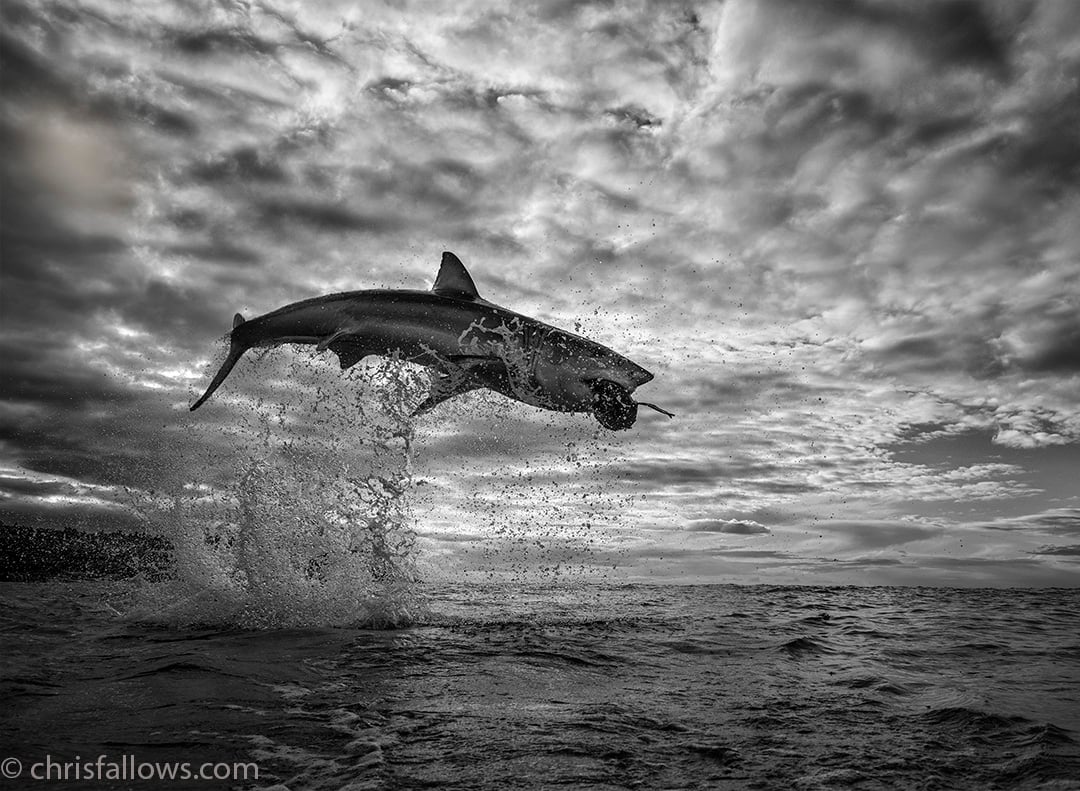
Fallow has become widely recognized for his dramatic images of great white sharks breaching the waters of False Bay near Cape Town, South Africa. When Fallows first began working in the area, he regularly observed a strong population of sharks hunting the tens of thousands of seals living on Seal Island. The conditions supported one of the most notable hunting behaviors in the species: breaching.
A decade ago, Fallows says he was seeing between 250 and 300 individual great white sharks each year. He photographed them as they launched themselves from the water in pursuit of seals, sometimes fully clearing the surface with their jaws open.
With precise timing, he says that the sharks could be seen breaching as they targeted prey. He became widely known for capturing these moments in still images, freezing the action mid-air.
“To see a 1,000-kilogram great white shark come flying out of the water, well, that’s something very few people get to see, and certainly I never got tired of it,” Fallows tells 60 Minutes Overtime on CBS.
‘A Photograph That Changed My Life’
His best known image Air Jaws helped establish his reputation. The black-and-white photograph shows a great white shark breaching with its jaws open and teeth visible.
“We’d been towing a [seal-shaped] decoy for around about an hour already, not having much success. But just something said to me, just keep your concentration and keep focused,” the photographer tells 60 Minutes Overtime.
He describes how a shark breached suddenly, and Fallows captured the moment. The sequence lasted about seven seconds.
“And it was in the days of film. [I couldn’t] look on the back of the camera and see if I’d nailed it,” Fallows says. “I waited the whole weekend, not knowing whether I’d kind of over-imagined this incredible image, whether it was going to be sharp… [on Monday] I walked into the lab, everybody was clapping.”
“It was a photograph that changed my life, and it gave me a fantastic start with my photography. And it… epitomizes the power and, I guess, predatory prowess of this incredible animal,” he adds.
Fallows later continued photographing great white sharks along the Cape Town coastline. At times, he entered the water without a cage — with the help of his wife Monique Fallows — to capture images from below as the sharks passed.
‘How Fragile Our Planet is’
However, about 10 years ago, Fallows says the population of great white sharks in False Bay began to decline sharply. Sightings dropped, and tourism connected to shark viewing also decreased. Scientists and conservationists continue to debate the reasons, but there is broad agreement that the sharks that once regularly appeared in the area are now largely gone.
“It really showed to me just how fragile our planet is,” Fallows tells 60 Minutes Overtime. “It affected me very deeply, but it was also a catalyst to doing what I do today, to try and showcase what I’ve been so privileged to see.”
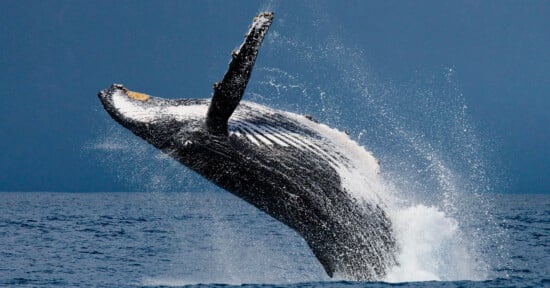
While describing the loss as “tragic,” he also pointed to signs of recovery in other marine species. He highlighted the return of humpback whales following the International Whaling Commission’s 1985 moratorium on commercial whaling. He says he has observed large groups of whales off South Africa’s coast.
“We now see groups of 150 or 200 together,” Fallows explains. “And there can probably be no more sensorial experience than photographing [them]… You smell them, you see them, you hear them, you feel the whale’s breath on you.”
“They touch you very deeply… It’s truly incredible to be in the company of the largest creatures on the planet.”
Fallows and his wife have used proceeds from his photography to support conservation work. In 2017, they purchased 61 acres in Cape Infanta for habitat restoration. They are also working to acquire a 26,500-acre property in Namibia to expand wildlife corridors and restore ecosystems. He emphasized the role individuals can play in environmental protection, urging people to take responsibility for their local surroundings.
“Don’t throw plastic in the water… I can’t tell you how many times I’ve seen animals wrapped in plastic,” he said. “All life depends on another form of life,” Fallows tells 60 Minutes Overtime.
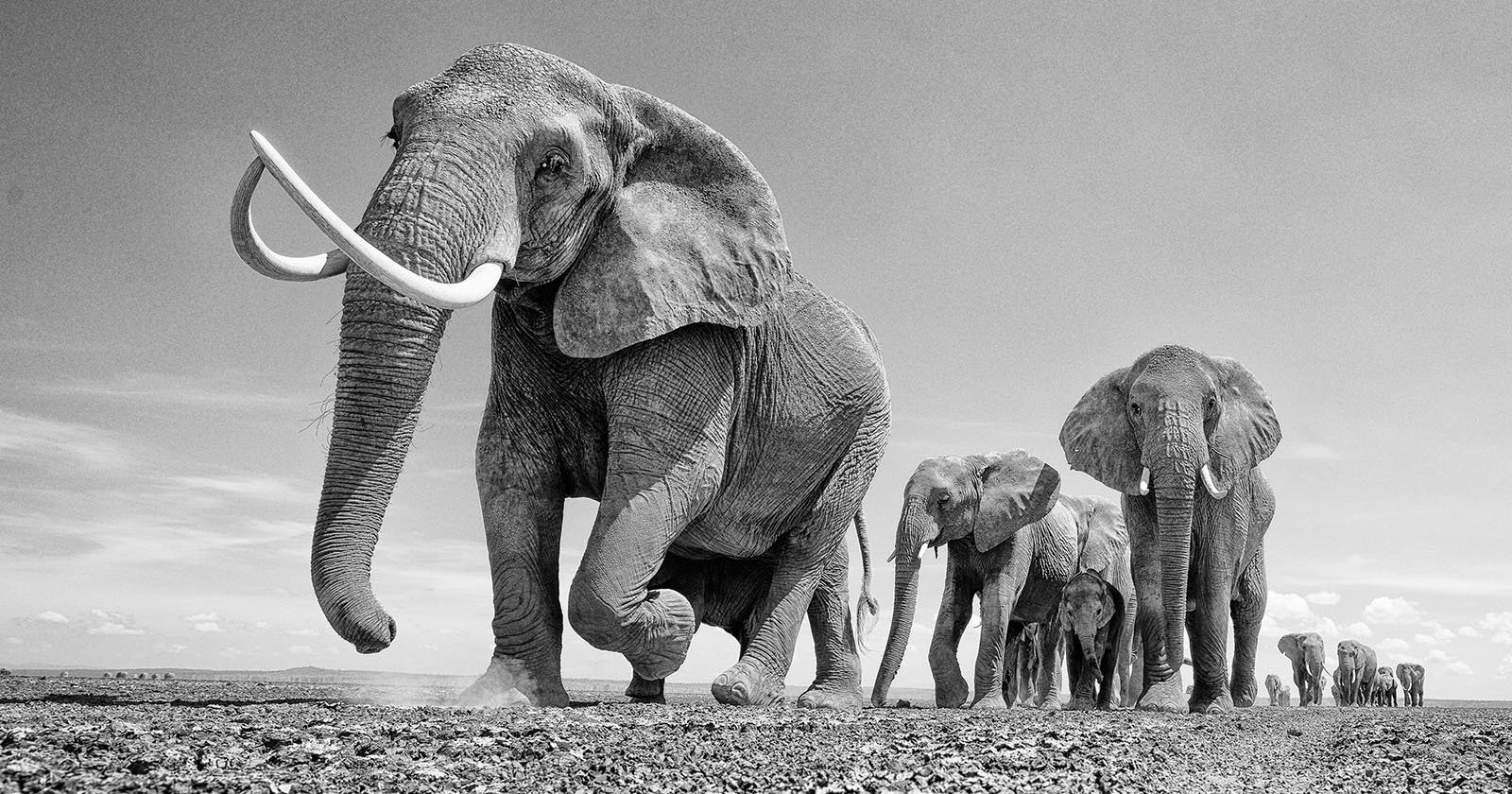
“Great white sharks, elephants, lions, penguins, they all have their own little families and ecosystems in which they live… treat them with respect.”
Affiliate Disclosure PetaPixel articles may include affiliate links; we may earn a commission if you buy through one.