Satellite Captures Awesome Photo of ISS During Astronaut Spacewalk
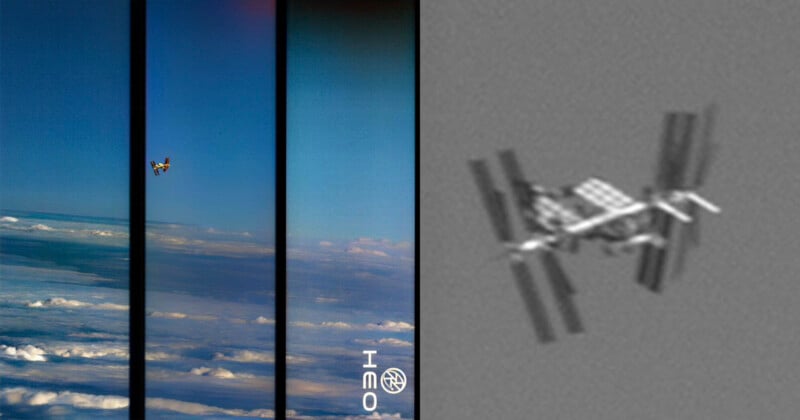
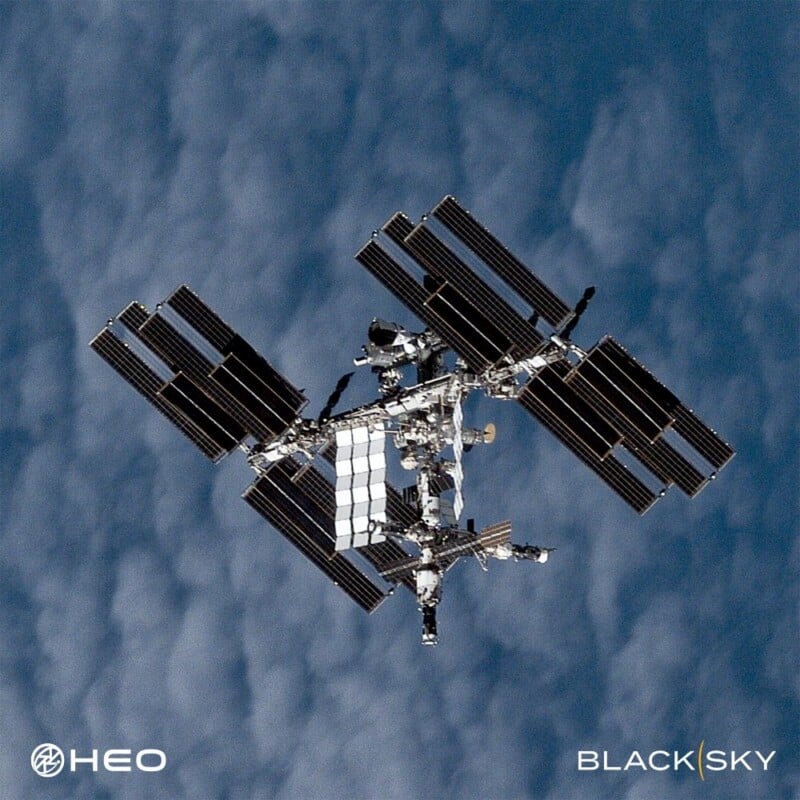
A satellite captured a “unique view” of the International Space Station as two astronauts were engaged on a spacewalk above Argentina.
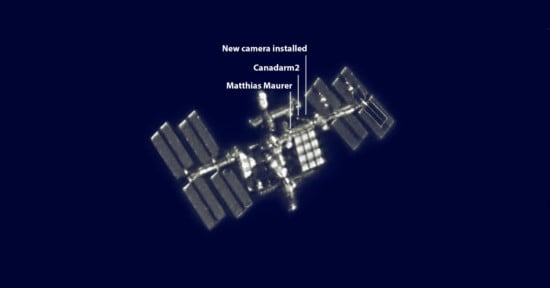
The amazing photo was taken by HEO Space on March 18 and shows the ISS above the horizon. When the photo was taken, two NASA astronauts — Jessica Meir and Chris Williams — were venturing outside the space station’s Quest airlock to prepare for a new solar array. Space.com notes that it was the first U.S. spacewalk in nearly a year.
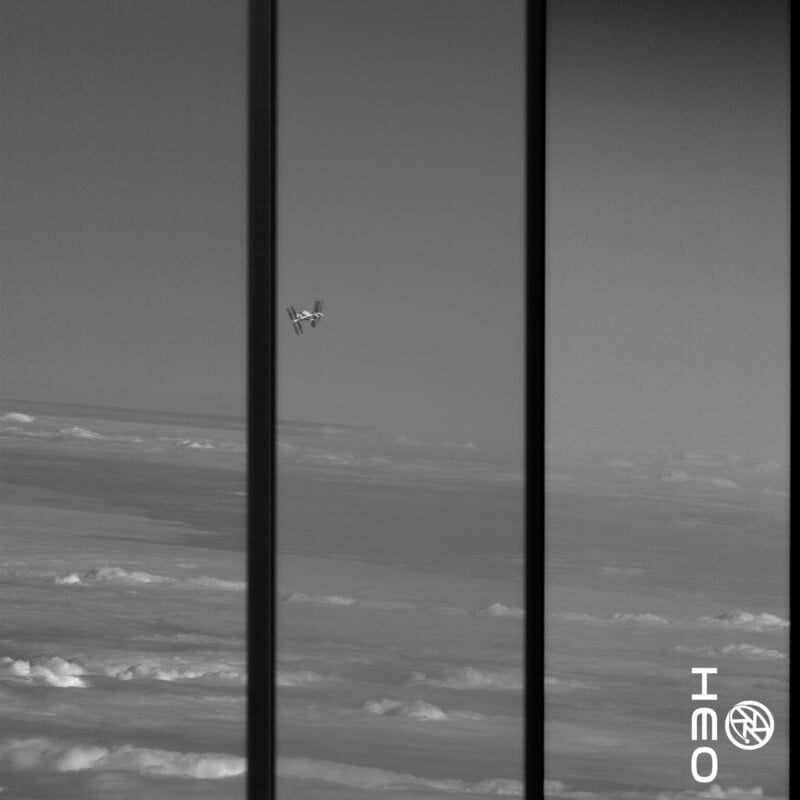
The photo was shared by HEO Space on March 23 and shared to r/spaceporn yesterday. The version shared to Reddit is a colorized image that appears to have been made by amateur astronomer Vikranth. The original is black and white.
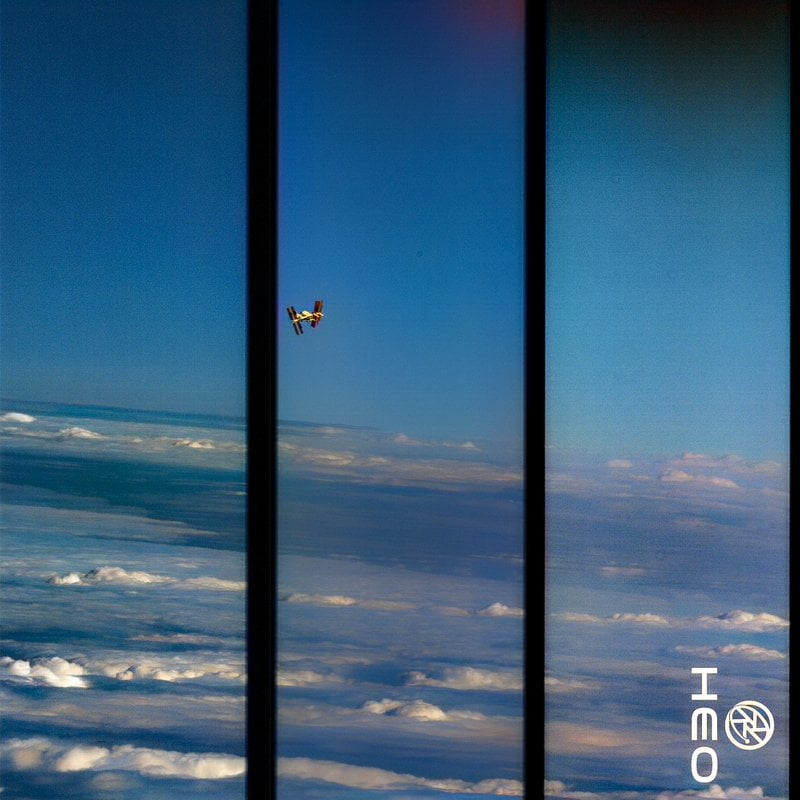
HEO doesn’t operate satellites itself; instead it partners with companies such as BlackSky to use their satellites. The reason for the three panels in the image is that the satellite used to take the photo has a relatively narrow field of view. So when it wants to take a photo of an object that is closer than Earth, it will use a panning maneuver, rotating its body as it takes a photo to do a “sweep”. The three panels are then stitched together.
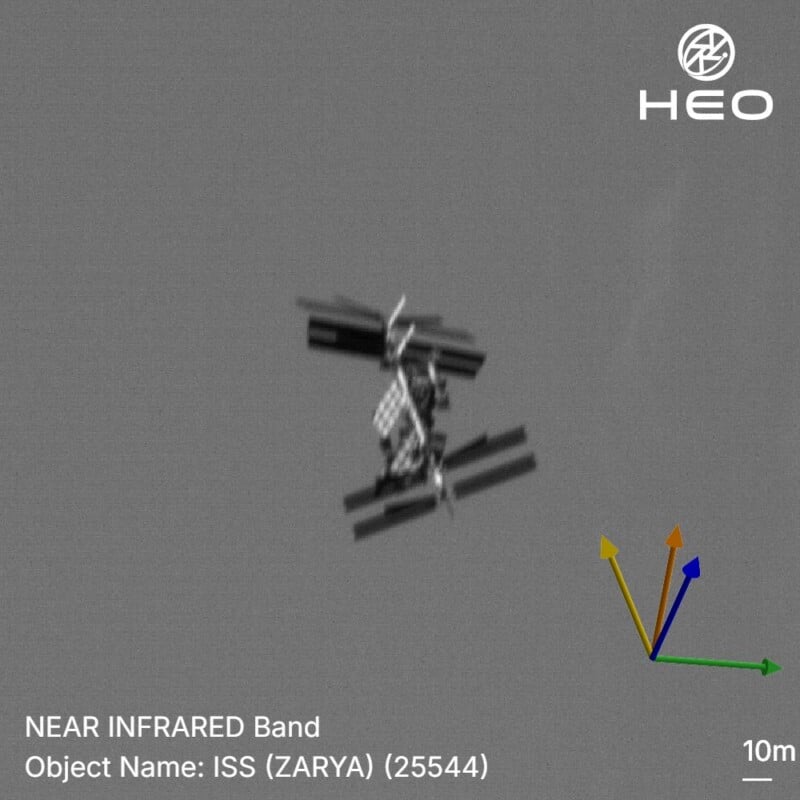
HEO Space’s technology is used to inspect other satellites for potential damage and operational awareness, as well as monitoring for space debris or other objects that could cause havoc among the heavy traffic that now orbits Earth.
But it also captures amazing imagery, too. Back in November, the company, along with BlackSky, captured a clear image of the ISS.
“The number of satellites in orbit is set to increase tenfold in the next decade. At the same time, space-to-space threats are rising and the need to inspect and maintain satellites is accelerating faster than anyone expected,” HEO Space wrote alongside the post.
“Resolution alone won’t deliver what’s needed. True understanding comes from observing satellites frequently, from multiple angles and orbits, so you can see how they behave, respond to their environment, and what they’re capable of across time and geography.”