What Hollywood is Hiding Heading into the Oscars
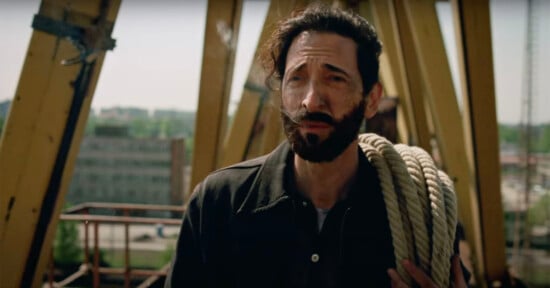
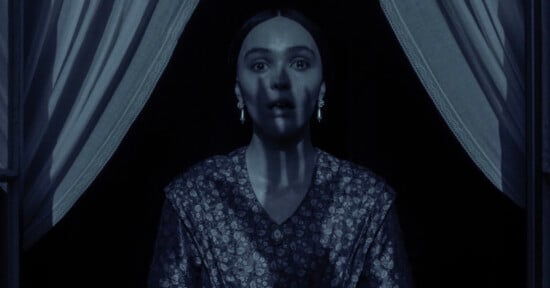
Think back to this time last year when The Brutalist was being pilloried for using AI to improve Adrian Brody’s Hungarian accent. Two other Oscar-nominated movies in 2025 had also confessed to using AI to improve speech.
The controversy and backlash may have cost The Brutalist the Best Picture award at last year’s Oscars; although Brody did win Best Actor, and the film still won Best Cinematography.
Now, we’re one year further into the unstoppable march of generative AI, and what’s been said about the controversial technology at the 2026 Oscars? In the words of one Hollywood insider, “crickets.”
“The thing with AI right now in Hollywood: Everyone’s lying just a little bit,” says Janice Min, a former editor of The Hollywood Reporter and CEO of Ankler Media. “Studios are lying about how much they’re using it.”
It’s hard to disagree. In the last 12 months, there have been huge strides forward in AI video. I believe productions are using it for small jobs in the background, and the AI models have now become so good that it’s almost impossible to spot.
But why would Hollywood not confess to using the technology? The answer is obvious. After seeing how a frank interview given by the editor of The Brutalist last year derailed the movie’s campaign for Academy glory, it would be madness for any of this year’s nominees to admit to using the new-fangled technology that is hated by so many.
We all know the reasons for AI’s deep unpopularity: the unauthorized usage of humanity’s collective creativity, the low entry bar, the energy-intensive nature of the technology, et cetera. The studios and movie productions running Oscar campaigns this year have likely told all involved to keep schtum about any AI usage.
Despite this, the wheels keep turning in the background. Ben Affleck, who often speaks eloquently about generative AI, has reportedly just sold his company Interpositive to Netflix for $600 million. Interpostive is a suite of AI tools that allows filmmakers to edit footage in post-production, from lighting to visual effects.
So yes, AI is clearly being used by Hollywood in the background, and the movie execs don’t want the public to know about it. I’ve seen a lot of the contenders for the Oscars this year, and there are some great movies in there. Three of them: One Battle After Another, Sinners, and Marty Supreme were shot mostly on film.
Nevertheless, I suspect I and many others have been unwittingly watching productions containing some level of AI wizardry happening in the background.
It reminds me a little bit of the so-called “dirtiest race in history”, the 100-meter Olympic sprint race at the 1988 Seoul Olympics. The winner, Ben Johnson, failed a drug test two days after setting a blistering world record and was disqualified. But ultimately, six of the eight who competed in the final would be caught up in doping violations at some point in their careers.
The infamous race led to much stricter anti-doping testing — if only we could introduce strict AI testing in Hollywood.
Image credits: Header photo licensed via Depositphotos.