Minnesota Activists Recreate Iconic Iwo Jima Photo With State Flag
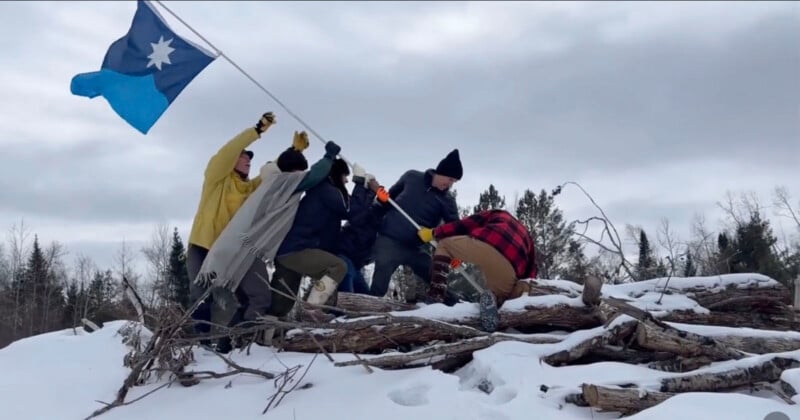
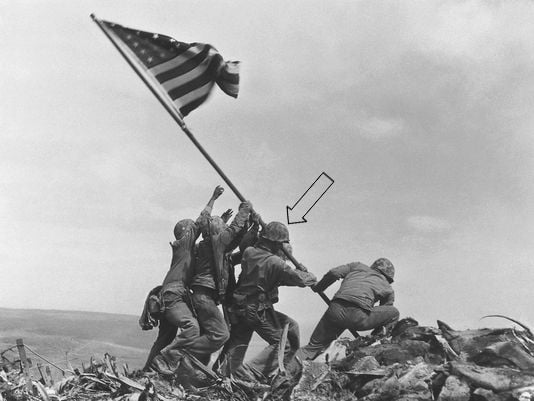
Activists in Minnesota took inspiration from Joe Rosenthal’s iconic Raising the Flag on Iwo Jima photograph by raising the Minnesota state flag.
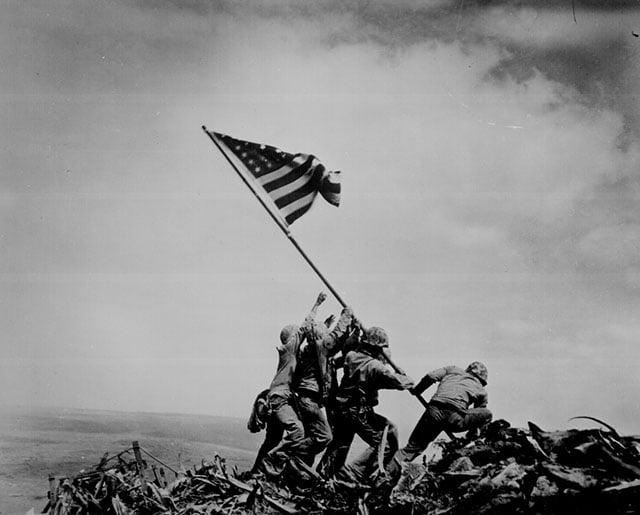
A short clip posted by Anton Treuer, shows an impressively faithful recreation of Rosenthal’s photo, which was taken atop Mount Suribachi during the Battle of Iwo Jima in the final stages of the Pacific War.
Just like Rosenthal’s photo, there are six people raising the Minnesota flag, and they’re even arranged in a similar fashion to the original taken in 1945.
Unsurprisingly, given the tense situation in the Twin Cities of Minneapolis and St Paul, there was a strong reaction online, particularly on X where Treuer has apparently removed his original post.
The “racial equity educator” and “Indigenous language warrior” was chastised for “cosplaying as American marines” by the Daily Caller. He captioned the post: “We stand for justice and a future worth fighting for!”
Ever since Minnesota adopted the new state flag in 2024, it has divided people along partisan lines. While some believe the flag has a resemblance to the Somali flag (both flags feature a star and a similar shade of blue), Reuters reports the new Minnesota state flag was not inspired by Somalia’s, according to those who designed and selected it. The Somali flag features a five-pointed star, while the Minnesota flag has an eight-pointed star. Nevertheless, the large Somali population present in Minnesota has led critics to believe that there is a connection.
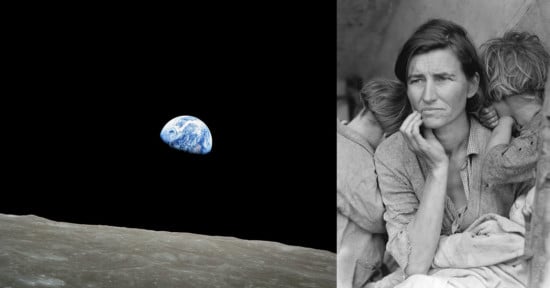
On a side note, Minnesota is the only state in the U.S. to have an official photograph. Read the story of Grace here.
Raising the Flag on Iwo Jima
Joe Rosenthal won the 1945 Pulitzer Prize for Photography for Raising the Flag, but few pictures that have won that prize have gone on to be so ingrained in the public’s consciousness. It has a claim to being the most famous photo taken in U.S. history, having been reproduced on postage stamps, war bond posters, and recreated as statues.
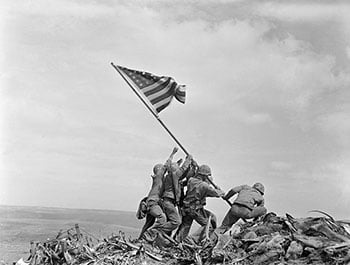
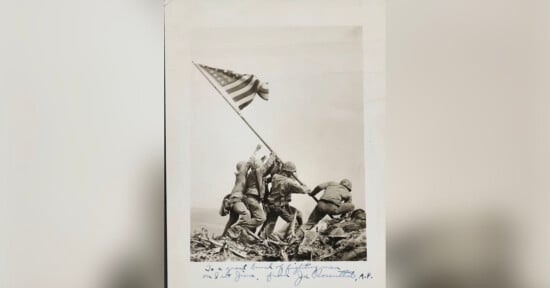
In 2024, a Type 1 version was sold for $103,090 at auction, making it the most expensive wartime image ever sold. Type 1 means it was made directly from Rosenthal’s negative within two years of it being captured.
Rosenthal has had a street named after him in San Francisco and even the Taliban recreated it after retaking Afghanistan from the U.S.