Following TikTok and Instagram, Netflix is Set to Roll Out Vertical Videos

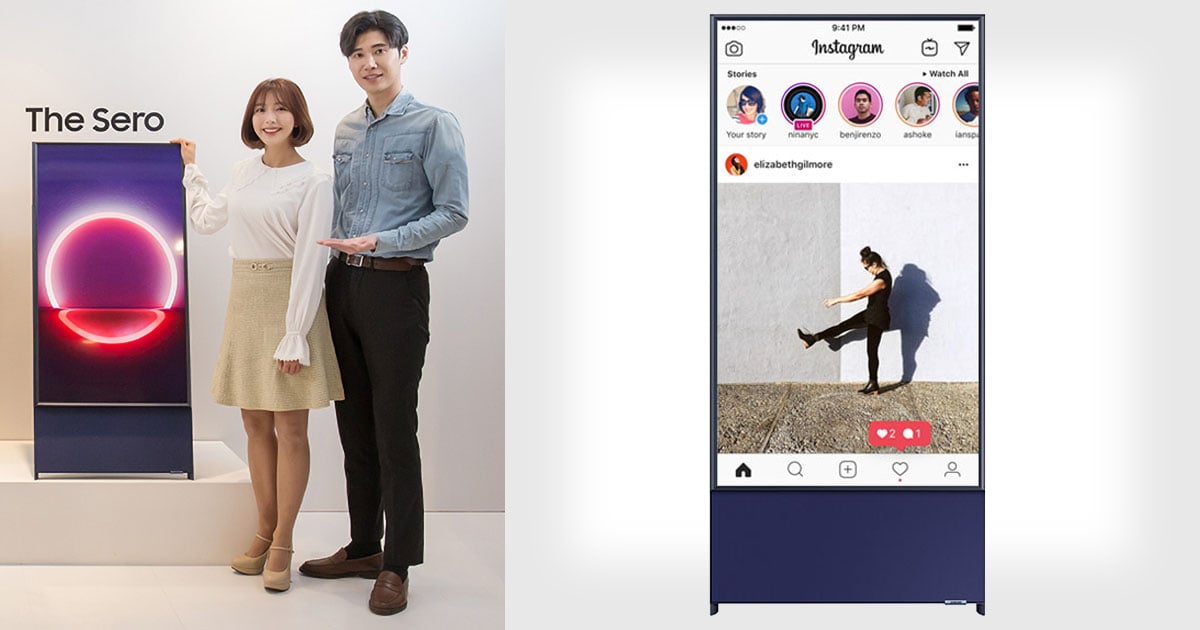
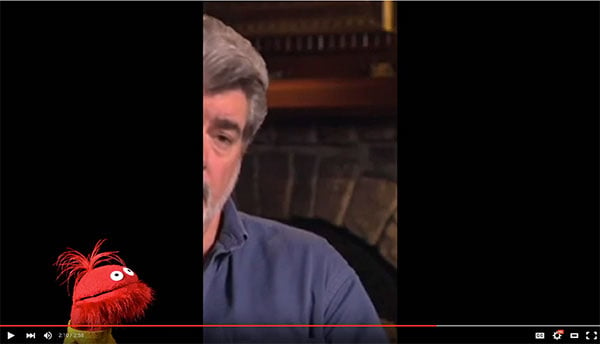
First it came for photos on Instagram, then it came for videos on YouTube, now vertical videos are set to appear on Netflix, too.
Netflix is preparing to shift its mobile experience to center on vertical video and short-form content, as it adapts to viewing habits increasingly shaped by other social platforms.
Executives confirmed the move during the company’s fourth-quarter earnings call that new mobile features tested over the past several months will be rolled out more broadly in 2026.
Co-CEO Greg Peters says Netflix has already introduced a vertical video feed in its mobile app, currently showing short clips from films and television series. The company plans to expand that feed to include additional formats, particularly video podcasts.
“You can imagine us bringing more clips based on new content types, like video podcasts,” Peters said during the call. “You can imagine us bringing more clips based on new content types, like video podcasts, which Ted [Sarandos] mentioned that we’re adding to the general service. We’ll bring the sort of appropriate components of that into that vertical video feed.”
The vertical feed, which allows users to swipe through short videos in a format similar to TikTok or Instagram Reels, has been in testing since mid-2025. So far it has primarily promoted Netflix programming, but the company now sees it as a discovery and engagement tool tied to broader mobile redesign plans.
Peters says the forthcoming mobile interface is intended to support Netflix’s long-term growth. “We’re going to roll this out later in 2026 and just like our TV UI, it then becomes a starting point, it becomes a platform for us to continue to iterate, test, evolve and improve our offering.”
A key part of that expansion is Netflix’s entry into video podcasts, a space long dominated by YouTube. Netflix has begun debuting original video podcasts hosted by high-profile figures including Pete Davidson and Michael Irvin. It has also secured partnerships with established podcast networks and platforms, bringing existing video podcast libraries from Spotify, iHeartMedia, The Ringer, and others to Netflix.
Executives framed these moves as part of a broader shift in competition for viewer attention.
“Amazon owns MGM, Apple is competing for Emmys and Oscars, and Instagram is coming next. YouTube has just surpassed BBC in monthly average audience,” co-CEO Ted Sarandos says.
“We compete for people’s attention across an even wider set of options that include streaming, broadcast, cable, gaming, social media, big tech, video platforms.”
“There’s never been more competition for creators, for consumer attention, for advertising and subscription dollars, the competitive lines around TV consumption are already blurring,” Sarandos continues.
“TV is not what we grew up on. TV is now just about everything. The Oscars and the NFL are on YouTube… Apple’s competing for Emmys and Oscars, and Instagram is coming next.”
Netflix executives have stressed that the company is not attempting to replicate social media platforms outright. Instead, leadership has positioned the mobile redesign and vertical video strategy as experimentation aimed at improving content discovery and daily engagement rather than copying competitors.
Alongside short-form video and podcasts, Netflix is also preparing to introduce original vertical-first programming. Peters describes this as part of a larger mobile evolution: “Really, this is part of a broader upgrade of our mobile (user interface). We will expand later in 2026, as it becomes a platform for us to continue to roll out further.”
Financially, Netflix reports strong performance. In 2025, the company generated $45.2 billion in revenue, including roughly $1.5 billion in advertising sales tied to its lower-priced subscription tier. Subscriber numbers surpassed 325 million paid memberships by the end of the year, representing continued global growth. Quarterly revenue in the fourth quarter rose 18 percent year-over-year.
Image credits: Header photo licensed via Depositphotos.