Ektar and Tri-X Are Now Being Distributed Directly By Kodak
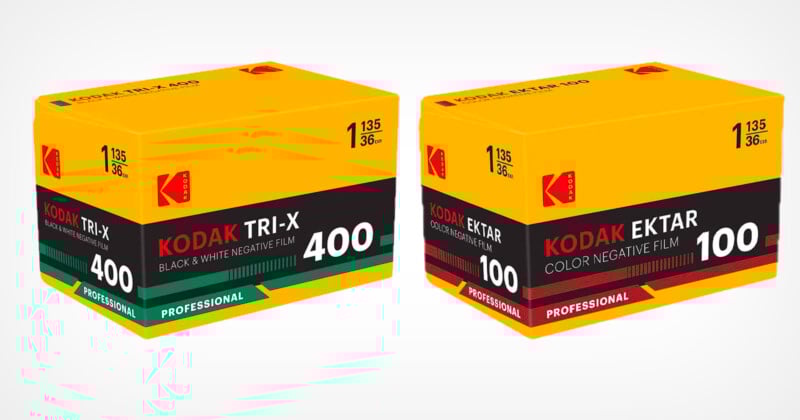
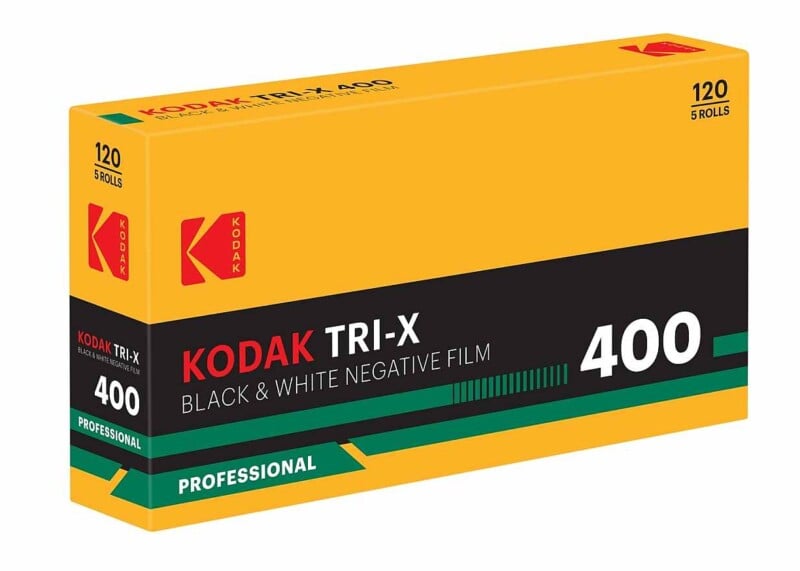
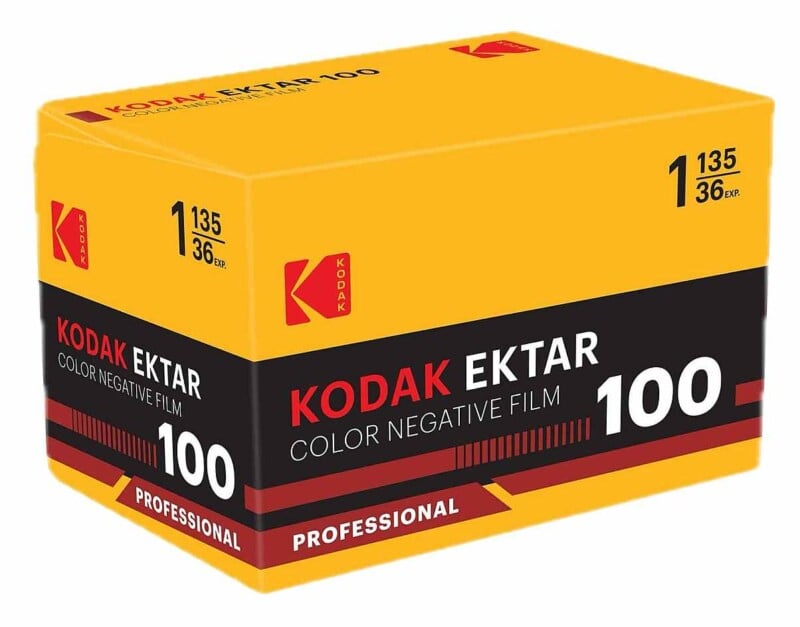
Kodak continues to assume control of its film distribution, which it calls “direct-from-Kodak” films, after starting last year with Kodacolor. Two classics now join the line and new distribution arrangement: Kodak Tri-X Black & White Negative Film and Kodak Ektar Color Negative Film, both available in 135 and 120 format rolls.
Back in November, PetaPixel highlighted Eastman Kodak’s dramatic shift in how it sells film. The Rochester company infamously filed for bankruptcy in 2012, and as part of that process, Kodak underwent significant restructuring, including selling various assets and companies, spinning off even more, and fundamentally changing the way it operated.
While Kodak continued to manufacture film, both for motion picture and still photography, its photographic film had been distributed through a British spinoff company, Kodak Alaris, founded in 2013.
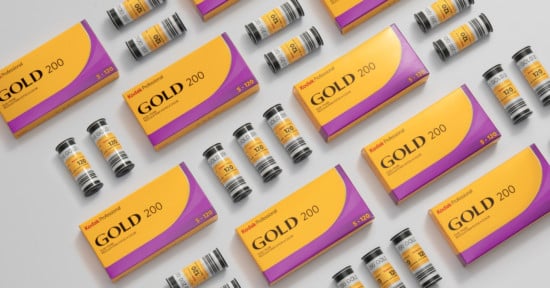
In an Instagram post, Kodak says that while the professional films have “always been manufactured by Kodak,” they are now “proudly distributed by Kodak.” The new films sit in a lineup with Kodacolor 100 and 200, Kodak Gold, and Kodak Ultramax. The films feature fresh, retro-inspired packaging, and are typically found for sale at a slightly lower price than before.
“Look for these iconic films in new packaging at your favorite online and in-store photo retailers in the U.S. and Canada,” adds Kodak.
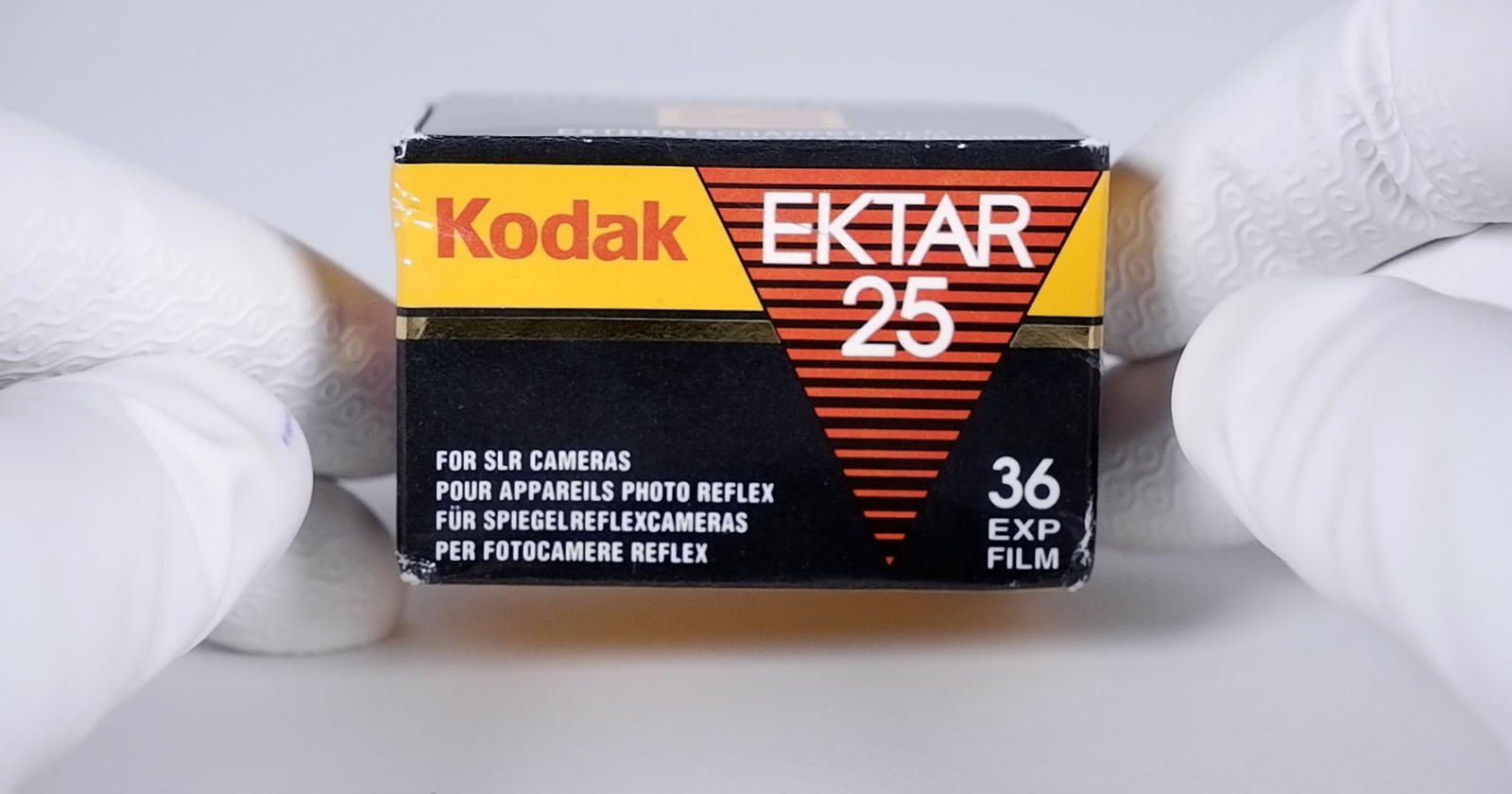
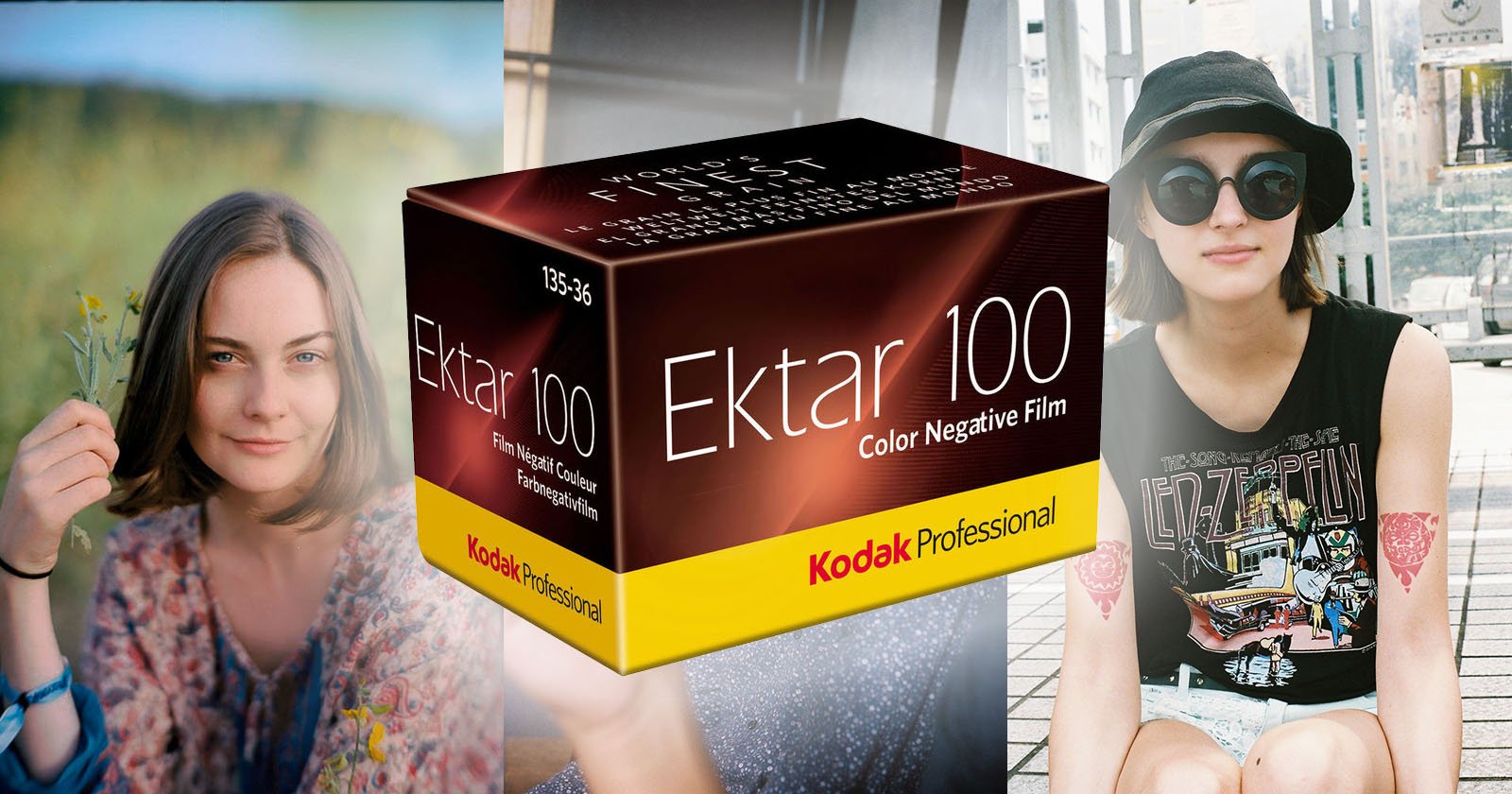
For those who are unfamiliar with Ektar and Tri-X, the Kodak film website describes Ektar 100 as a “low-speed, daylight-balanced color negative film with a nominal sensitivity of ISO 100.” Kodak says that it is the “finest grain color negative film available today,” featuring “ultra vivid color, exceptional sharpness, and enhanced color saturation.”



Meanwhile, the Tri-X 400 is a “high-speed panchromatic black and white negative film, providing versatility and distinctive aesthetics.” The company says it is “designed for a broad range of shooting conditions, Tri-X 400 delivers classic grain structure with exceptional edge sharpness and high resolving power for crisp detail.”

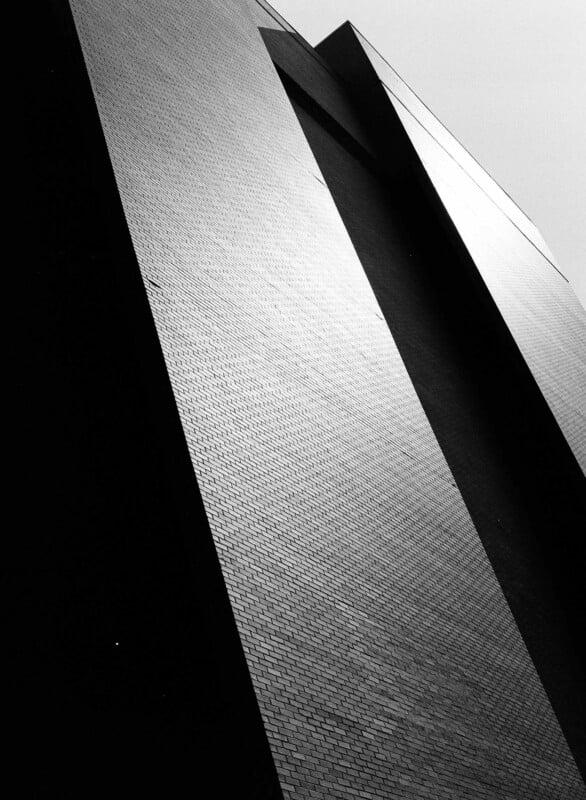

“This film’s wide exposure latitude maintains consistent tonality even in challenging lighting, making it a go-to choice for low-light environments, fast shutter speeds, and shots requiring greater depth of field including street scenes, portraits, and documentary work,” adds Kodak.
Kodak Alaris had, for more than a decade, sold, marketed, and distributed Kodak-branded still film, including legendary Kodak film stocks like Portra, Ektar, Ektachrome, Tri-X, and more. Kodak Alaris has even launched new and revised film stocks, like a reformulated Ektachrome 100 in 2018.
However, when Eastman Kodak, the original Kodak, unveiled Kodacolor 100 and 200 in late September, it signaled a shift in its film strategy. It’s a path that the company seemingly intends to continue on.
Additional reporting by Jeremy Gray
Image credits: Kodak