The Complex History Behind the Iconic Polaroid Photo on Vampire Weekend’s ‘Contra’ Album Cover

In 2010, Vampire Weekend released their second studio album Contra — one of the band’s most influential and critically acclaimed records. But the striking polaroid photograph on its cover and the tangled story behind it are almost as famous as the record itself.
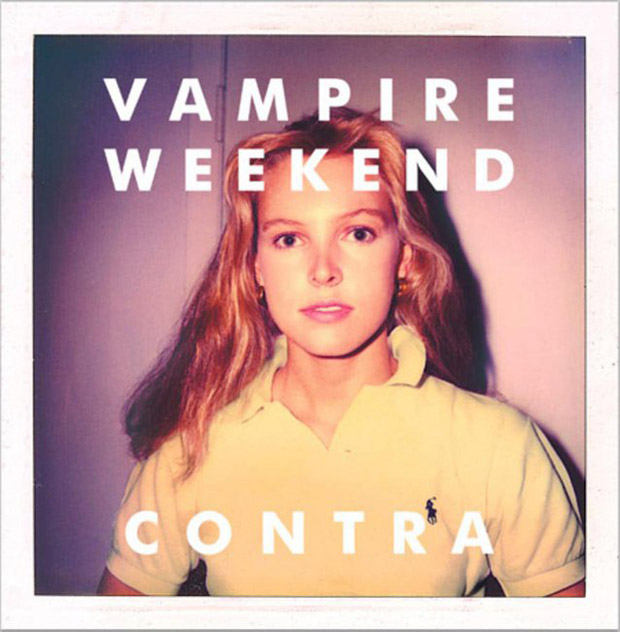
The cover of Contra features a Polaroid photograph of a young blonde woman wearing a pastel Ralph Lauren polo shirt, taken against a plain background and staring directly at the camera with a blank expression that is difficult to define. The ambiguity of the photograph became central to the album’s identity.
The photograph was discovered by Vampire Weekend band member Rostam Batmanglij while searching Flickr for “New York City 1983.” The image had been uploaded by still photographer Tod Brody, who claimed to have taken it during a casting session at Cherbuti Films in New York City in the summer of 1983.
Ahead of the album’s release, Vampire Weekend discussed their fascination for the photograph in interviews, including with music outlet Pitchfork. Lead singer Ezra Koenig explained that the band was drawn to the intriguing uncertainty in the subject’s vacant expression.
“The first expression that I read into her was some sort of hesitation,” Koenig told Pitchfork. He added that the band debated the woman’s age, noting that she “could be 15 or 27,” and said the ambiguity made her seem as though she was “on the cusp of something,” which he felt aligned with the themes of the album.
Koenig emphasized that the band knew nothing about the woman herself, although they believed she was “now living in Malibu.”
“We know where the image came from, but we’re not being very specific about her. We don’t know her or anything,” he said in a further interview with MTV ahead of Contra’s release.
“What makes it interesting is her face,” Koenig adds, adding that the photograph invited viewers to project their own interpretations onto it.
Vampire Weekend reportedly purchased the Polaroid photo from Brody for $5,000 to use as the album cover for Contra. At the time, Brody said he had been in possession of the photograph for 26 years.
‘It Felt like Someone Was Exploiting Me’
The story took a turn when it emerged that the woman in the photograph was Ann Kirsten Kennis. According to Vanity Fair, Kennis became aware of the image after Contra had already been released. Her teenage daughter discovered Vampire Weekend’s album in early 2010 and showed it to her mother, who immediately recognized herself in the decades-old photograph, despite not remembering posing for the image.
Kennis, who was 52 at the time, described the moment to Vanity Fair , recalling returning to her Connecticut home to find her daughter looking at an online ad featuring the album cover.
“And I was like, ‘Yeah, that’s strange. That’s me, many years ago,’” Kennis told the magazine.
Initially, Kennis said she found the attention flattering, especially because her daughter loved that the band had used the photograph as the album cover. But over time, as she saw the photograph repeatedly used in Vampire Weekend ads and as a large-scale backdrop at the band’s concerts, her feelings changed.
“It felt like someone was exploiting me,” she told Vanity Fair. “Who do these people think they are that they can just take my picture from god only knows where and plaster it everywhere?”
Who Took the Polaroid Photograph?
Kennis filed a lawsuit against Vampire Weekend and Brody that same year, seeking $2 million in damages. In court documents, she argued that the album cover played a significant role in generating attention for Contra, contributing to its commercial success. She also stated that the photograph was taken while she was “a high-fashion model under contract with prestigious agencies in New York City.”
Brody maintained that Kennis had signed a release form in 2009 authorizing his use of the image. Kennis denied this, claiming the signature was forged. A further statement released by Kennis’ lawyer Alan Neigher claimed that Brody did not take the photo at all. Instead, it was alleged that the Polaroid photo was taken by Kennis’ mother.
“Her mother was a chronic Polaroid snapshot taker, and used to sell whole archives of photographs to these shops, five bucks a hundred or whatever.” Kennis’ attorney Alan Neigher, told Entertainment Weekly in 2011. “Her mother may have given away to a charity bazaar a whole ream of photographs. We just really don’t know… She has no idea how that photograph got into the photographer’s hands.”
Kennis reportedly claimed her mother took the picture because there’s a door frame in the background, she had little make-up on, and she wasn’t dressed for a casting photo. However, this claim was questioned by Kennis’ own former agent Sue Charney who told Vanity Fair: “To me it is very clearly a Polaroid taken at a casting session”.
Throughout the legal dispute, Vampire Weekend and their label XL Recordings maintained that they had followed proper procedures to license the image and placed responsibility for any wrongdoing on Brody. Even so, the case raised questions about due diligence, as the band paid Brody without fully establishing the photograph’s provenance. The lawsuit between Kennis and the band ultimately ended in a settlement, resulting in the dismissal of her claims against Vampire Weekend.
But following this, Vampire Weekend sued Brody, accusing the photographer of misrepresenting his rights to the Contra image. According to a report by The Guardian at the time, it allegedly took weeks for the parties to track him down. Brody’s lawyers eventually quit the case, claiming the photographer became hostile and ignored phone calls and bills. Brody died four years later, before any widely reported final resolution of the band’s lawsuit against him.