Photographers We Lost in 2025
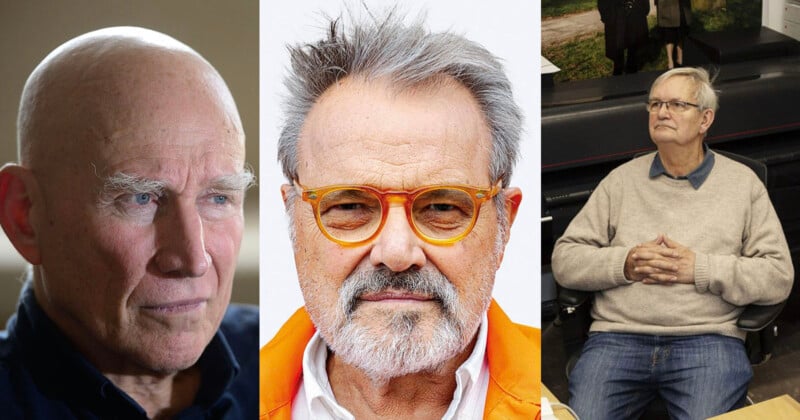
2025 has marked the passing of several influential photographers whose momentous work helped shape the visual history of the world.
From documentary projects that confronted social and environmental realities to images that defined fashion, culture, and everyday life, their photographs continue to resonate long after they were taken.
This roundup reflects on some of the notable figures from the photographic community who died this year, and the legacies they leave behind.
Sebastião Salgado
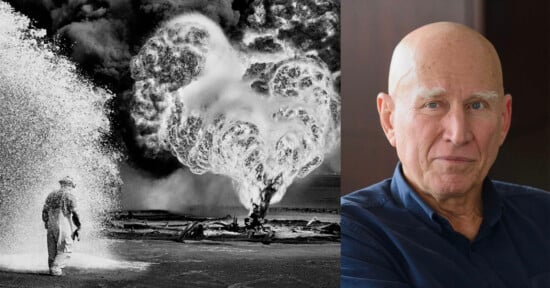
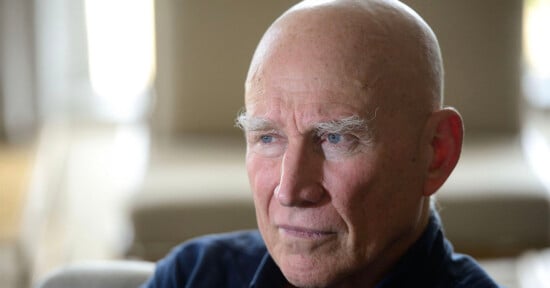
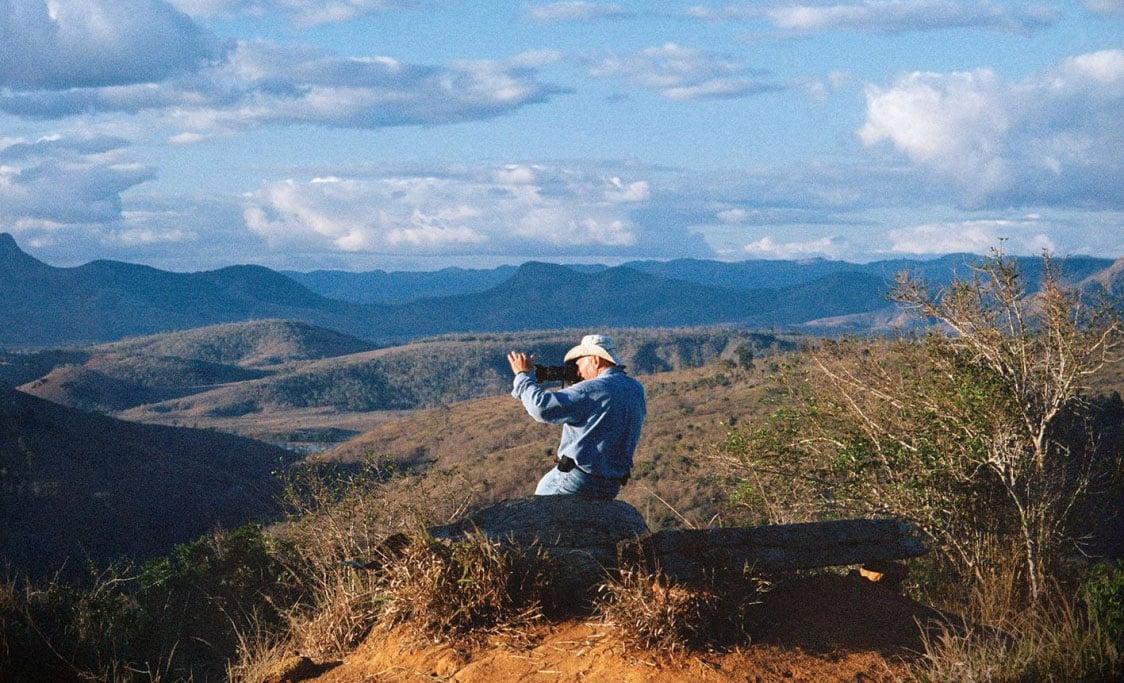
Sebastião Salgado (1944–2025) was a Brazilian photographer known for his powerful black-and-white images that examined themes of labor, migration, conflict, and the environment.
Trained as an economist, Salgado turned to photography in the 1970s. His major projects — including Workers, Migrations, and Genesis — combined epic scale with moral urgency, becoming landmarks of documentary photography.
A longtime member of Magnum Photos, Salgado visited at least 120 countries. Although the travel caught up with him, he suffered from a blood disorder that was a result of the malaria he caught while in Indonesia. He also had a spinal issue from when a landmine blew up a vehicle he was riding in during Mozambique’s War of Independence in 1974.
Salgado died in May.
Martin Parr
Martin Parr (1952–2025) died just this month. His death led to a great outpouring of affection for the British photographer whose work turned the ordinary into the extraordinary.
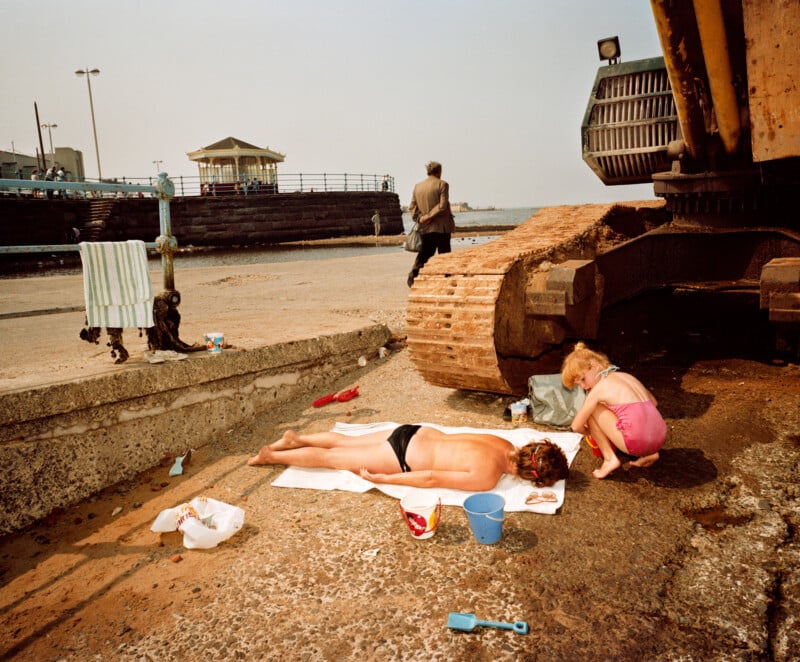
Best known for his unsparing yet often humorous depictions of leisure, consumerism, and class, Parr chronicled ordinary life with a visual language that was instantly recognisable and frequently divisive. His photographs of beachgoers, tourists, food, and rituals challenged conventional ideas of documentary photography by embracing colour, flash, and irony.
A longtime member and later president of Magnum Photos, Parr helped redefine the boundaries of the documentary tradition while remaining deeply rooted in it.
Oliviero Toscani
Oliviero Toscani (1942–2025) was best known for his role as art director at Benetton. During that period in the 1980s and 1990s, the Italian photographer oversaw a series of provocative photo shoots for the fashion brand that addressed themes of racism, war, religion, AIDS, and capital punishment. His work blurred the line between commercial photography and political messaging, forcing global audiences to engage with uncomfortable realities.
Toscani died in January, after he had been diagnosed with amyloidosis, a rare disease that causes abnormal amyloid deposits throughout the body, including in the brain, heart, kidneys, and other vital organs.
Jane Goodall
Dr. Jane Goodall (1934-2025) was primarily known for being “the world’s preeminent chimpanzee expert” — but photography played a crucial role in the British anthropologist’s work.
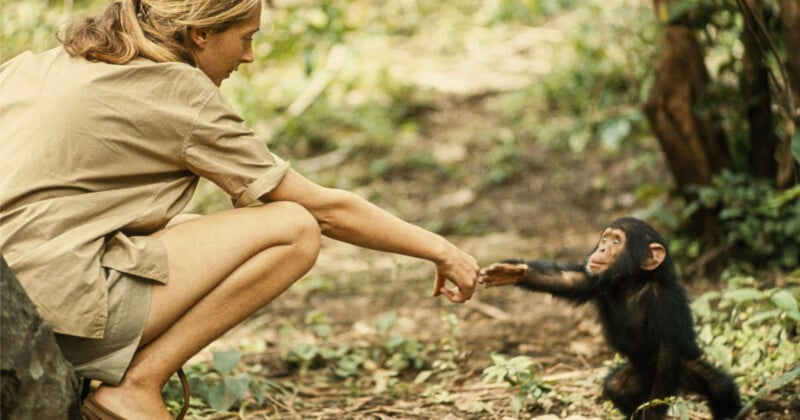
Early in her career, images captured during her field research provided visual evidence of the complex social lives of chimpanzees, from tool use to emotional expression. These photographs allowed the broader public to see chimpanzees not as distant, abstract subjects of study, but as sentient beings with personalities, families, and social bonds.
Dr. Goodall understood that photography could translate scientific observation into a universal language. By documenting intimate moments between animals, she brought empathy and awareness to conservation causes, helping people connect emotionally with species that might otherwise have seemed remote or inaccessible.
Images of Goodall, many captured by her first husband, Hugo van Lawick, were widely used in books, documentaries, and lectures, bringing her discoveries to life and amplifying her message about the urgency of protecting wildlife and habitats.
Dr. Goodall died in October.
Berengo Gardin
Dubbed “Italy’s Cartier-Bresson,” Berengo Gardin (1930-2025) called himself a “witness of my era” and documented Italy’s post-war society. He published over 250 books.
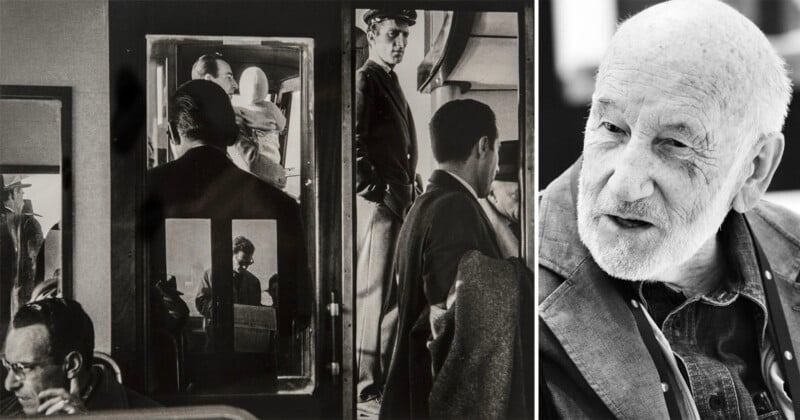
Gardin has been compared to the great French photographer Henri Cartier-Bresson, an analogy he enjoyed since he idolized the street photography giant. “He was a god to me,” Gardin said.
Gardin died in August.
Michele Singer Reiner
Michele Singer Reiner (1955-2025) passed in tragic circumstances earlier this month. While her husband, Rob Reiner, was a famous director and actor, Michele was a talented photographer whose images were seen by millions.
Some of Michele’s best-known work was when her husband Rob was directing Misery (1990), a movie adaptation of a Stephen King novel of the same name. The photos for Misery are truly memorable and perfectly capture the horror of Kathy Bates’s character. Michele shot photos of other productions too, including early video games.
David Lynch
Much like Dr. Goodall, director David Lynch (1946-2025) was not primarily a photographer, yet his impact on the medium is undeniable.
Lynch says his photography heroes, including Diane Arbus and William Eggleston, directly influenced his work. While later photographers, like Gregory Crewdson and Todd Hido, both cite Lynch as a source of inspiration.
“When I saw Blue Velvet for the first time, it changed my life,” Crewdson wrote back in January when Lynch’s death was announced.
Additional reporting by Kate Garibaldi, Pesala Bandara, and Jeremy Gray.