Camtraptions’ Celebrated Camera Trap Motion Sensor Is Now Even Better
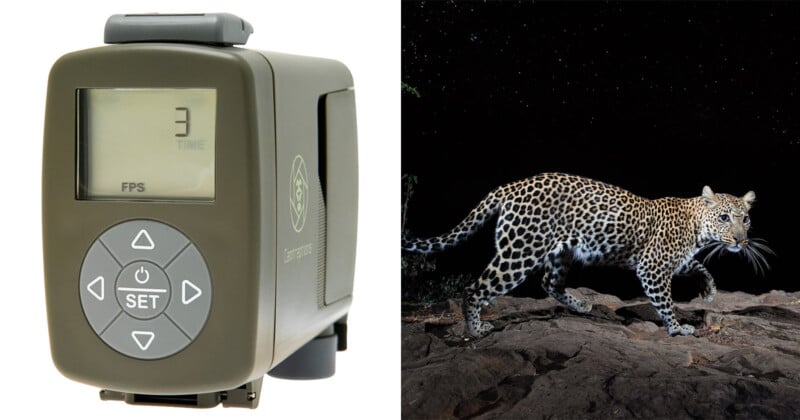
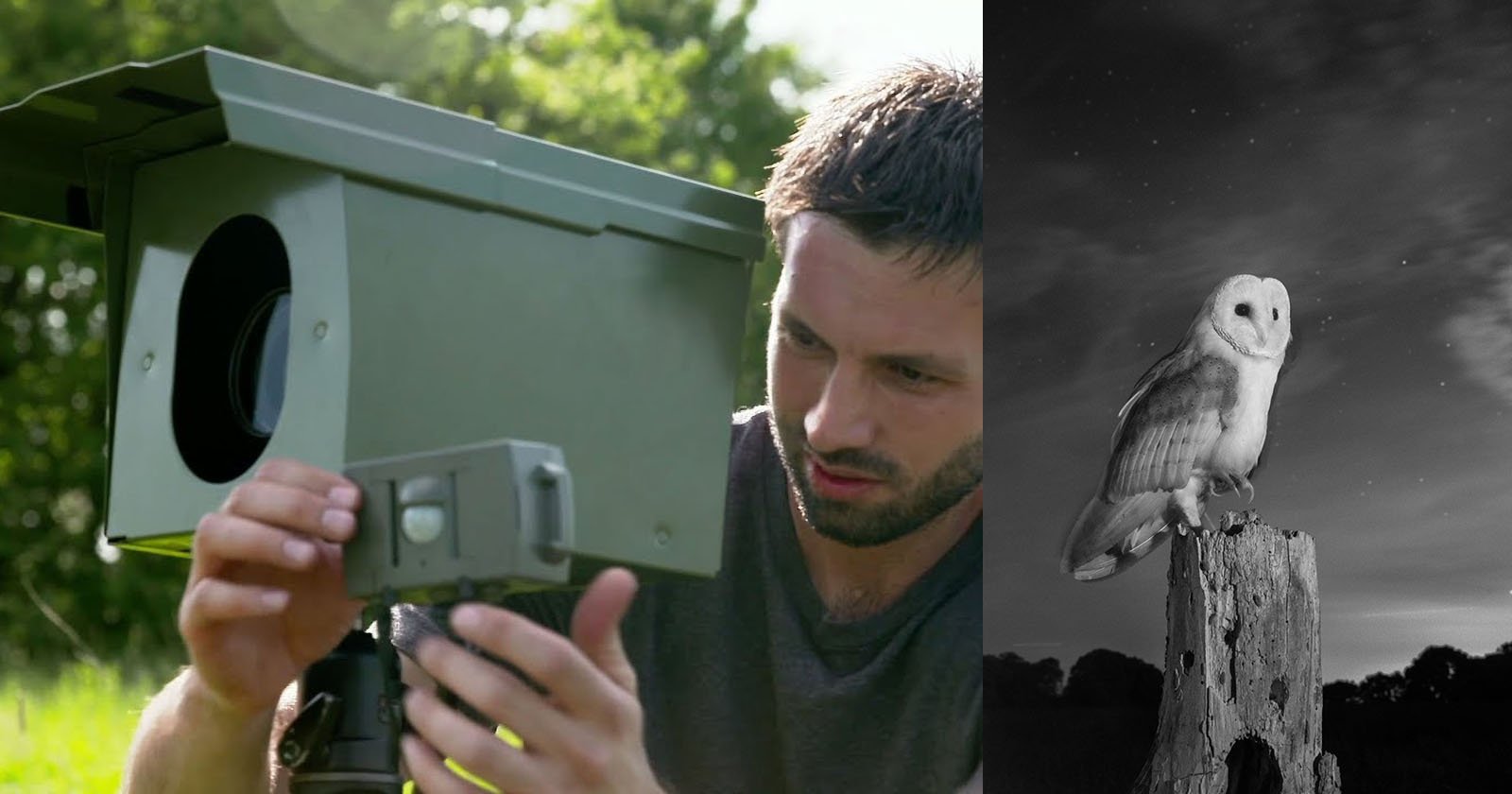
Nature photographer Will Burrard-Lucas, acclaimed for his superb remote camera photography, also runs a camera trap company, Camtraptions. Burrard-Lucas’ company has just released the PIR Motion Sensor v4, a new camera-trap sensor six years in the making.
The PIR v4 sensor is Camtraptions’ first new camera trap sensor release in over seven years, and Burrard-Lucas says he is “thrilled” to bring it to the passionate remote photography community.
“I originally created Camtraptions to share the tools I’d been building for my own camera trap projects, so that other photographers, filmmakers and conservationists could benefit from the same technology,” Burrard-Lucas tells PetaPixel. “More than a decade later, one of the most rewarding parts of my work has been seeing how people around the world have used this equipment — not only to capture spectacular wildlife imagery, but also to advance conservation projects, document elusive species, and raise awareness in ways that have gone far beyond my original expectations.”
Camtraptions explains that its new motion sensor, the latest evolution in the company’s industry-leading wildlife camera triggering system, has been completely redesigned for improved ease of use, better precision, and enhanced reliability. All these changes are the result of extensive real-world experience that Camtraptions users have had over the years.
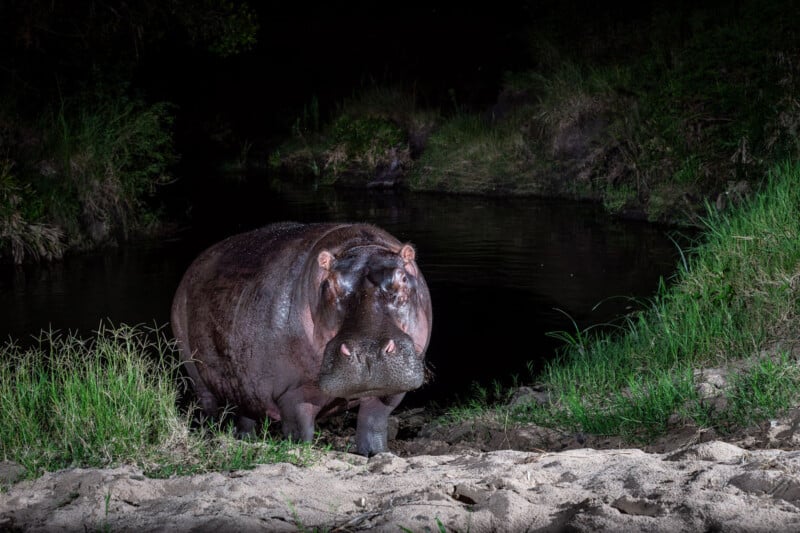
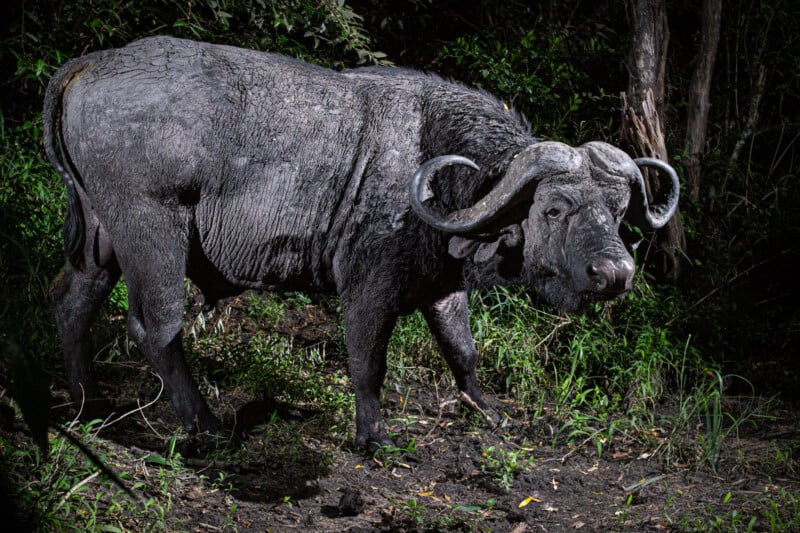
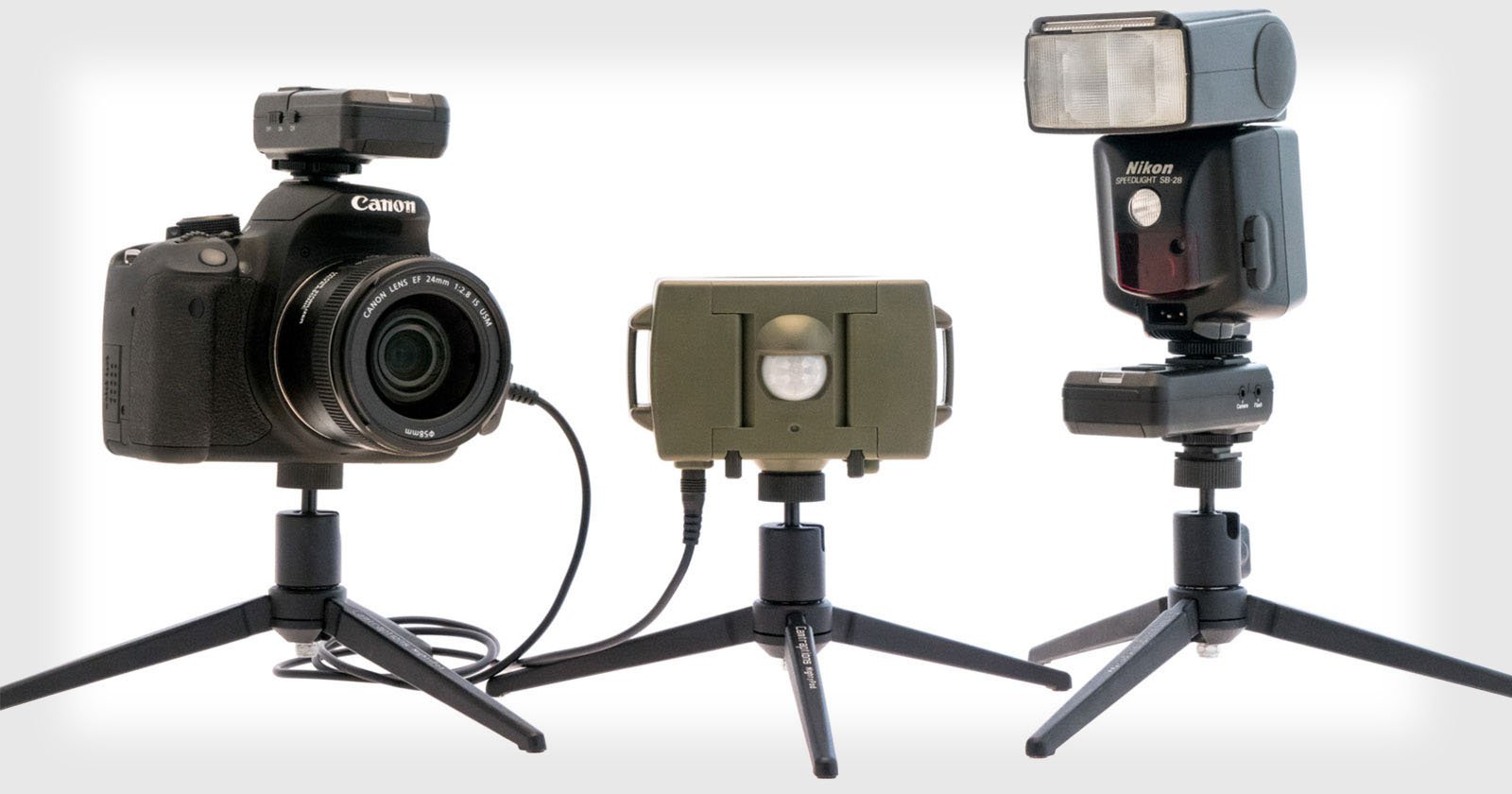
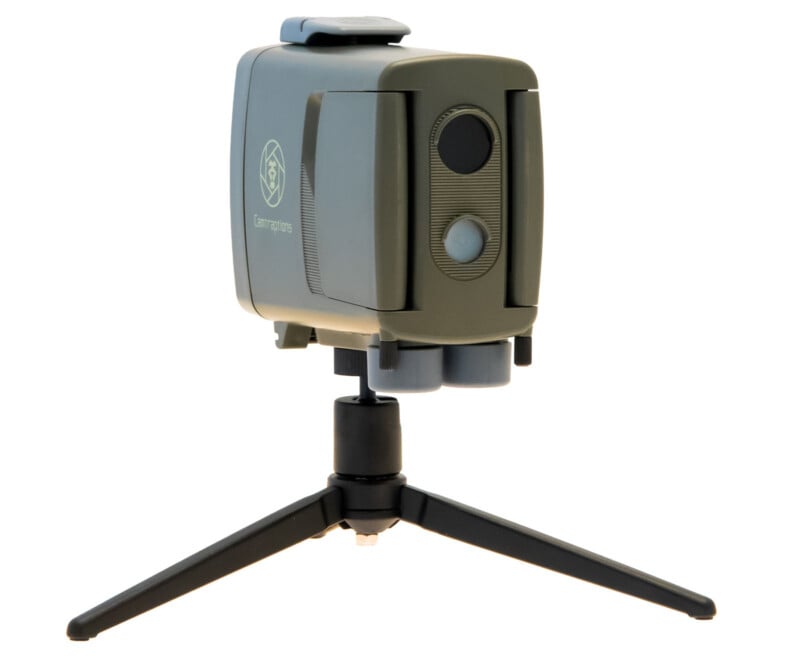
The PIR v4, like the motion sensors that came before it, uses passive infrared (PIR) technology to automatically trigger photographic equipment, such as DSLRs and mirrorless cameras. The motion sensor can operate wirelessly via an integrated transmitter or through a direct wired connection. It forms the heart of a camera trap system, the company explains, and is the “flagship product” in the broader Camtraptions ecosystem, which includes waterproof camera housings, flashes, mounts, and other accessories.
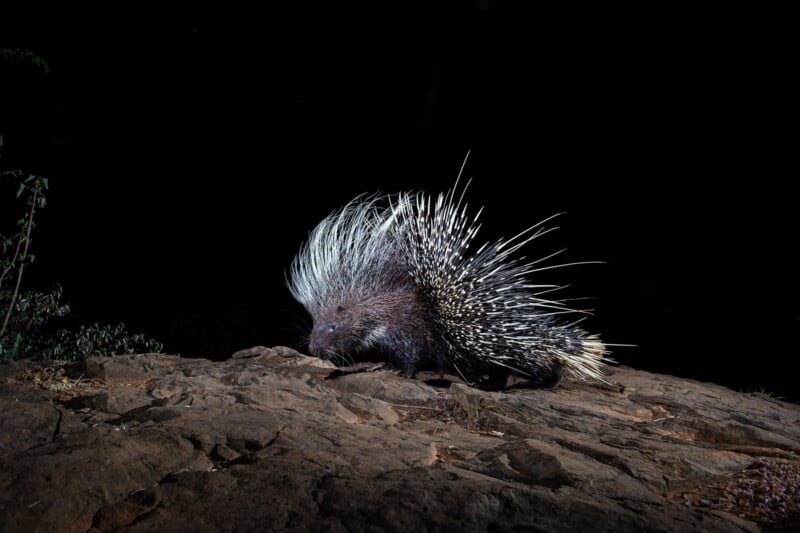
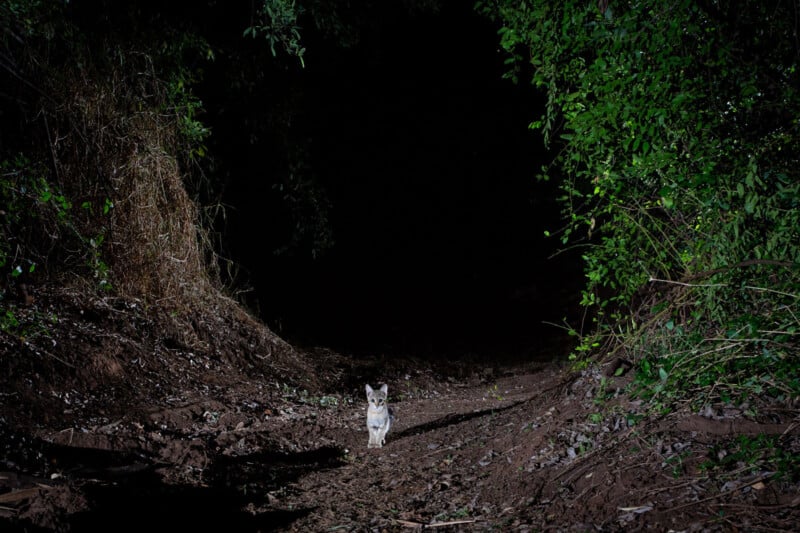
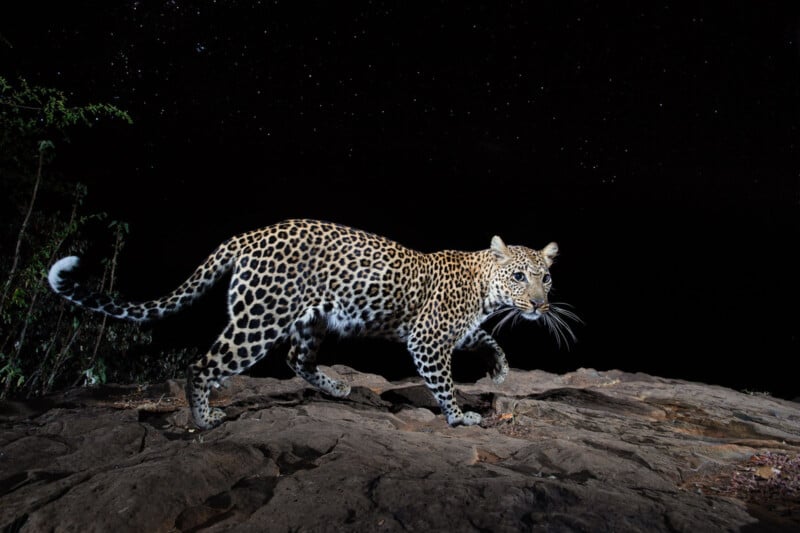
Photographers have used Camtraptions motion sensors to capture award-winning work over the years, including, most recently, Wim van den Heever’s Grand Prize-winning photo in Wildlife Photographer of the Year.
The PIR v4 incorporates a new dual-lens detection system that combines a wide (60°) and a far (10°) PIR sensor to improve trigger-zone precision, especially when photographing distant subjects. The device also includes enhanced detection algorithms and additional user customization options to improve response time and reduce false triggers.
The Camtraptions PIR v4 also has a new LCD and tactile keypad to make configuration easier and faster in the field, and users can now switch between stills and video modes and adjust parameters “such as sensitivity, number of shots, frame rate, trigger delay, wireless channel, and more — all directly from the device.”
“The version 4 gives photographers unprecedented control and flexibility in the field,” says Will Burrard-Lucas, founder of Camtraptions.
“Setting up the sensor takes less than a minute — it’s never been quicker or easier to deploy a reliable, high-performance camera trap. And for those who want full creative control, every setting can be adjusted directly on the device — from fine-tuning the trigger zone to configuring advanced trigger sequences.”
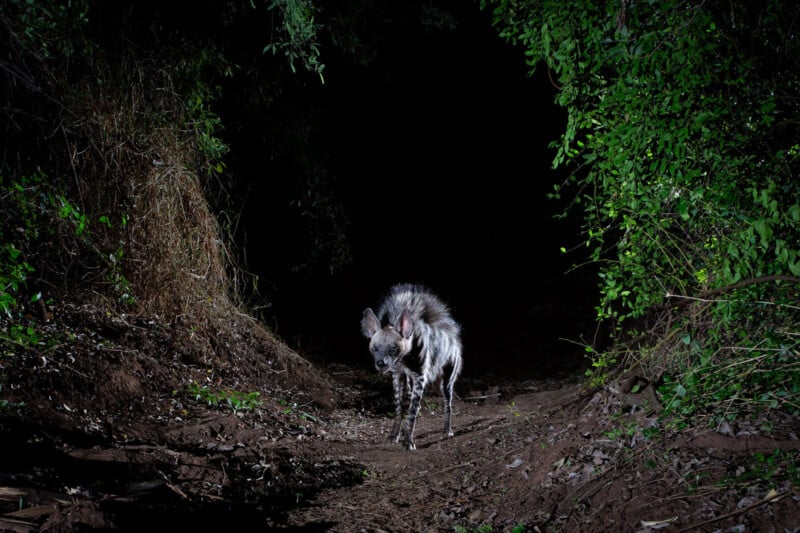

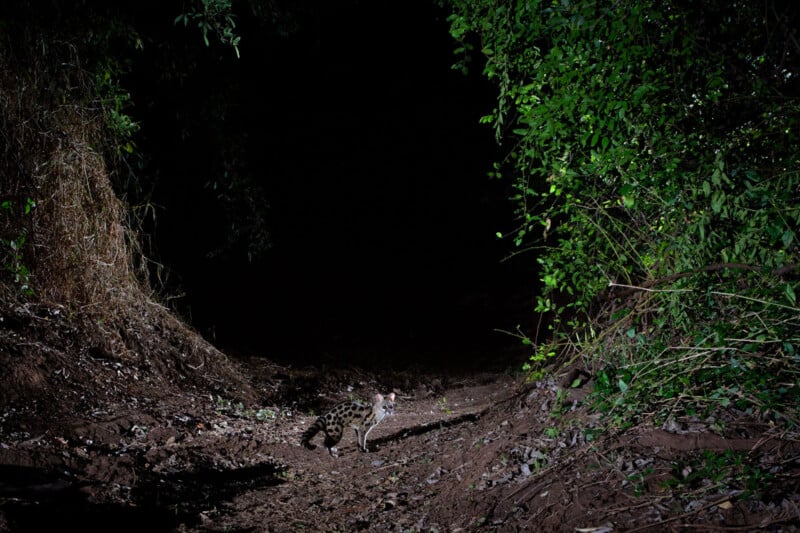
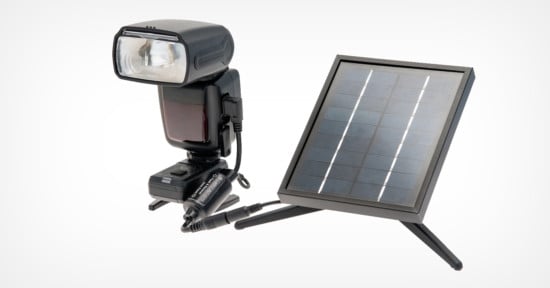
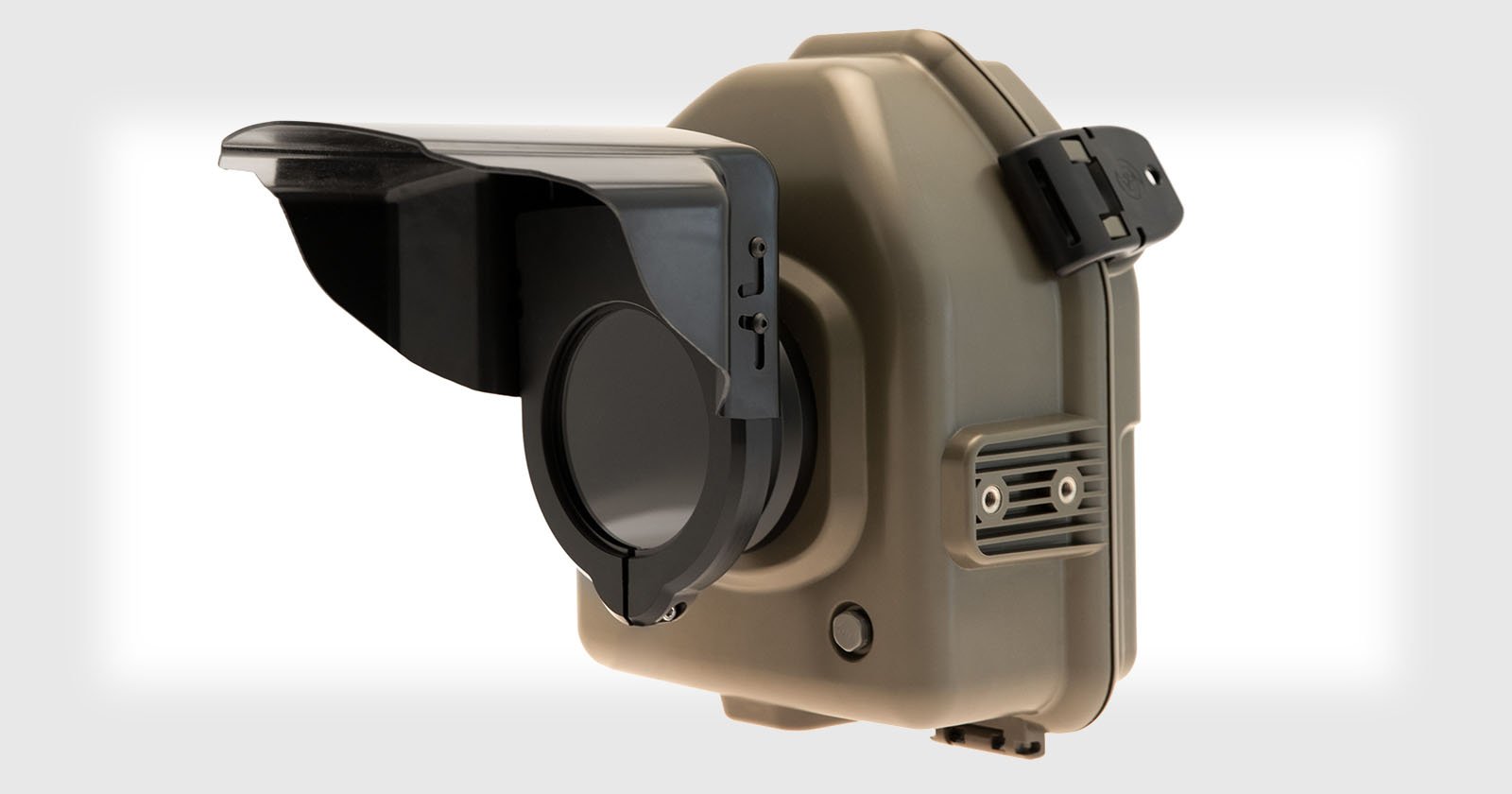
Unsurprisingly, the PIR v4 is built to withstand extreme conditions. The weather-sealed device has a gasketed rear door and robust dual mounting points. The device now also works with widely available NP-F lithium-ion batteries, although it includes a 6x AA adapter and supports external power via DC inputs. When powered by an NP-F 970 battery, the PIR v4 can run for more than three months.
“The choice to use NP-F batteries is a good example of how we design our products,” adds Will Burrard-Lucas. “As a wildlife photographer myself, I make decisions based on what I would want to use in the field. NP-F batteries deliver the full performance of lithium-ion power without the drawbacks of a proprietary format. They’re affordable, globally available, and easy to replace — which ultimately gives photographers more flexibility and control.”
Pricing and Availability
The Camtraptions PIR v4 Motion Sensor is available now for $216, although it is $250.13 for U.S. customers due to tariffs.
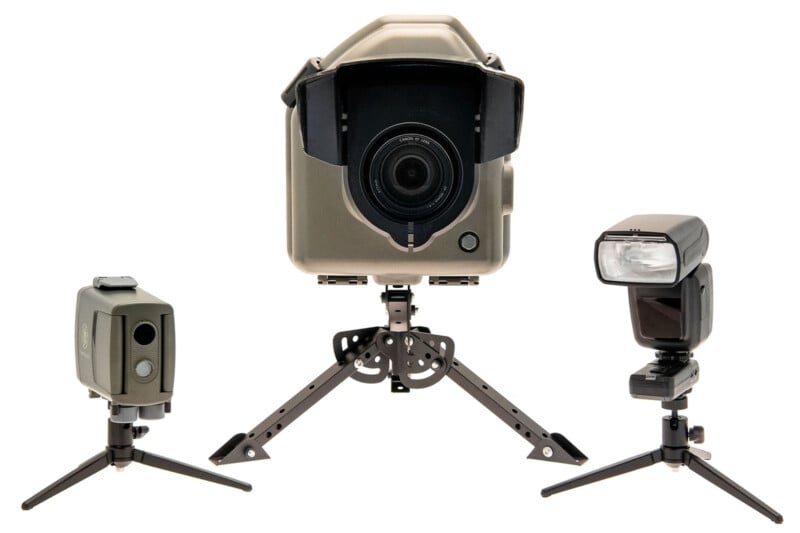
There is also a new Wilderness Camera Trap Bundle for $978.50 ($1,133.39 in the U.S.). This includes the new PIR Motion Sensor v4, a weather-sealed camera housing, two Z Pro camera trap flashes, two flash housings, a wireless transmitter, three wireless receivers, six battery holders, and connecting cables.
Image credits: Camtraptions. Real-world sample photos by Will Burrard-Lucas.