Meta Wins US Antitrust Case and Won’t Have to Sell Instagram
Meta has defeated the landmark antitrust case that could have forced it to sell off Instagram and WhatsApp.
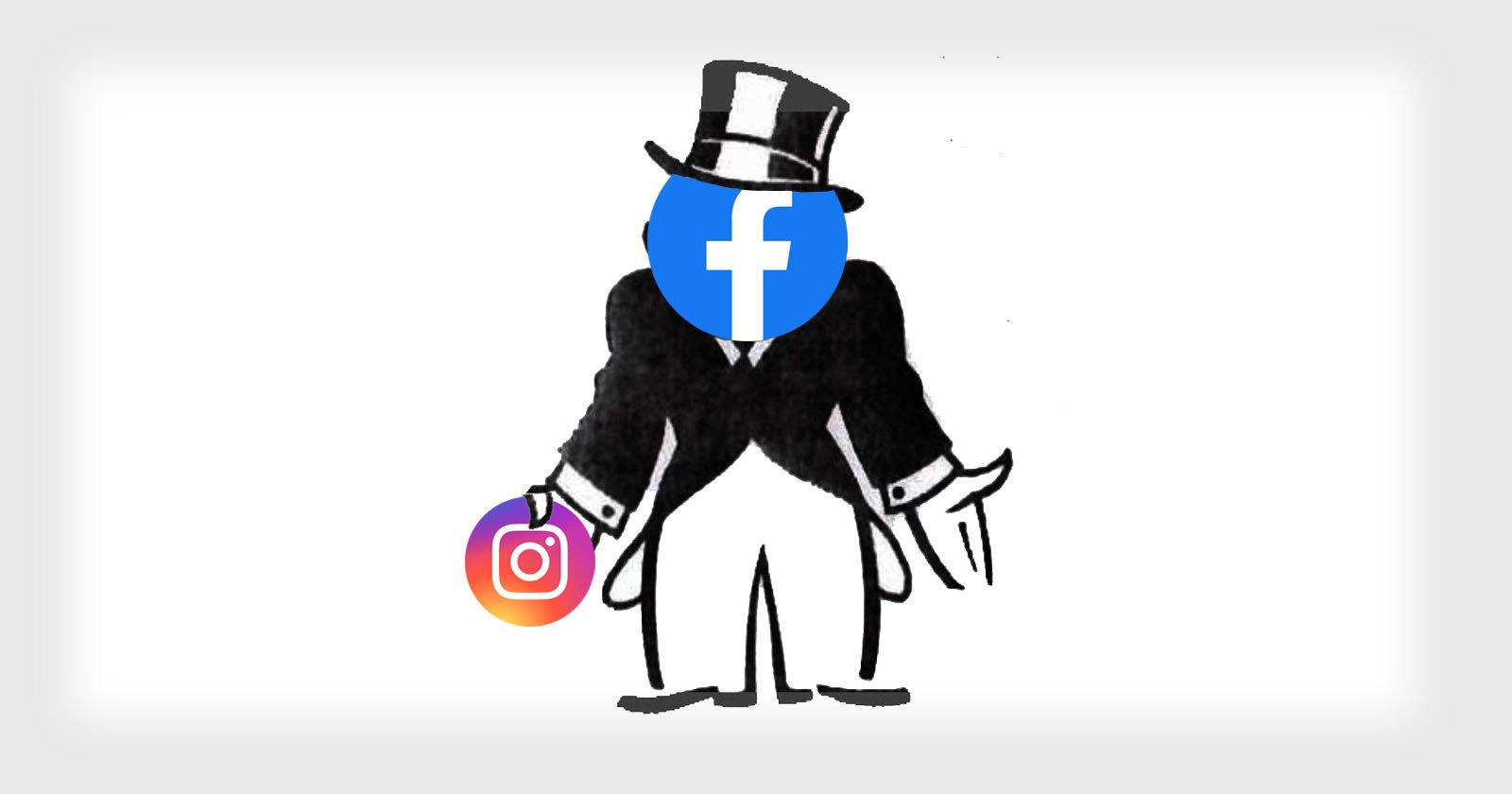
The Federal Trade Commission (FTC) sued Meta, claiming the company secured a monopoly in social media by purchasing its rivals. In a trial that began in Washington, D.C. in April, the US antitrust watchdog alleged that Meta, which already owned Facebook, bought Instagram in 2012 and WhatsApp in 2014 to eliminate competition before those platforms could grow into serious rivals. The FTC accused Meta of establishing what it claims is an illegal monopoly in the social media landscape.
The agency sought to force Meta to restructure or sell Instagram and WhatsApp to restore competition, arguing that the company had spent billions of dollars on the acquisitions to eliminate emerging competitors.
However, a federal judge rejected the FTC’s efforts, concluding that the government had not demonstrated that Meta operates as an illegal monopoly.
In his decision, U.S. District Judge James E. Boasberg held that the acquisitions of Instagram and WhatsApp did not breach antitrust law. He accepted Meta’s argument that the social media industry is far broader and more competitive than the FTC described. Boasberg wrote that Meta faces rivals across the wider online ecosystem rather than a narrow market defined by the government.
Boasberg noted substantial changes in the sector since the case was first filed five years ago, pointing in particular to the rapid ascent of TikTok as evidence of ongoing competition. He also faulted the FTC for overlooking YouTube’s role in the marketplace.
“Even if YouTube is out, including TikTok alone defeats the FTC’s case,” Judge Boasberg writes in his ruling.
Meta CEO Mark Zuckerberg, former operating chief Sheryl Sandberg, Instagram co-founder Kevin Systrom, and other current and former Meta executives all testified in the trial. In his testimony, Zuckerberg claimed that he bought Instagram because it had a “better” camera than the one the company was trying to build with Facebook.
With the company’s victory on Tuesday, Meta avoids the prospect of being broken up or ordered to divest Instagram and WhatsApp.
“The Court’s decision today recognizes that Meta faces fierce competition,” Meta’s chief legal officer Jennifer Newstead said in a statement. “Our products are beneficial for people and businesses and exemplify American innovation and economic growth. We look forward to continuing to partner with the Administration and to invest in America.”
“We are deeply disappointed in this decision,” says Joe Simonson, director of Public Affairs at the FTC, who adds that the agency is reviewing all of its options.
Image credits: Header photo licensed via Depositphotos.