Judge Orders US Agency to Stop Blurring and Hiding Public Photos of Bycatch in Fisheries
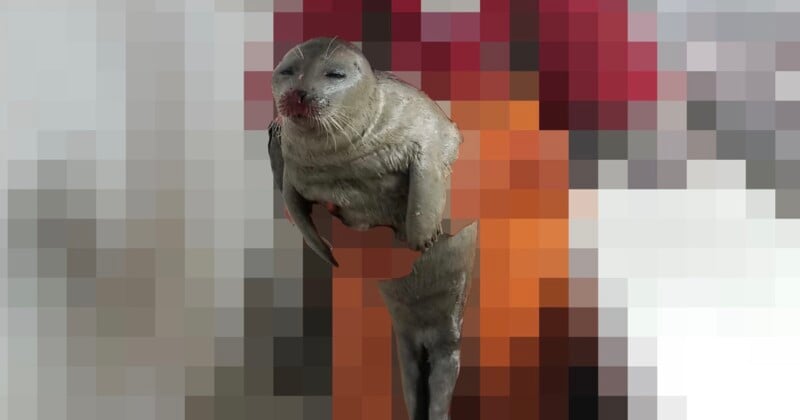
A judge has ordered a U.S. government agency to stop blurring, pixelating, and blacking out public photos of animals accidentally caught while fishing for other species.
In December, environmental nonprofit Oceana filed two lawsuits against the U.S. federal agency National Marine Fisheries Service (NMFS) for withholding public photos and videos.
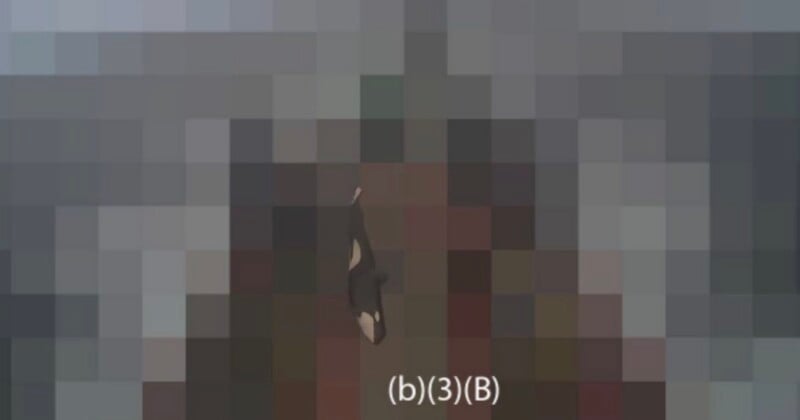
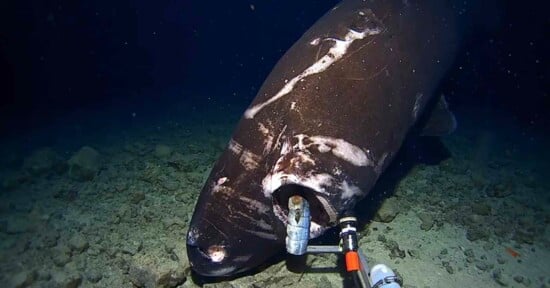
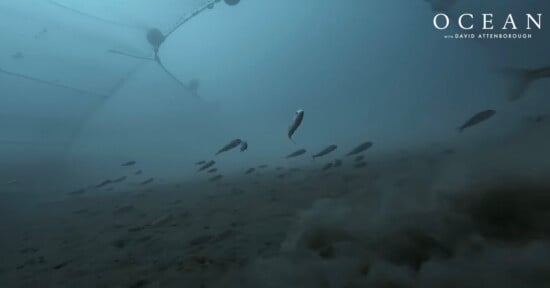
The lawsuits stem from four separate Freedom of Information Act (FOIA) requests between 2021 and 2023 in which Oceana requested public records, photographs, and videos related to “bycatch” in trawl fisheries off California and Alaska. Bycatch refers to fish or other marine species that are caught unintentionally while targeting different species. This can include marine mammals, seabirds, sharks, or non-target fish in commercial fishing operations. Bycatch is a major concern because it can damage ecosystems and threaten vulnerable species.
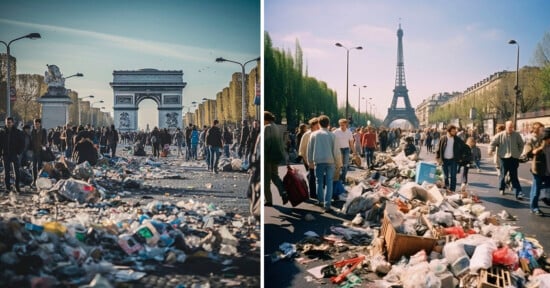
But in response, NMFS either denied Oceana’s photo requests outright or applied heavy redactions, often blacking out, pixelating, or blurring the majority of the public images and videos. The photos were taken by observers of fishery bycatch, but the NMFS reportedly redacted them so heavily that little to no detail was visible in the images. In some photos, the agency obscured the subjects completely, showing only vague shapes or outlines surrounded by redactions. For the California halibut trawl fishery, NMFS refused to provide any images at all. The federal agency justified these actions by claiming the public photos were confidential, according to the lawsuit.
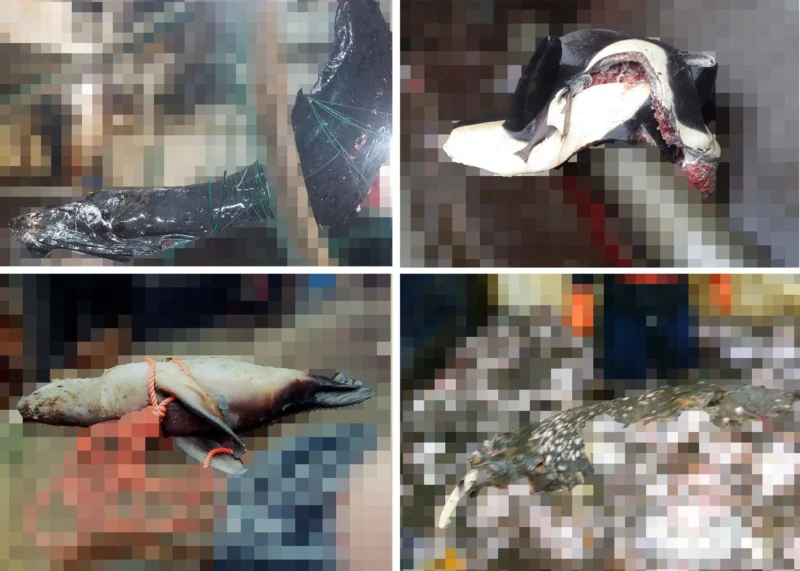
According to reports, U.S. District Judge Josephine Staton, for the Central District of California, sided with Oceana in the lawsuit in a ruling last month. Judge Josephine Staton ordered NMFS to release all requested photos, videos, and related data concerning bycatch in the California halibut trawl fishery. In her ruling, Staton wrote that NMFS’s arguments for exemptions were not supported by the “plain language” of the law.
Oceana emphasized that the unredacted images are essential for the public to understand the true impact of commercial fisheries. The organization plans to use the photographs in public education campaigns to show the consequences of trawling on marine life.
“These photos are visual proof of how commercial trawl fisheries are impacting our marine species and ecosystems,” Earthjustice attorney Rumela Roy, who represented Oceana, says in a statement. “They also provide key insights into how to improve fisheries management and better protect our oceans. We are pleased that the court’s order makes clear that NMFS cannot conceal this crucial information from the public eye.”
Image creditsAll photos via court documents/ Oceana.
Affiliate Disclosure PetaPixel articles may include affiliate links; we may earn a commission if you buy through one.