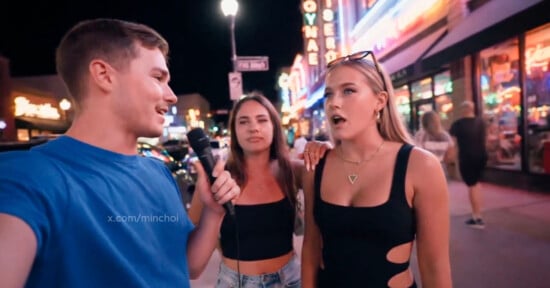
Google Veo 3.1 Lets You Combine Different Photos into Seamless AI Video
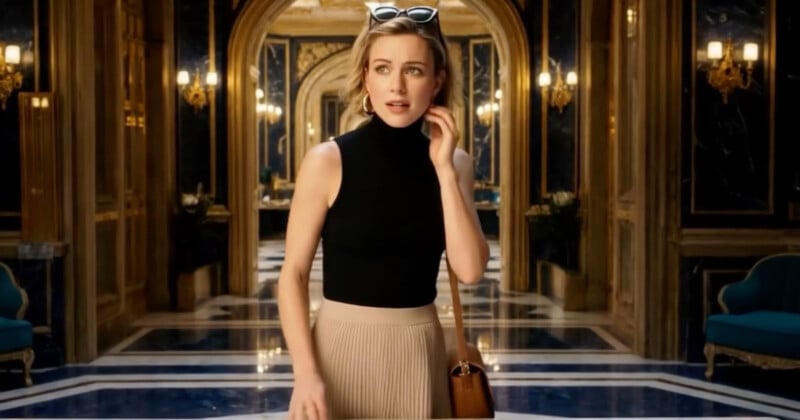
Google has introduced Veo 3.1, the latest version of its AI video generation model, expanding on features first unveiled with Veo 3.
3.1 promises improved prompt accuracy, smoother image-to-video conversion, and more advanced audio generation. Veo 3.1 is available now through Google’s Gemini app, Vertex AI, and the Gemini API. It powers the company’s Flow video editor.
According to Google, Veo 3.1 delivers stronger “prompt adherence,” producing videos that better reflect the written and visual inputs provided by users. The system can now generate synchronized audio alongside video and supports both landscape and portrait formats. These improvements are designed to make the model more practical for video creators rather than solely for social media content.
The update enhances Flow’s editing tools with greater control and flexibility. The new “Frame to Video” function allows users to upload a starting and ending frame, with Veo filling in the motion between them. Google says the tool can also generate audio for these clips, creating a more complete final product. Other Flow features, such as “Ingredients to Video” and “Extend,” can now integrate generated sound as well.
Veo 3.1 introduces the ability to insert new objects into footage while matching the existing visual style. Google says users will soon be able to remove objects, too. The model lets users insert an object into a video, seamlessly blending it with the clip’s visual style. The company adds that object removal is on the way.
In addition to Flow, Veo 3.1 and its faster, lower-cost variant, Veo 3.1 Fast, are rolling out across Google’s AI ecosystem. Developers can access the tools through the Gemini and Vertex APIs, while the Gemini app continues to support reference images for generating clips. Google says Flow users have already created more than 275 million videos since its launch in May.
The company indicates that Veo’s expanded support for vertical video could help bring its AI tools to YouTube Shorts and other short-form platforms.
Image credits: Google Veo 3.1