Fujifilm Developed F-Log2 C Specifically for the GFX Eterna 55

In its latest GFX Eterna 55 Development Story, Fujifilm explains how it approached color science for the new cinema camera and how the new F-Log2 C recording format builds upon decades of Fujifilm’s work with color rendering technology.
“Measuring color with instruments is known as colorimetry, but Fujifilm believes that reproducing colors exactly as measured is not always the right approach when it comes to filmmaking,” Fujifilm explains. “The color of the sky, the green of foliage, and skintones — Fujifilm has spent decades researching the most pleasing color balance through its experience with motion picture film, photographic film, and digital cameras.”
To that end, the GFX Eterna 55 cinema camera builds on all of Fujifilm’s extensive work with color science and color rendering, including its Film Simulations, while also breaking new ground.
One area of new development concerns the F-Log2 C recording format. Although it has been added to multiple Fujifilm X and GFX series cameras, Fujifilm developed this new format specifically for the GFX Eterna 55. F-Log2 C promises rich, detailed image recording, wide dynamic range, and cinematic color.
“The color space that emerged from extensive trial and error is called F-Gamut C,” Fujifilm says. “When aiming to capture a broader color gamut than BT.2020, it wasn’t just about expanding the numerical range — Fujifilm focused on developing a gamut that would offer the most natural and balanced color reproduction for their sensors.”



The company says it changed its approach to image processing to provide filmmakers and editors with additional flexibility during post-processing and worked hard to ensure that as much shadow detail is retained as possible. Colors corresponding to skin tones were given special attention, ensuring that they look natural even after extensive editing.
Fujifilm also touches on the GFX Eterna 55’s new optical low-pass filter, which is not included in the GFX100 II. The GFX Eterna 55 prioritizes softer, more natural images, while the GFX100 II prioritizes resolution.
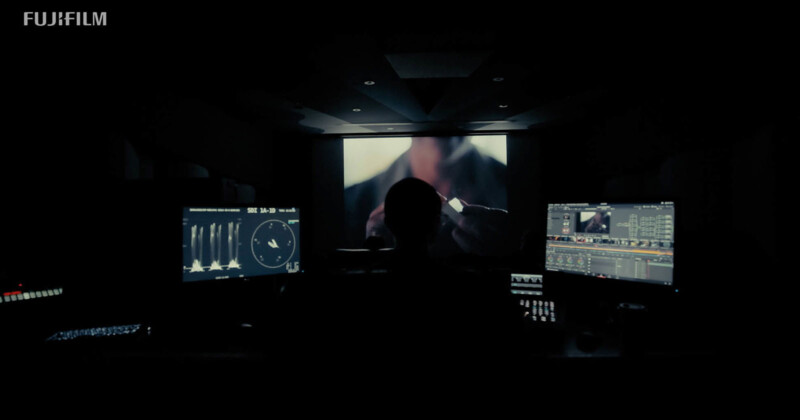
“With over 90 years of experience in film — both motion picture and still — Fujifilm has accumulated extensive knowledge and expertise in color expression,” Fujifilm asserts. “Translating this into the digital realm is one of Fujifilm’s key strengths.”
Image credits: Fujifilm