How a Photographer Uses a Drone to Capture Earth’s Incredible Landscapes
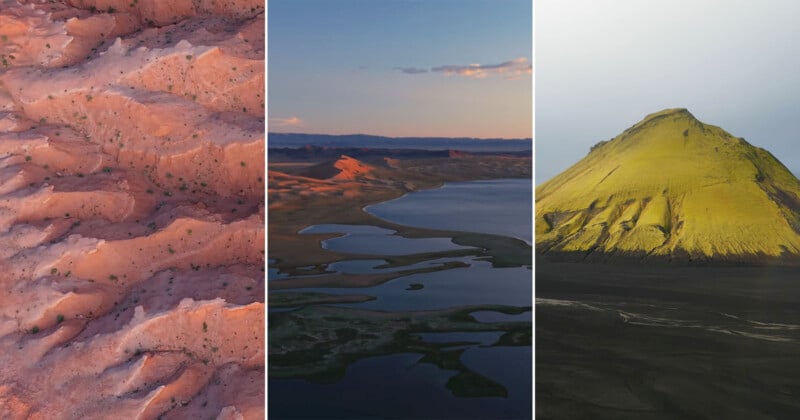
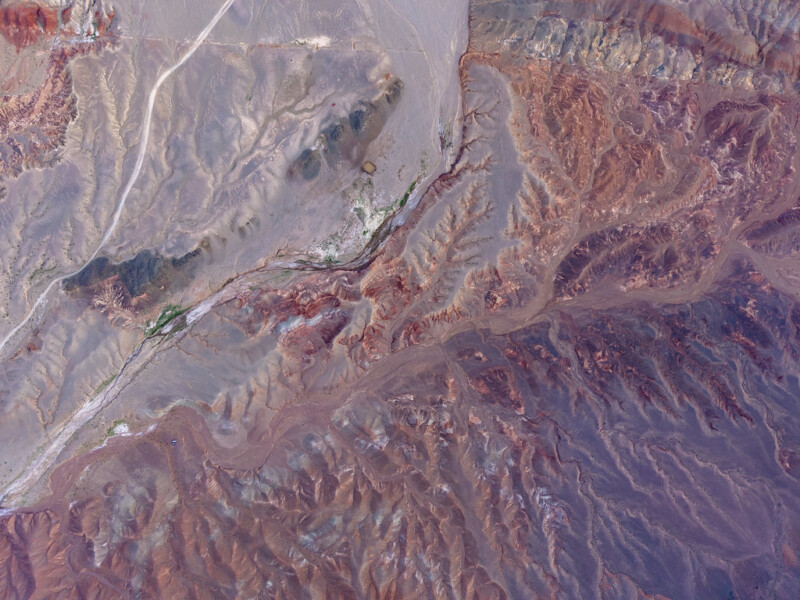
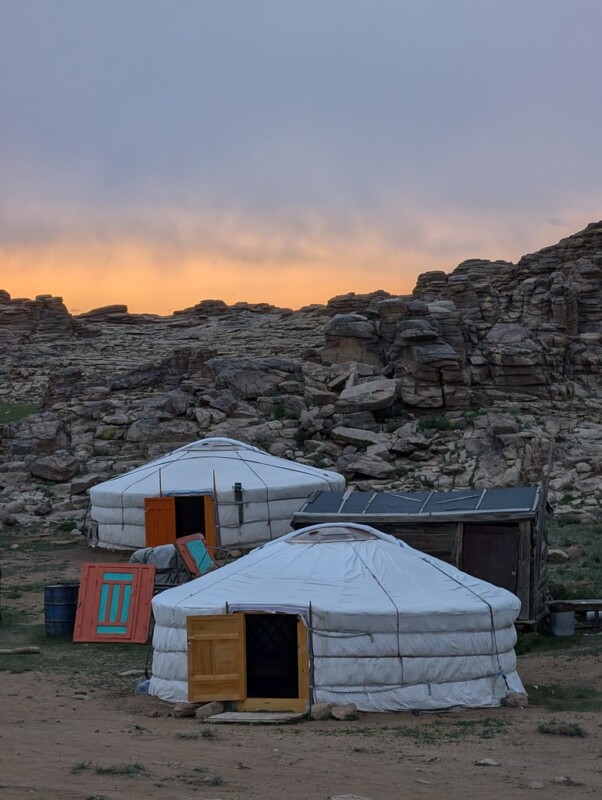
Photographer Michael Abel combines his love for vast, untouched landscapes with a keen eye for finding light and atmosphere through his cinematic drone photography. His latest project invites viewers to the skies above beautiful Mongolia in spectacular 4K.
Abel spoke with PetaPixel to explore the process behind his breathtaking aerial footage, his transition into full-time creative work, and the philosophy that drives his ever-expanding body of work.
The Early Spark of Photography
Abel’s journey into photography began at a surprisingly young age, when he was just seven. His grandfather sparked Michael’s early interest by gifting him a Yashica film camera. This camera, with its square-format design and waist-level viewfinder, introduced Abel to the fundamentals of manual photography. Even at that young age, he learned the importance of exposure and how light could dramatically affect the outcome of an image. What began as a simple fascination with the mechanics of photography soon evolved into a lifelong passion that would shape his creative vision for years to come.
While photography remained a personal pursuit throughout his life, it was his purchase of a DJI Mavic 2 Pro drone in 2018 that truly transformed his creative trajectory.


The Drone Revolution: A New Perspective
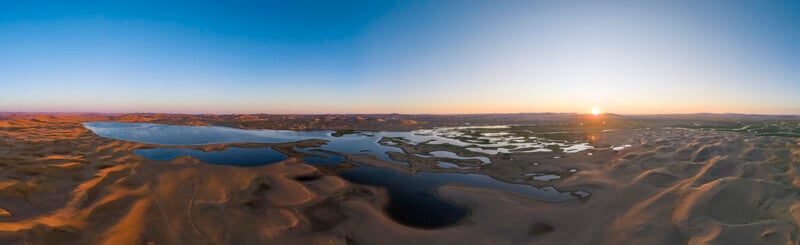
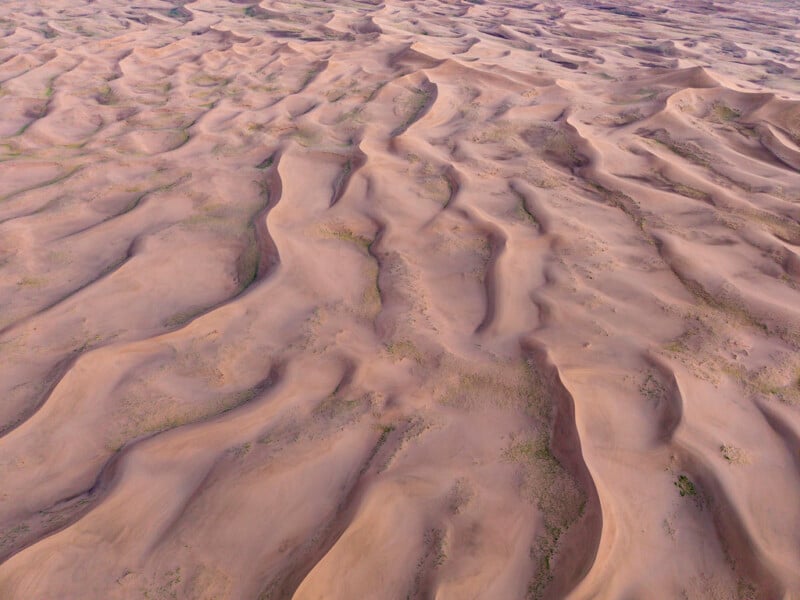
Since acquiring his first drone, Abel has traveled extensively, chasing light across the globe, from the coastlines of Malta and Mallorca to the highlands of Iceland, and more recently, the rugged terrains of Mongolia and Indonesia. What excites him most about drone photography is the ability to capture perspectives that would otherwise be impossible from the ground.
“It opened up a completely new world for me. Suddenly, I could see landscapes from above—expansive vistas that give a sense of scale and grandeur,” he explains.
But despite his drone-focused beginnings, Abel’s work has evolved to incorporate a balance between aerial shots and more grounded imagery.
“I’ve become much more deliberate about how I capture light and composition from the ground,” he says, emphasizing the importance of light in his creative process.



Cinematic Style: A Focus on Light and Emotion
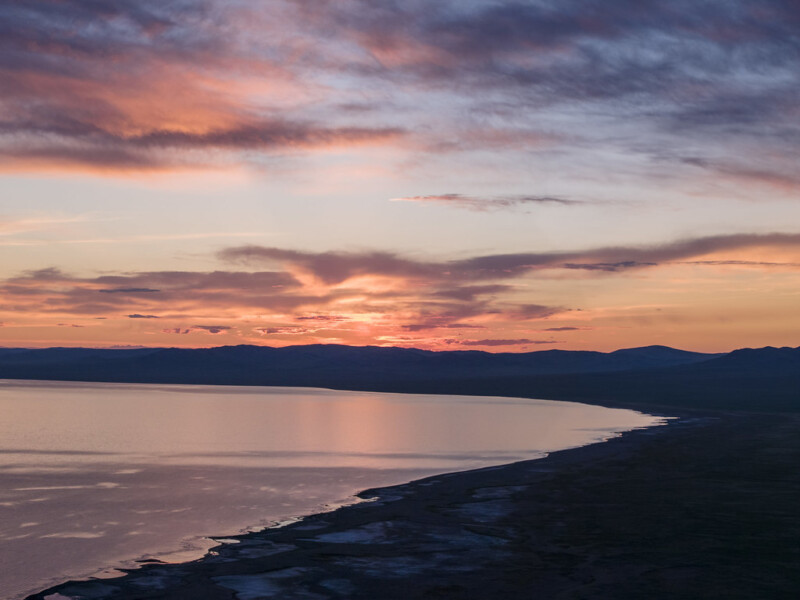
Abel describes his style as “cinematic, atmospheric, and deeply focused on light.” His approach is rooted in the magic of natural light, particularly during the golden hours of sunrise and sunset.
“I’m often out before dawn, waiting patiently in the cold or wind, just for that perfect moment when the light breaks through the clouds and transforms the scene,” he says.
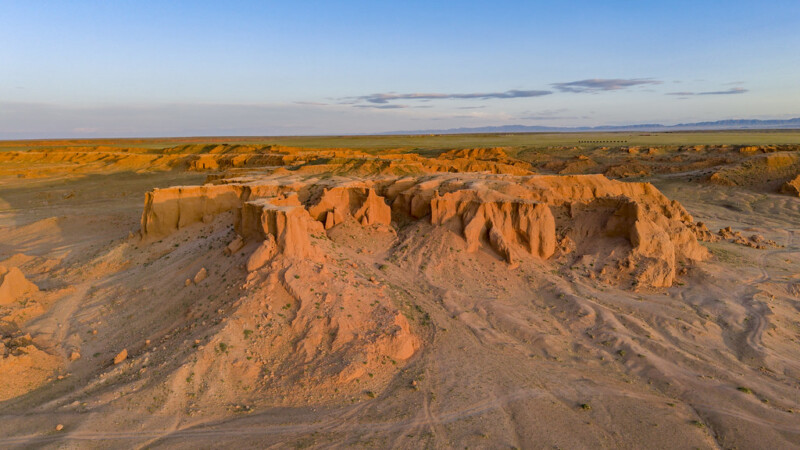
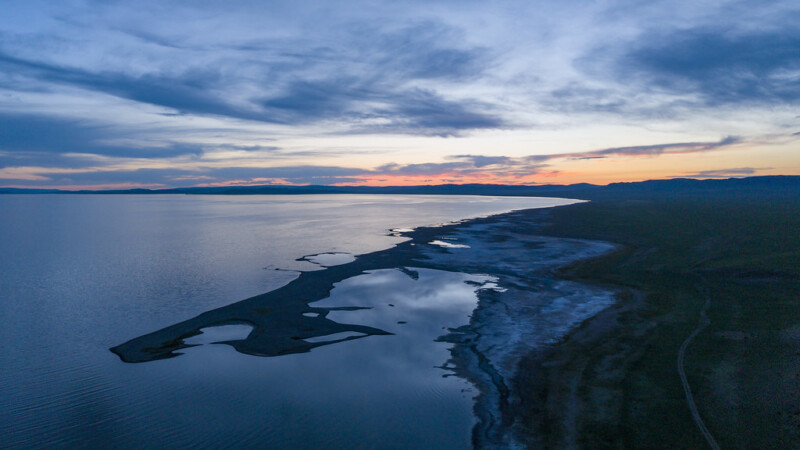
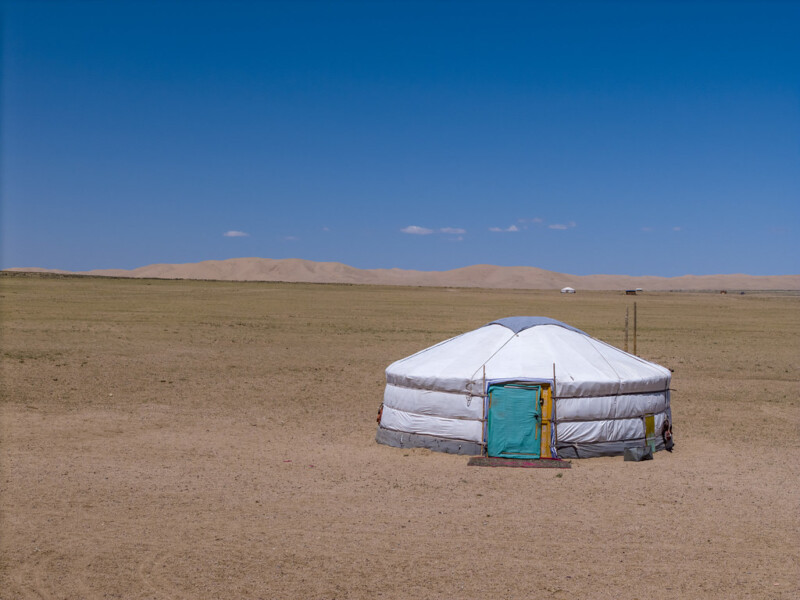
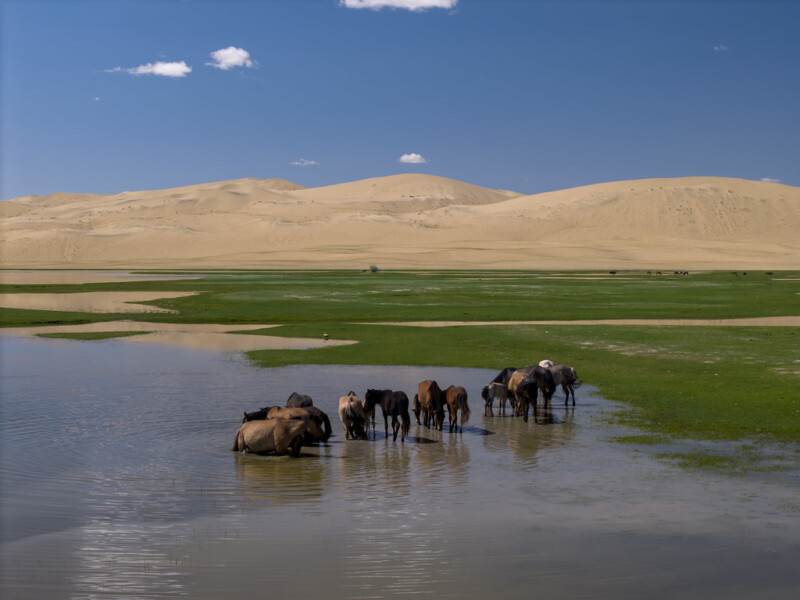
This dedication to light is perhaps most evident in his journey to Mongolia, which was meticulously planned around specific locations that offered contrasting elements—red sandstone cliffs, vast grasslands, and serene freshwater lakes.
“Those unexpected combinations are what truly inspire me. The goal is to capture not just what I saw, but what I felt — whether that’s the stillness of a sunrise or the isolation of a remote valley,” Abel says.
Music as Inspiration: Crafting a Rhythm for the Lens
A unique aspect of Abel’s creative process is his integration of music into his filmmaking.
“Music plays a big role, especially when I’m editing videos. I often build the rhythm and pacing of an edit around a single song, blending sound and visuals into one cohesive piece,” he explains.
For Land of the Eternal Blue Sky, Abel had chosen his music before even setting foot in Mongolia. As he filmed, he listened to the song, allowing its emotion to guide his lens. This deep connection between visual and auditory elements is what makes his work feel more immersive.
Behind the Lens: The Art of Crafting an Image
Abel believes every great photo or video starts with careful planning. His Mongolia film, for instance, wasn’t just about being in the right location but also being ready for that fleeting moment when the light and atmosphere aligned perfectly.
“We worked with a local organizer who tailored the trip exactly to our vision—driving us to remote locations, often at sunrise or sunset. Every day started early, chasing first light,” he explains.
The editing process, however, is where Abel’s vision truly comes to life.
“I shoot everything in RAW or log formats to give me maximum flexibility for color grading,” he says, noting that his editing tool of choice is DaVinci Resolve. “I spend hours crafting the color to reflect the atmosphere I experienced out there.”






Pushing Boundaries: Challenges in the Field
Abel’s dedication to his craft goes beyond technical skill; it’s about pushing through personal limits in pursuit of a perfect shot.
“One of the biggest challenges I faced was in Indonesia, on Padar Island,” he recalls. “To get the shot I envisioned, I had to push far beyond my comfort zone — waking up at 2:30 AM, crossing open water in a small boat despite my fear of water, and hiking up a rocky trail with nothing but a headlamp.”
This willingness to embrace discomfort is central to Abel’s philosophy:
“Sometimes the best images come at the edge of your comfort zone,” he says. “And for me, it’s always worth it.”
The Right Tools for the Job
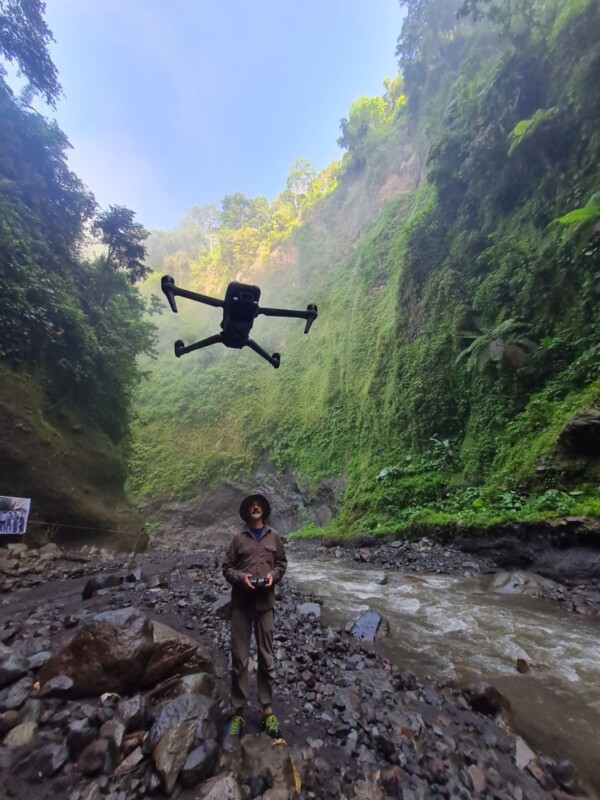
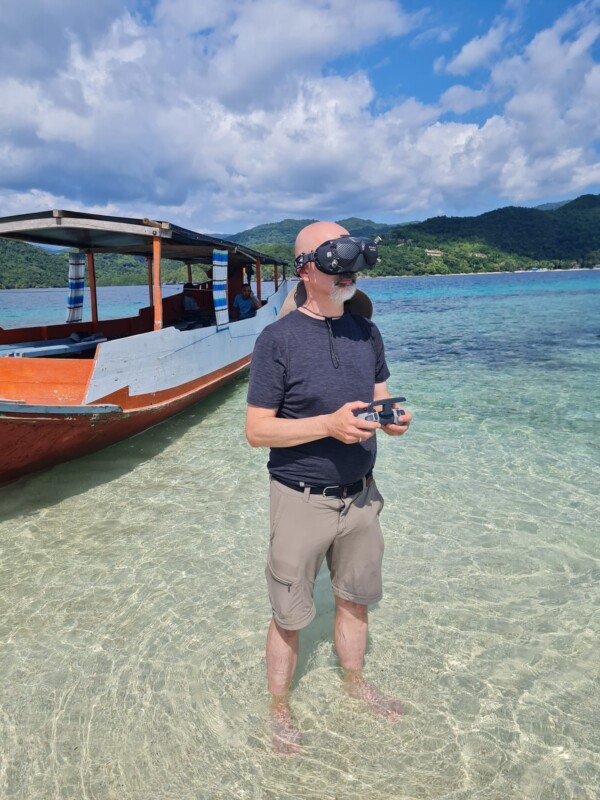
While Abel’s gear list is varied, it’s clear that his approach prioritizes functionality and ease of use over equipment for the sake of brand names. He primarily uses the new DJI Air 3S and Mavic 2 Pro for his drone work, but he’s also crafted his own FPV drone, equipped with a DJI Action 5 Pro, for dynamic shots. On the ground, he prefers lightweight cameras, such as the Panasonic FZ1000, although his trusty Pixel 8 Pro also plays a crucial role.
“Sometimes, the best shots come from spontaneous moments. That’s why having a versatile, quick camera like my Pixel is invaluable,” he says.

Advice for Aspiring Landscape Photographers
For those just beginning their journey in landscape photography, Abel has some valuable advice that goes beyond technical skills. He stresses the importance of not waiting for the perfect gear or the ideal moment. According to Abel, what truly matters is learning to see, understand, and appreciate light, mood, and atmosphere, and most importantly, being present in the moment. He reflects on how some of his most memorable shots were taken with minimal equipment, simply because he happened to have it with him when the right opportunity presented itself.
It’s easy to become consumed by the idea that you need the latest, most expensive gear to capture stunning landscapes, but Abel reminds us that sometimes the most essential tool is your ability to be prepared yet flexible. If your camera or drone is too heavy or complicated to carry around, you might miss the magic when it happens.
“Take what you have, pay attention to your surroundings, and try to capture not just what a place looks like, but how it feels,” Abel advises.
Another crucial aspect of the journey, according to Abel, is mentorship. He speaks from personal experience, sharing how having a mentor who was both supportive and honest was invaluable in the early stages of his career. A mentor, he says, can offer constructive feedback and guidance when everything seems overwhelming, helping to build confidence during those critical early years.
Most importantly, Abel encourages aspiring photographers to never give up, even when the path to becoming a skilled photographer seems daunting or unreachable. Persistence, curiosity, and reflection, he explains, are powerful tools in the creative process.
“Keep going,” he urges, “You’ll be surprised how far you can go if you just keep pushing through.”
Looking Forward: The Next Chapter
With a new phase of life ahead, Abel is preparing to leave his career in IT to focus entirely on photography and filmmaking.
“I want to explore new countries and landscapes with fresh eyes, chasing light wherever it takes me,” he says.
No stranger to drone work over waterfalls, Abel shared that his dream project would be a cinematic flight through Venezuela’s Angel Falls, the world’s tallest waterfall.
“Photography and film are about slowing down, being present, and telling stories that move people — not just visually, but emotionally,” Abel reflects. “I want my work to capture that sense of awe and wonder I feel when I’m out there.”
For those who follow Abel’s journey, the future promises more awe-inspiring images and unforgettable cinematic landscapes, each one a reflection of the emotions he so expertly captures through his lens. As he continues to push boundaries, there’s no doubt that his work will continue to offer viewers new perspectives, both from the air and from the heart.
Image credits: Michael Abel