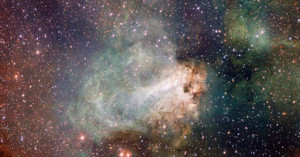
268-Megapixel Photo of Night Sky Shot with a 1,700-LB Camera
Amateur astronomy enthusiasts may be content with shooting the stars with a DSLR through a telescope, but what would …
Amateur astronomy enthusiasts may be content with shooting the stars with a DSLR through a telescope, but what would …
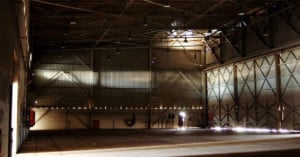
What you see above is the inside of the world's largest pinhole camera measuring 45x160x80 feet. It's an abandoned airplane hangar in Irvine, California that was converted over the course of two months into a gigantic pinhole camera. 24,000 square feet of plastic, 1,300 gallons of foam filler, 1.52 miles of tape, and 40 cans of spray paint went into darkening the hangar.
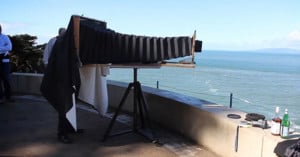
Photographer Darren Samuelson spent seven months building a massive homemade large-format camera that's about six-feet-long when fully extended. He shoots with 14×36-inch x-ray film that's about 1/12th the cost of ordinary photographic film but much harder to develop.
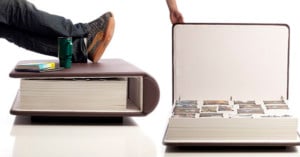
Having a coffee table that looks like a giant photo album is already pretty unique, but what about a coffee table that also functions as one? Remembrance is a coffee table designed by North Michigan University design student Mitch Steinmetz that opens up to reveal your photos like any good giant photo album should.
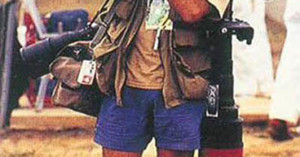
Once your lenses get to a certain level of awesomeness, you have to start carrying them like bazookas. Can …
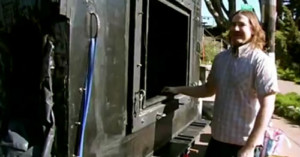
John Chiara is a San Francisco-based photographer that uses an uber-large format camera the size of a trailer that he constructed himself. The camera is so dang big that setting up the thing requires a car jack and lots of yanking. After setting up the film inside the camera, Chiara climbs out of the camera through a long black garbage-bag style tube. To develop the prints, he uses an 18-inch diameter sewage pipe that he pours chemicals into and rolls around on the ground.
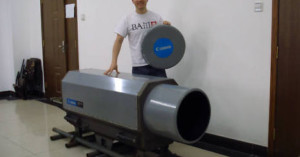
If you have an extra $45,000 lying around, you might still be able to purchase the Canon 5200mm f/14 lens that was listed on eBay last month. It ended on December 14th with 0 bids (I wonder why...).