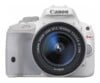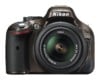
The SL1 is a fine dSLR, and I enjoyed shooting with it. But from a buying-advice perspective, its only real advantage over dSLR alternatives is its size, and in that respect it’s simply not small enough [...]
The Canon EOS M’s image quality is good, but not better than the Sony Alpha NEX-5R‘s. And given the paucity of native lenses, poor performance, and unexceptional feature set, it’s hard to declare this more than an average interchangeable-lens camera.
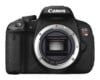
The T5i is a fine camera and I really like the touch screen for video, but the old AF system and terrible AF-point visibility in the viewfinder make shooting action stills awkward.
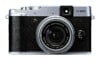
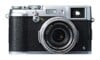
[T]here’s a lot to recommend the Fujifilm X20, especially if you’re looking for a more old-school shooting experience in a digital compact [...] It delivers very good performance, a nice feel, and a streamlined interface.
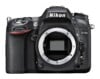
The D7100 is a great camera for still photography, but doesn’t feel like a must-have upgrade unless you’ve got a significant investment in good Nikon-mount lenses and need speed and durability on a budget — right now.
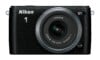
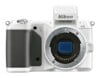
The S1 is a good camera, and a great entry point into Nikon’s 1-series compact system line-up.
There’s enough improved in the X100S over the X100 that I think it’s worth the extra money over the now-reduced-price model: it delivers better performance, photo quality and usability.
While on paper the D5200 doesn’t really stand out from the specialized competition — Canon has its video-optimized AF system, Pentax has its weather-resistant bodies [...]
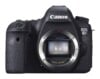
While the 6D noticeably outshines its APS-C-based sibling in full-frame photo quality and it has a much broader feature set in theory, the 7D has a better viewfinder and faster autofocus, a more durable shutter mechanism, and an extra custom setting slot [...]
The Nikon 1 V2 is the camera its predecessor should have been. With a comfortable shooting design and plenty of features, the V2 is an appealing buy.
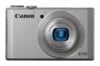
Canon’s PowerShot S series has previously consisted of compact cameras for enthusiasts, but the PowerShot S110 is less so, despite its fast-ish lens, support for raw format, and manual exposure controls.
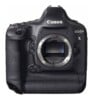
Designed for sports and demanding professional photographers, the Canon EOS-1D X is an excellent SLR that will not disappoint users who expect the most from their equipment.
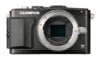
Not quite ready for the might of an OM-D? Olympus has churned out a very nice camera in the form of the Pen Lite E-PL5, which will satisfy many photographers looking for an upgrade from their compact camera or smartphone.
I liked shooting with the T4i and think most people who get it will probably love it. But that’s true of a lot of the cameras in this class — you really have to try hard to make a bad camera for about $1,000.
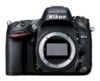
The D600 definitely feels like a must-have upgrade over the D700, if not for the resolution than for the generations-improved image-processing, better performance, and bigger viewfinder and LCD. And video, of course.
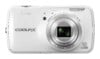
The Nikon Coolpix S800c has so much going for it by virtue of being the first Android camera to hit the market in Australia. [...] However, the user experience is mostly clunky, and the photos the S800c produces are not leaps and bounds better than those from a smartphone.
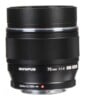
The Olympus 75mm f/1.8 is undoubtedly a premium lens for the Micro Four Thirds format, but it’s worth the money for a terrific piece of optical engineering.
The latter will find that in this focal length range, no other lens available right now will capture every pixel of their vision as well as this one does. If you’re an MFT diehard fan, find the cash.
An excellent addition to the Nikon SLR line, the D800 does not disappoint on any front. If you don’t need the machine-gun speeds or hefty size of the D4, this camera provides a very satisfying photographic experience.
Sony has really hit its stride with the latest generation of Alpha NEX mirrorless interchangeable-lens compact cameras.
Packed full of improvements for photographers, Canon has proved that you can improve on an already-strong formula with the 5D Mark III.
If you’ve got a stable of Pentax lenses — especially good ones that can properly resolve to the sensor — and feel like doing some creative shooting, especially with manual focus, then the K-01 is a great choice.
The Nikon D4 offers many significant improvements from previous professional-grade SLRs, such as the D3S, as well as excellent shooting performance, autofocusing speed and video recording.
The G1 X targets a growing part of the market, composed of people who don’t really care about changing lenses and just want better photo quality.