Special Feature
The Mothers Saving Borneo: Fighting Fire, Patriarchy, and Super El Niño
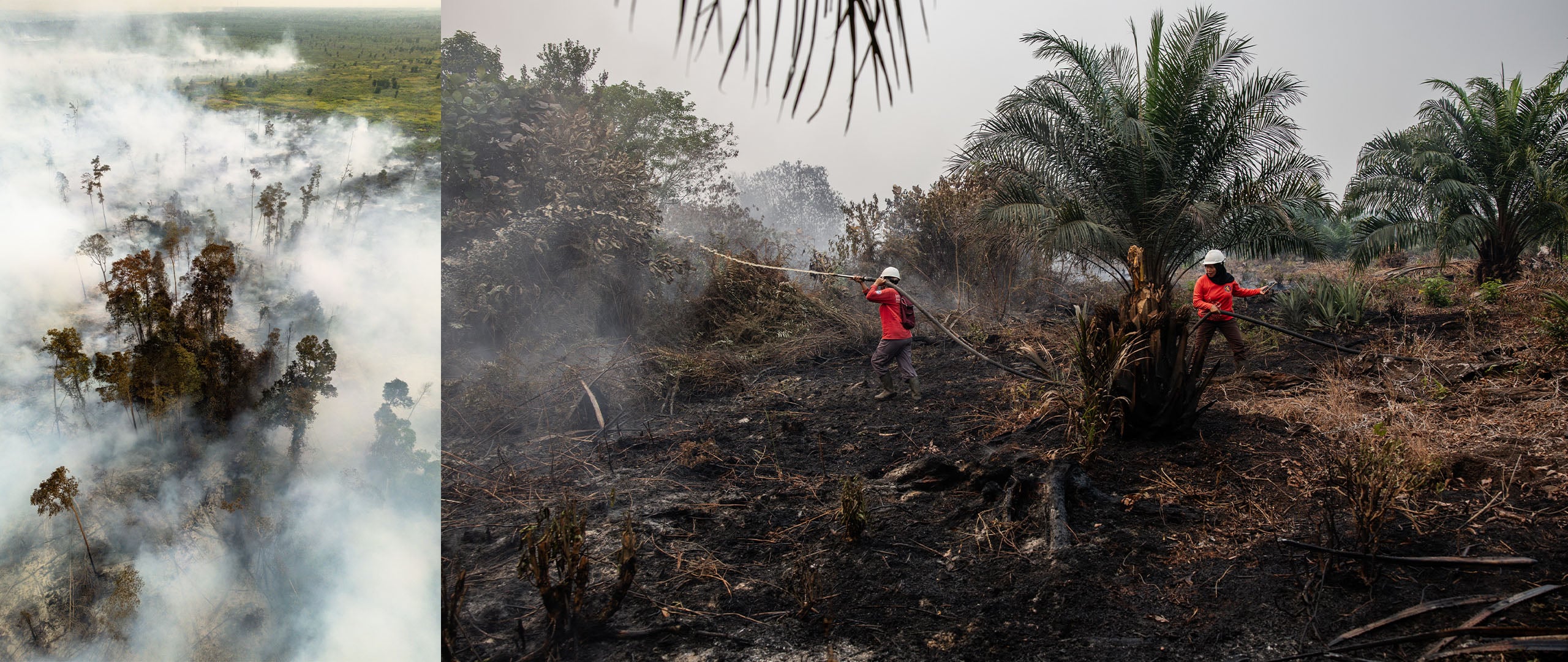
Fire poses a serious threat to the people, the wildlife, and the vast rainforests of Kalimantan. On this island, which is well known as one of Earth’s vital lungs, a vigorous struggle is currently taking place on the peatland frontlines, with a group of local mothers at its heart who are defending their community.
At the end of a small wooden house close to the tropical rainforest, thirty-nine-year-old Irma quickly puts on a pair of heavy rubber boots. After waving goodbye to her mother from the simple terrace, she gets ready for her daily shift as a volunteer firefighter in Sungai Putri Village, Ketapang Regency, West Kalimantan. Irma is the coordinator of The Power of Mama, a group of all-women firefighters and environmental conservation volunteers.
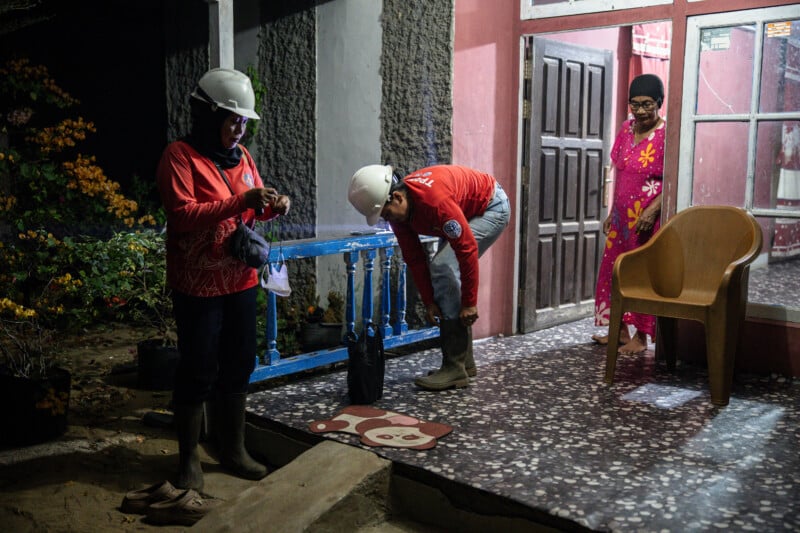
Irma explains that we have to wear full safety gear, including these boots, since we are going to be walking straight into the fire zones; her voice pierces the stuffy air. The heat is overwhelming, and morning visibility is severely diminished by an extremely thick layer of toxic smog. “The haze is incredibly dense today.”
When the smoke becomes heavier, Irma’s children are kept inside and cannot go to school. Air pollution brings all local activities to a standstill. “The haze causes the airports and schools to close, and it makes our community ill. I thought I had to do something about it,” she says. “Because we are housewives, we are the ones who feel its effects most.”
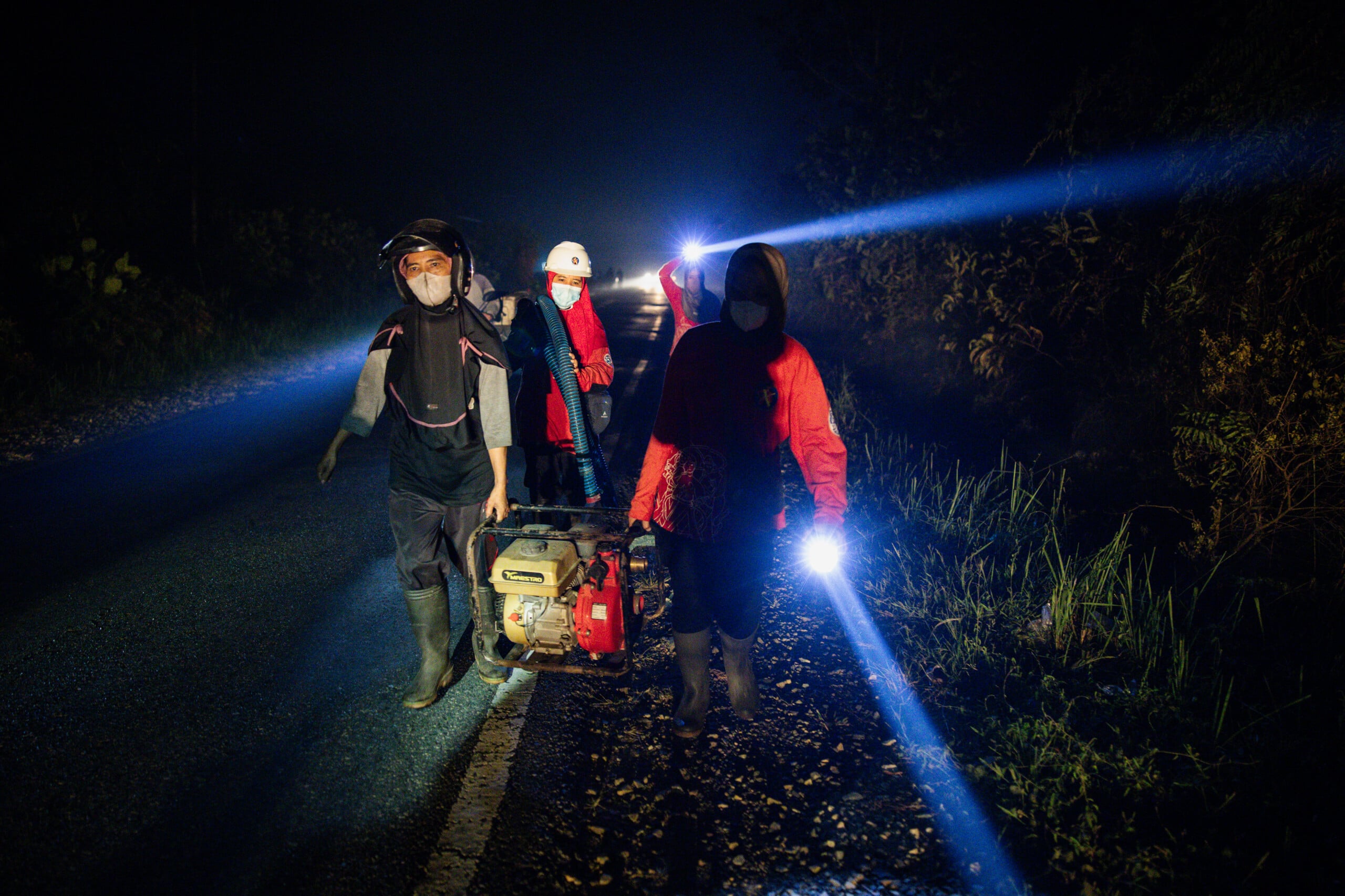
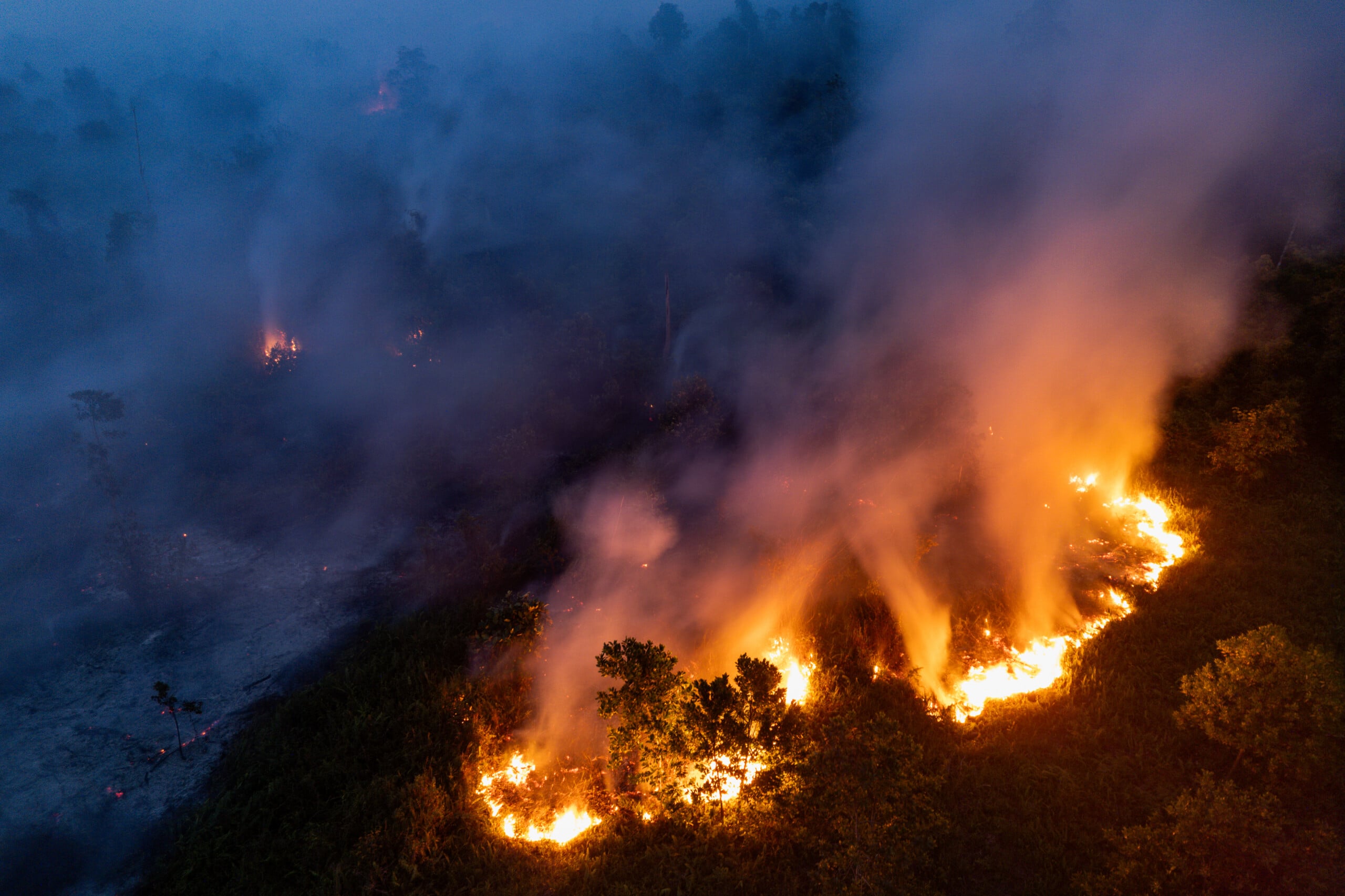
A huge column of noxious smoke is clearly visible from her front door. “It’s been two kilometers from our house,” Irma says in a hurry and at once throws her leg over the motorcycle, riding off towards the blazing site.
The Daily Grind on the Frontlines
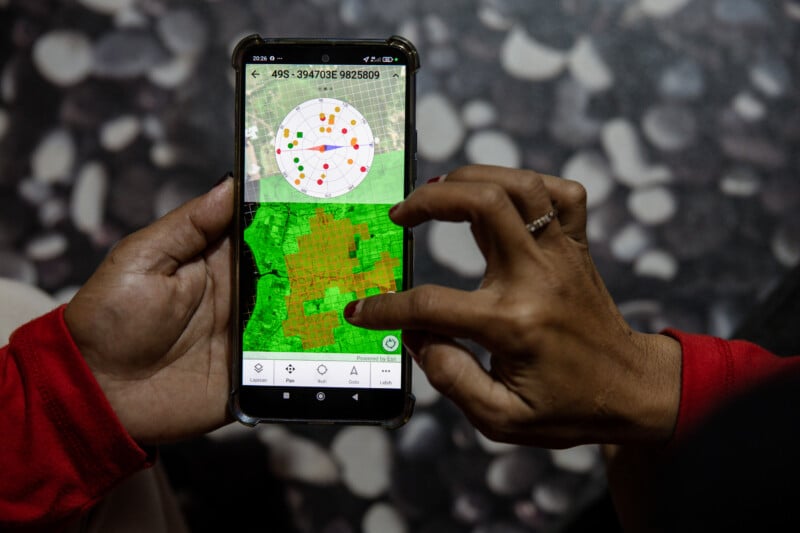
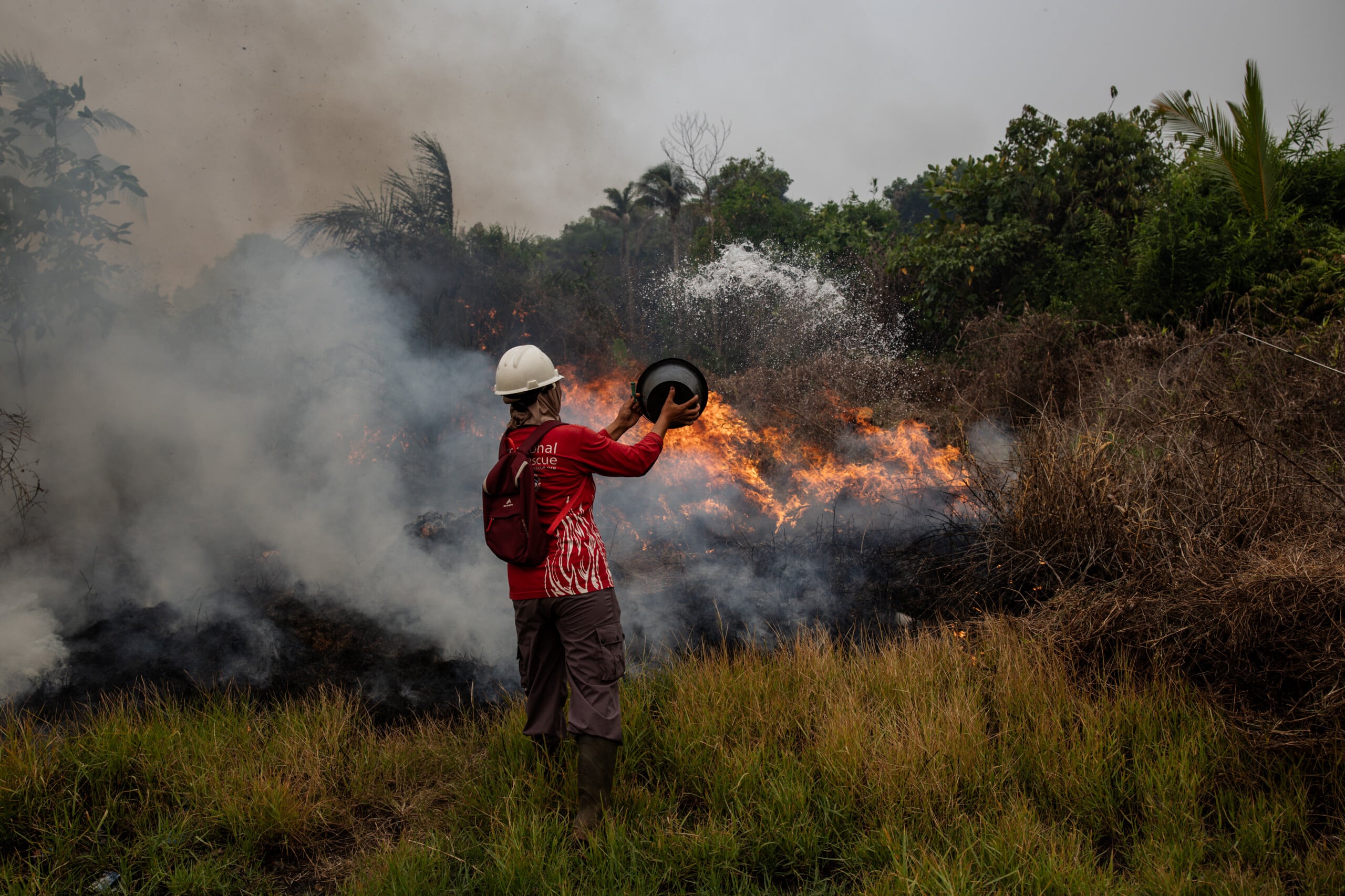
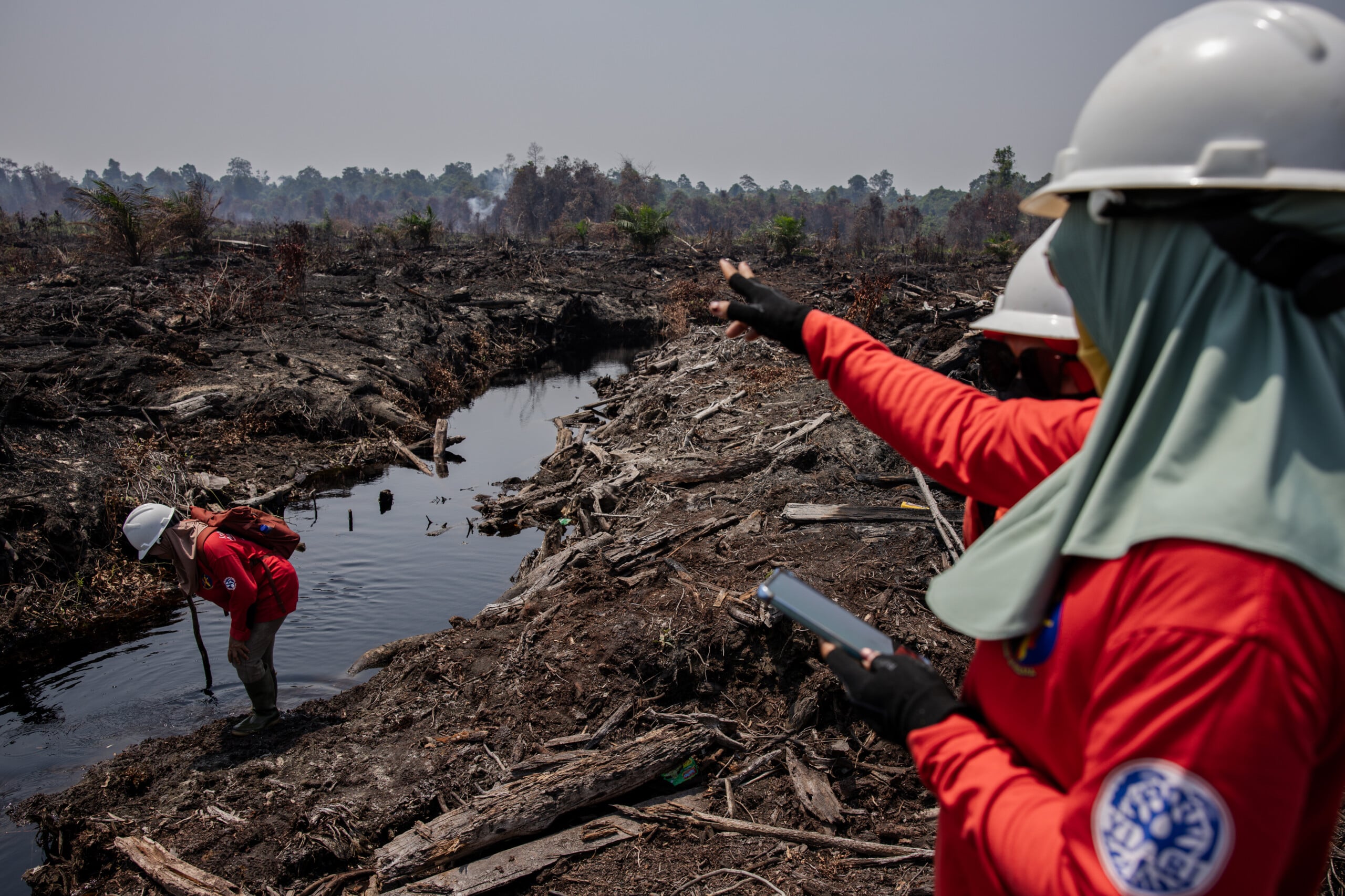
The Power of Mama shows how the team converts local vigilance into first-line fire defense. The volunteers work in shifts and ride their motorbikes through areas prone to fires. Each day, between 10:00 a.m. and 4:00 p.m. during the dry season, they look for hotspots in the plantation lands and along the forest boundaries, record the coordinates, take photographs, and enter the information into a special app for regular reporting.
Their efforts do not cease once the fires have died down. In the rainy season, the group shifts its focus to conducting community outreach, advising local farmers on fire control and encouraging them to use alternative methods to restore soil nitrogen rather than burning. They carry out the rehabilitation of degraded mangroves and teach children about the vital need for sustainable land management. If a fire is detected, they promptly inform Manggala Agni, the specialized brigade operated by the Ministry of Forestry, which is Indonesia’s main frontline defense against forest and land fires.
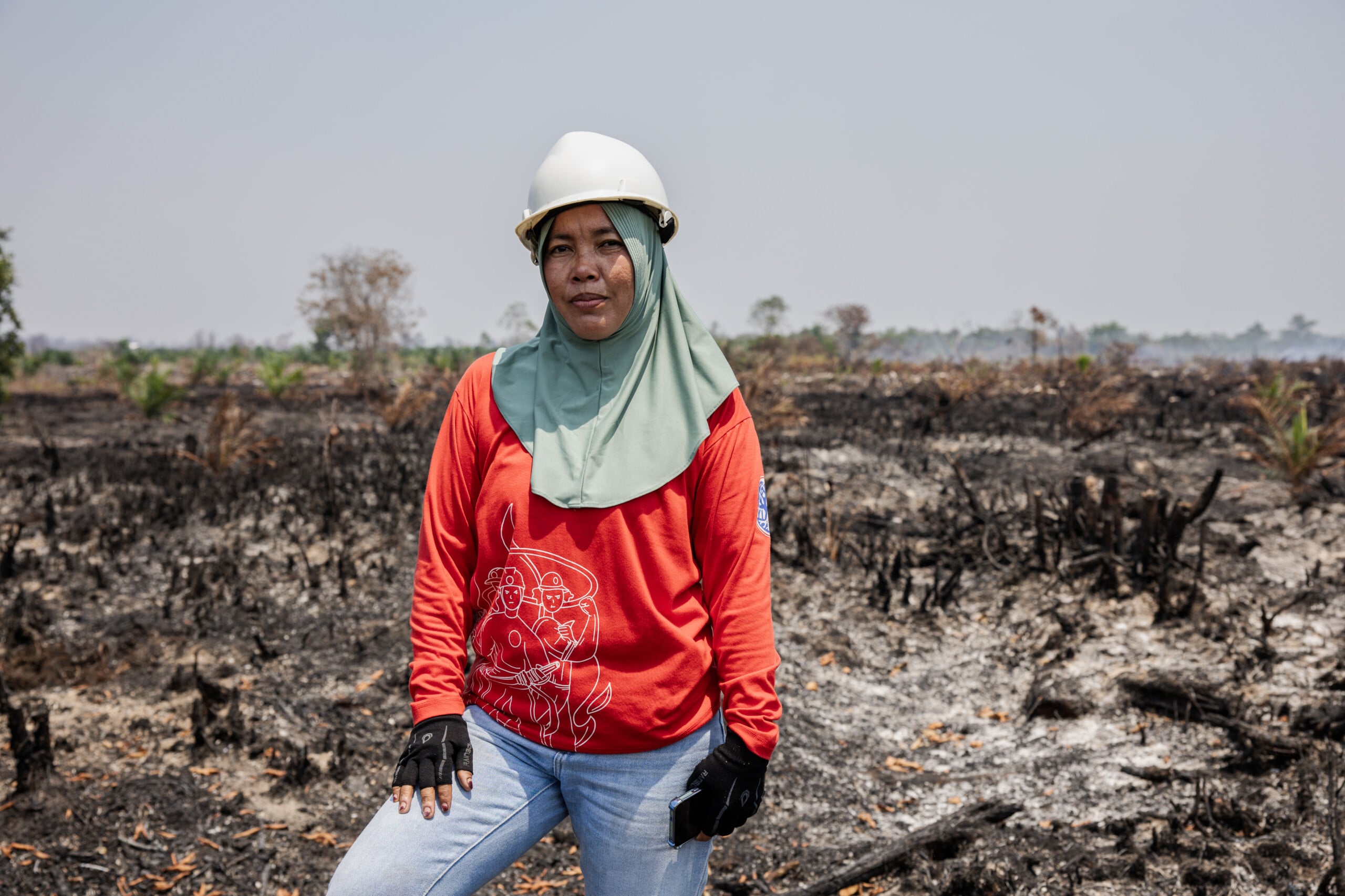
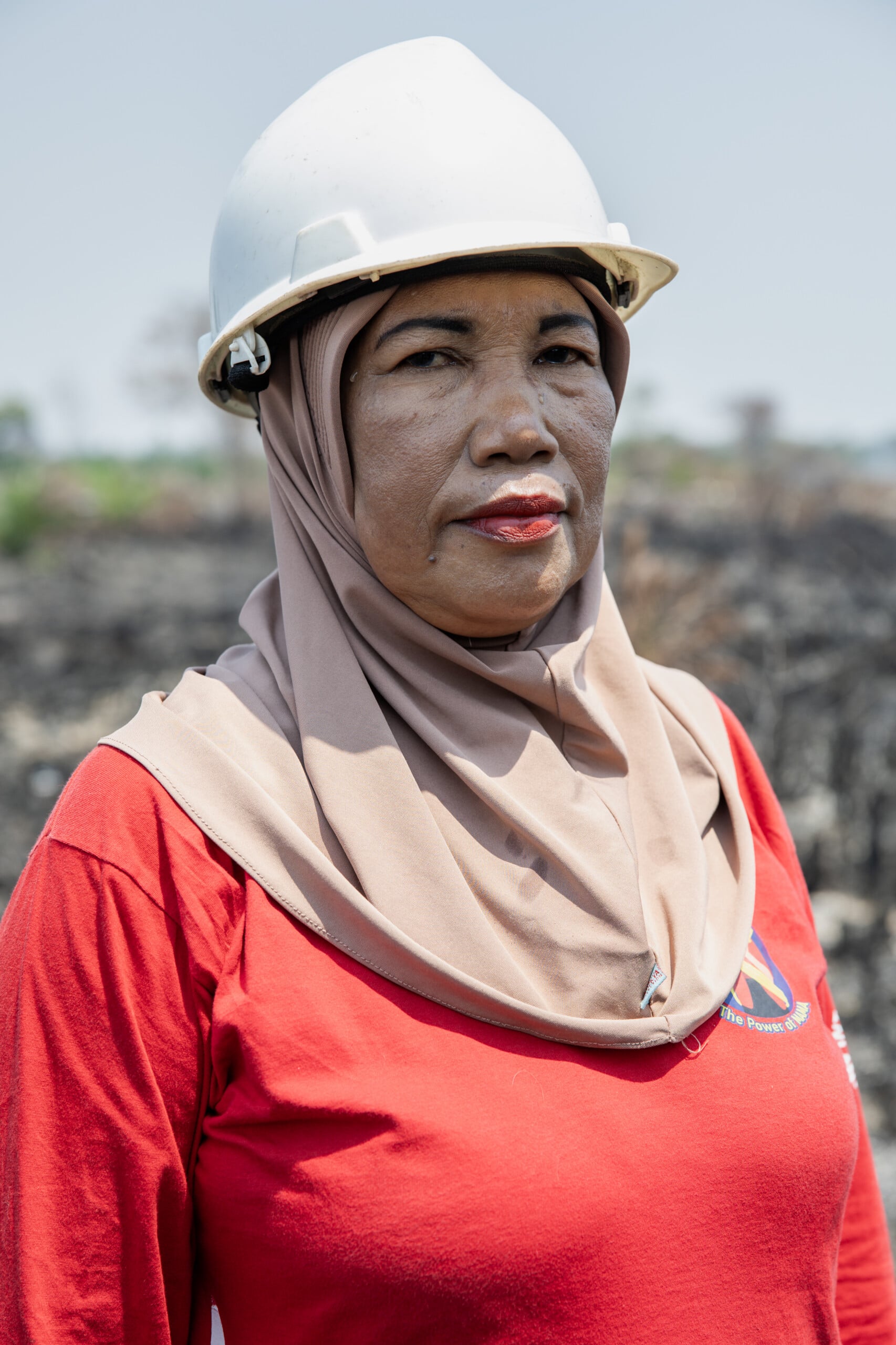
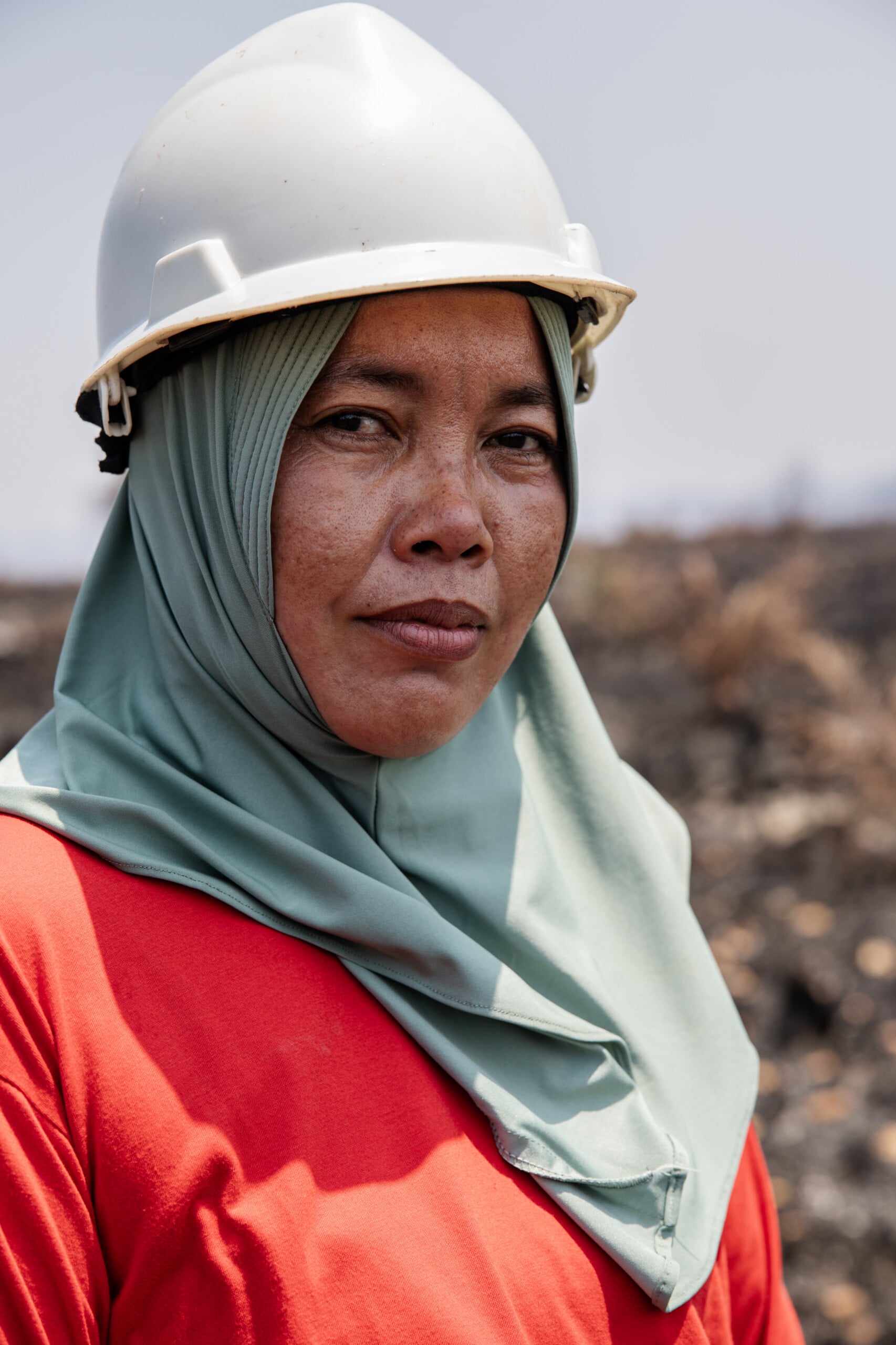
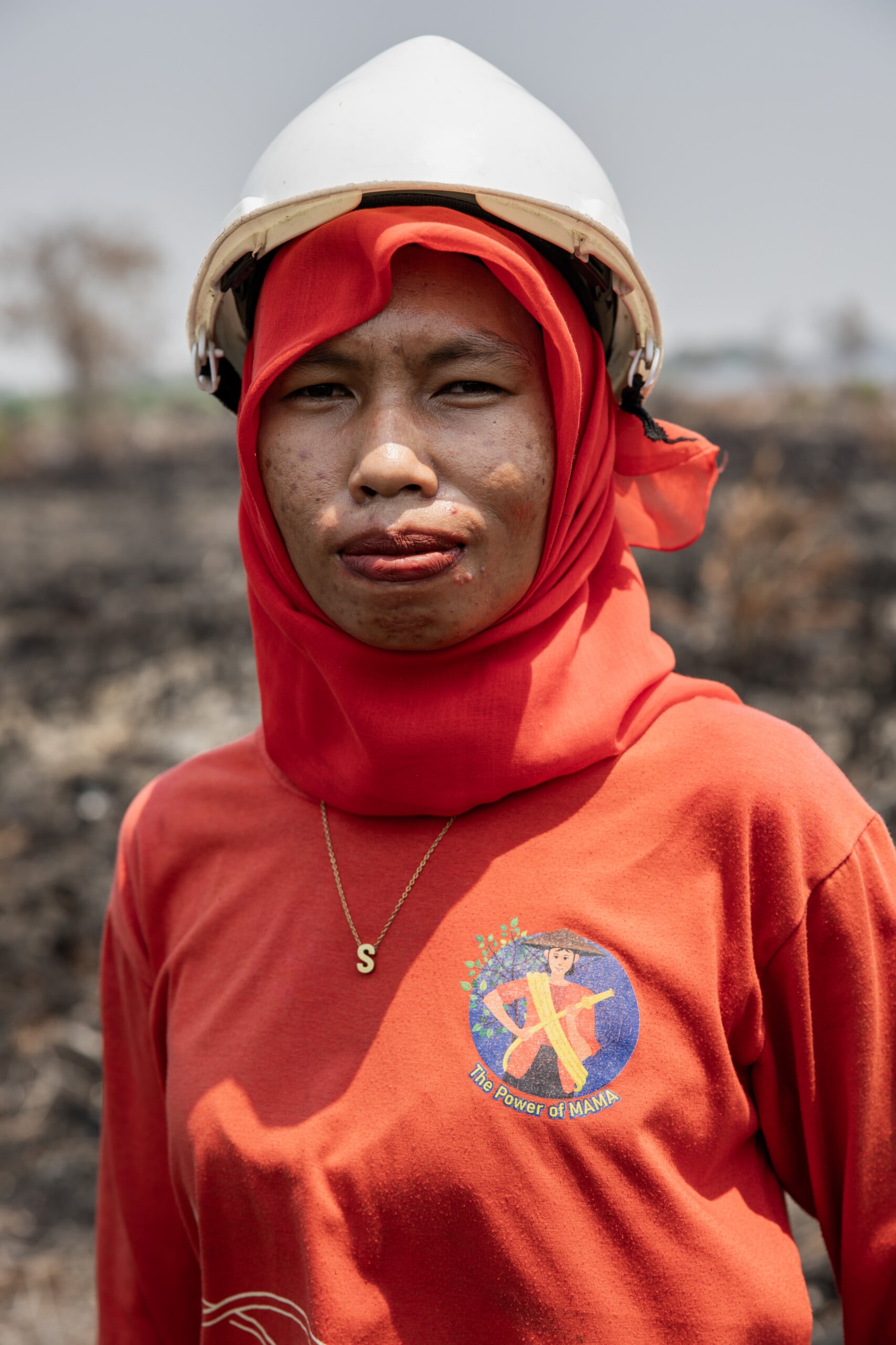
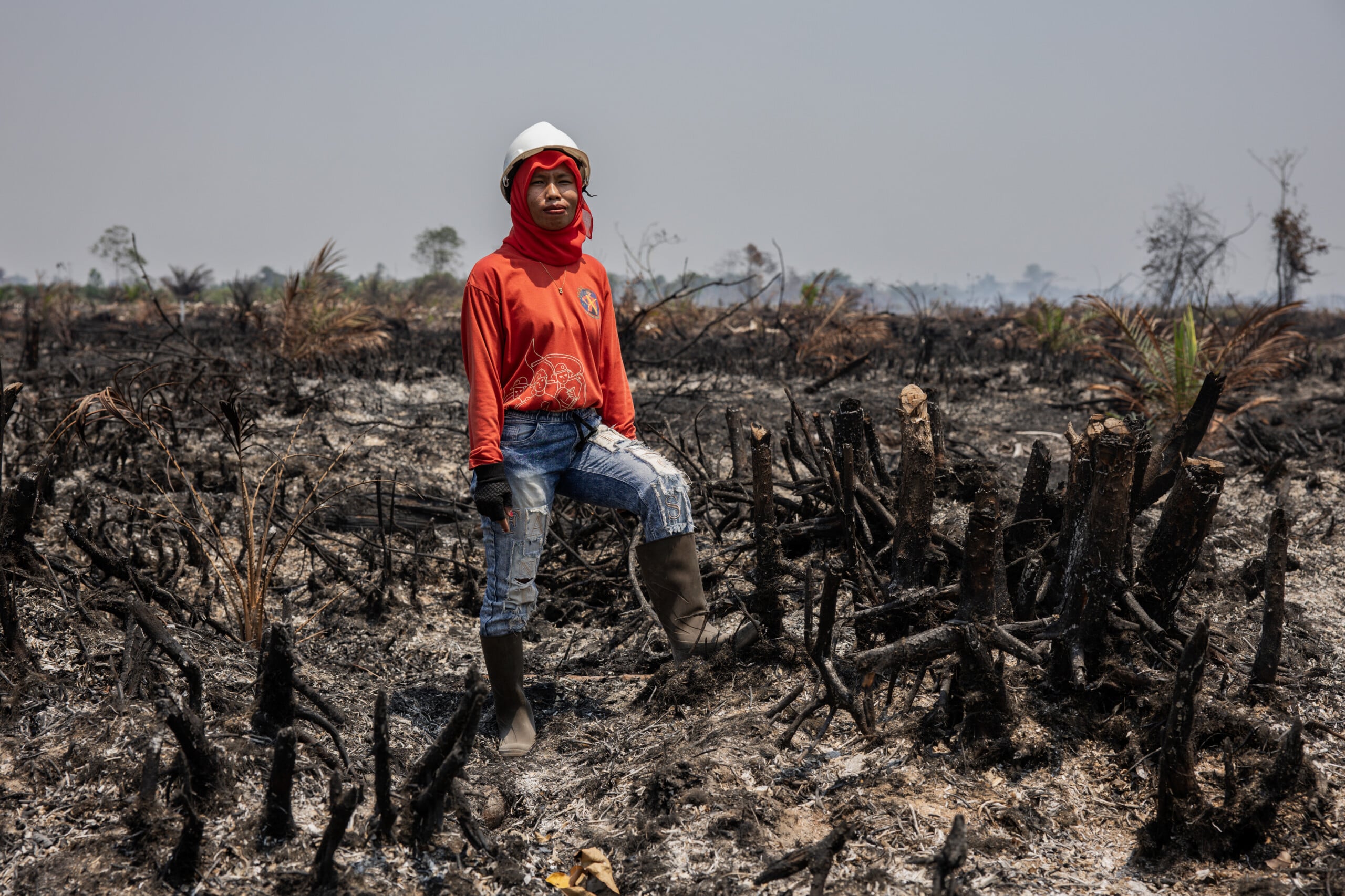
Irma, who has been patrolling without rest for three days in a row, mentions that it has not rained since June 22. The area is suffering from a serious water crisis. “The small ditches and even the rivers have dried up, which makes it extremely hard for us to put out the fires,” she says. “Our only option is to gather with the locals at the borders of the plantation or by the edge of the forest to keep a constant watch on the fire’s progress. I am terrified that the flames will reach residential areas. It is extremely dangerous.”
Fighting the Patriarchy in Boots
The flames and the suffocating smoke are not the only difficulties that these women have to overcome; in rural Kalimantan, the deeply rooted patriarchal norms caused the mothers’ early attempts to be met with ridicule. Irma remembers the way the mothers were made fun of when they first put on their uniforms.
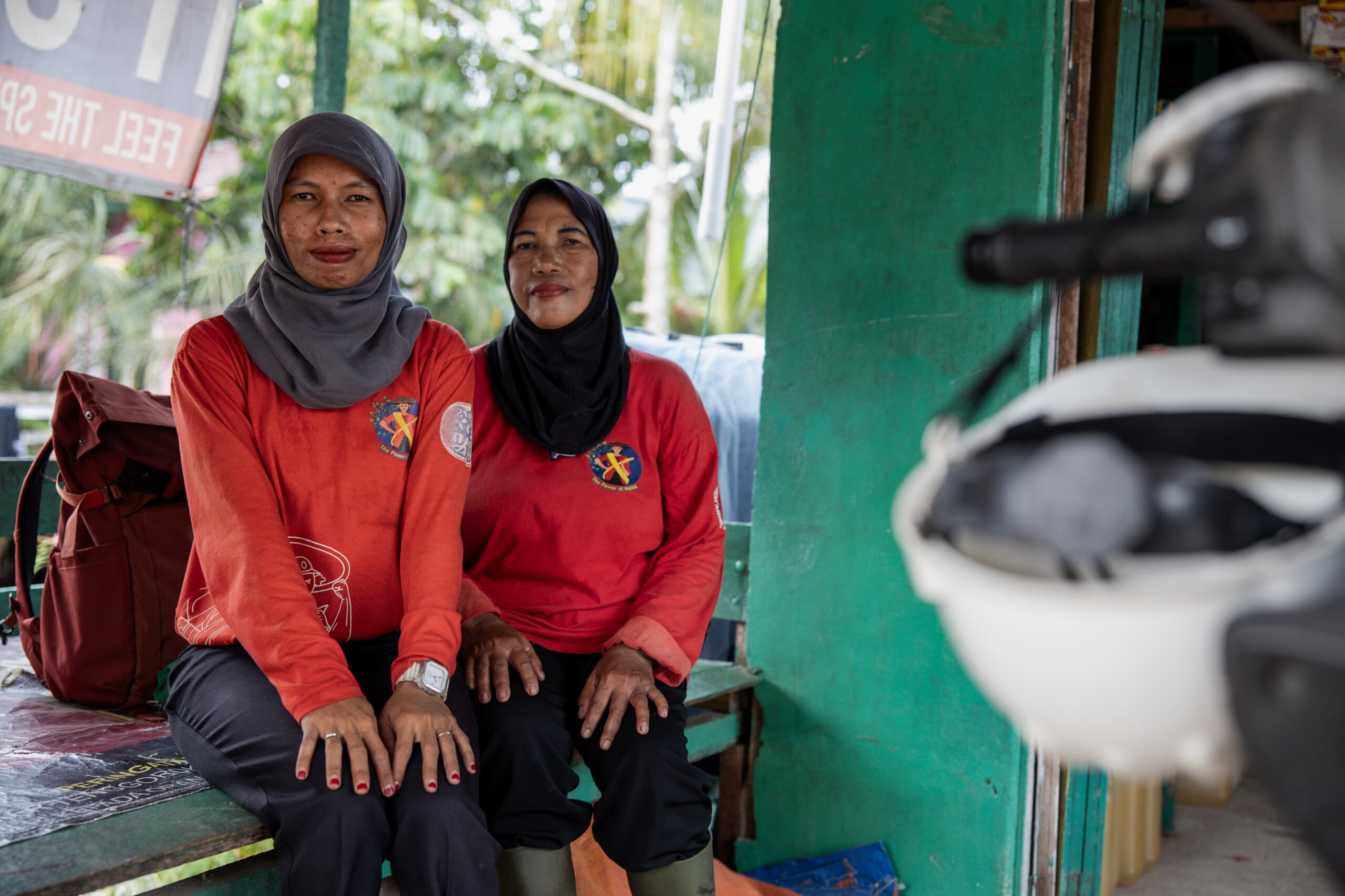
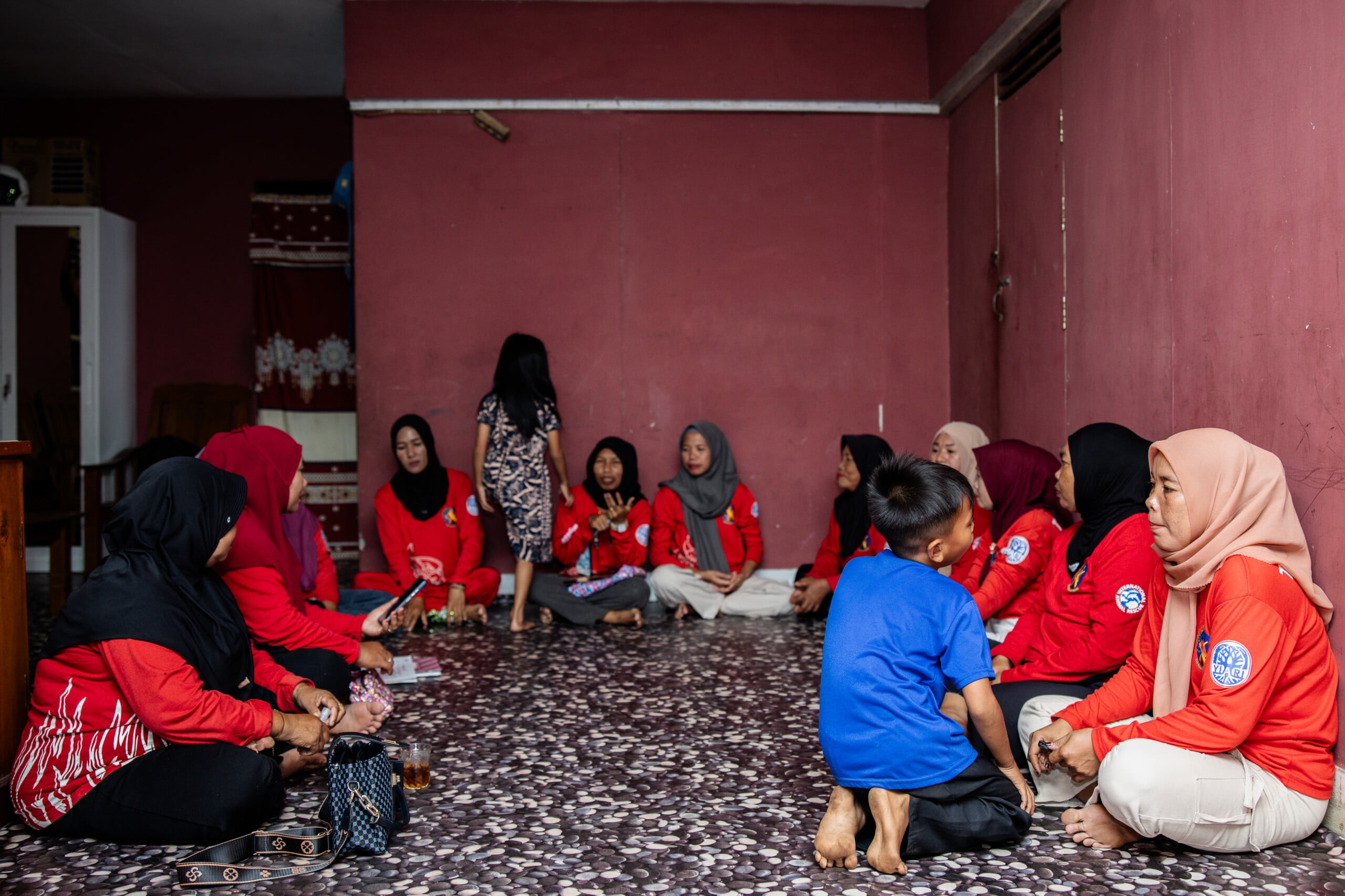
She remembers that they were made fun of for wearing uniforms and carrying out patrols. “The men of the village would tease us and say things such as: ‘Are women really patrolling? On serious grounds? Why do women have to patrol? Don’t you have any other duties to perform?'”
But their reason is entirely personal. Although Indonesia generally has a dry season from July to October, the weather this year has been surprisingly dry. “There used to be a great deal of wildlife in this area,” Irma recalls wistfully. “We used to see wild boars, deer, muntjacs and even sun bears; we had hornbills, but now it seems as if they have disappeared. The fireflies used to light up the night, but now they are seldom seen.”
The Climate Threat: Super El Niño and Peatlands
A deep sense of anxiety exists in Indonesia over the possibility of a catastrophic fire season similar to past disasters. The United Nations has issued worldwide warnings about a Super El Niño phenomenon, which can cause extreme weather, including an abnormally short, very dry monsoon season in Indonesia this year and next. This climate threat means the mothers on patrol consider each fire more dangerous.
The latest meteorological data shows a very bad outlook. According to various global agencies, such as the National Oceanic and Atmospheric Administration (NOAA), there is a nearly 69 percent chance that the present Super El Niño will become the strongest ever recorded. The extreme strengthening of this climate pattern is expected to break all previous records. As Daniel Swain, a climate scientist from the University of California, recently pointed out, “This is a truly extraordinary event. We are on the verge of breaking or matching existing records, and the intensity is expected to skyrocket.”
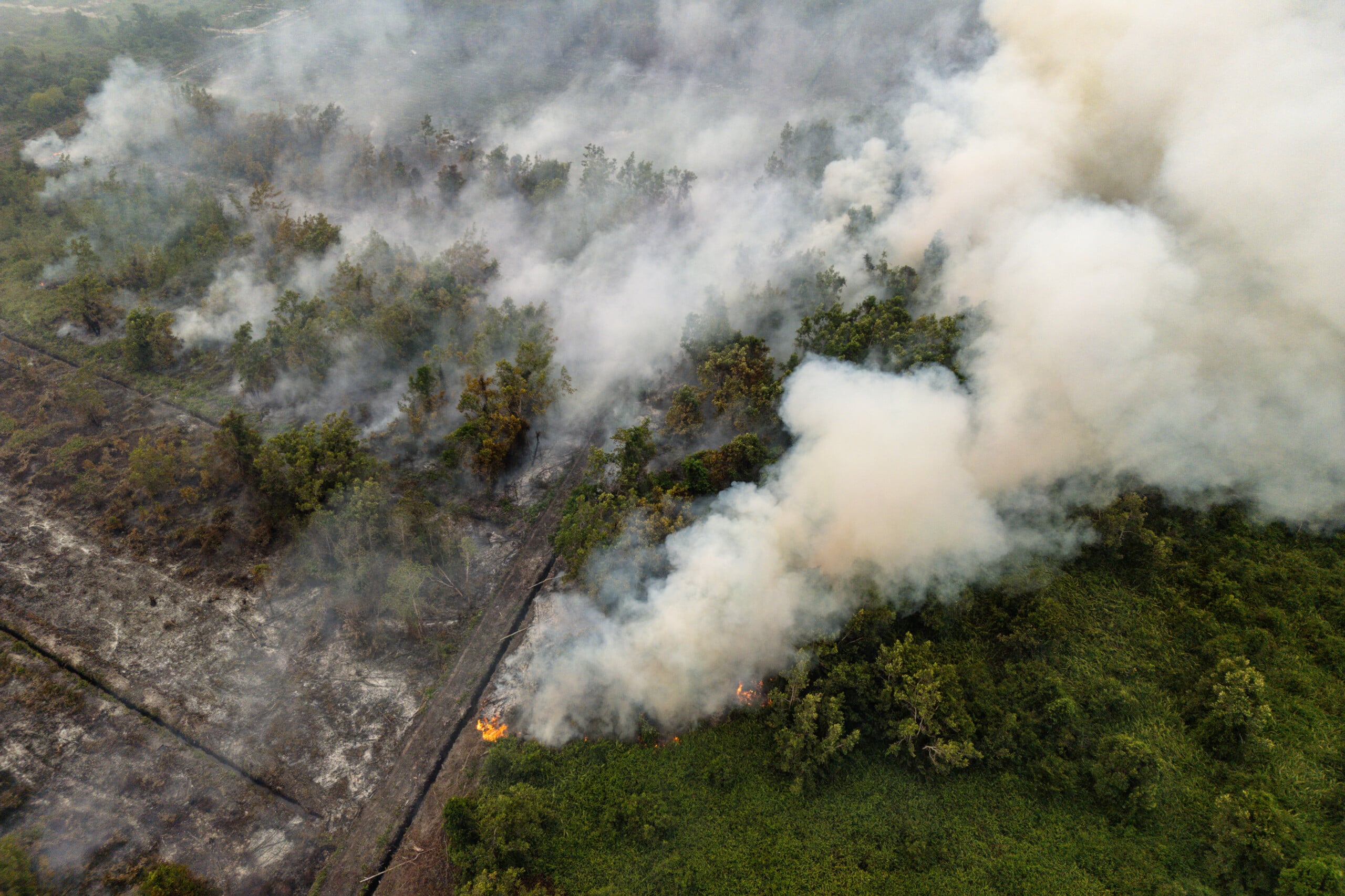
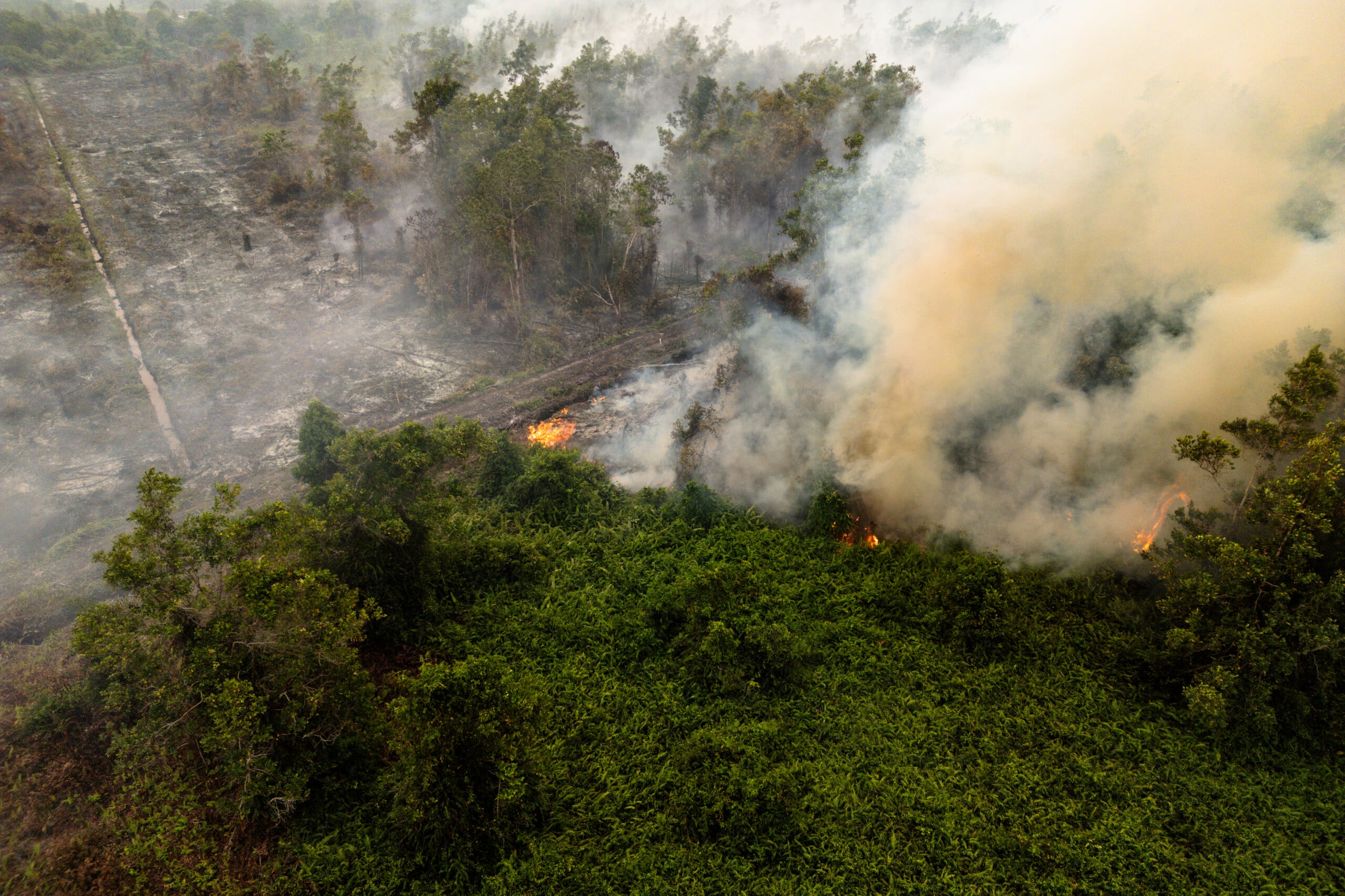
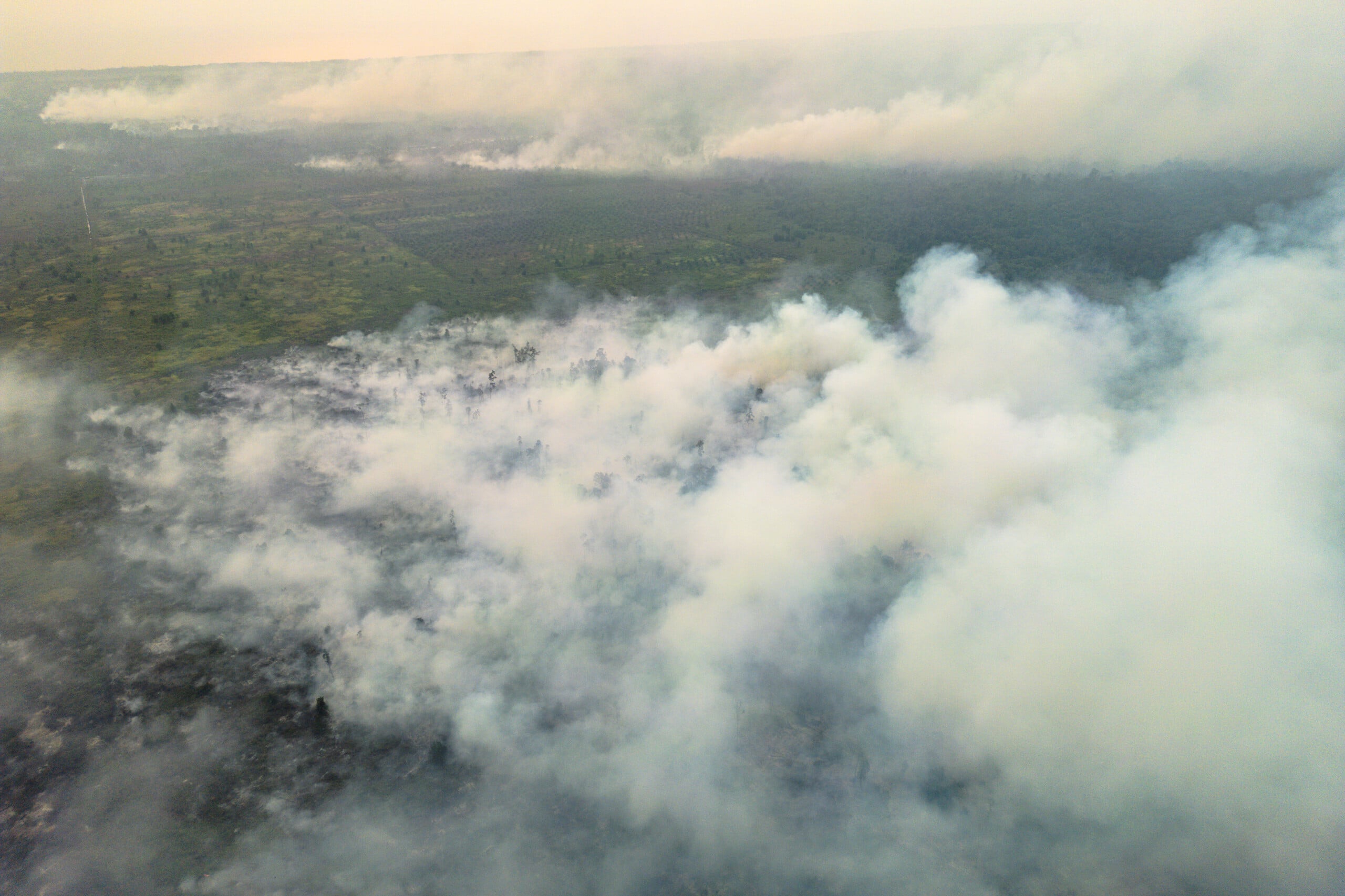
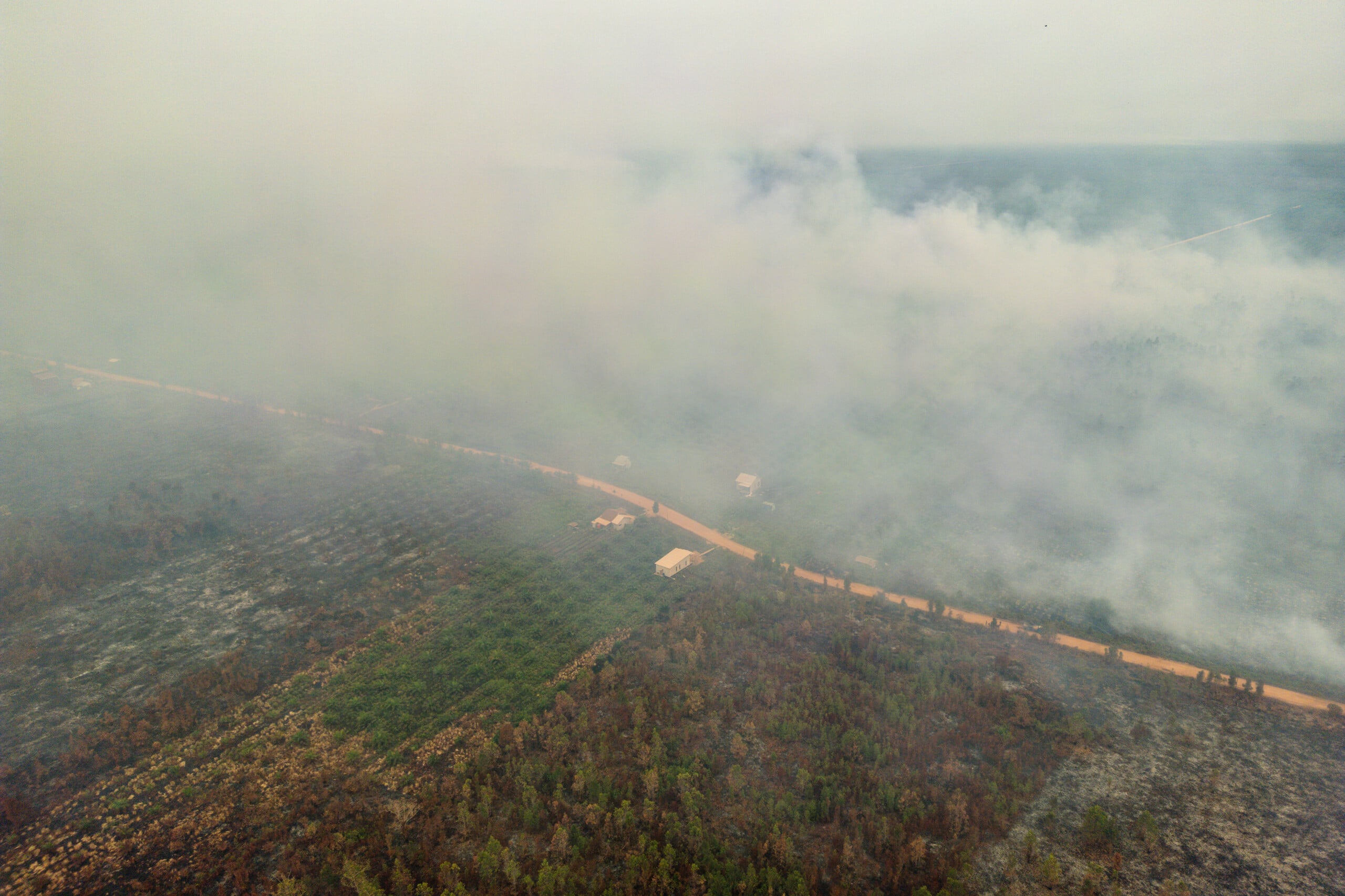
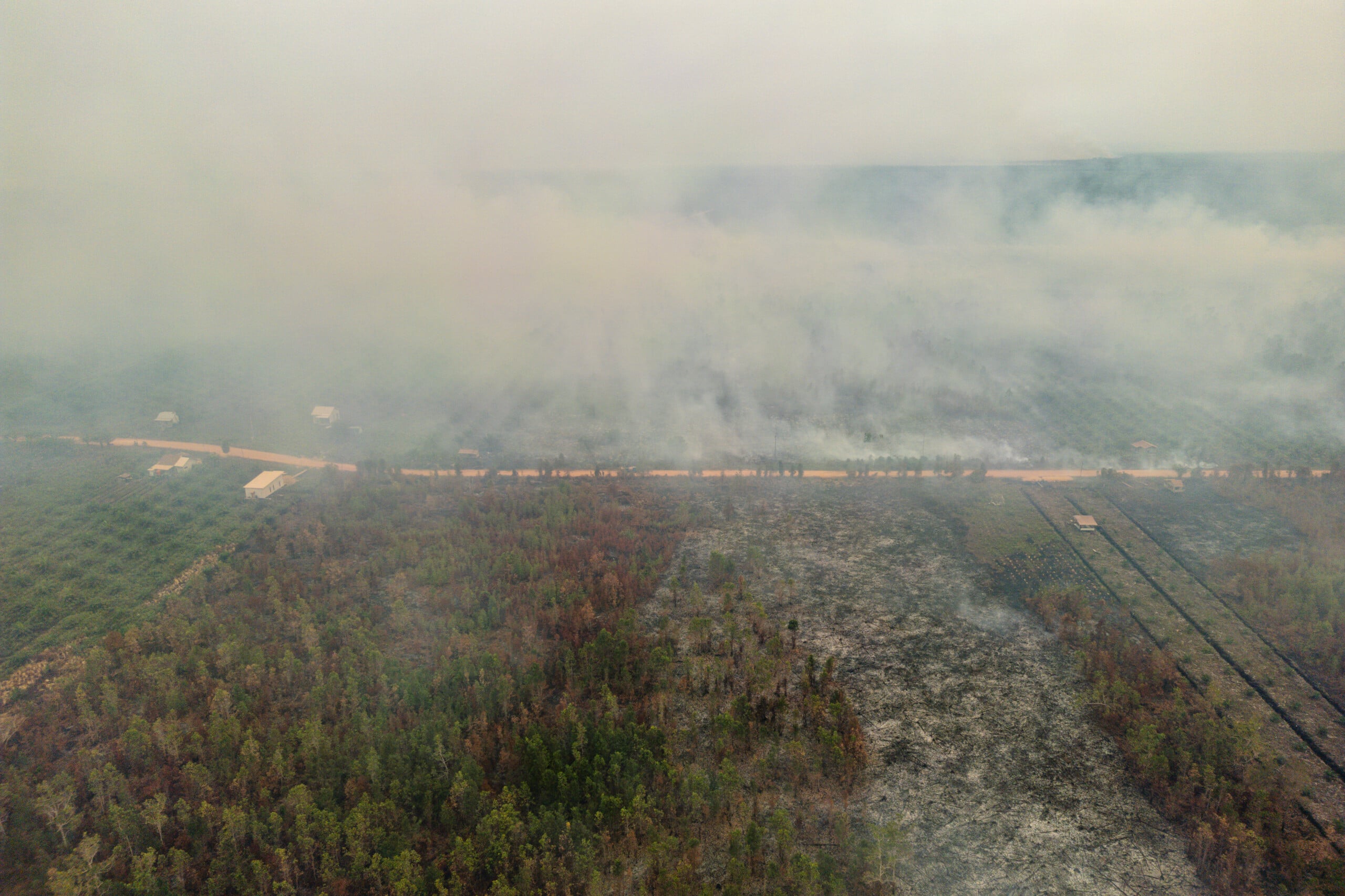
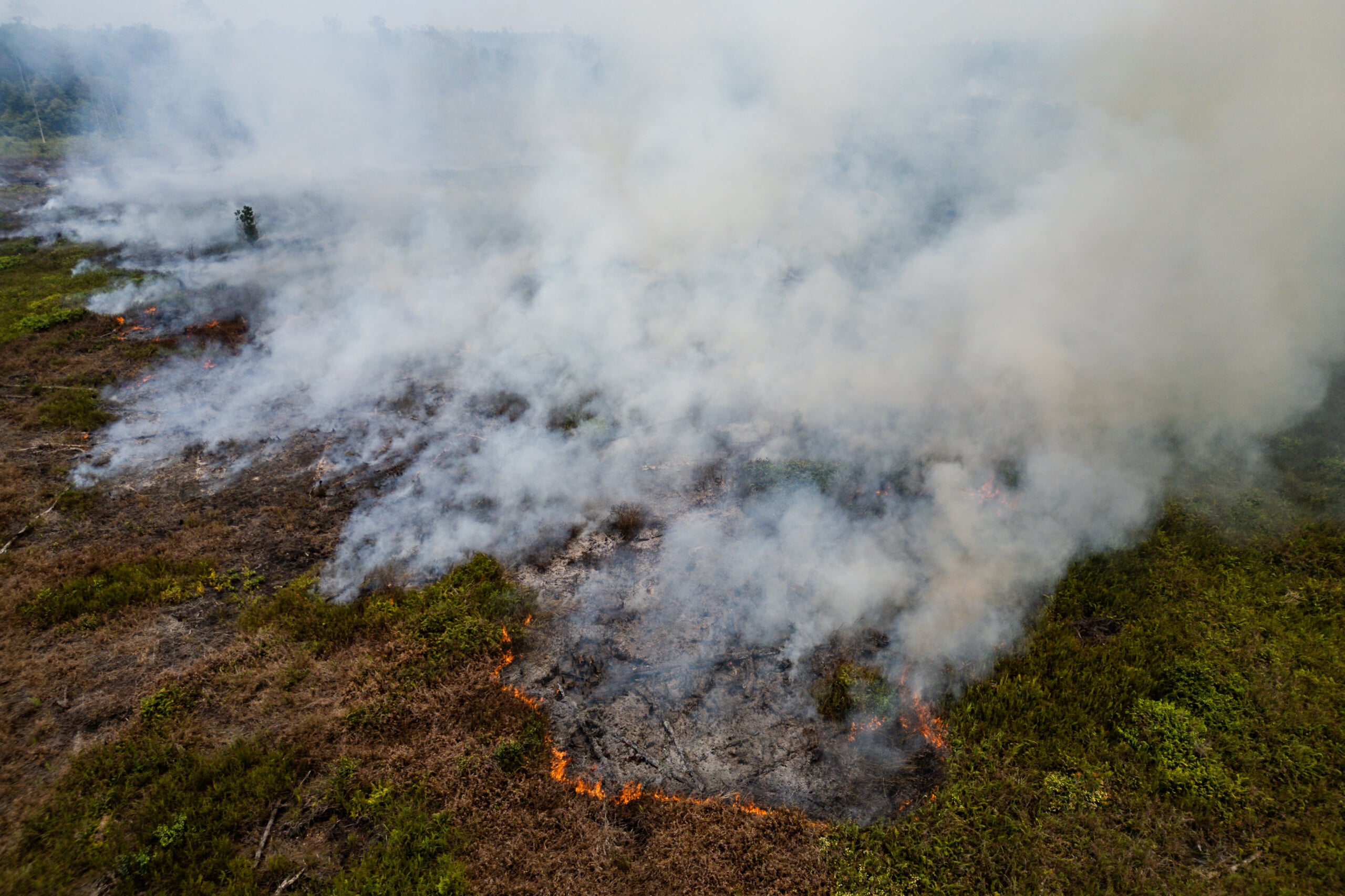
Copernicus ECMWF, an established organization whose climate model data is widely used by scientists worldwide, has issued a special report monitoring aerosol and smoke emissions from forest and land fires in Kalimantan. The pattern shows movement from the southeast to the northwest, consistent with the southeast monsoon. The organization has also noted that the likelihood of higher smoke levels in Kalimantan may continue to rise as El Niño strengthens. Mark Parrington, a senior scientist at ECMWF who works for CAMS, said, “For Indonesia, seasonal fire emissions and regional haze are already higher than normal, in line with what has been seen in previous El Niño years, and we will be keeping a close watch on the situation to understand how the fires and their impact on air quality are changing.”
For Indonesia, the situation means fire. The country has 20.6 million hectares of tropical peatlands—about 10.8 percent of its total land area. Since peatlands are normally water-saturated and therefore resistant to fire, extensive deforestation and land drainage to grow profitable agricultural products such as palm oil have turned the area into a ready source of ignition. Indonesia possesses the most carbon-dense peatlands in the world; when they are dried out, they become highly flammable and thus pose enormous risks to wildlife, human health, and global biodiversity.
Peat fires are well known for their danger. Unlike surface fires, which burn trees and other plant life in visible flames, peat fires burn beneath the surface. They burn slowly deep in the soil for weeks or months and emit large amounts of methane, carbon monoxide, ozone, and ancient carbon stored in the ground. “It is very difficult to put out peatland fires since the fire is below the surface,” says Karmele Llano Sanchez, Director of YIARI (Yayasan Inisiasi Alam Rehabilitasi Indonesia). “You can’t see the flames, but the burning goes on, and often a light breeze is sufficient to rekindle the fire.”
Dust, Ash, and Persuasion
Over on another patrol route, Suriati, who is thirty-two, and Ratinah, who is fifty-six, proceed along a narrow and dangerous path towards the edge of the forest. “We’ve already looked at five different spots in three hamlets,” says Suriati. “Normally we cover a distance of up to 30 kilometers each day, and even allowing for a winding route we manage at least 21 kilometers on average.”
The ground is harsh. Daily patrols are physically demanding because the paths are filled with sand, loose rocks, and fallen trees. “There are numerous obstacles, particularly during the rainy season when it’s slippery and muddy. We often fall off our motorbikes,” Ratinah remarks with a laugh. Suriati agrees by nodding. “Yes, we do fall a lot. I once burned my leg on the exhaust pipe. In the dry season, we have to fight both dust and thick smoke.”
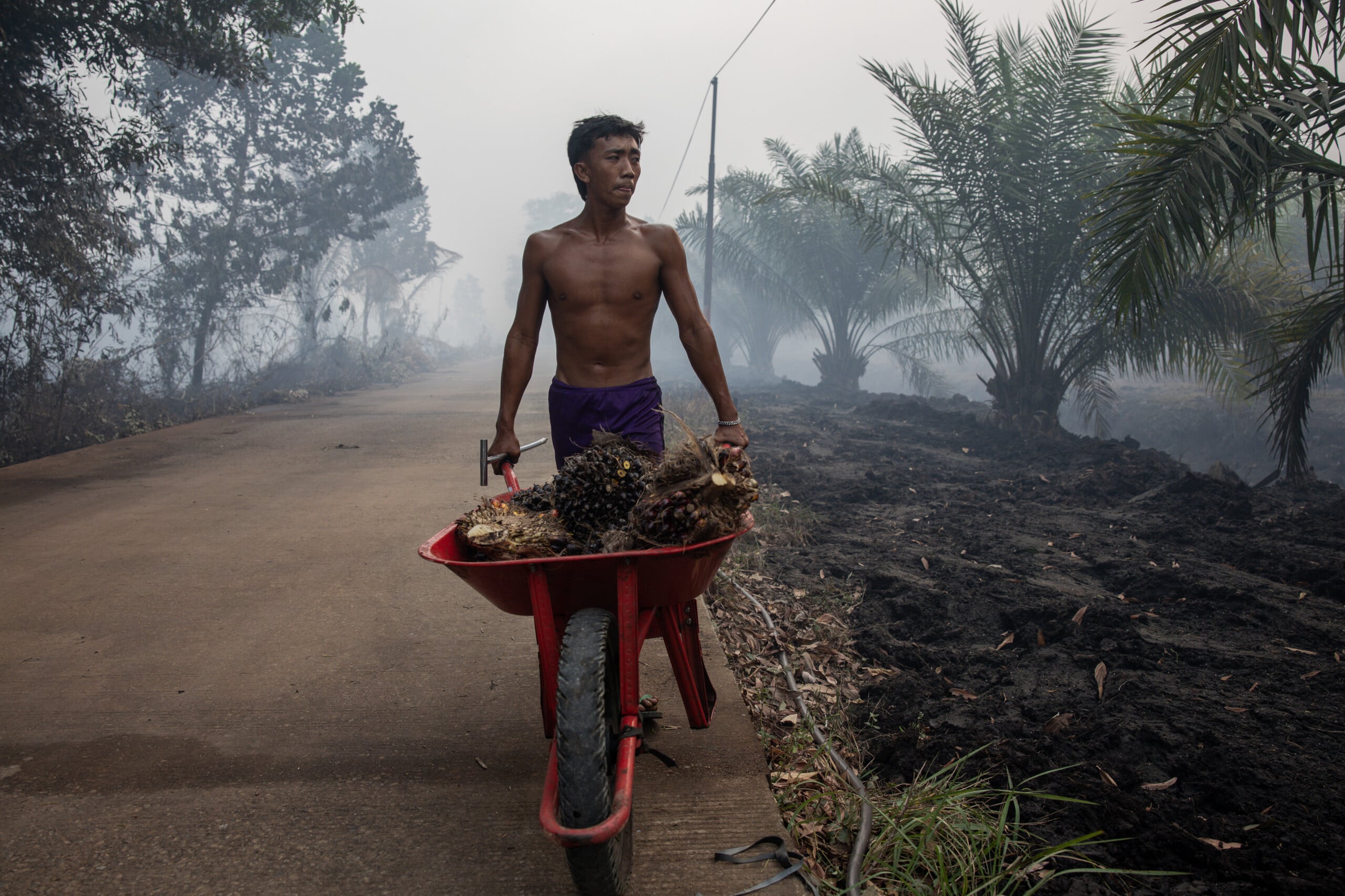
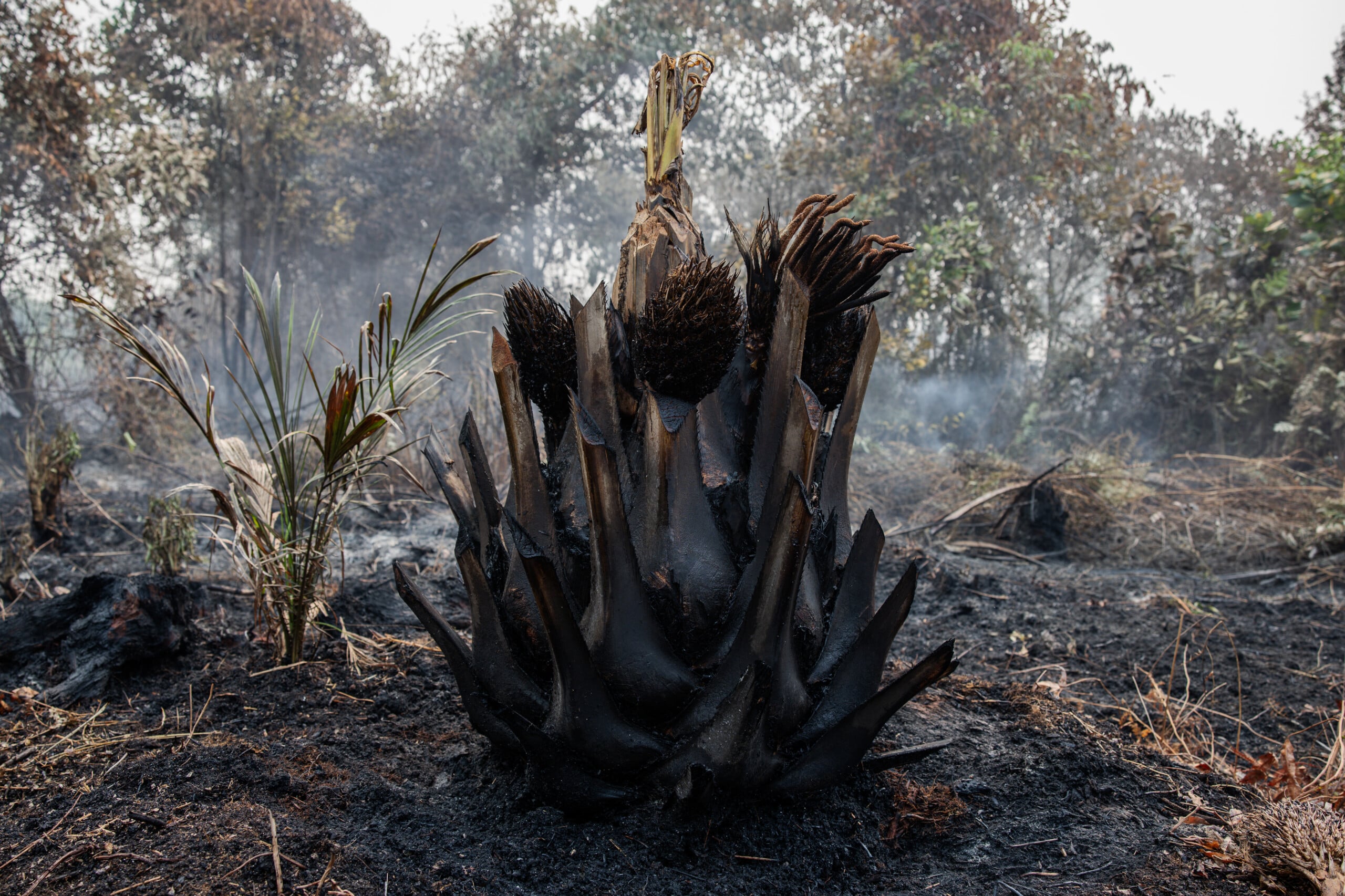
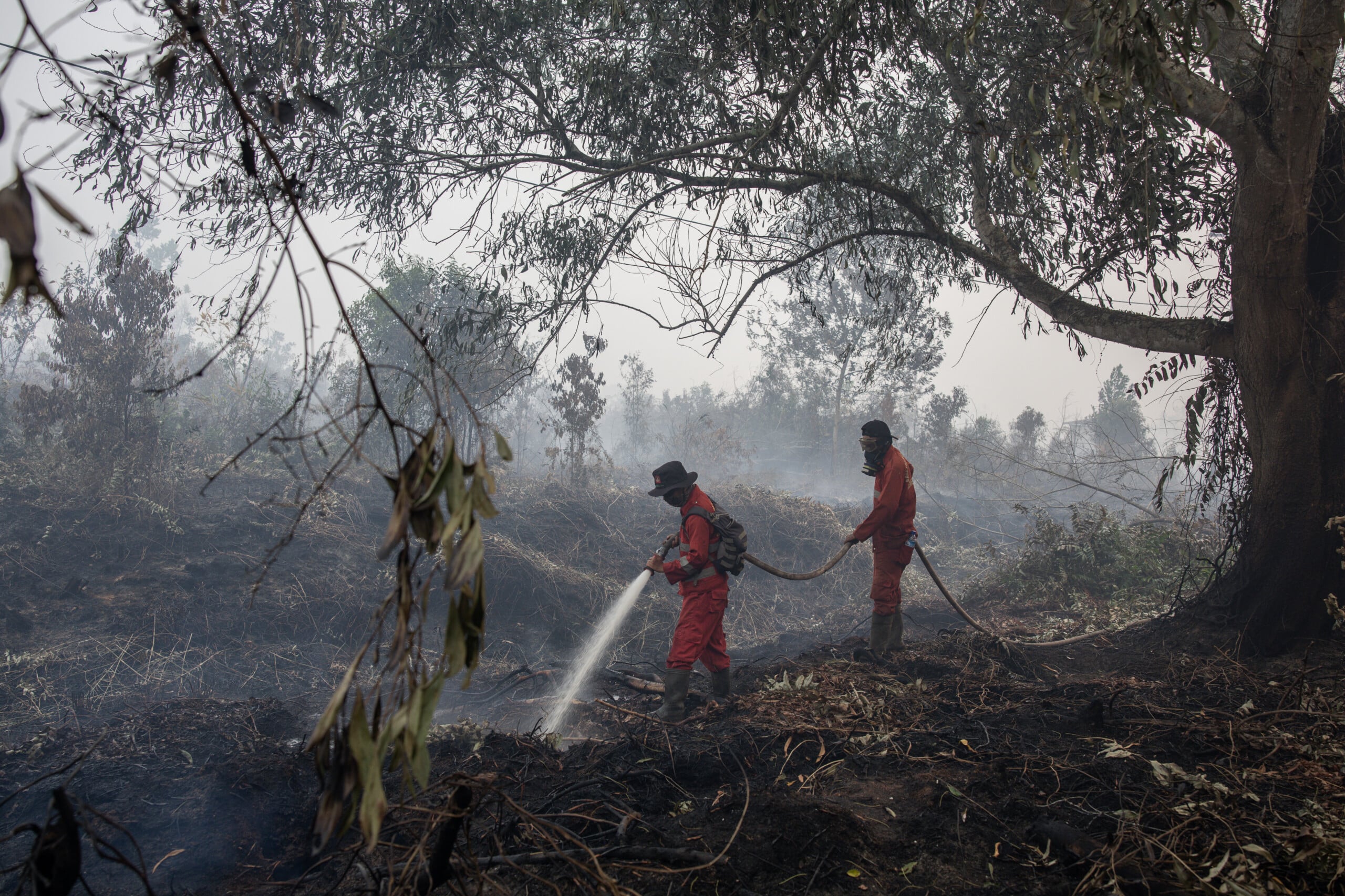
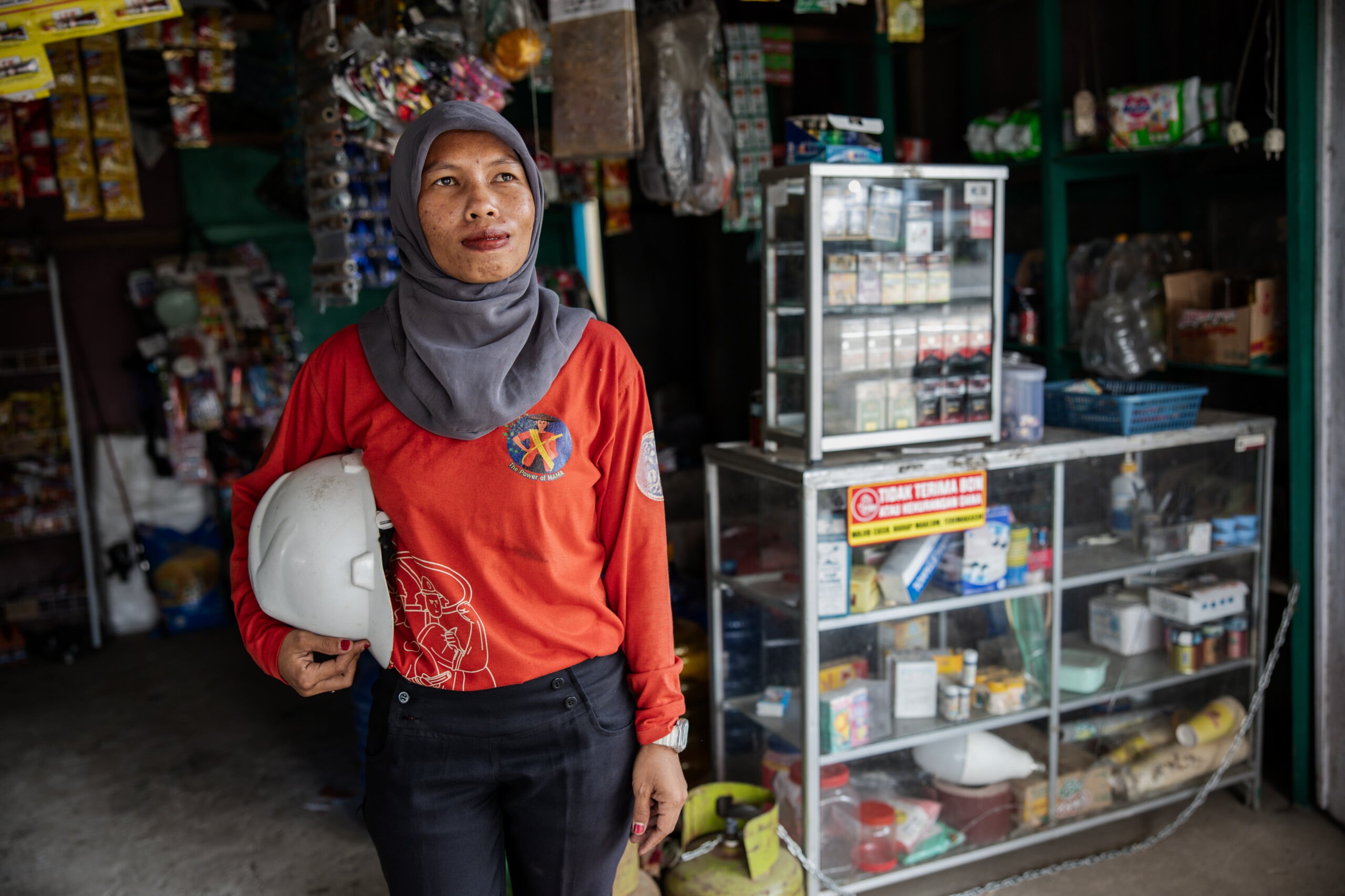
Besides detecting fires, their greatest difficulty lies in the field of social engineering—that is, getting their neighbors to abandon the traditional slash-and-burn farming method. “The public’s reaction is the challenge we face most,” admits Suriati, a housewife who operates a small grocery stall. “Sometimes they won’t accept it; they feel that we are showing off or being patronizing. They say, ‘What do motherfolk know?’ When we ask them not to burn the land haphazardly, they can be obstinate. With the older people in particular, we cannot simply forbid them; we have to treat them gently.”
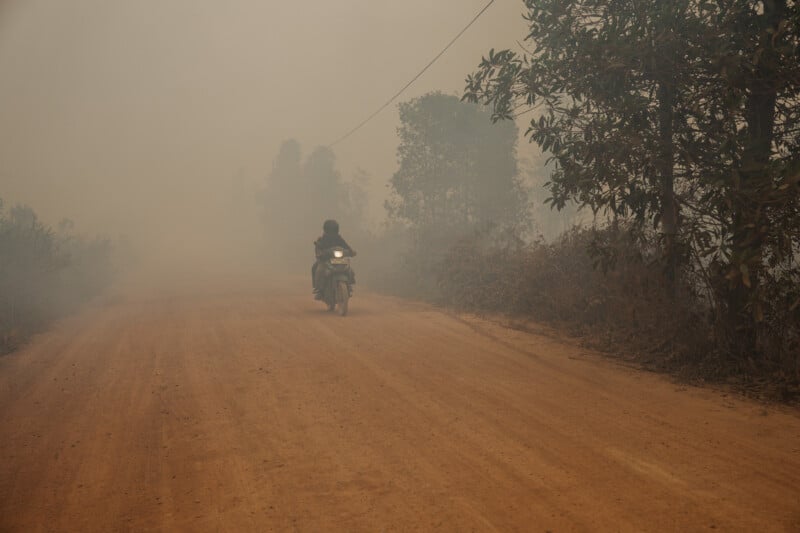
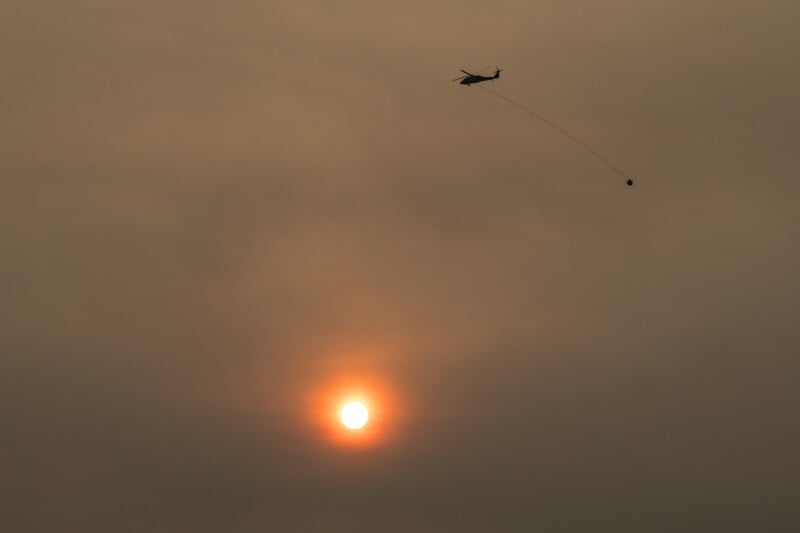
Ratinah adopts a diplomatic method. “In the case of someone who is clearing land for palm oil, we tell them about the effects thereof. We state, ‘We are not stopping you from clearing the land, but could you please control the fire so that it doesn’t spread?’ We make them aware of the hazards that the smoke poses to the health of their children and families.”
A Movement Born of Necessity
The Power of Mama was established in 2022 by YIARI, an affiliate of International Animal Rescue. Director Karmele Llano Sanchez formed the movement to empower women and mothers as environmental protectors and as a frontline response to the forest fire crisis. The initiative rests on a central truth: women hold a major role in rural society and possess influence that can help change ingrained behaviors, making them the focus of this story.
“Protecting the forest is one of our main objectives, since fire poses a great threat to it,” Sanchez says. At present, the group includes 146 local women in ten villages in Ketapang. YIARI provides them with rigorous training so they can fight fires directly, operate surveillance drones, and conduct essential community outreach.
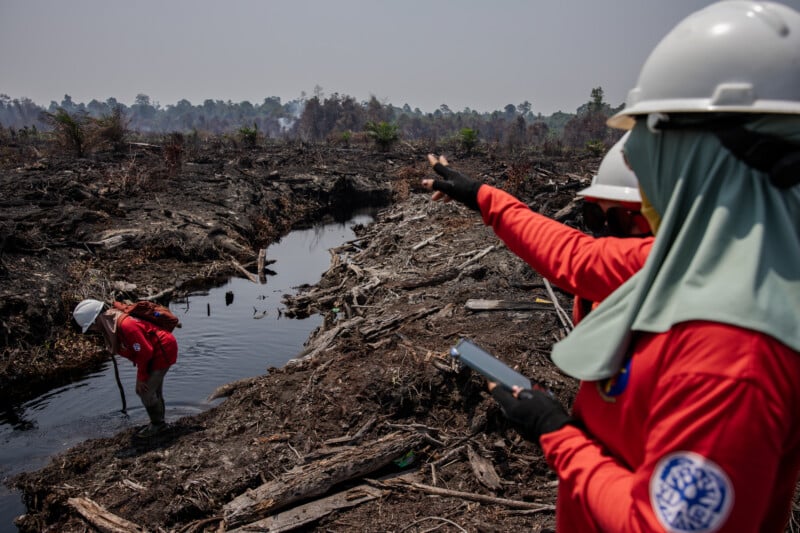
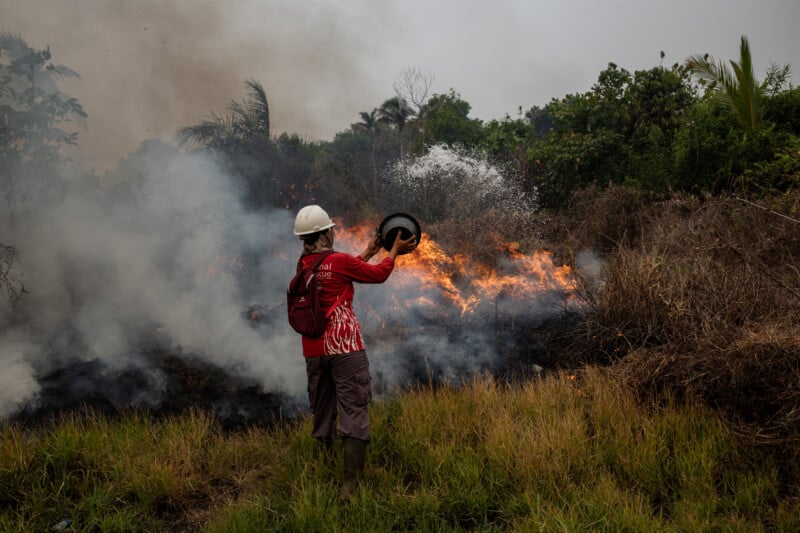
For many people, the reason for joining was the trauma from previous fires. Ely Marlina joined because of the terrifying situation she faced while looking after her child during the disastrous 2019 fires. “Many children that year developed respiratory illnesses as a result of the land fires,” she says. In 2019, the crisis involved more than 1,000 hotspots in Ketapang alone, and the notorious 2015 fires also spread, causing the worst pollution of the century, which affected neighboring Malaysia, Singapore, and Thailand.
The situation in 2026 is just as worrying. The Sipongi website of Indonesia’s Ministry of Forestry states that by the end of August 2026, the number of hotspots in Kalimantan had reached 8,638, with West Kalimantan accounting for 3,705, and Ketapang alone having 1,749. More than 202,000 hectares of land had already been burned between January and July 2026, the smoke from the fires spreading across the border into Sarawak, Malaysia, and leading to the closure of almost 600 schools.
The Night Watch
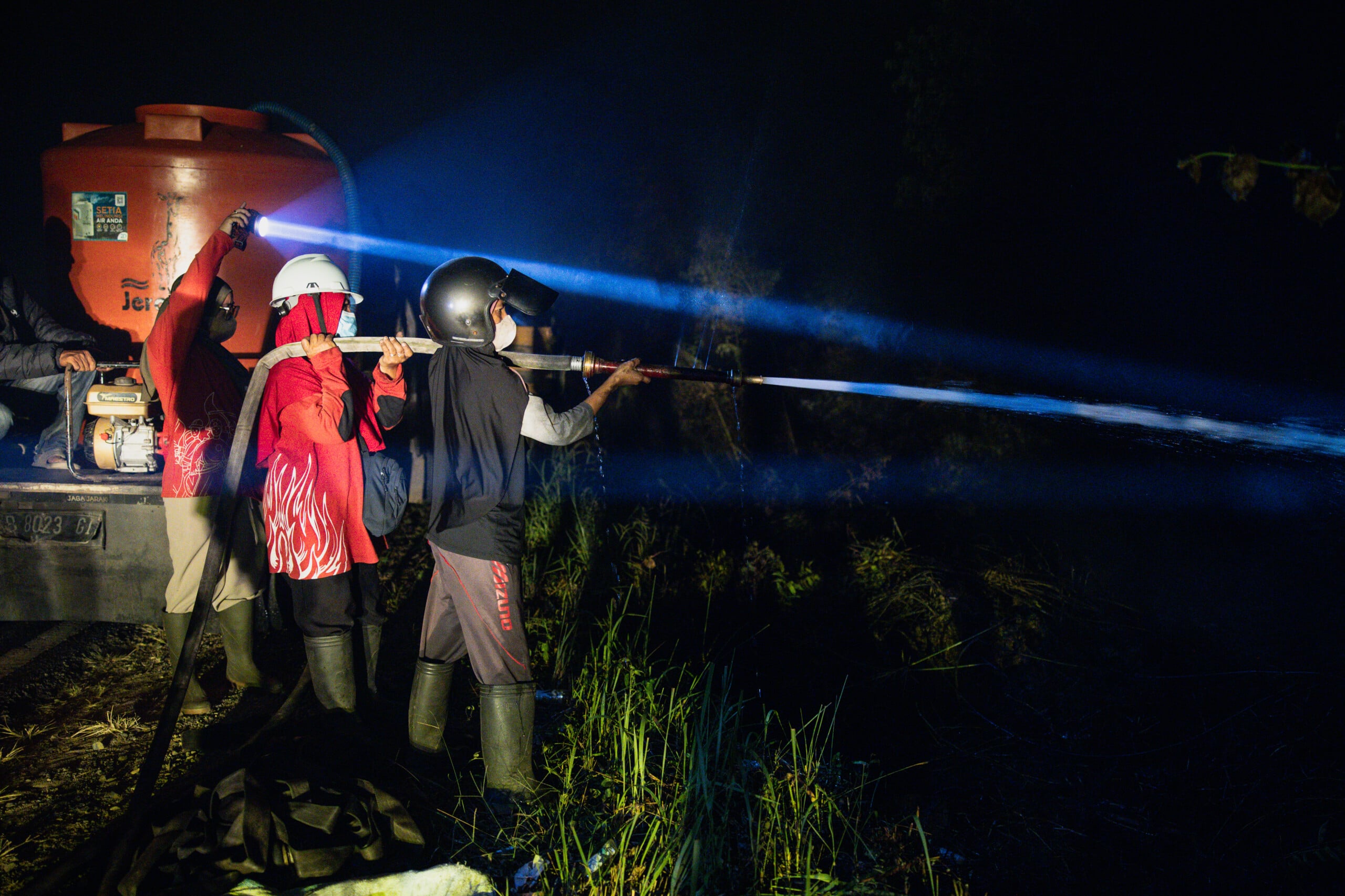
At night in Sungai Awan Kiri Village, the fighting does not stop. Upon receiving a report of a fire near the main road, the team hurries to the spot. “The distance was quite a way away, more than three kilometers from my house, and we got there by motorbike,” says 46-year-old Ely Marlina. “When we jumped into the vehicle while donning our full Personal Protective Equipment (PPE), we discovered that the area on fire was peatland. The ground was very dangerous. My leg even slipped and sank half a meter into the peat.”
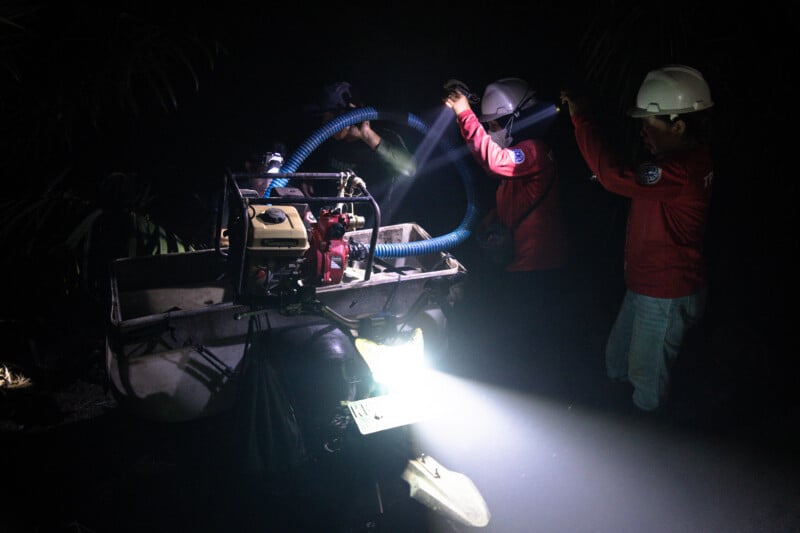
When they arrive, Ely Marlina quickly gets on a tanker truck and loads water pumps, hoses, and portable tanks onto it. The women then work in perfect coordination as they drag the heavy equipment towards the flames.
The fact that the flames are near the village means action must be taken at once. “There were already some of the residents’ houses about 100 meters away, and the distance to the densely populated residential area was only about 200 or 300 meters,” Ely points out. “We began putting out the fire after the Isha evening prayer, and it wasn’t until 11 p.m. that we were able to bring it under control. The operation took about 4 to 5 hours.”
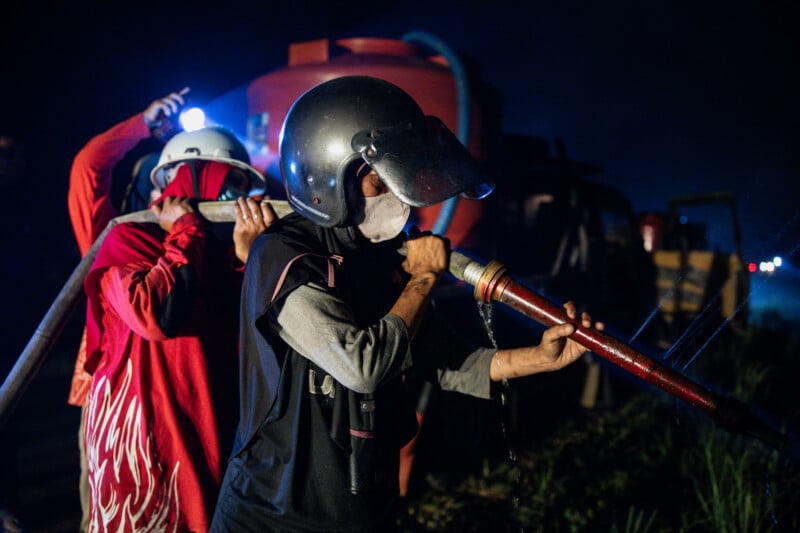
This tense night operation has now become a regular part of their daily routine. “Either we like it or not, since we are volunteers, we have to stay on guard continuously during the dry season, for the residents do really depend on this team,” explains Ely as she wipes sweat from her brow.
In situations such as this extreme dry season, patrols become essential. “We descend to carry out the monitoring from the morning since the wind becomes strong after 10 a.m.,” Ely states. “Should there be any remaining fire, this wind direction would present a major risk of causing new fires.”
Ely, who teaches at a junior high school in the morning, has been involved in the community since it was set up in 2022. The initiative was rooted in Dr. Karmele’s idea of empowering women farmers’ groups so they could receive education and thus abandon the traditional practice of clearing land through slash-and-burn. “I joined so that I might have a platform through which to express my love for environmental conservation and could take direct action in the field,” she says.
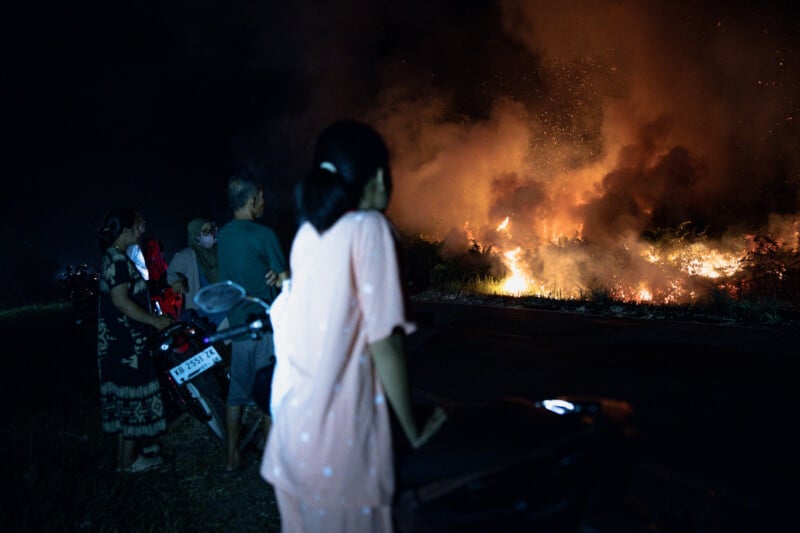
In November 2023, their heroic efforts were officially acknowledged when The Power of Mama was awarded the Indonesian Clean Air Championship Award. But for these women, the real reward is the legacy they leave behind.
Irma remarks that The Power of Mama has taught her a great deal beyond just putting out fires. She has acquired extensive knowledge about the environment, fire prevention, and the protection of river and forest ecosystems; she has a son and is now teaching him to look after nature.
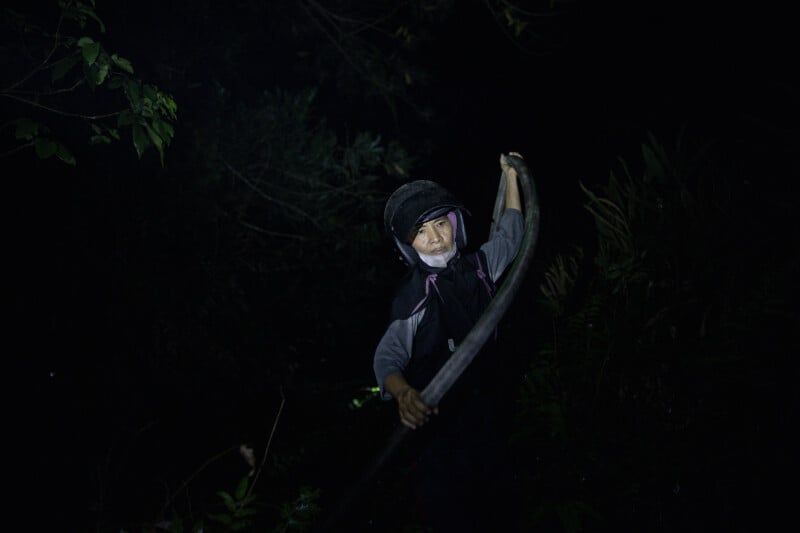
For Sanchez and the founders, the transformation runs even deeper than the soil they protect. “This isn’t just about putting out fires,” Sanchez says. “It’s about seeing these women become more confident, and taking their rightful, powerful role in society.”
Affiliate Disclosure PetaPixel articles may include affiliate links; we may earn a commission if you buy through one.