Special Feature
Revisiting Zeiss ZM Lenses Part 2: Learning to Like the 35mm Lens
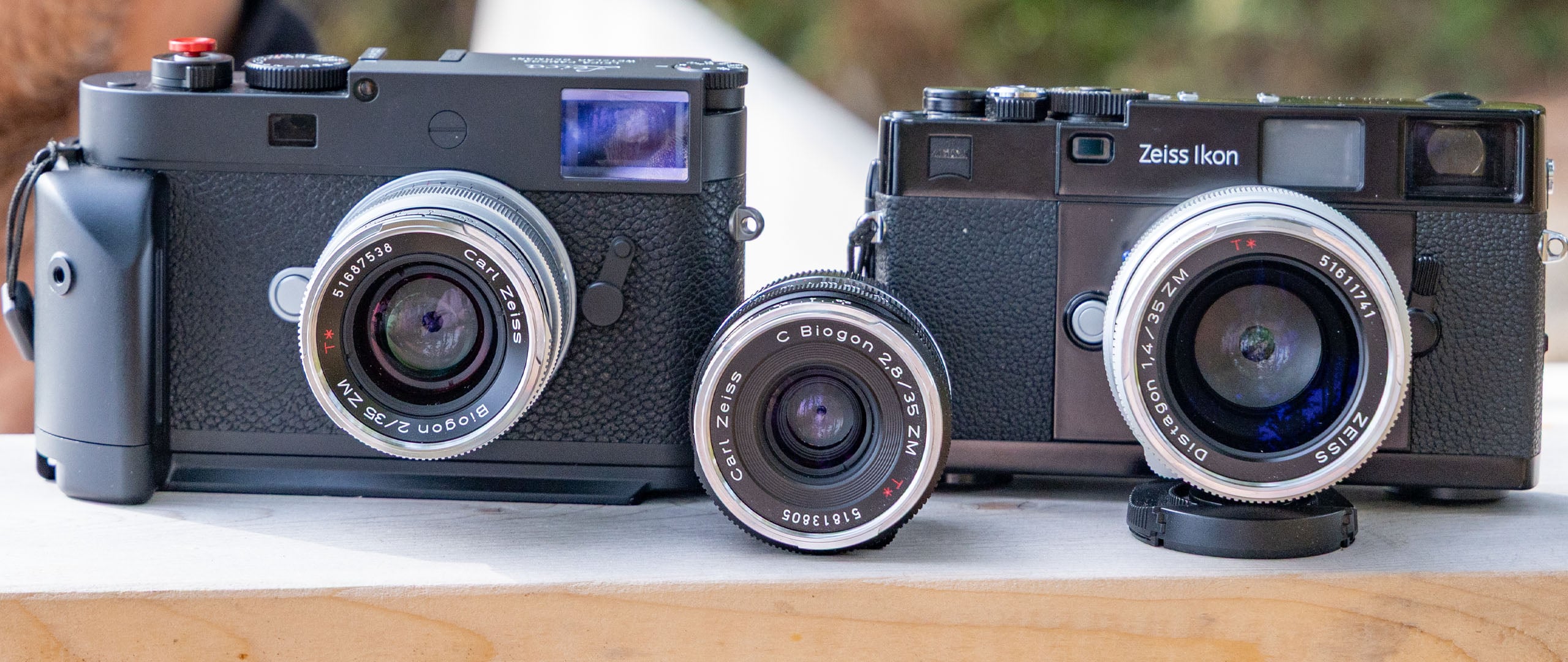
The 35mm focal length is the most popular prime lens on the planet, and for part two of our look at the Zeiss ZM lenses, I’m not just going to talk about one lens; I’m showing you three!
In our previous look at the Zeiss ZM line of lenses, I tested the wider-angle lenses in the ZM lineup. This time, I took the trio of 35mm lenses that are made by Zeiss to beautiful British Columbia. We are going to celebrate photography together, learn about the history and character of the ZM lenses, and I’m going to take you on an adventure across Vancouver Island.
Full disclosureThis story was made possible in partnership with Zeiss. Read part one here.
Now, part of this whole Zeiss showcase is for me to learn about all these famous optical formulas that I heard about as a young photographer but didn’t really understand. I also wanted to make an effort to at least appreciate the 35mm focal length, even if it’s not my usual choice. Using three lenses that have identical framing meant really focusing on the subtle differences, so let’s start with the most general-purpose of the trio.
Zeiss ZM Lenses: Zeiss Biogon 35mm f/2
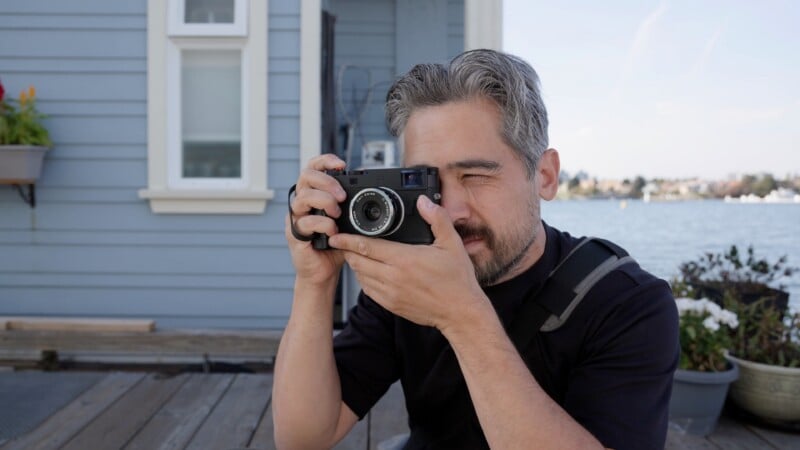
The Biogon 35mm f/2 was one of the first lenses that Zeiss created back in 2005, and for good reason. The 35mm lens is a staple of rangefinder photography due to its storytelling ability and versatility as a street photo lens. It made sense to start with a lens that would be a good balance of both physical compactness and light-gathering ability, and the Biogon 35mm f/2 was the result.
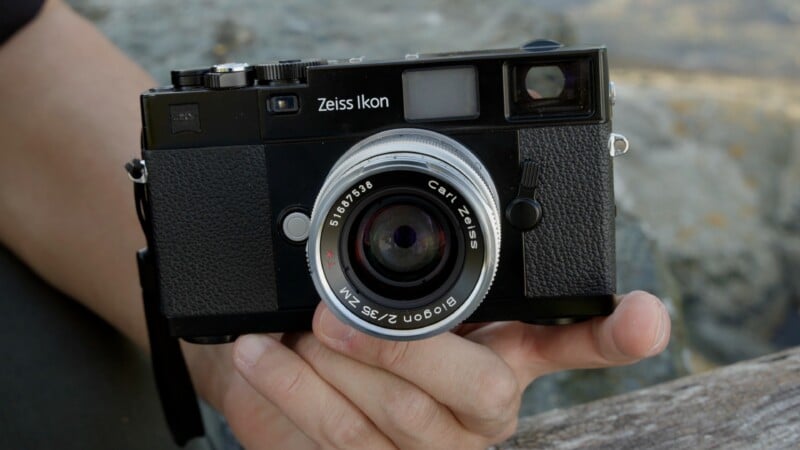
Zeiss lenses do tend to be slightly larger because optical engineers feel it best to correct for distortion and deliver sharp clarity right to the edge of the frame. I still found the 8.5-ounce (240-gram) lens to be easy to carry without being too obtrusive through the viewfinder.
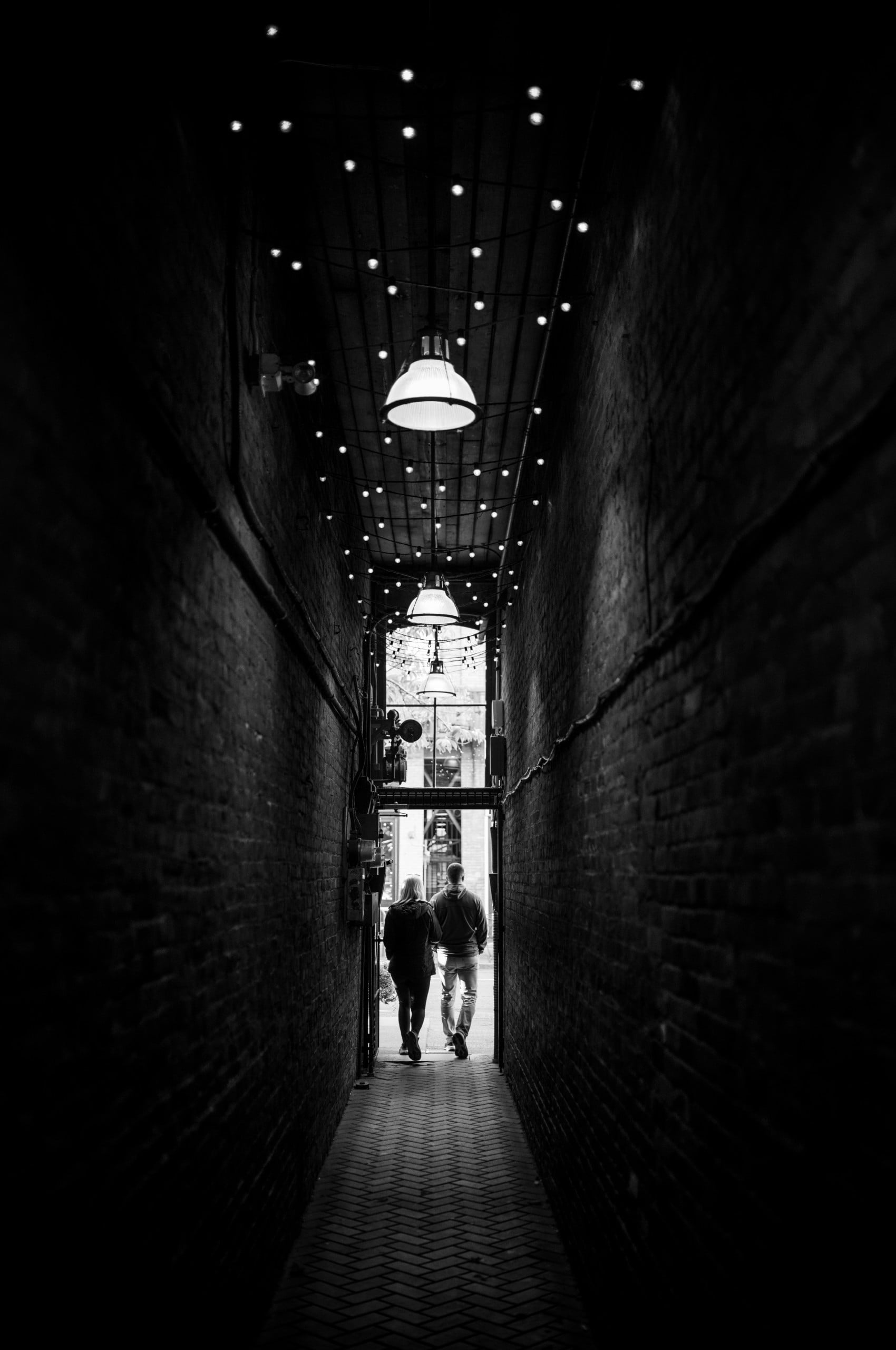

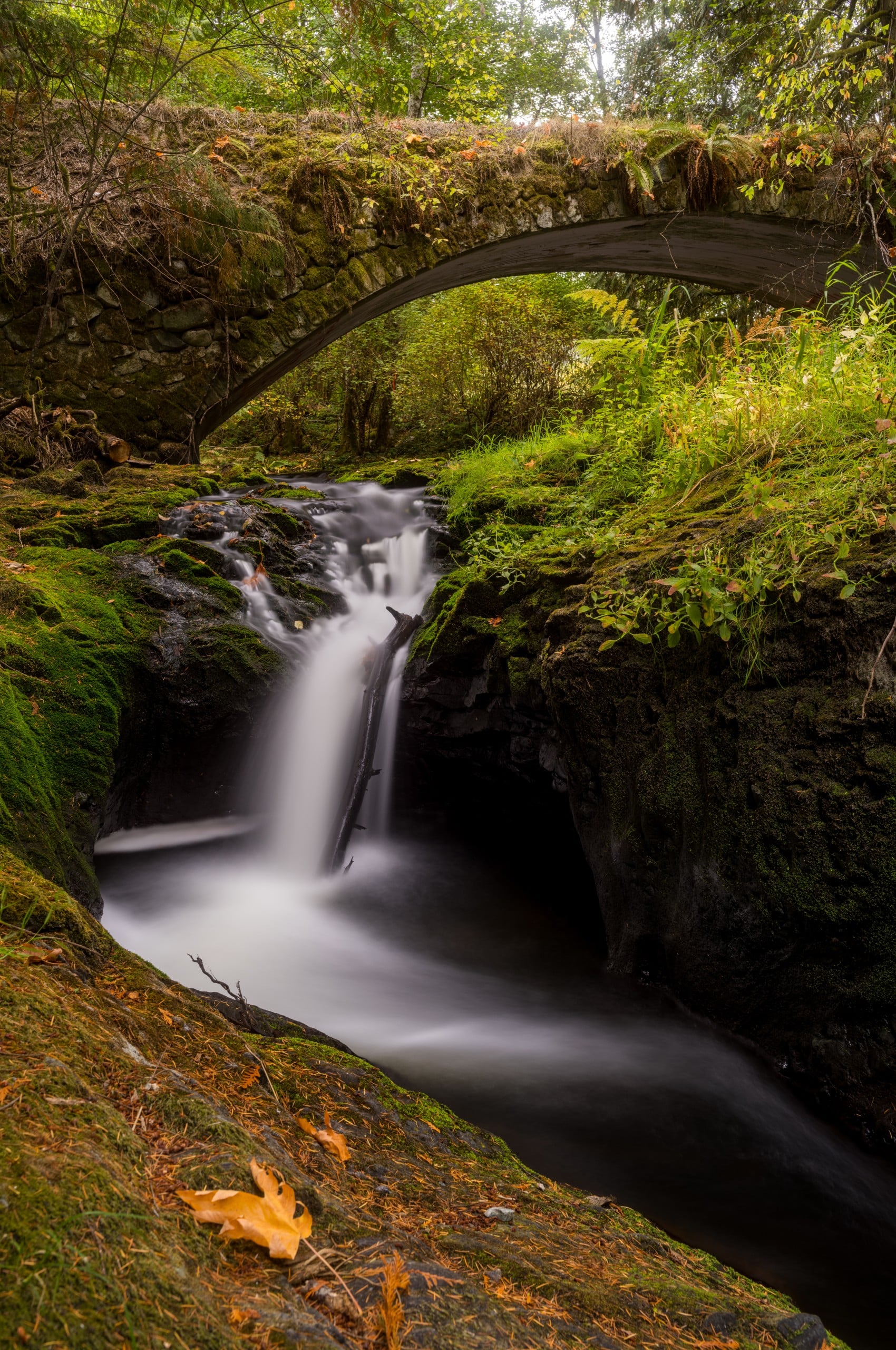
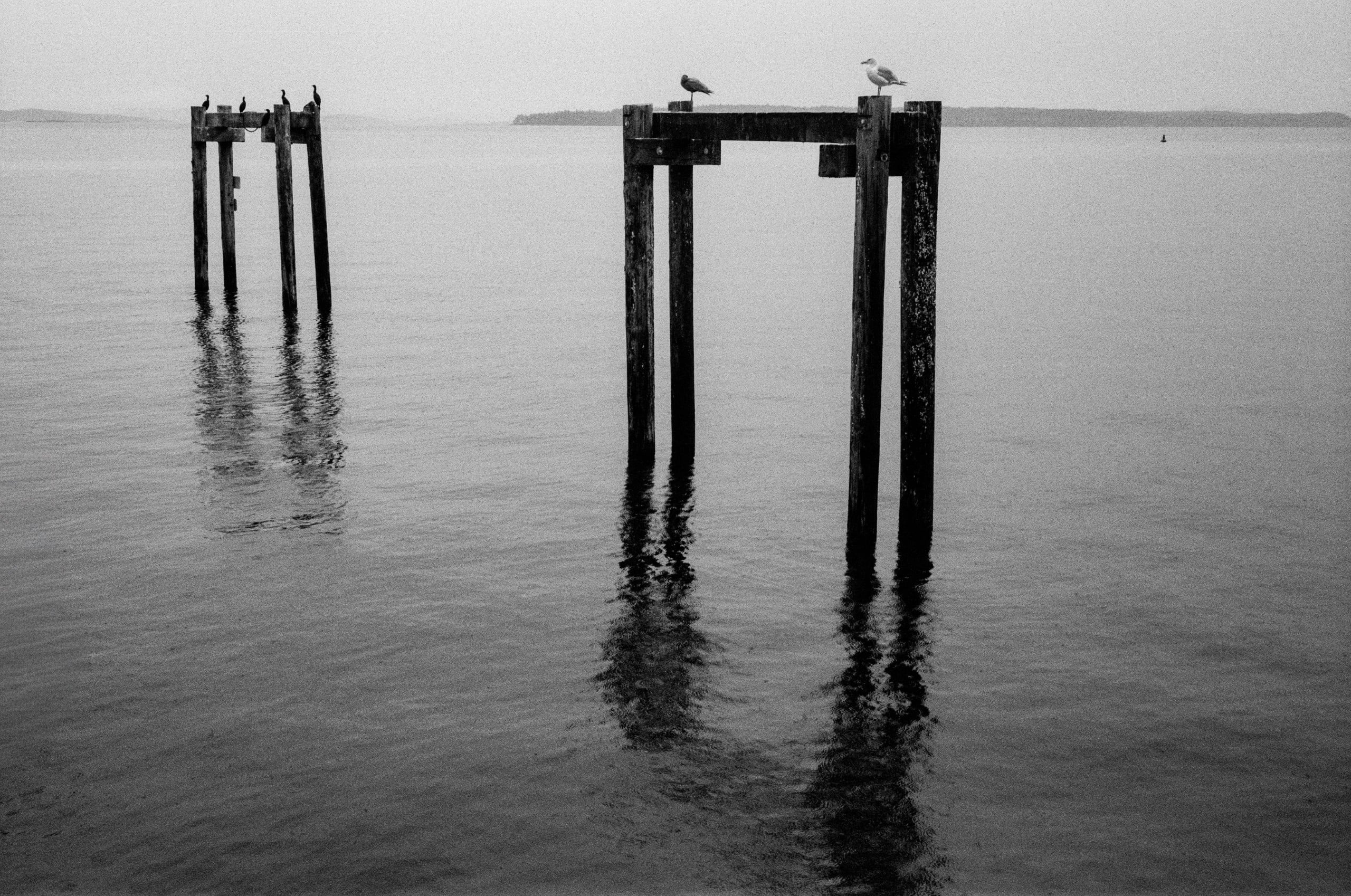
The lens worked as a great general-purpose optic, and the f/2 aperture with its 10-blade design delivered pleasant bokeh. Even more impressive is the flare control, and I found this very useful when shooting at Butchart Gardens on a very sunny day. I decided to also shoot some 35mm film with the Zeiss Ikon rangefinder camera, and this is where the almost complete lack of distortion really shone. The Biogon f/2 is probably the most practical of the three available options, but I may have had even more fun with the next one.
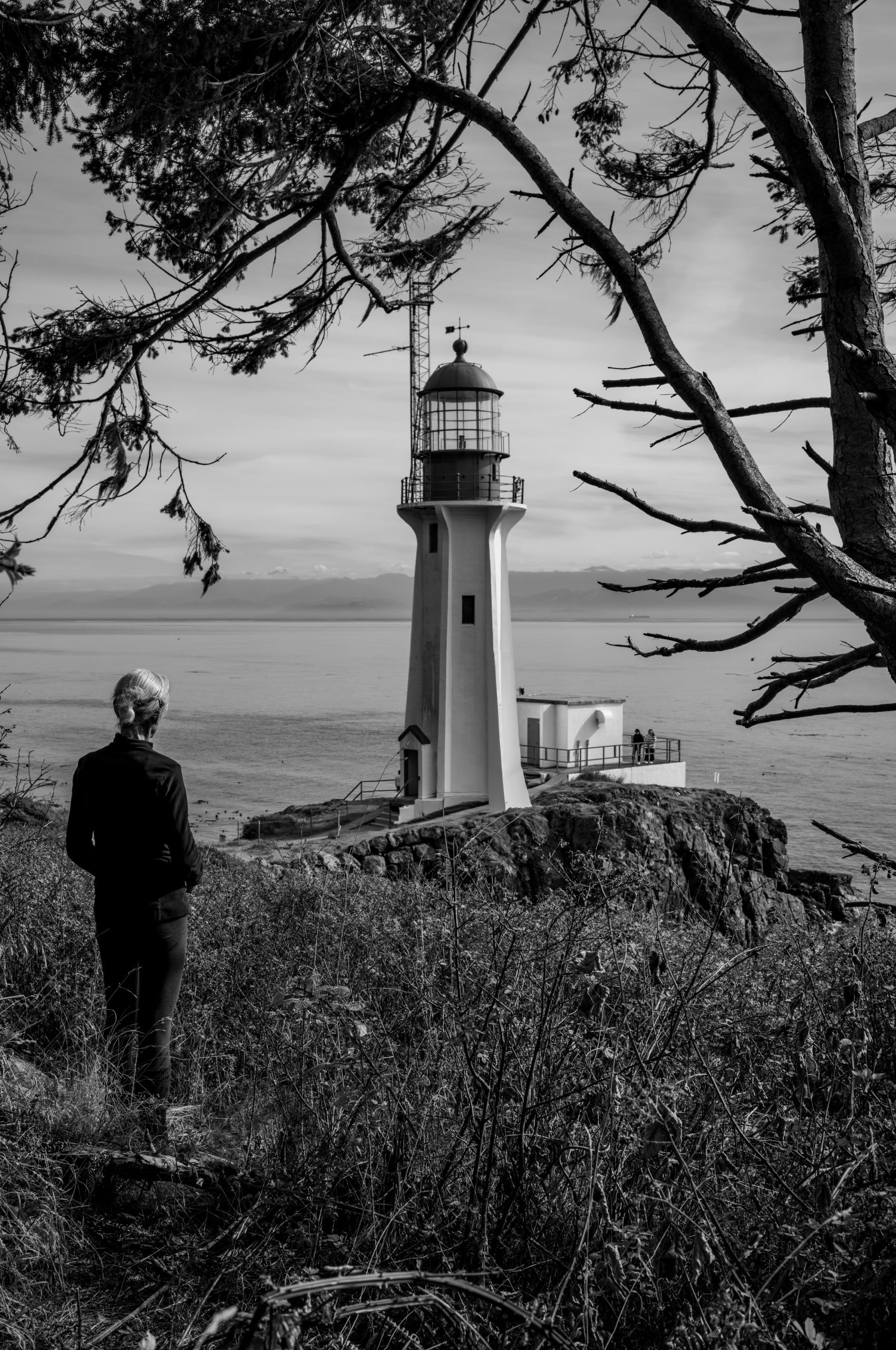
Zeiss ZM Lenses: Zeiss Biogon C 35mm f/2.8
The Biogon “C” stands for compactness, and Zeiss certainly achieved this goal. The little f/2.8 lens is only 7 ounces (200 grams) and fits so neatly on the front of the camera that I could tuck the Leica M11-P I was using into a jacket pocket. This turned out to be useful because I headed up to Cowichan Bay, and the classic Vancouver Island rain decided to settle in.
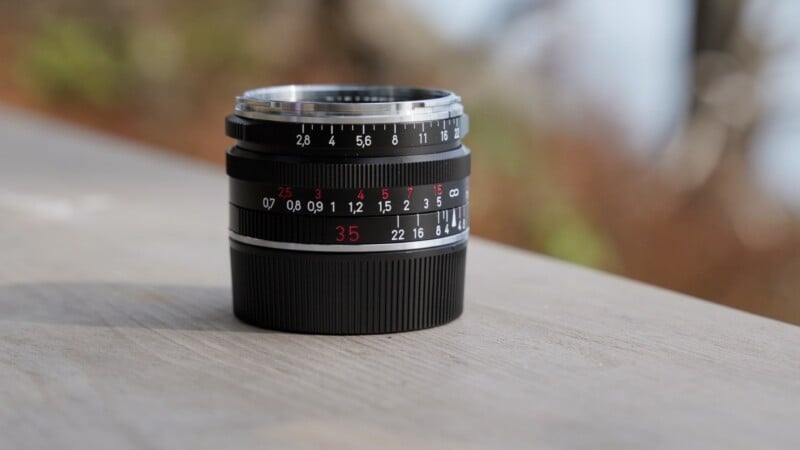
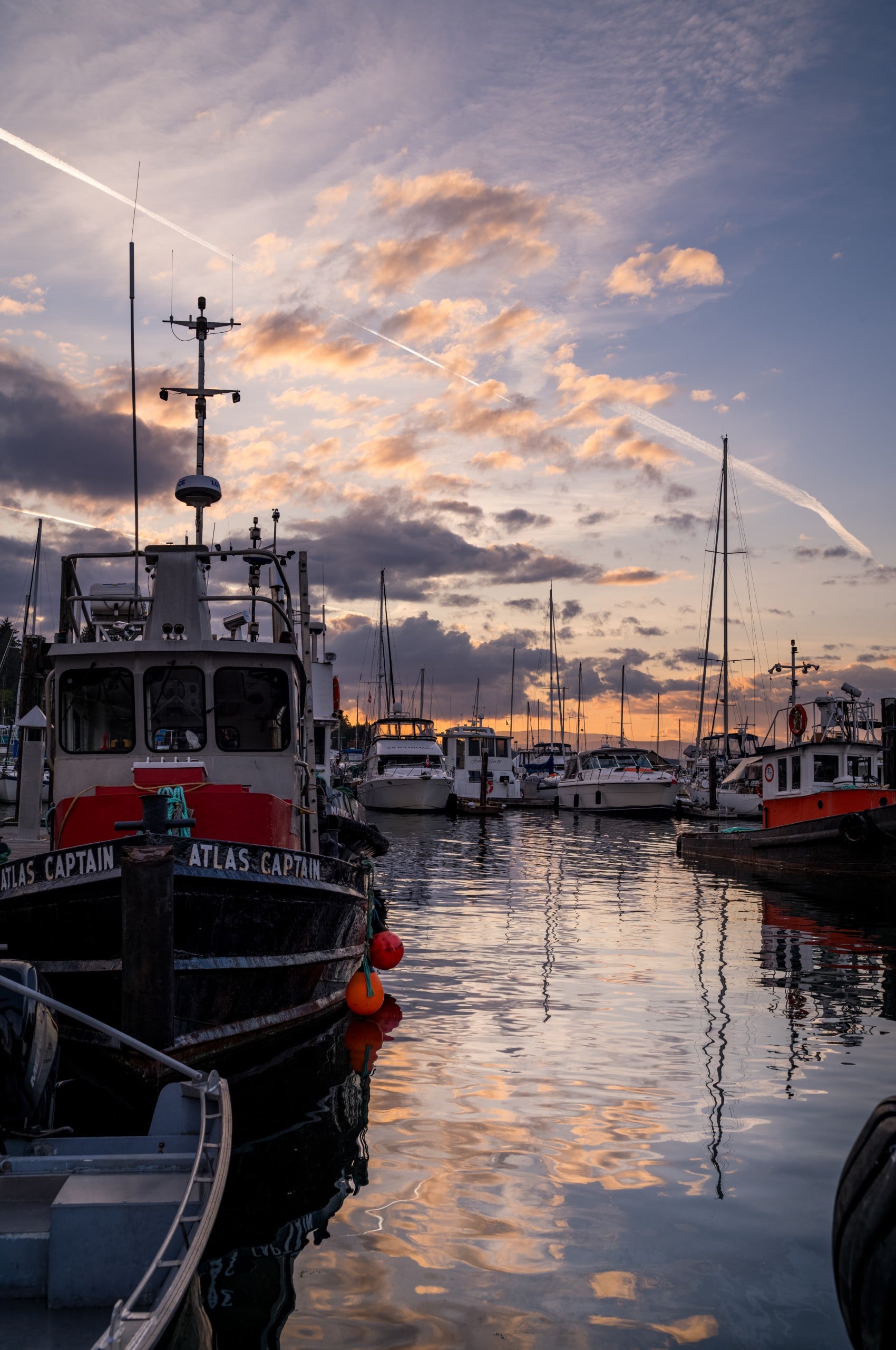
For a slight compromise in f-stop, the C version is far handier, and as I explored the marina, I was snapping away at interesting textures and stunning sunsets. Even at dusk, the little lens still gathered enough light, and the clarity was astoundingly good. I also found that the bokeh had a very pleasant look to it, and the usual lack of distortion and flare control returned.


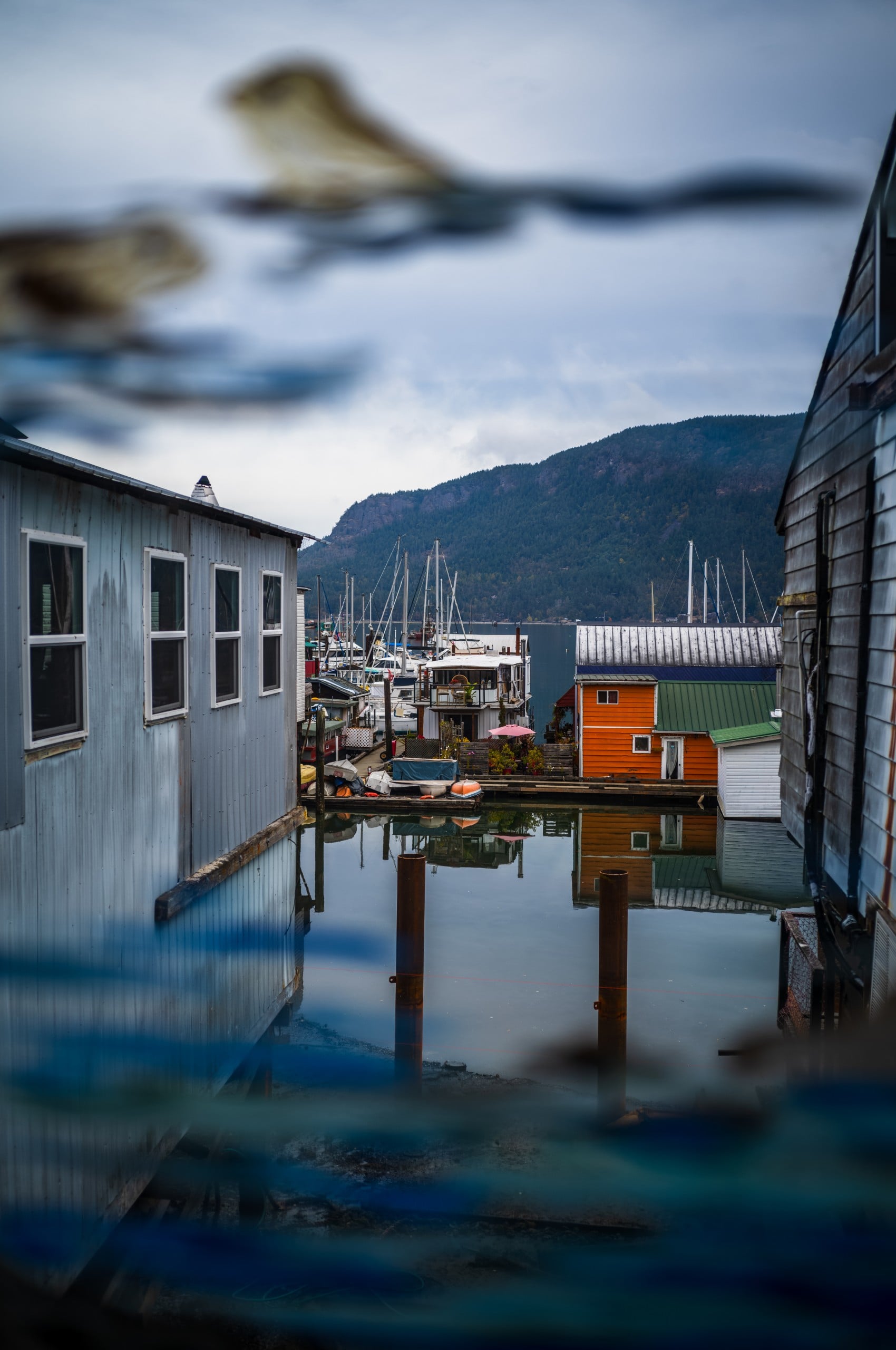
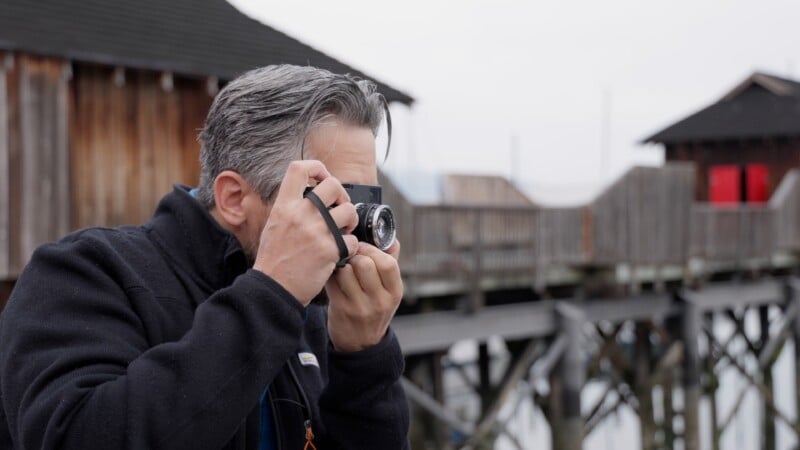
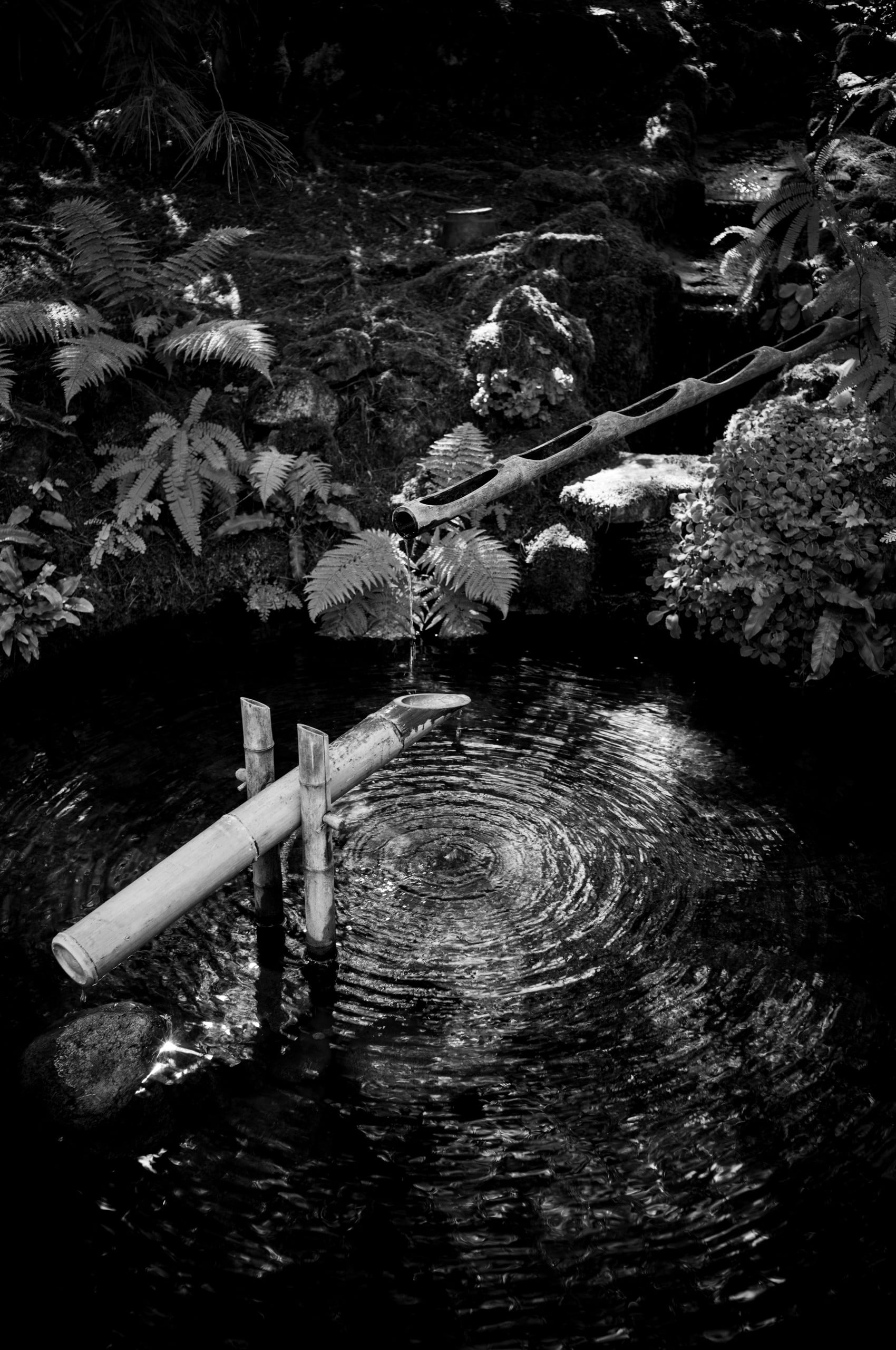
More importantly, though, the compact C lens still had nice controls, and I found it natural to use despite its small size. The 43mm filter threads also came in handy when I used some ND filters to get slow shutter speeds. I ended my time with this little lens shooting landscapes under a charming stone bridge before heading to the capital city of Victoria.
Zeiss ZM Lenses: Zeiss Distagon 35mm f/1.4
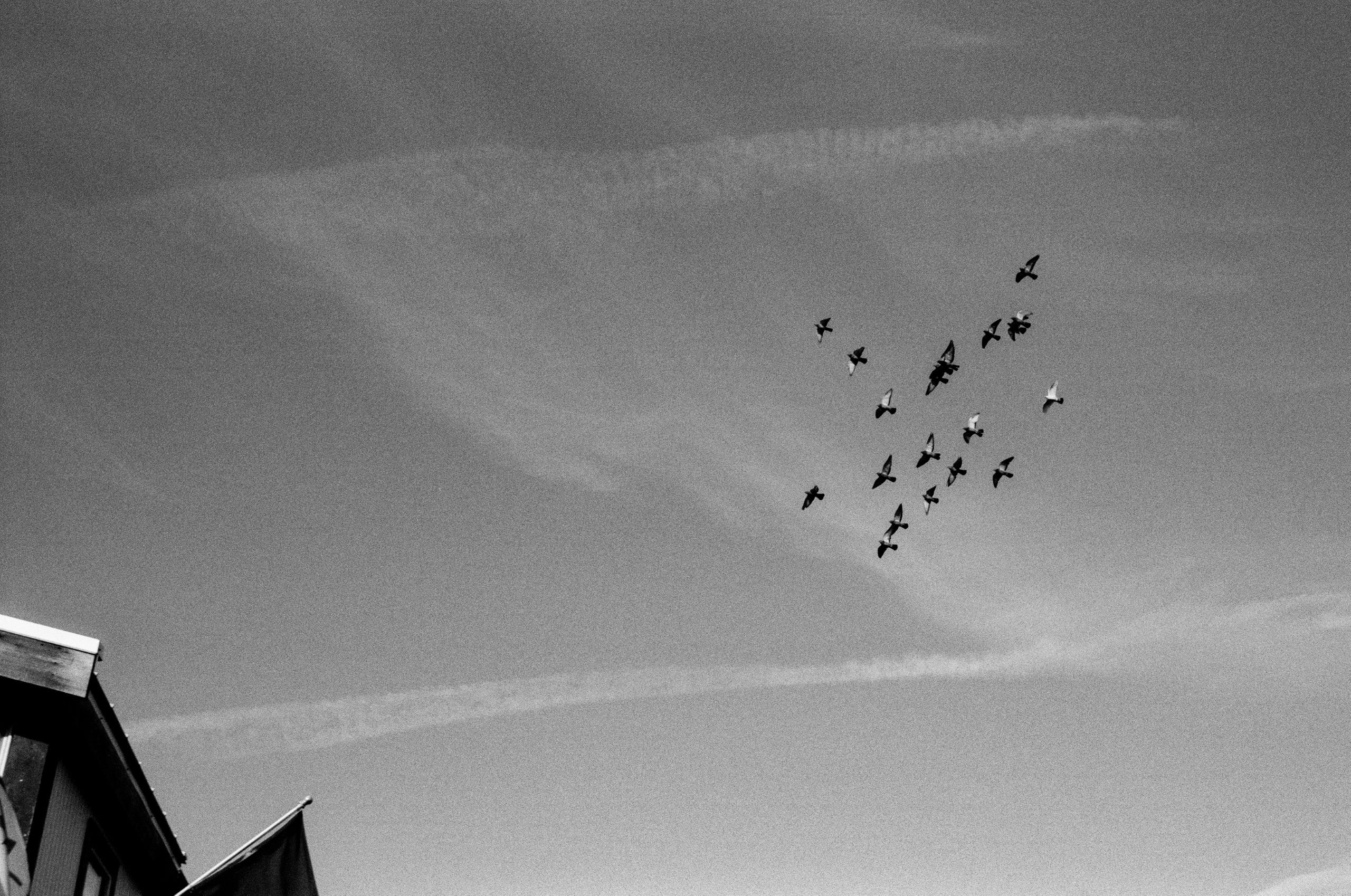
I arrived in Victoria quite late at night, so I decided it was a perfect time to test out the brightest of the Zeiss 35mm lenses. This lens uses a reverse-telephoto design to keep the light striking the film plane as perpendicular as possible while still providing incredible light-gathering potential.
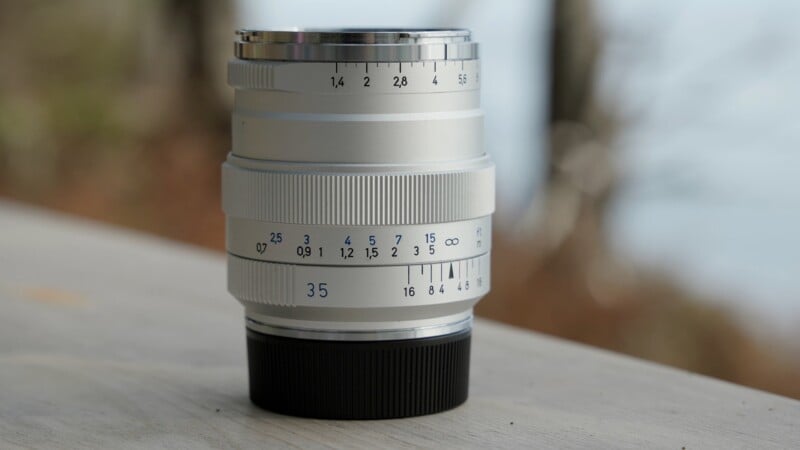
Again, the lens proved, in typical Zeiss fashion, to be extremely sharp and well-corrected. However, the 10-blade aperture and very shallow depth of field wide open really impressed me with beautiful sunstars and soft specular highlights. Bokeh is soft and smooth, and backgrounds just fade off into a gentle blur.

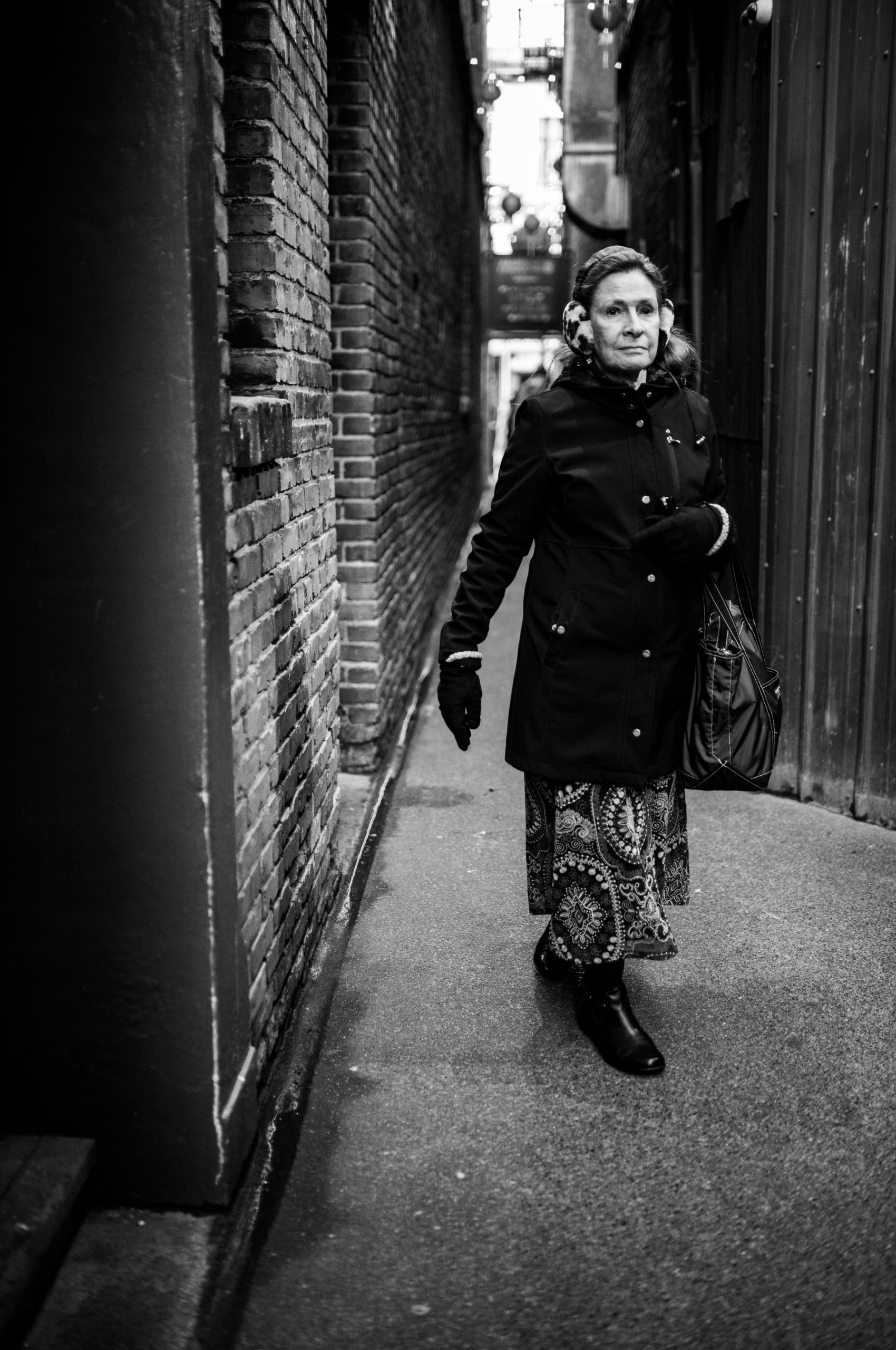
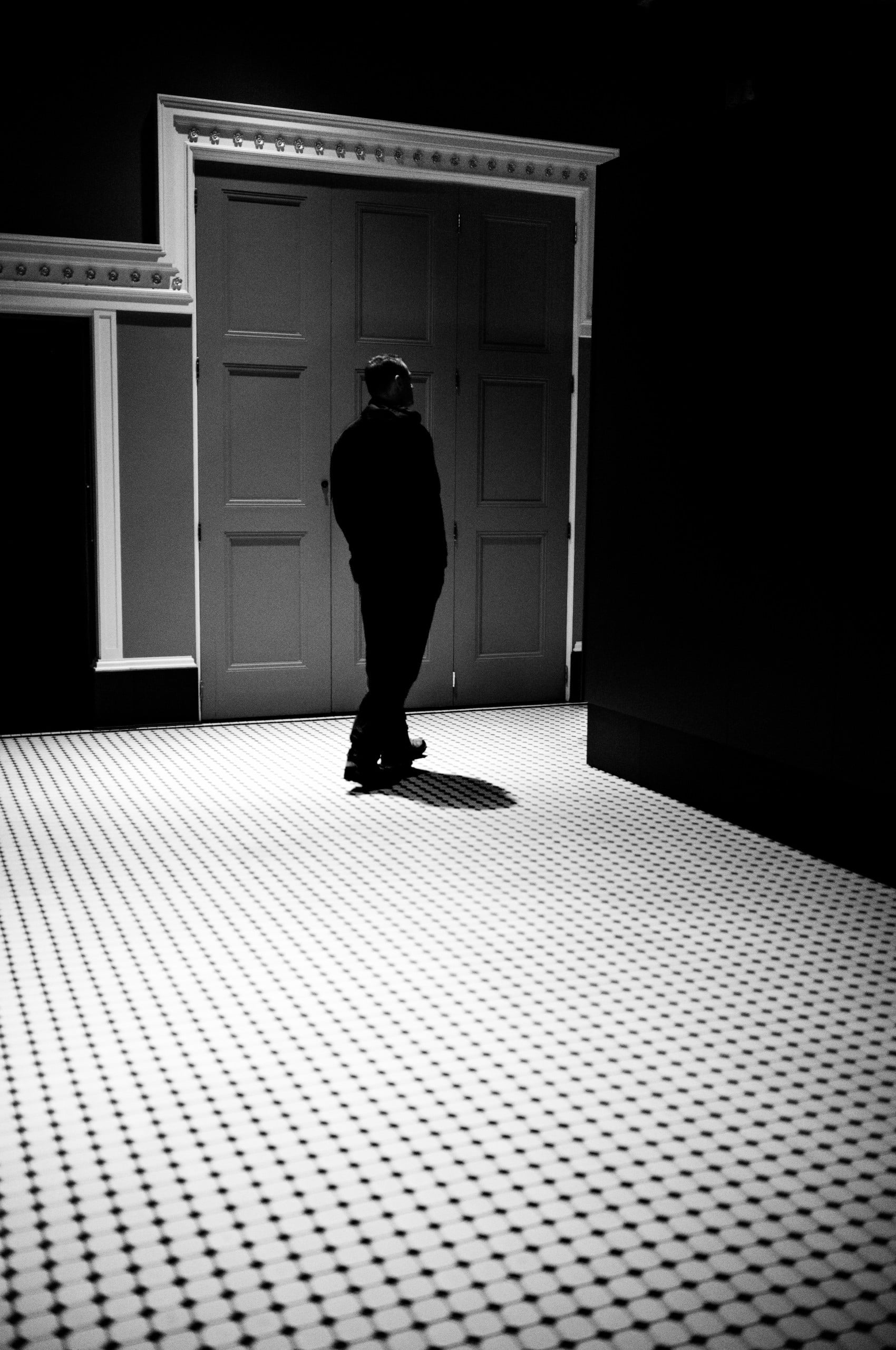
This does come with a compromise in size and weight, with the Distagon formula being easily the largest of the three lenses. It will tip the scales at about 13.4 ounces (380 grams) and takes 49mm filters, so the physical diameter of the lens is significantly more robust. I did see it in the corner of the framelines as well, but this all felt worth it when shooting in such dim conditions. Even wide open at f/1.4, sharpness was excellent, and although I don’t normally go for the fastest glass, I actually prefer brighter apertures with 35mm lenses. I feel like I can separate a subject more easily with a 35mm f/1.4, and the Distagon quickly became my favorite of the three.
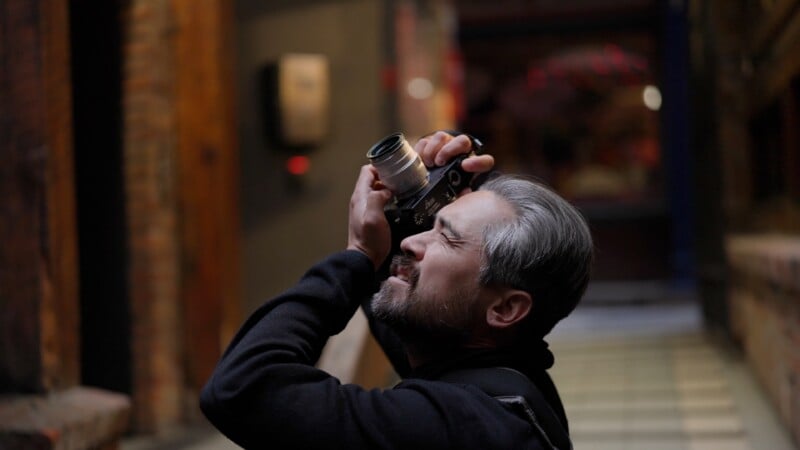
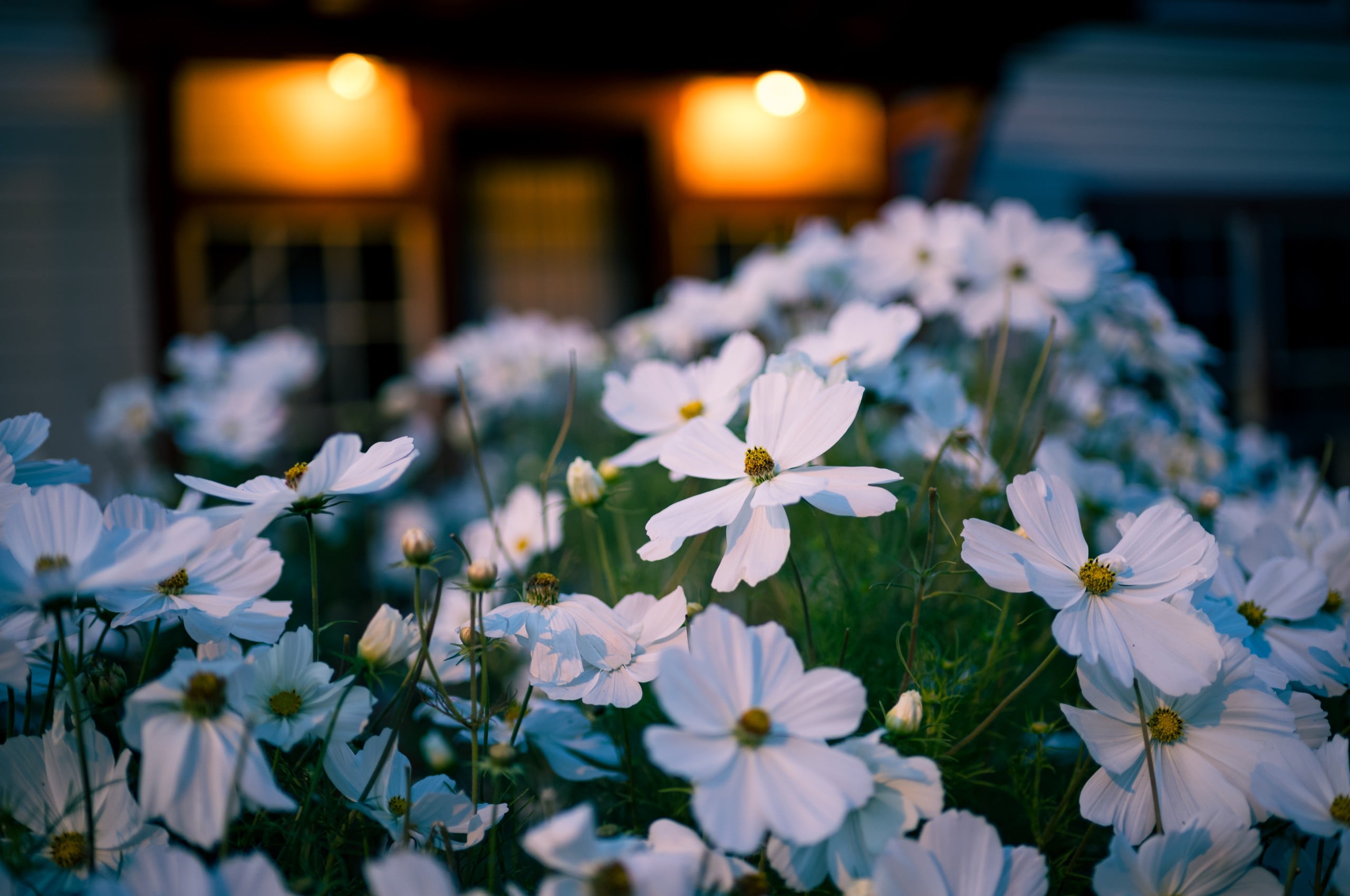

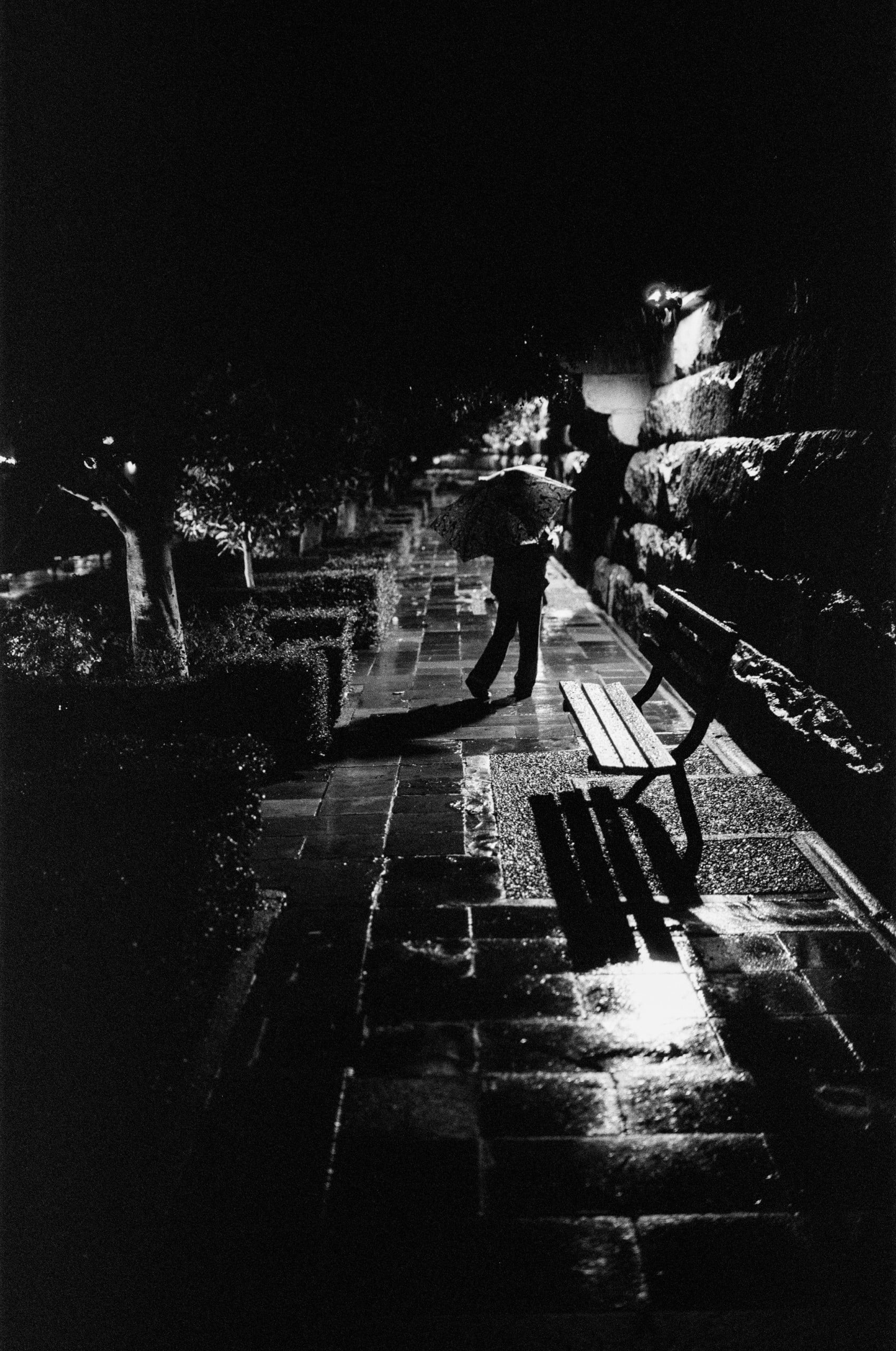
Zeiss ZM Lenses: Learning to Like 35mm
I had a wonderful adventure on the island, and it really forced me to get to grips with the versatility of a 35mm lens. I shot everything from portraits and street photography to landscapes and night photography. Having three different options was really enjoyable, allowing me to see the nuances between these otherwise similar optics. Of the three choices, I gravitated toward the slowest and fastest of the lenses because the bokeh seemed the nicest. However, the f/1.4 is a little too big sometimes, and the f/2 would probably be my choice if I were only going to take one. Regardless, I liked them all and never felt like I was at a disadvantage when shooting with them. In fact, it was quite the opposite.
The journey doesn’t end here, though. Keep an eye out for part three of our showcase about Zeiss ZM lenses, where I get to use my favorite 50mm focal length and see what Zeiss has to offer. We have a stunning location to end things, and it’s a place from my childhood that I haven’t returned to in forty years.
Full disclosureThis story was made possible in partnership with Zeiss.