Special Feature
Inside OM Digital Solutions’ Okaya Manufacturing Site
I know how to take pictures, but ask me how the lens on my camera is made and I have a lot less to say. A visit to the Okaya Manufacturing Site in Japan, followed by some research afterward, gave me a lesson in a subject I’d never understood particularly well. I wanted to understand how the glass inside a lens is crafted, how the tools used in that process are prepared, and how people learn to do that work.
Learning About Okaya
The facility was OM Digital Solutions’ Okaya Manufacturing Site in Nagano Prefecture, Japan. This was an overwhelming experience from a learning standpoint, so there was quite a bit that went over my head as we moved from station to station. Luckily, follow-up discussions with OM SYSTEM and research helped me fill in some of the gaps.
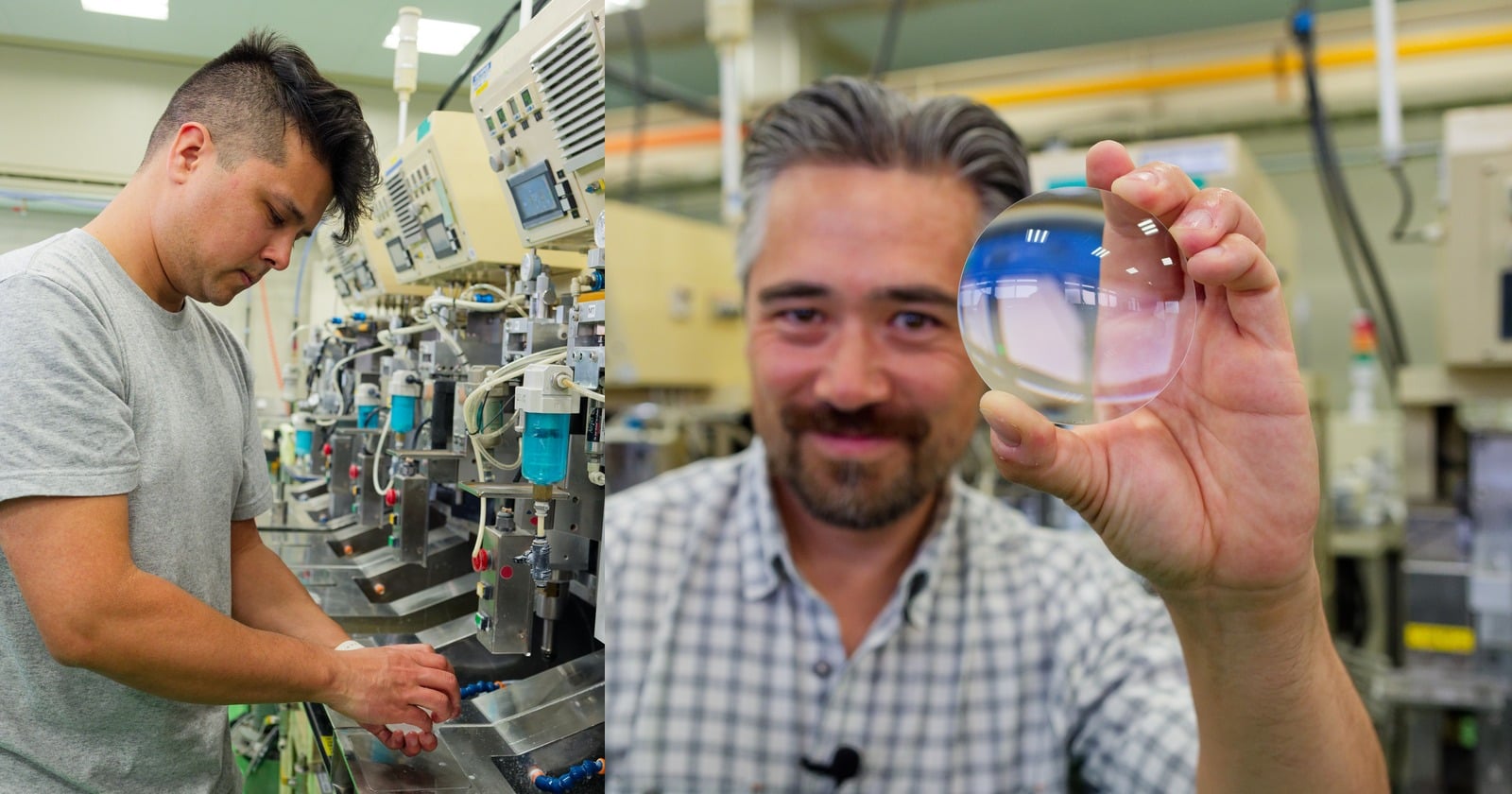
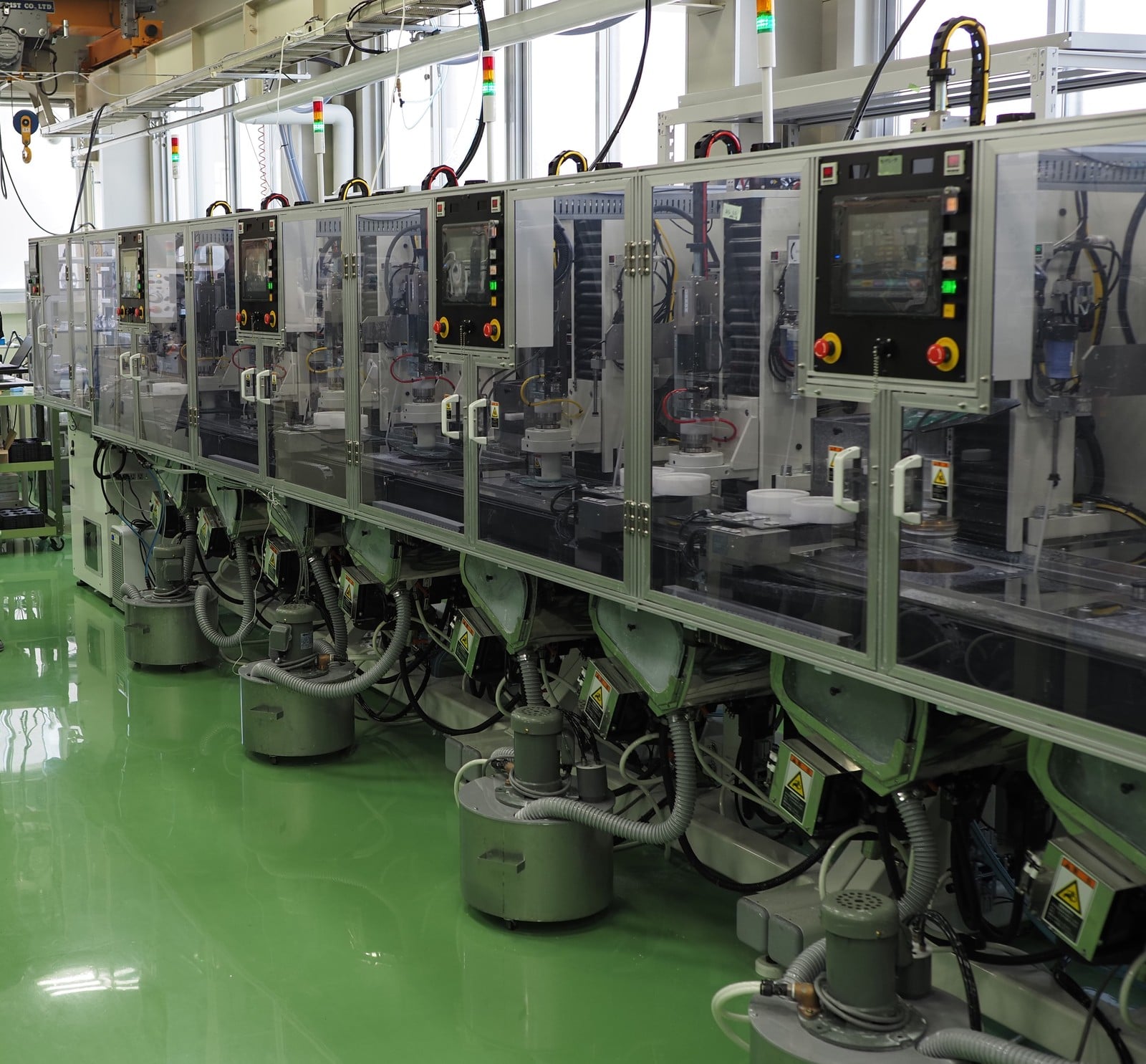
Okaya is the first optical lens manufacturing site in Japan for OM Digital Solutions, the company behind OM SYSTEM. It opened in 2025 and does two jobs. It produces lenses that are made in small quantities but come in many different types, and it works as a pilot factory, a place where the manufacturing processes for technically demanding new lenses are developed and proven before they’re used at scale.
The site works closely with the optical design team at the company’s headquarters in Hachioji, Tokyo. Designing a lens and figuring out how to build it are two different jobs that call for different expertise. Okaya’s engineers handle the second one, turning a design into a production process that actually works.
Mass production happens at the company’s factory in Vietnam. Before a production line for a new lens launches there, Okaya verifies the production technology, the manufacturing processes, and the work methods it will use. Working those out in Japan first is meant to make production in Vietnam more efficient and keep the quality consistent.
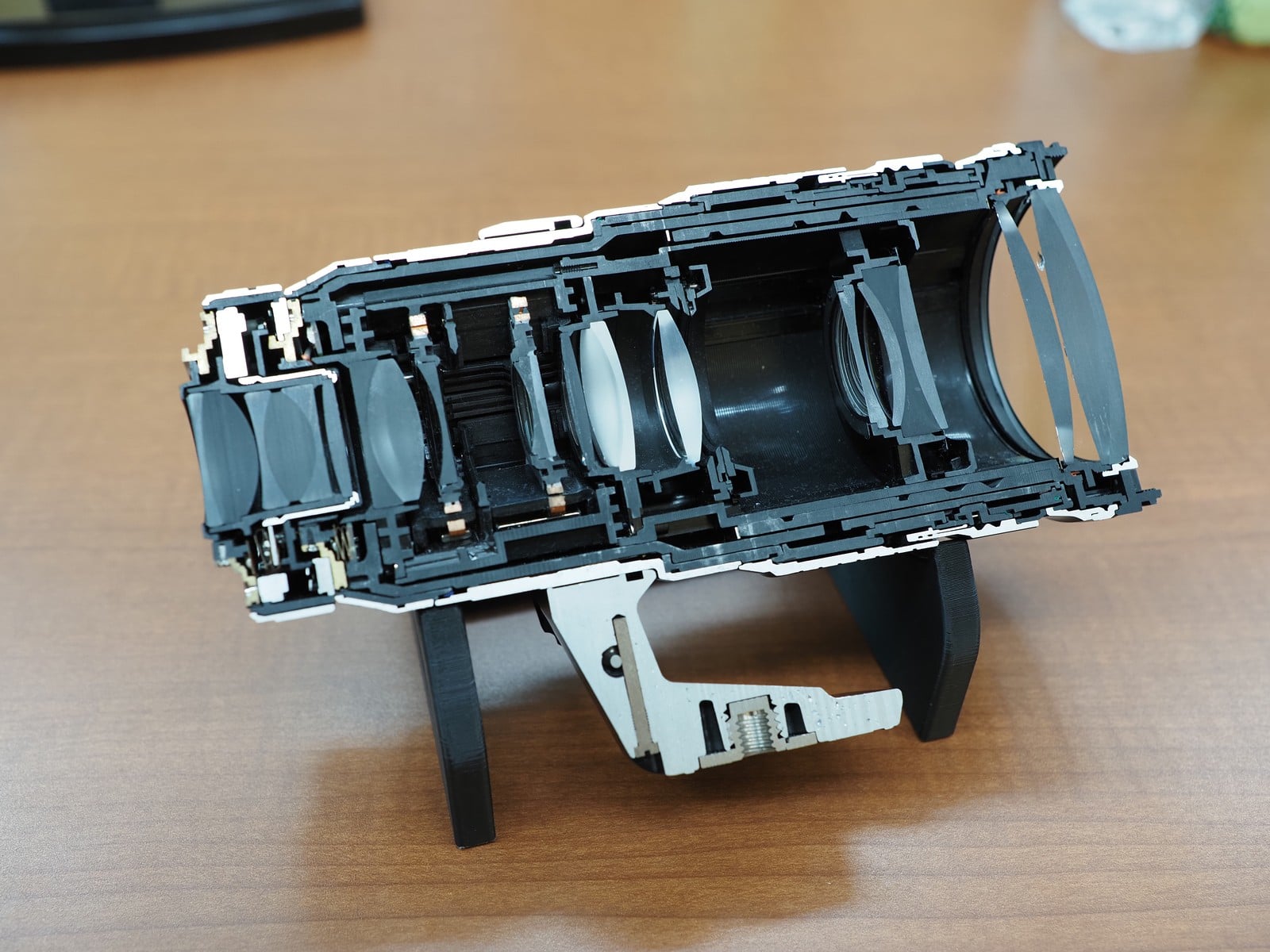
The place to begin is with an individual lens element, one of the many pieces of glass inside a camera lens. OM SYSTEM’s M.Zuiko Digital ED 40-150mm F2.8 PRO, for example, contains 16 of these elements. Before the lens can be assembled, each of these pieces of glass needs the correct curve and a smooth surface.
Getting the Glass Right
A piece of glass can be clear and look correct but still bend light the wrong way. A lens bends light to bring an image into focus on the camera’s sensor. Light from each point in the scene needs to come together at a matching point on the sensor. The curves of the glass help direct it there. If a curve is wrong, that light can spread around its intended point instead, making a small detail look blurry.
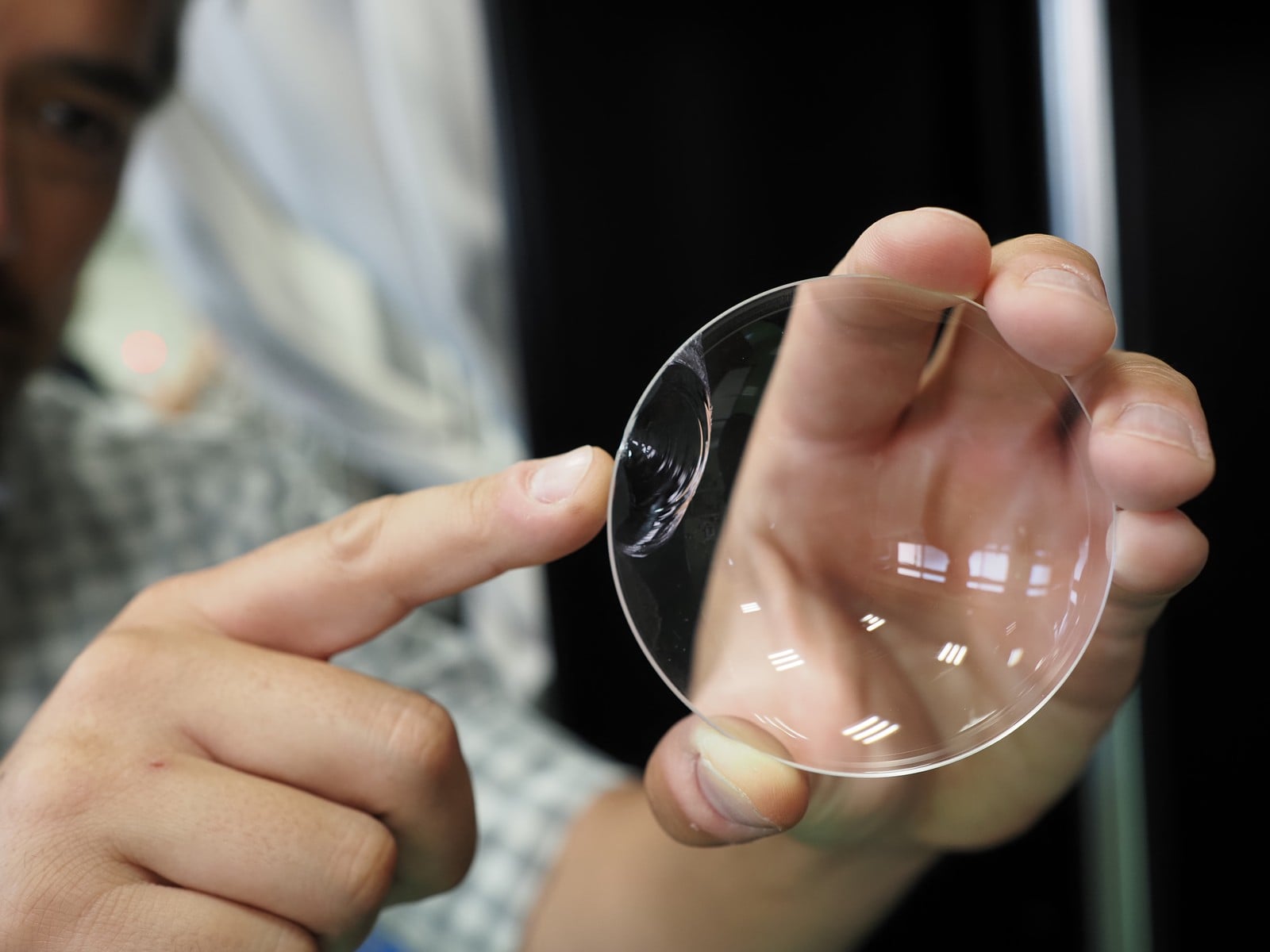
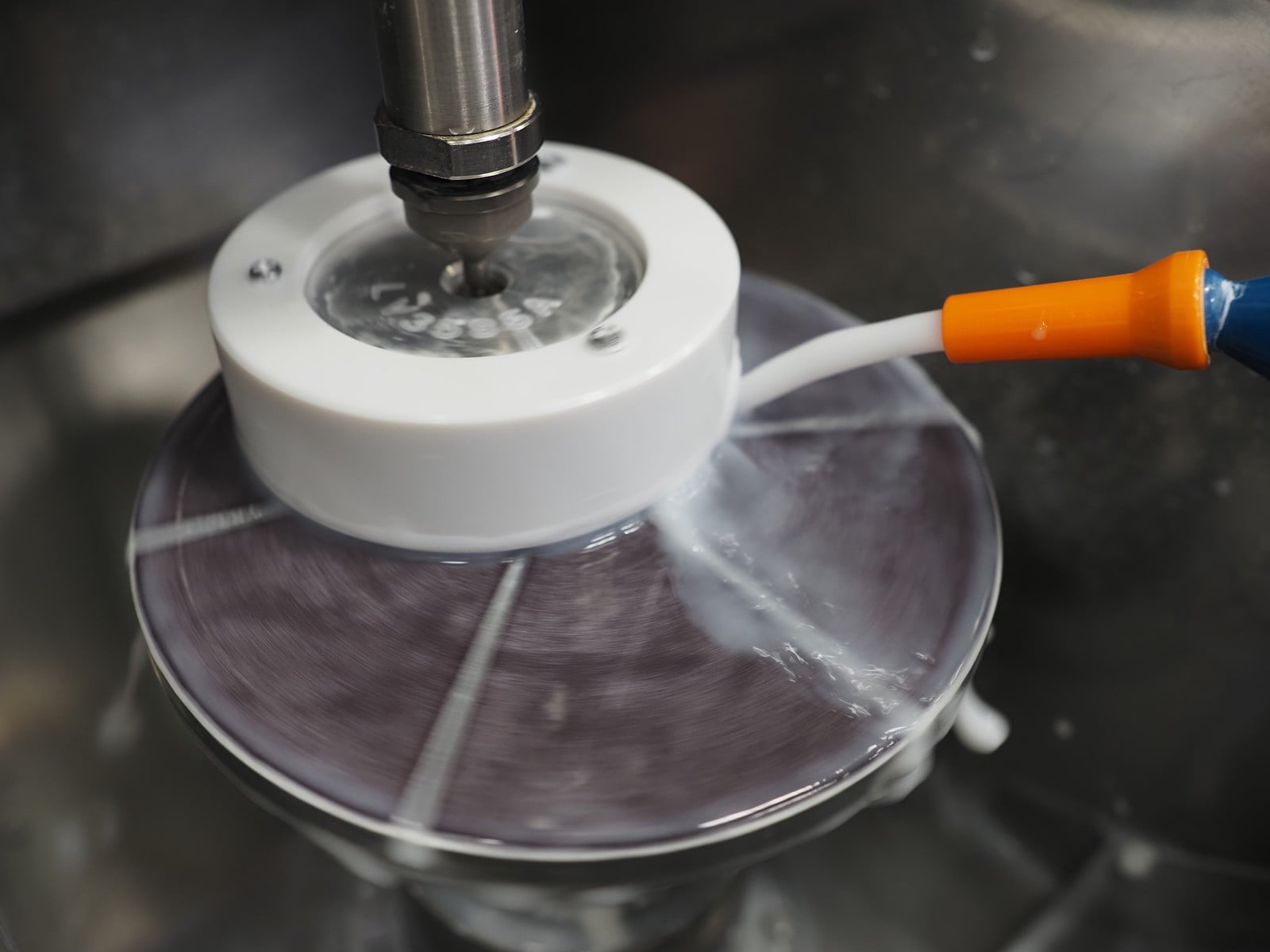
The sequence OM SYSTEM showed us at the Okaya Manufacturing Site starts with grinding, which gradually wears down the glass to form the basic curve. Finer grinding makes smaller adjustments to the glass. Polishing then wears away more material to give the surface the smoothness and accuracy it needs.
I got a small taste of this myself. During a workshop at Okaya, I tried lens polishing, including mounting the lens and taking it off again afterward. It looked simple. Then a slight mistake in my setup chipped the lens. That was enough to show me how delicate the process is and how much care and precision it takes.
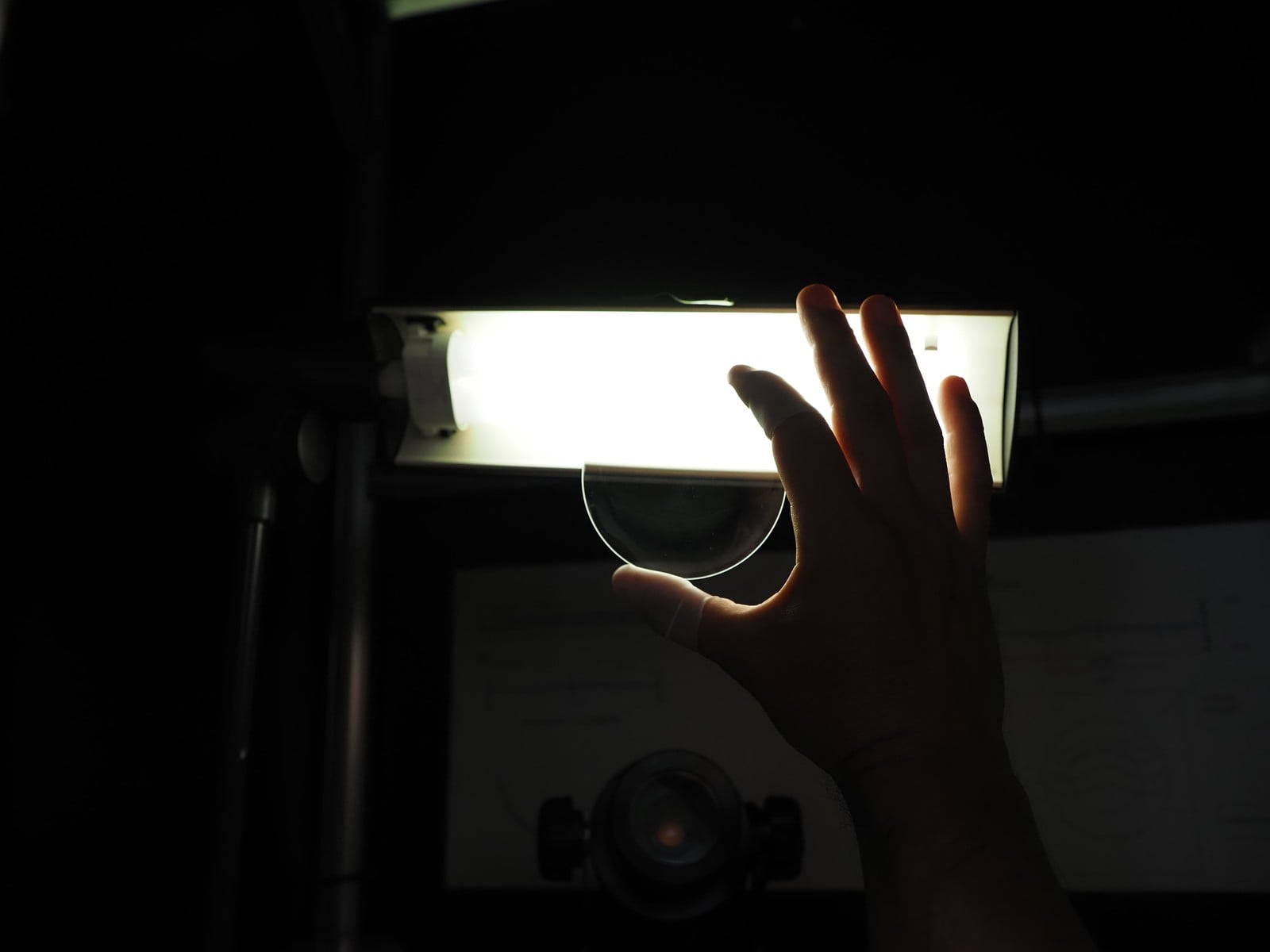
Glass can look clear and smooth to the naked eye and still have flaws that affect the photograph. Tiny scratches, bumps, and dips, or a surface that strays slightly from its intended shape, can scatter light in directions it shouldn’t go. That can cause flare, the haze or bright spots stray light leaves in a picture, and lower the contrast, so the image looks flatter.
If the surface doesn’t match its designed shape, light won’t bend and come together the way the designers intended. So polishing has two jobs: leave the surface free of scratches, and reproduce the designed shape to within nanometers, or billionths of a meter. The engineers check the glass with a range of measuring instruments, but they also rely on experience and skill to make delicate adjustments to each lens.
Then they have to do it again on the next piece of glass, and the one after that. Even a slight difference between individual lenses can change how light travels through the finished lens and affect image quality.
Each glass element also needs to sit in the right position inside the lens. Imagine fitting one into a holder. It could fit neatly while the curved faces that bend light sit slightly off-center. That mismatch can send light to the wrong place. A manufacturing step called centering corrects that mismatch before assembly.
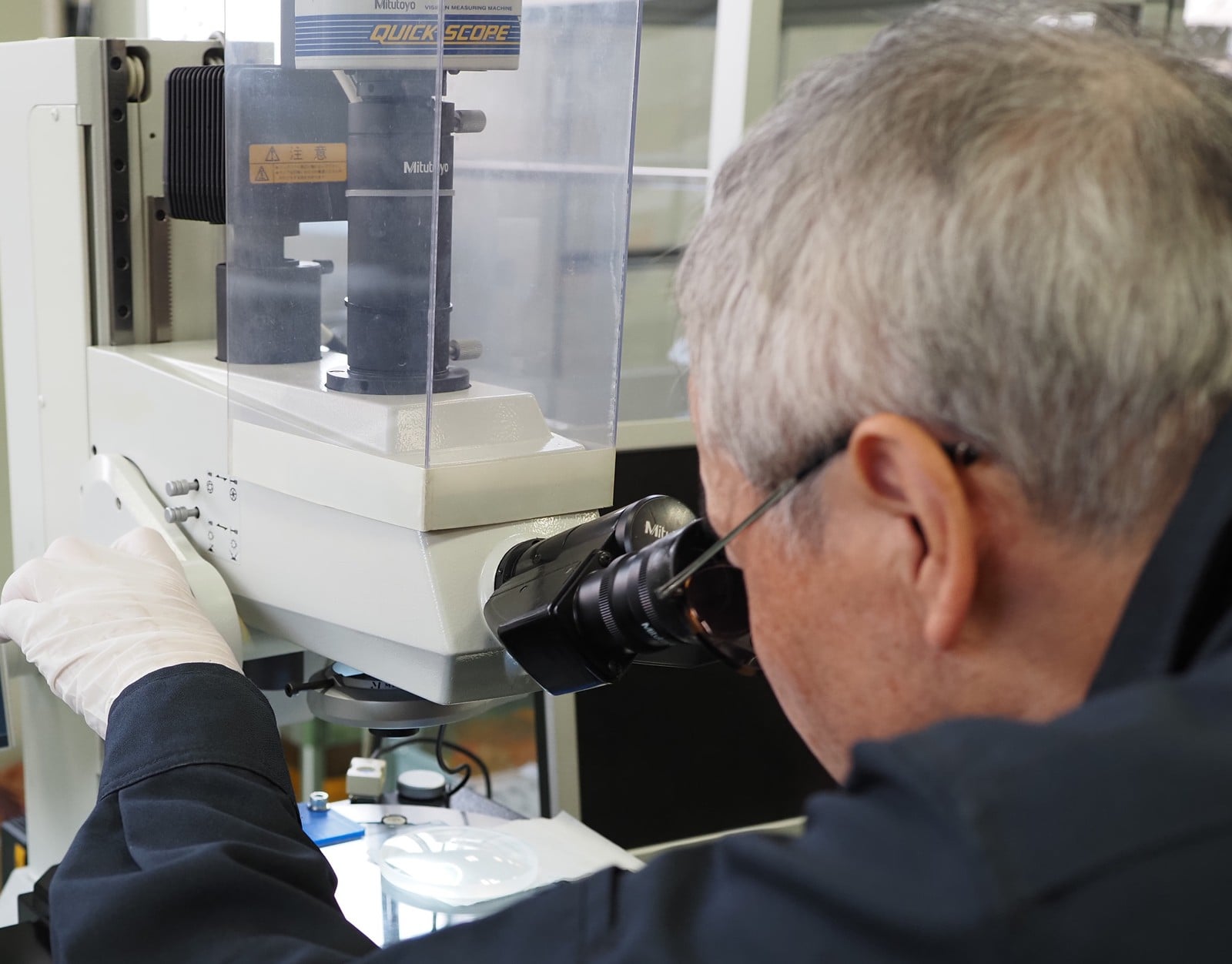
Getting the curve right and getting the glass into the right position both matter to the photograph. Even when we focus correctly, errors in the glass’s shape or alignment can leave fine details looking soft.
Preparing the Tools
Even the tools OM Digital Solutions uses at the Okaya Manufacturing Site need preparation before they can work on the glass. These are the parts fitted to the machines that grind and polish the lens elements. The tools the engineers use to work on the glass need smooth, accurately made surfaces, too.
One of these tools has a small, round face that touches the glass. To prepare it, an engineer uses a second tool: a disc on the end of a handle. The engineer holds the disc against the first tool’s face, polishing the two surfaces together.
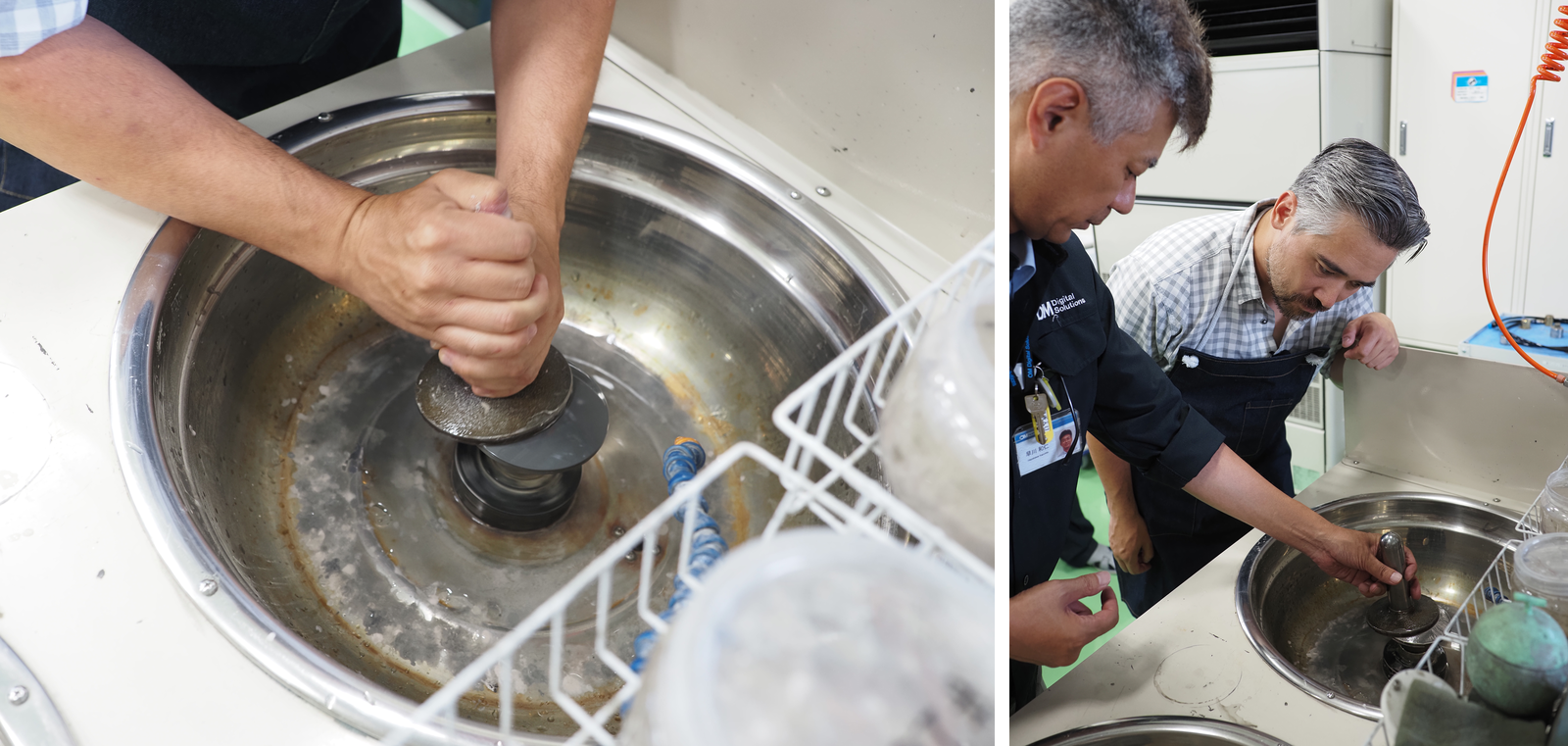
The accuracy of the tool affects the accuracy of the surface it produces on the glass.
I was surprised to see that they still prepare some of their tools by hand. The precision required helped me appreciate the care the engineers bring to preparing those tools and building the lenses. At Okaya, I saw veteran engineers working alongside younger colleagues to pass on their skills. Both generations were full of excitement and pride as they showed us how they make lenses in their facility.
Learning From Each Other
That exchange between generations is a big part of how the skills developed at the Okaya Manufacturing Site get passed down. OM Digital Solutions says the younger engineers’ questions also encourage the veterans to keep improving their own skills. While watching them work, I could see how explaining a familiar task to someone else can make you think more carefully about the way you do it.
The training follows an apprenticeship model, with coaching taking place during manufacturing work such as polishing. Part of the challenge is passing on knowledge that comes from experience and can be difficult to put into written instructions.
With its younger engineers in mind, the company is also exploring other ways to pass on the skills and judgment that are hard to capture in a written document.
Along with their manufacturing skills, OM Digital Solutions also wants the experienced engineers to pass on their way of thinking about the work.
If I were explaining one of my photographs to another photographer, I’d want to talk about why I chose a particular aperture for depth of field or focused on a certain part of the scene. Understanding those choices could help them make decisions about their own photographs. Knowing why a manufacturing step is done a certain way could help younger engineers decide what to keep and where to make improvements. They can build on that experience to improve both how lenses are made and how those lenses perform.
Making the Process Repeatable
When a photographer buys a lens, they expect it to meet the same standard as other copies of that model. That depends on being able to make its components accurately, again and again.
At Okaya, engineers test early versions of lens components for new products. They also check new manufacturing methods to see whether they are suitable for producing lenses in larger quantities. Once those methods have been checked, they can be transferred to the factory in Vietnam.
Some of this involves tasks as routine as loading parts into machines and taking them out again. They are automating repetitive jobs like these to help improve production quality and efficiency.
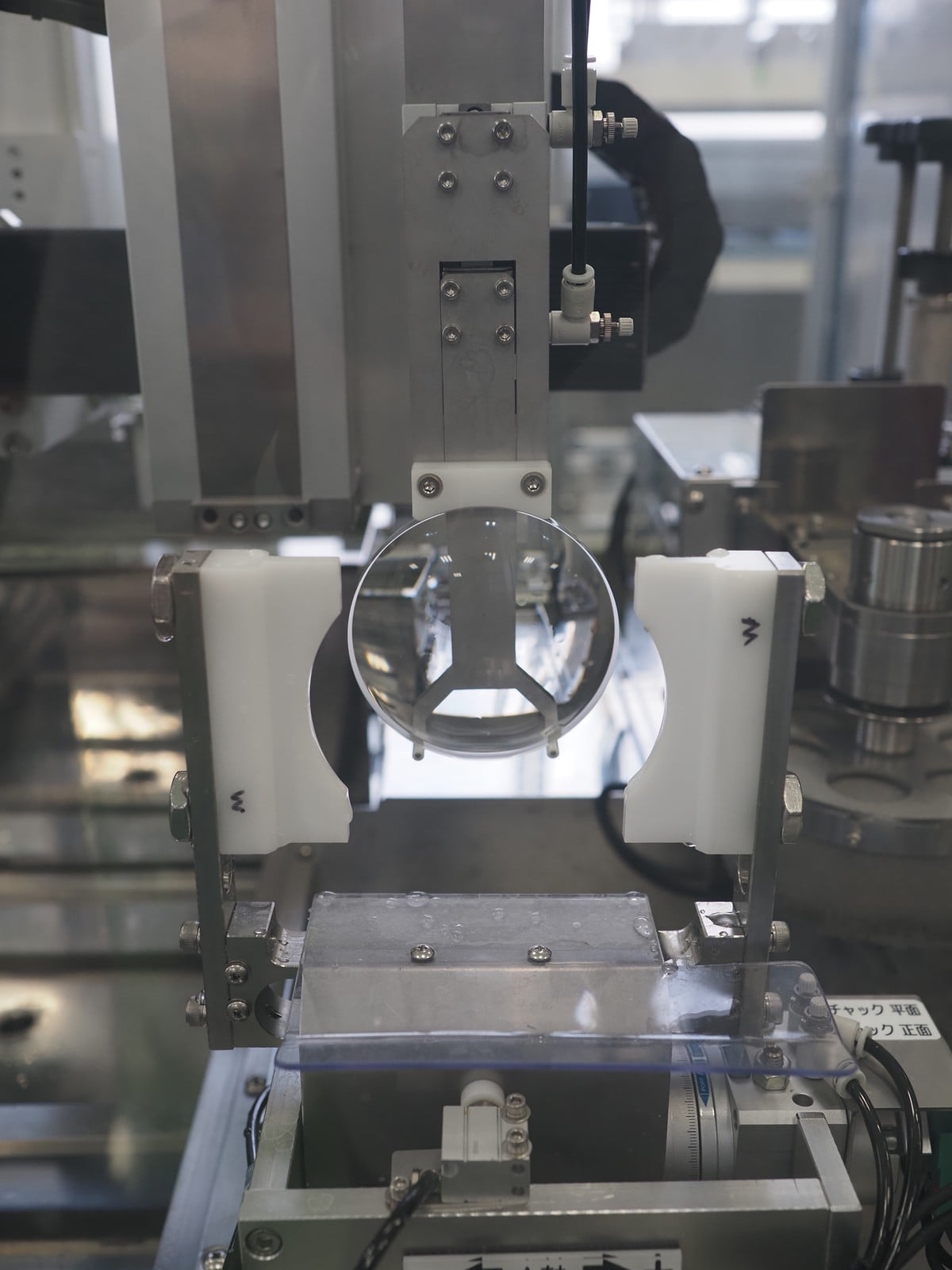
The relationship between the two sites continues long after production begins. If an issue turns up while a mass-production process is being verified at the Vietnam factory, the team at Okaya can reproduce the same issue on purpose. Recreating it gives the engineers a controlled way to analyze what went wrong, find the root cause, and develop a fix. Each round of that back-and-forth turns highly specialized know-how into a process the factory can repeat with the same quality, lens after lens.
What I Took From Okaya
Learning about OM Digital Solutions’ Okaya Manufacturing Site helped me understand the work, passion, and dedication that go into their lens making. I had never given the process much thought and, I admit, I assumed it was easier than it actually is. The hand preparation of the tools was a good example. Once I understood how a tool’s accuracy affects the glass it works on, I could see why that preparation needed so much care.
It also showed me how seriously the company takes quality. Nearly every step I learned about, from measuring a polished surface to deliberately recreating a problem from the Vietnam factory, exists to make sure a lens performs the way it was designed to, and that the next copy does too.
Understanding the work gave me more respect for the engineers who showed it to us and for the experience they are passing on to younger colleagues. As a travel photographer, I’ve often taken my gear for granted. I now have a better idea of what goes into making a lens and a much greater appreciation for the lenses that have helped me document the world over the last 15 years.
Affiliate Disclosure PetaPixel articles may include affiliate links; we may earn a commission if you buy through one.