
Scientists Travel to Unexplored Area of Atlantic Ocean and Photograph Bizarre Deep-Sea Creatures
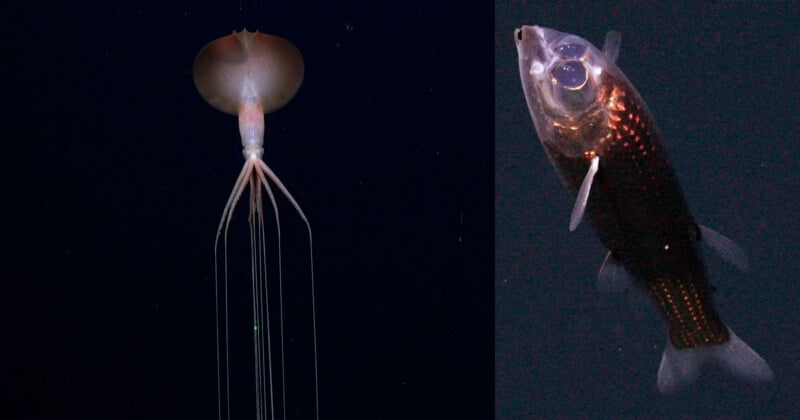
Researchers spent 35 days exploring a remote, mountainous stretch of the Atlantic Ocean where tectonic fractures constantly reshape the seafloor and bizarre animals thrive.
Science Alert reports that the Monterey Bay Aquarium Research Institute, based in California, recently explored an area of the Atlantic Ocean called the Doldrums Megatransform and Fracture Zone.
This 23,000 square-mile-region (60,000 square kilometers) is roughly the same size as Lake Michigan and sits across the Mid-Atlantic Ridge, the world’s longest mountain chain that plunges tens of thousands of feet into the pitch-black layer of the ocean known as the abyssal zone.
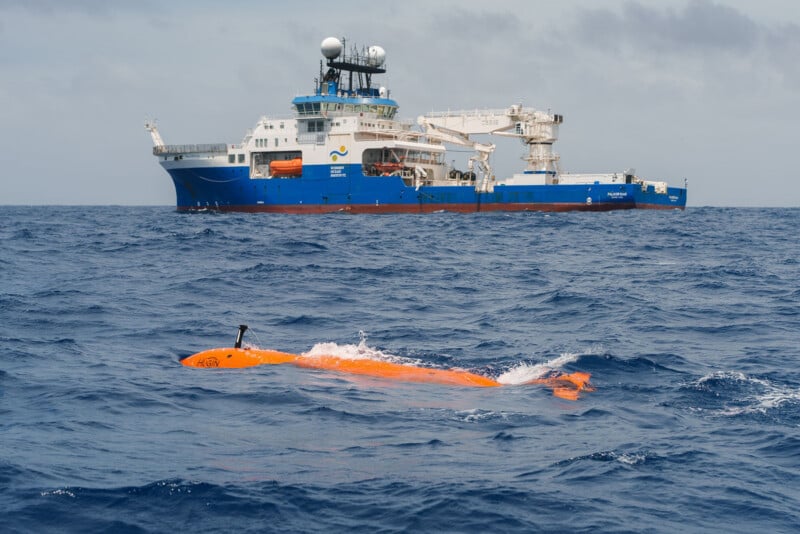
From their base on the research vessel “Falkor,” scientists used a remotely controlled underwater vehicle named “SuBastian” and an autonomous sub called “The Childlike Empress” to explore the remote areas beneath the waves.
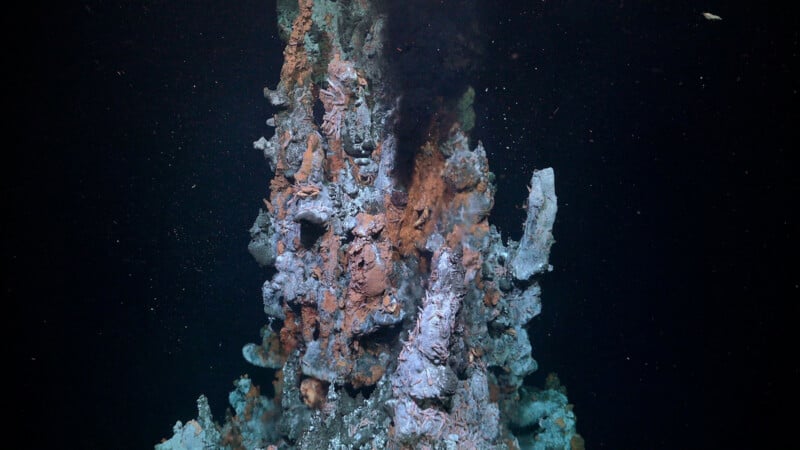
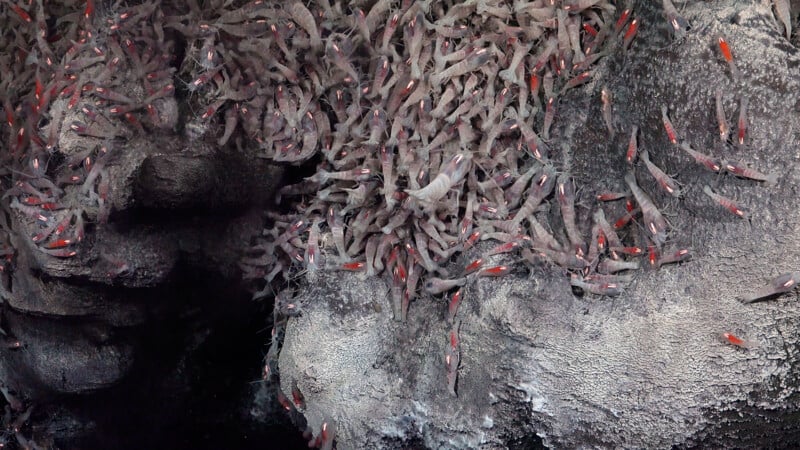
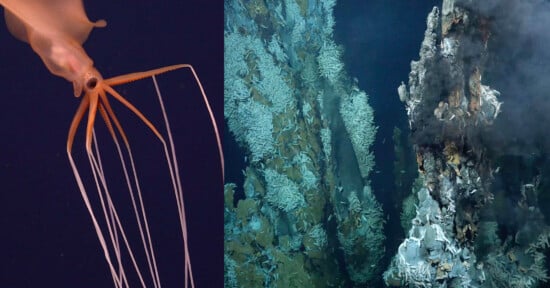
The crew discovered two previously unknown hydrothermal fields that sit at a depth of 13,123 feet (4,000 meters) and support life by venting out magma heat into the freezing cold ocean. The researchers observed shrimp, crabs, and anemones close to the chimneys created by the vents. But larger, more intriguing species were also captured by the subs.
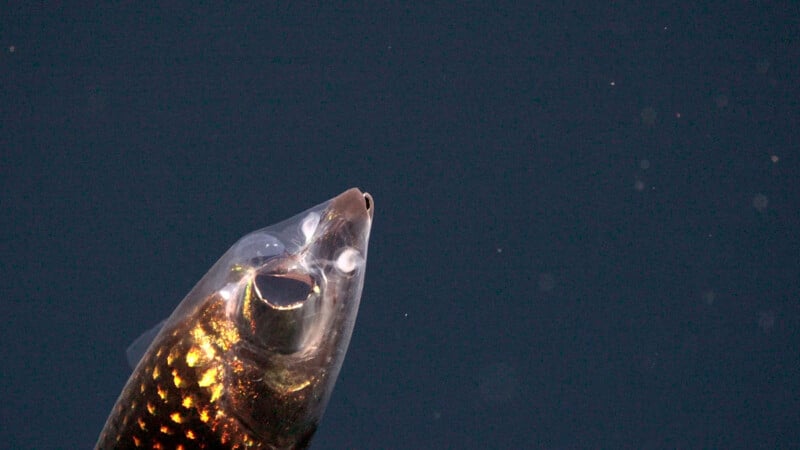
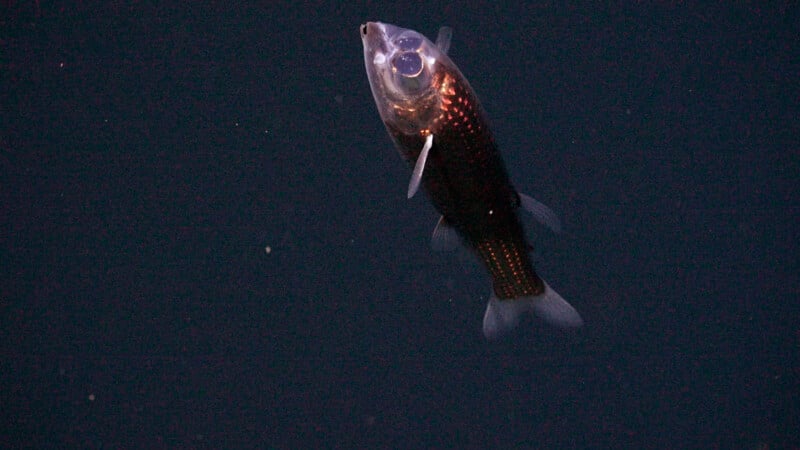
The rare barreleye fish was spotted over 2,000 feet below the surface (710 meters), and it marked the first time ever that the species had been filmed in its natural environment. Science Alert notes that the fish’s forehead dome is extremely delicate and collapses when hauled from the water.
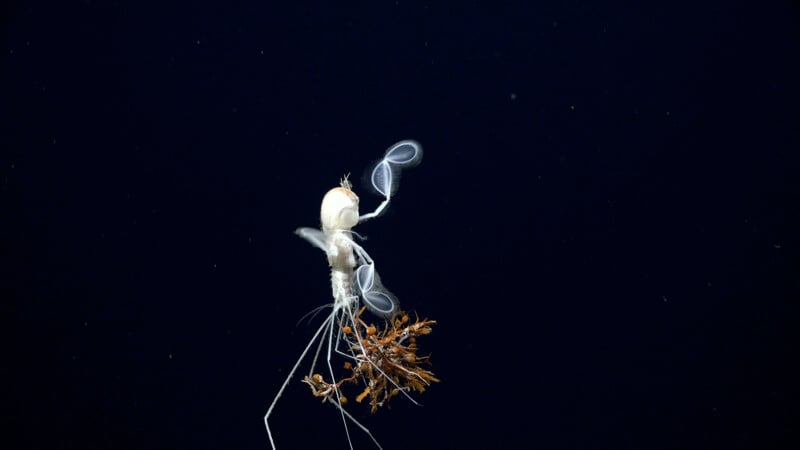
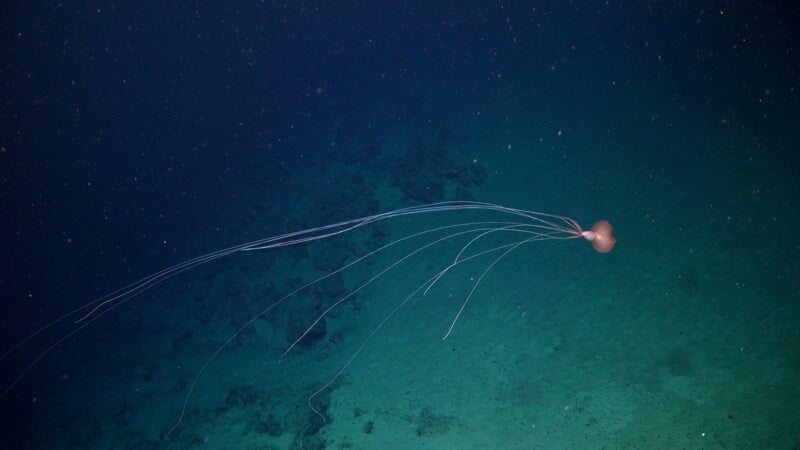
Also spotted in the deep was a bizarre bigfin squid, the deepest-dwelling squid in the world that has tentacles reaching up to 25 feet (eight meters),.
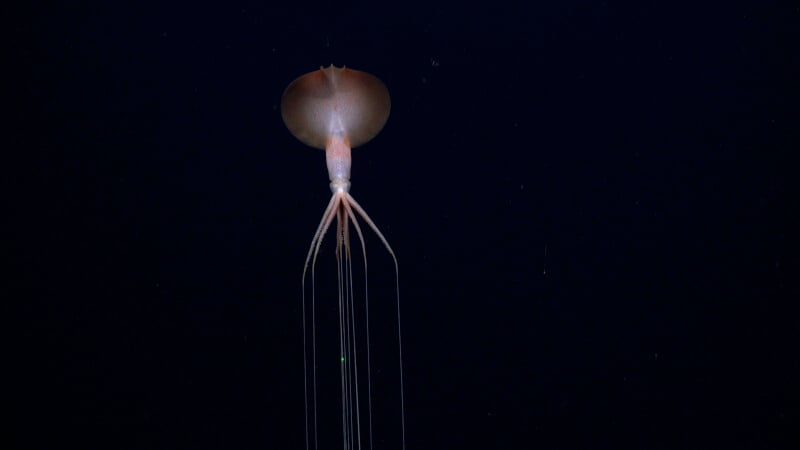
“We arrived searching for vents, faults, and seamounts. We leave with something even more valuable: a deeper understanding of ecosystems in one of the least explored regions of the Atlantic Ocean,” says Dr. Paula Zapata Ramirez, assistant professor at the Universidad Pontificia Bolivariana. “Every sample, every image, and every discovery brings us one step closer to understanding the hidden parts of our planet.”
“Mapping almost 147 kilometers squared at 1-meter resolution during our first AUV The Childlike Empress science mission with this team of experts rapidly uncovered hidden wonders of the deep sea,” adds Schmidt Ocean Institute Executive Director Dr. Jyotika Virmani. “Serpentinization is a process in which seawater reacts with minerals in rocks, producing heat and chemical energy that allow life to thrive in the deep ocean without sunlight, so a better understanding of these systems could provide clues for finding life on other planets.”
Image creditsROV SuBastian / Schmidt Ocean Institute
Affiliate Disclosure PetaPixel articles may include affiliate links; we may earn a commission if you buy through one.