
Center for Creative Photography Adds Archives of Nine Influential Photographers
The Center for Creative Photography (CCP) has announced the acquisition of nine major photography archives, significantly expanding its collection of 20th and 21st century photographic work.
The CCP at the University of Arizona is widely regarded as one of the most important photography research institutions in the United States. The institution has a longstanding historical link to Ansel Adams, whose own archive played a central role in the university’s decision to establish the center in the 1970s.
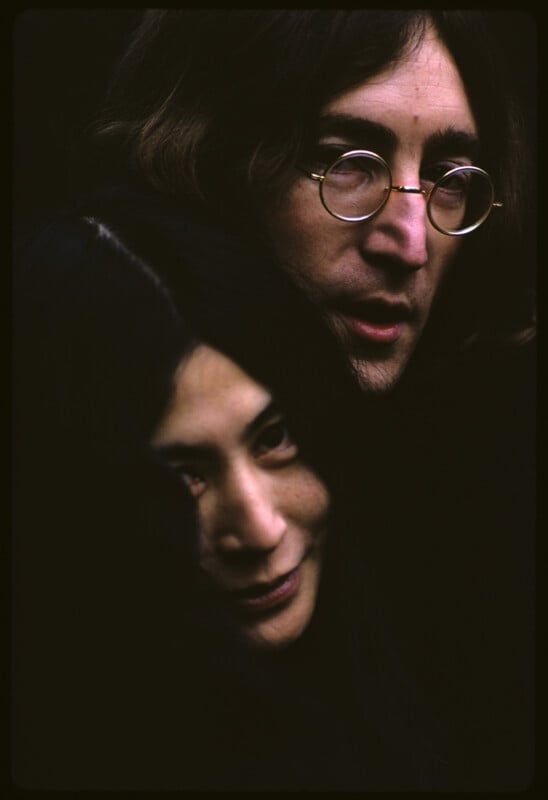
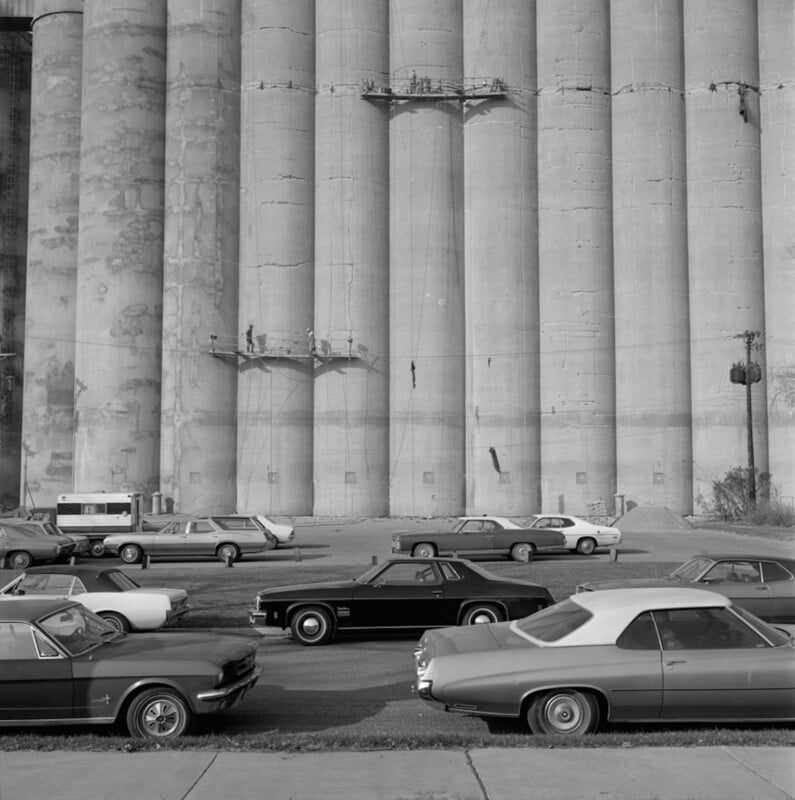

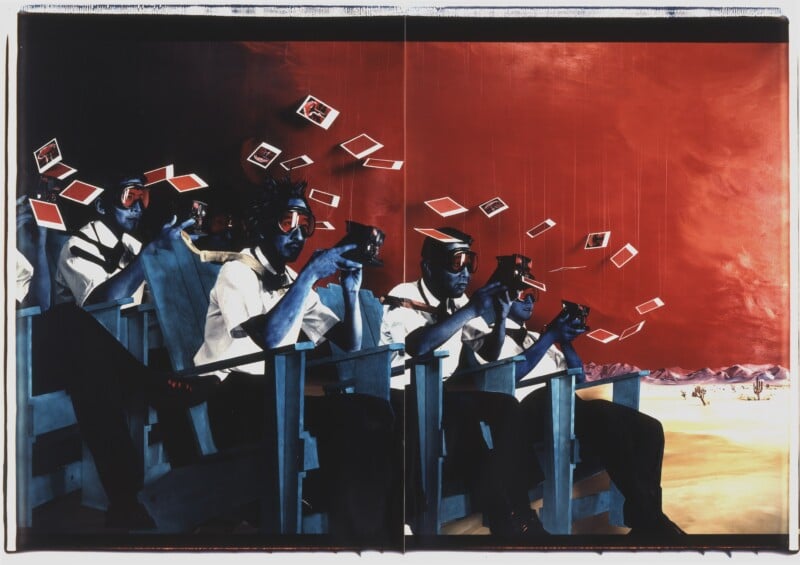
The newly acquired archives represent the legacies of Laura Aguilar, Jack Dykinga, Jody Forster, Frank Gohlke, Mark Klett, Nathan Lyons, Stephen Marc, Patrick Nagatani, and Susan Wood. They join CCP’s existing holdings, which include the archives of Adams, W. Eugene Smith, and Louise Dahl-Wolfe, among others.
“These remarkable archives expand the creative and intellectual constellation that makes the Center for Creative Photography one of the foremost photography institutions in the world,” CCP Director Todd J. Tubutis says in a press release. “Each archive contains not only prints of iconic images but also valuable documentary materials—such as correspondence, notebooks, teaching materials, and working proofs — that illuminate a photographer’s full creative evolution.
“As an extraordinary group, these important acquisitions strengthen the connective tissue that defines the history of photography in the United States.”

Grand Canyon National Park, Arizona, 1990.

CCP said the acquisition reflects its established model of collecting complete artist archives rather than only finished works. This approach allows scholars to study both the final images and the broader context behind them, including working methods, experiments, and professional networks.
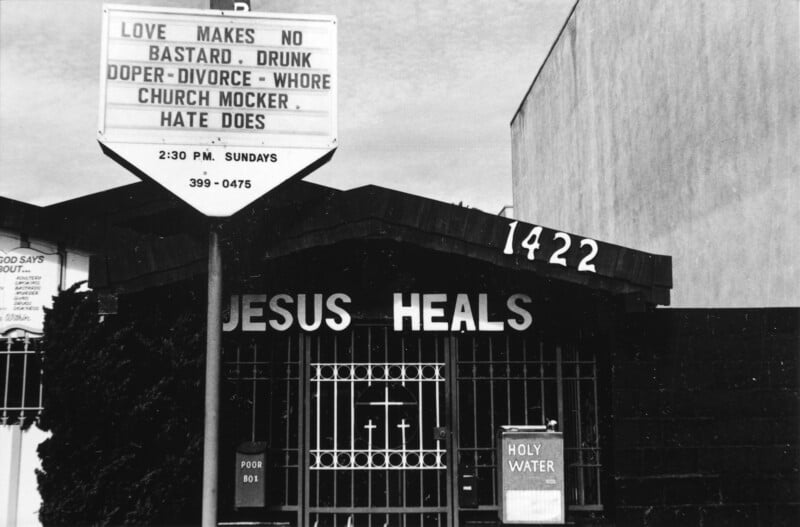
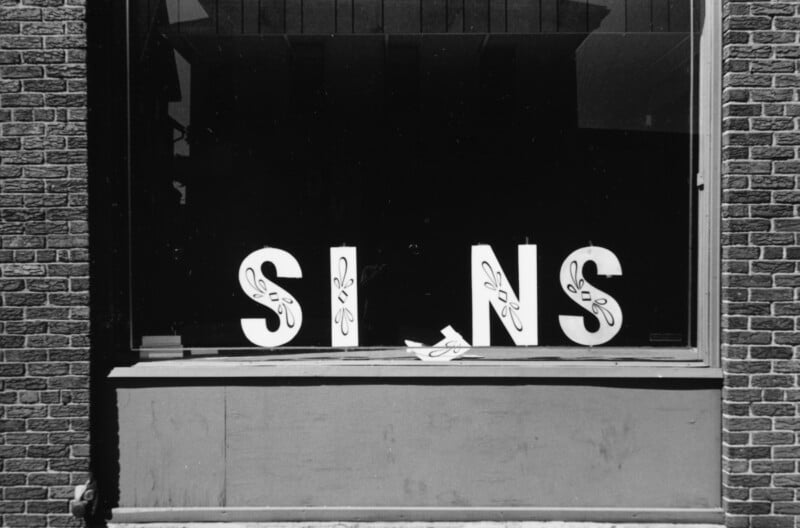
The institution also maintains one of the largest cold-storage facilities dedicated to photographic materials of its size, used to preserve film, negatives, colour prints, and other sensitive items over the long term. Some materials from the newly acquired archives have already arrived at CCP, while others are expected to be transferred and processed over the coming years.
“Ansel Adams was an exhibiting artist at the University of Arizona in 1974 when he was approached by the president of the university (Dr. John P. Schaefer) about his archive, and the two set in motion a relationship that would result in the creation of CCP,” Rebecca Senf, CCP Chief Curator and Adams’ scholar, adds.
“The Center’s DNA is an institution created by an artist for other artists, and this ethic continues to inform our work at every level.”
The announcement follows the 2019 acquisition of the archive of Pulitzer Prize-winning photographer David Hume Kennerly.
Image creditsAll photos courtesy of the Center for Creative Photography (CCP).
Affiliate Disclosure PetaPixel articles may include affiliate links; we may earn a commission if you buy through one.