
Scientists are Using Tourist Videos to Understand Whales’ Mysterious ‘Gaping Behavior’
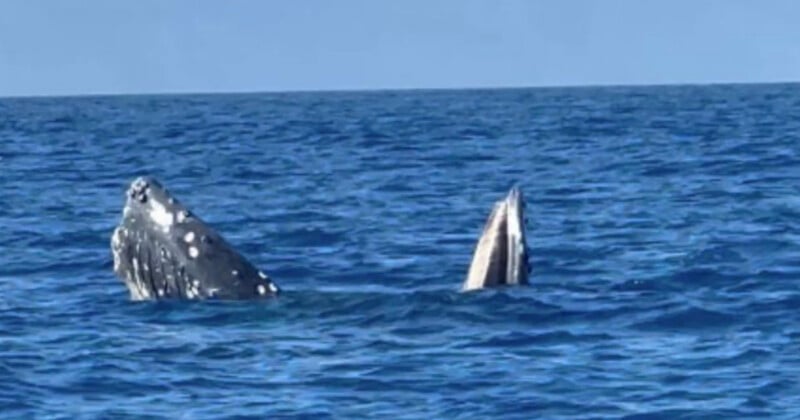
Researchers are using tourist videos and drone footage to understand a rare humpback whale behavior called “gaping,” where the animals open their mouths wide, even when there is no food around.
When humpback whales feed, they open their jaw wide to take in large amounts of water filled with krill or small fish, then push the water back out through their baleen plates, which trap the prey inside. However, a new paper co-authored by Macquarie University lecturer and whale researcher Dr. Vanessa Pirotta describes instances of whales “gaping” — holding their mouths open even when no food is present — and the reason for this behavior remains unclear.
According to the paper, published this month, images and videos shared online by tourists, drone users, and whale-watching operators have played a key role in identifying and documenting this newly observed “gaping” behavior. The study analyzed 66 videos sourced from the internet and social media, demonstrating how these public contributions can provide data for researchers.
The findings suggest that social media photos and footage may be a useful tool for identifying rare behaviors in humpback whales and other marine mammals.
“Just when we think we know a lot about humpback whales, we don’t,” Pirotta says in a statement. “Tourism operators and citizen scientists spend hours observing whales and are a powerful resource for capturing and reporting on behaviour, using the increasingly high-quality technologies many of us have on hand.”
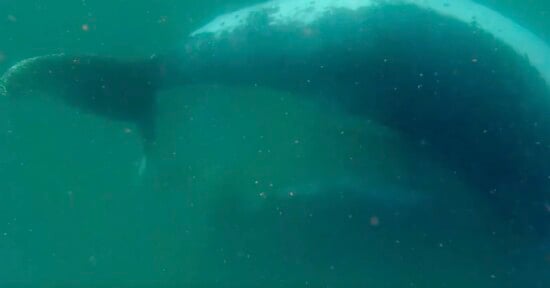
The gaping was captured by onlookers in a range of situations — from boats (above water) during swim-with-whale activities (underwater) and with drones. It included both adults and calves and was mostly seen when there were other whales nearby. Notably, it happened outside whales’ usual feeding routines.
“It was so unusual to see this happen and when I heard the commentary of people watching it, I knew it was rare,” Pirotta adds.
While the cause of the behavior remains unclear, the researchers suggest several possible explanations. The humpback whales may be playing, socializing, cleaning their baleen, reacting to a jaw issue, or simply stretching their mouths.
Affiliate Disclosure PetaPixel articles may include affiliate links; we may earn a commission if you buy through one.