
OpenAI Claims ChatGPT Images 2.0 Can Think
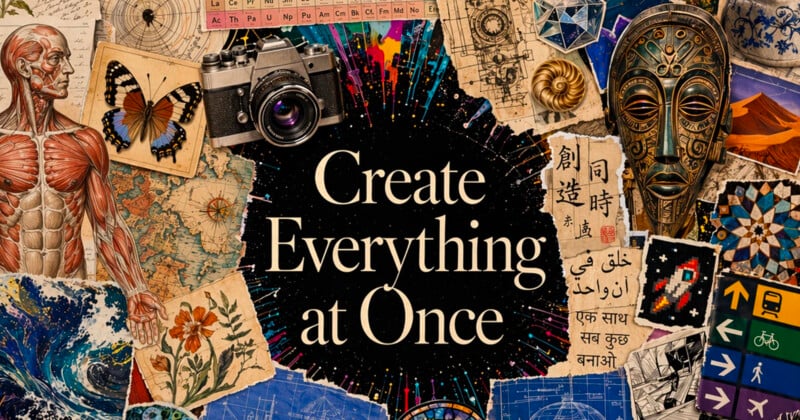
OpenAI has introduced ChatGPT Images 2.0, a significant update to its image generation system that expands its role from a creative tool into a more fully realized visual workflow platform. Available across ChatGPT, Codex, and the API, the new model is designed to handle more complex, real-world tasks with greater accuracy, flexibility, and control.
Rather than focusing purely on visual experimentation, Images 2.0 is positioned as a system for producing usable outputs across design, education, development, and content creation workflows. The update emphasizes improved instruction following, stronger text rendering, better object placement, and expanded support for different formats and languages.
“Images are a language, not decoration. A good image does what a good sentence does — it selects, arranges, and reveals. It can explain a mechanism, stage a mood, test an idea, or make an argument,” OpenAI says.
This framing signals a broader shift in how image generation is being approached. Instead of acting as a standalone feature, Images 2.0 is designed to function as part of a larger creative and problem-solving process, where visuals are treated as structured outputs rather than purely aesthetic ones.
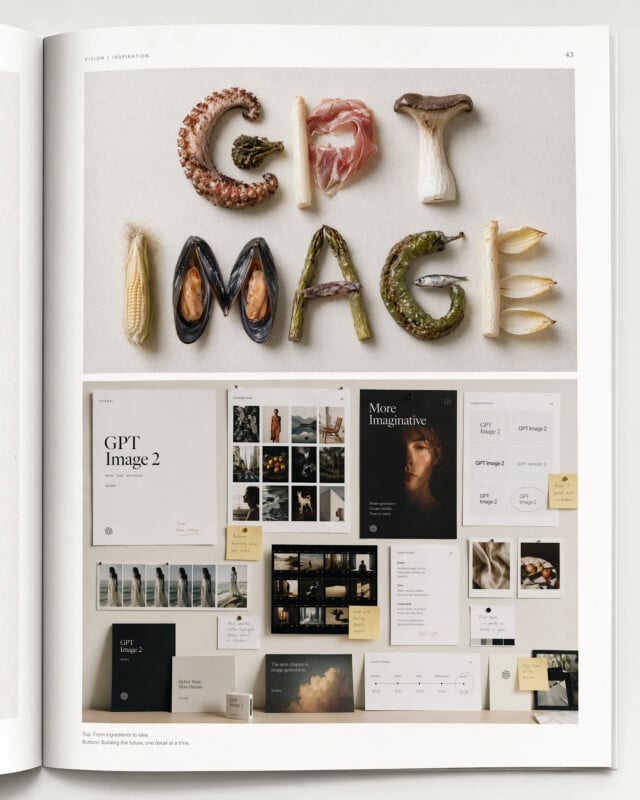
Greater Precision and Control
One of the most notable improvements in Images 2.0 is its ability to handle highly specific, detailed prompts with greater fidelity. OpenAI says the model is better equipped to follow complex instructions and preserve fine-grained details that previous image systems often struggled with.
“Images 2.0 brings an unprecedented level of specificity and fidelity to image creation. It can not only conceptualize more sophisticated images, it actually brings that vision to life effectively, able to follow instructions, preserve requested details, and render the fine-grained elements that often break image models: small text, iconography, UI elements, dense compositions, and subtle stylistic constraints, and at up to 2K resolution in the API,” OpenAI says.
Stronger Multilingual Capabilities
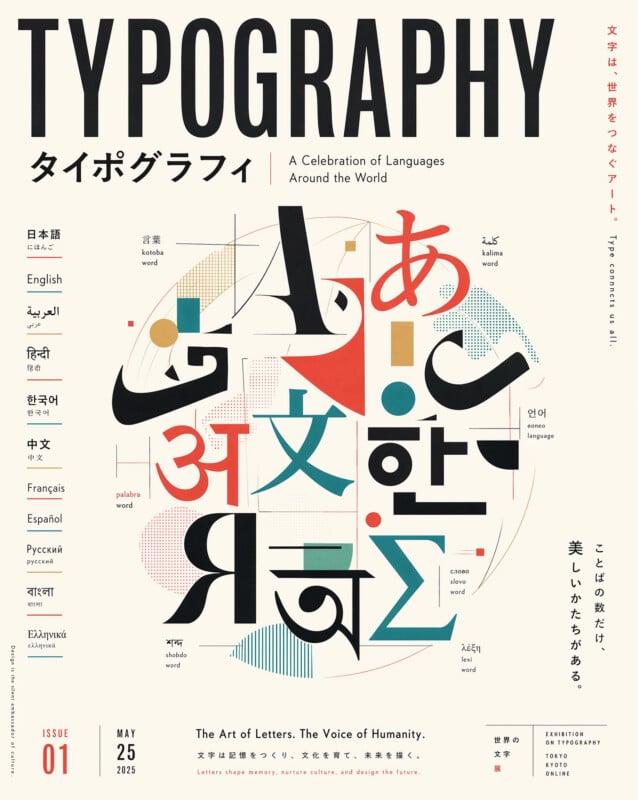
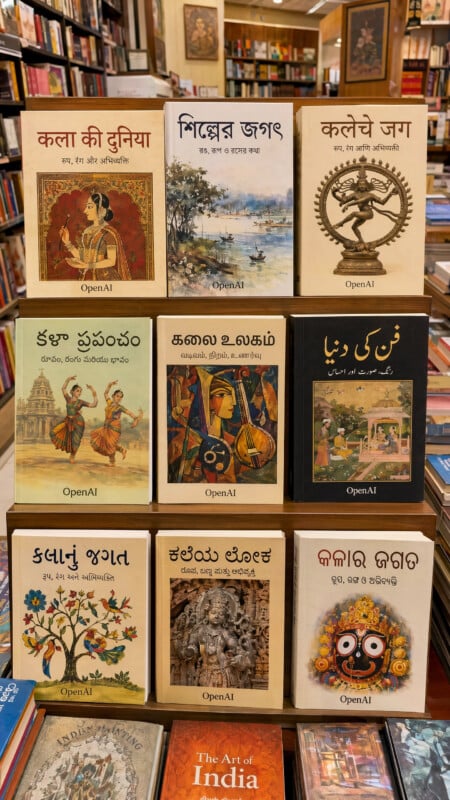
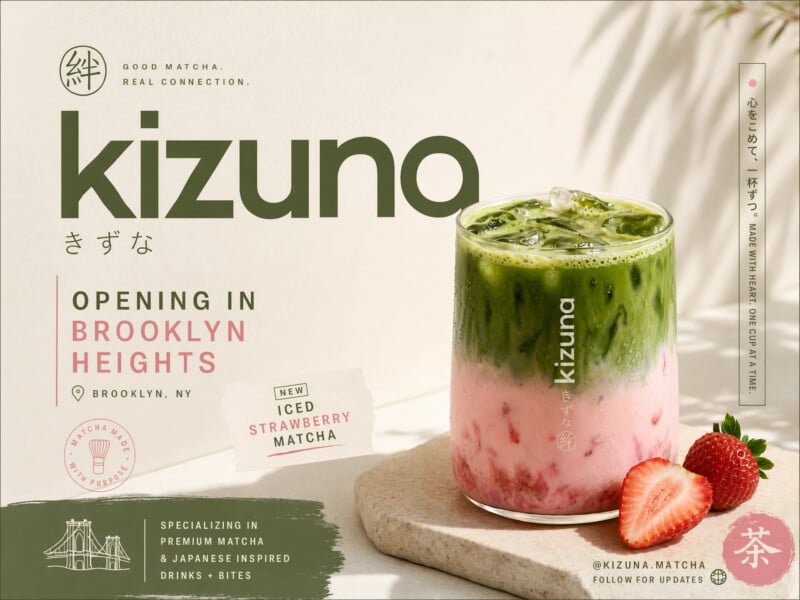
Another major advancement is multilingual support, particularly in accurately rendering non-Latin text within images. Previous image generation models often struggled with consistency outside of English, especially when dealing with dense or stylistically integrated text.
“Images 2.0 moves beyond that barrier with stronger multilingual understanding and significant gains in non-Latin text rendering, particularly in Japanese, Korean, Chinese, Hindi, and Bengali,” OpenAI says.
This improvement extends beyond simple translation. The model can generate visuals where language is an integrated part of the design, whether in posters, diagrams, or narrative formats such as comics.
Stylistic Fidelity and Realism
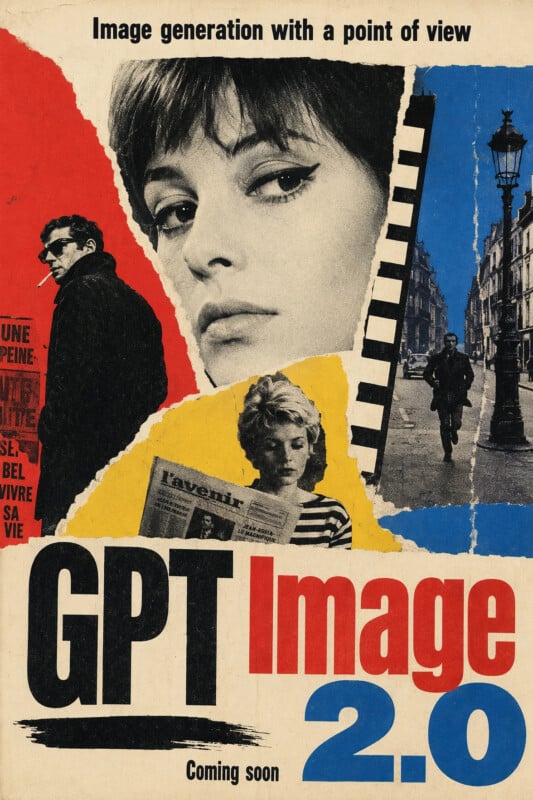
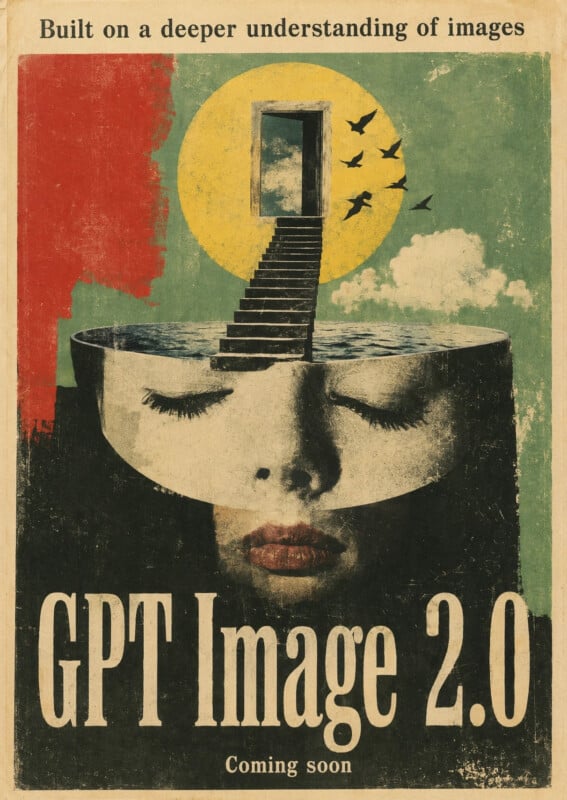
Images 2.0 also promises stronger consistency across a wide range of visual styles. The model is better at capturing the defining characteristics of different aesthetics, from photorealistic imagery to stylized formats like manga or pixel art.
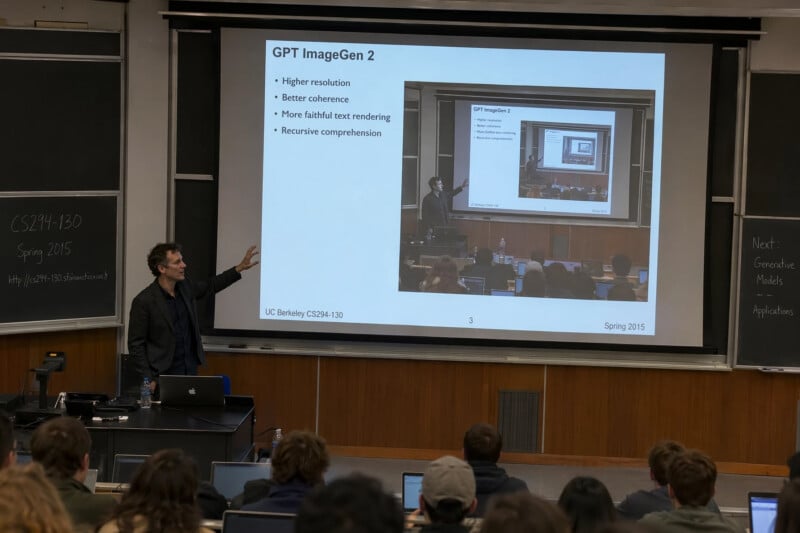
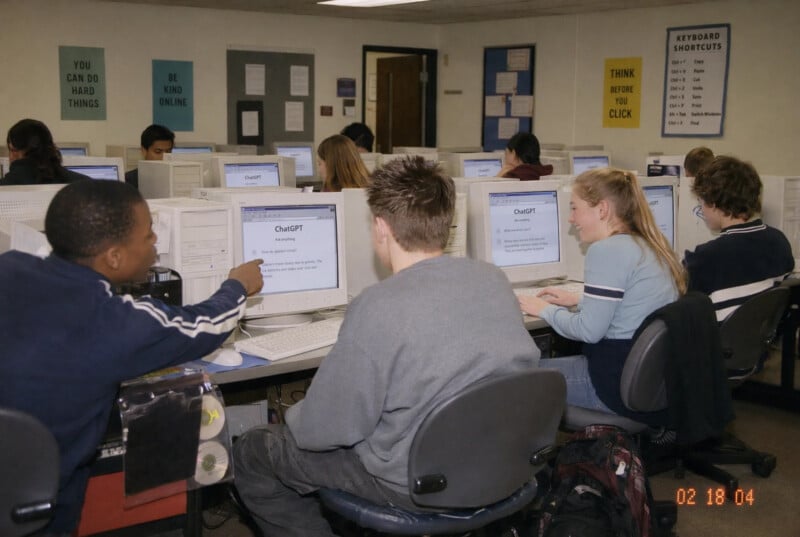
“Images 2.0 also shows significantly improved fidelity across a wide range of visual styles. It is better able to capture the defining characteristics of photos—including the tiny flaws that add realism — as well as cinematic stills, pixel art, manga, and other distinctive visual languages, with greater consistency in texture, lighting, composition, and fine detail,” OpenAI says.
Flexible Aspect Ratios and Output Formats
To better support real-world use cases, Images 2.0 expands its handling of output formats. The model supports a wide range of aspect ratios, making it easier to generate assets tailored to specific platforms and formats.
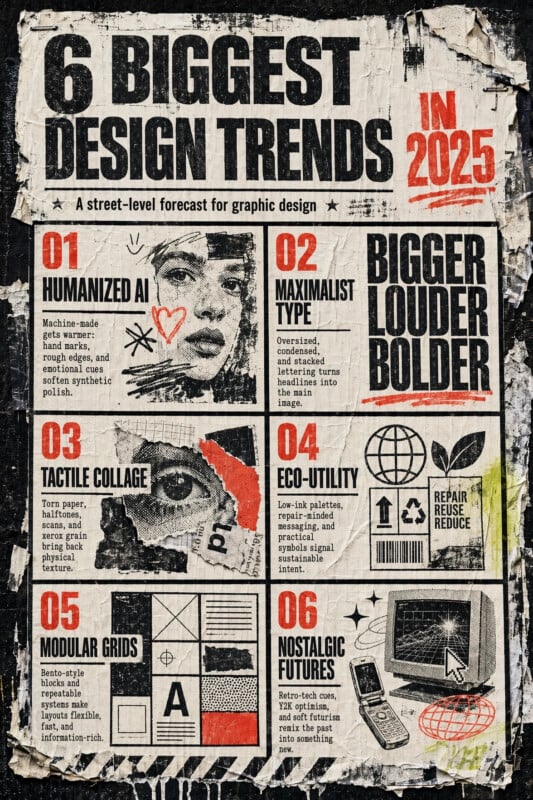
“With support for aspect ratios as wide as 3:1 and as tall as 1:3, Images 2.0 can generate outputs that are ready to fit the formats you need, from wide banners and presentation slides to posters, mobile screens, bookmarks, and social graphics,” OpenAI says.
This flexibility reduces the need for post-processing and allows users to generate assets that are immediately usable across different contexts, from presentations to social media.
Reasoning-Driven Image Workflows
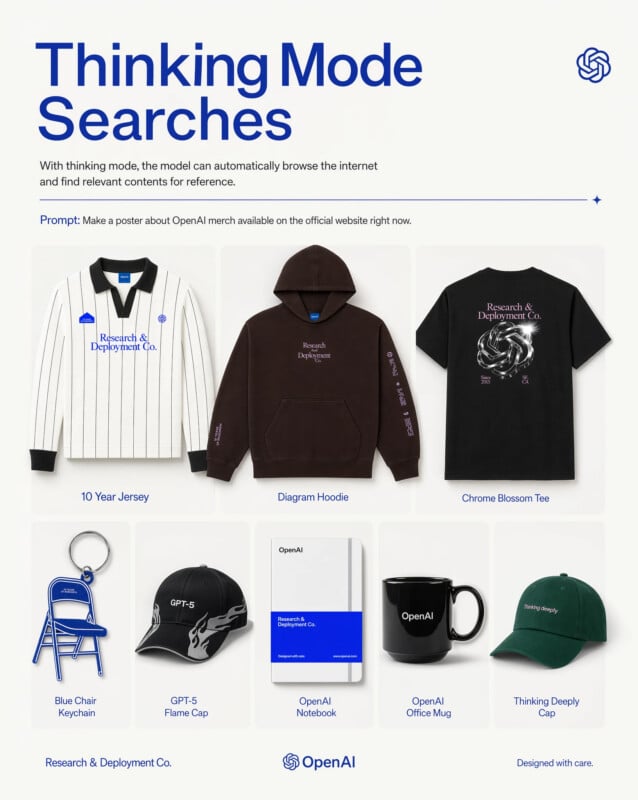
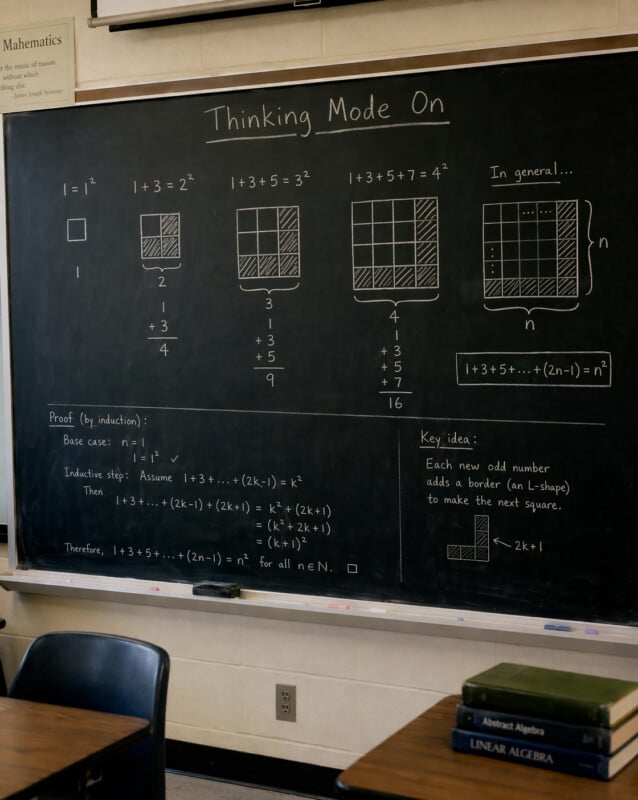
For the first time, OpenAI is integrating reasoning capabilities into image generation. When used with thinking or pro models, Images 2.0 can analyze tasks more deeply, incorporate real-time information, and generate multiple outputs in a single request.
“To extend the model’s capabilities for the most complex tasks, Images 2.0 is our first image model with thinking capabilities,” OpenAI says.
This shift allows the system to move beyond simple prompt-to-image generation and into more structured workflows.
“Instead of prompting one image at a time and stitching the project together yourself, you can ask for a coherent set of up to eight outputs in one go with character and object continuity, that sequentially build on one another,” OpenAI says.
This capability opens up use cases such as storyboards, multi-format campaigns, and iterative design exploration within a single prompt.
A Visual Thought Partner
With reasoning enabled, Images 2.0 is positioned less as a tool and more as a collaborative system that can assist throughout the creative process. The model can synthesize information, structure visual layouts, and generate outputs that reflect both the content and intent of a request. This is particularly relevant for workflows that combine research, design, and storytelling.
“With both the intelligence of OpenAI’s reasoning models and a vast understanding of the visual world, this model moves image generation from rendering to strategic design, from a tool to a visual system,” OpenA

Limitations and Ongoing Development
Despite its improvements, OpenAI notes that the model still has limitations, particularly in areas that require precise physical reasoning or highly detailed structural accuracy. The company also notes that extremely dense textures and highly detailed diagrams may require additional review, positioning these challenges as areas for future development.
Pricing and Availability
ChatGPT Images 2.0 is available starting today across ChatGPT, Codex, and the API. Access to advanced reasoning-based outputs is limited to ChatGPT Plus, Pro, and Business users, while API pricing varies depending on output quality and resolution.
Image creditsOpenAI
Affiliate Disclosure PetaPixel articles may include affiliate links; we may earn a commission if you buy through one.