
George Eastman Museum Expands One of The World’s Oldest Photography Collections with 900 New Images
The George Eastman Museum, which holds one of the world’s oldest photography collections, has added more than 900 photographic works through purchases and donations in 2025.
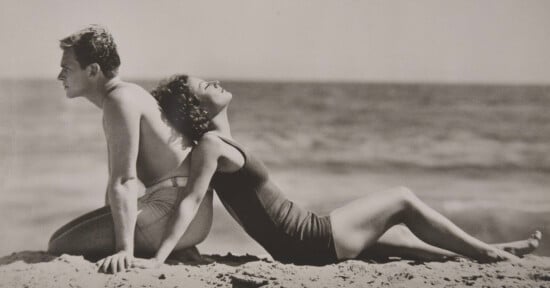
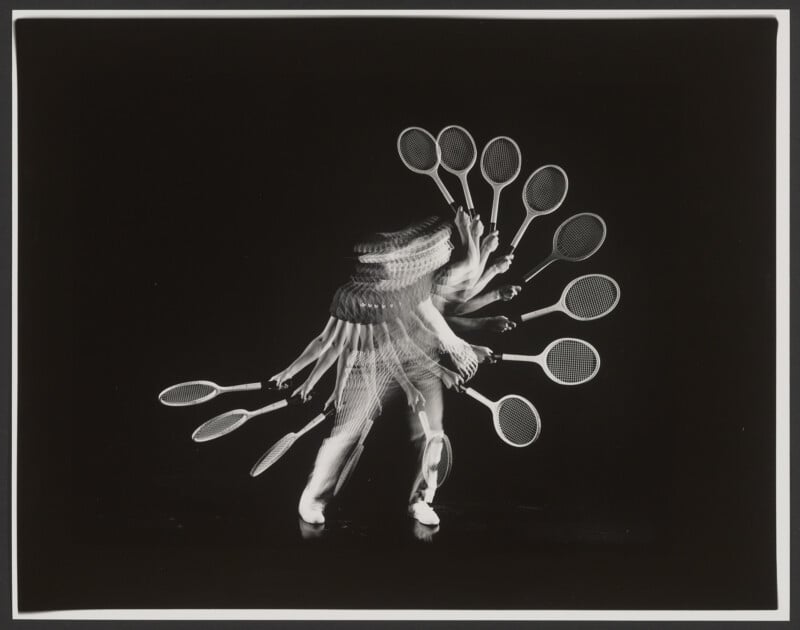
The George Eastman Museum’s Department of Photography continues to grow a collection that ranges from objects made before photography was publicly introduced in 1839 to work produced today. It includes all major photographic processes, from early daguerreotypes to digital images, and covers a wide range of uses, including everyday snapshots, artistic work, scientific study, and documentary photography.
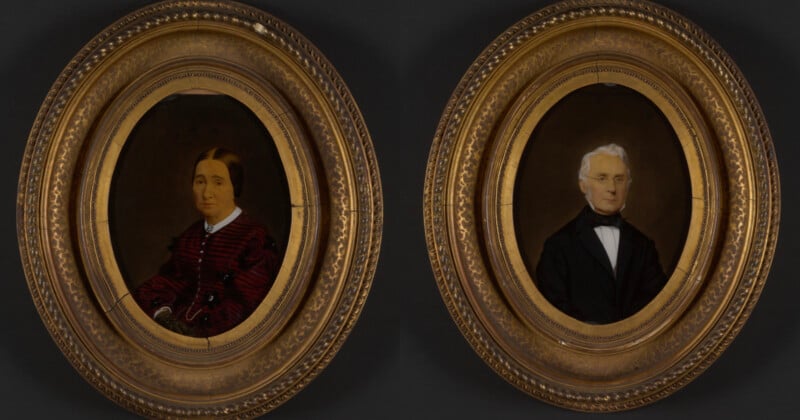
As with any large collection, there are gaps, and new acquisitions often aim to fill them. In some cases, the George Eastman Museum looks for more examples of rare or unusual processes. Two ivorytypes, donated by long-time supporter Donald K. Weber, are one example. First developed in the 1850s, the ivorytype process involved combining two prints from the same negative, which were hand-colored, waxed, and layered to create a sense of depth. Different versions of this technique, developed by various photographers, are already part of the museum’s holdings.
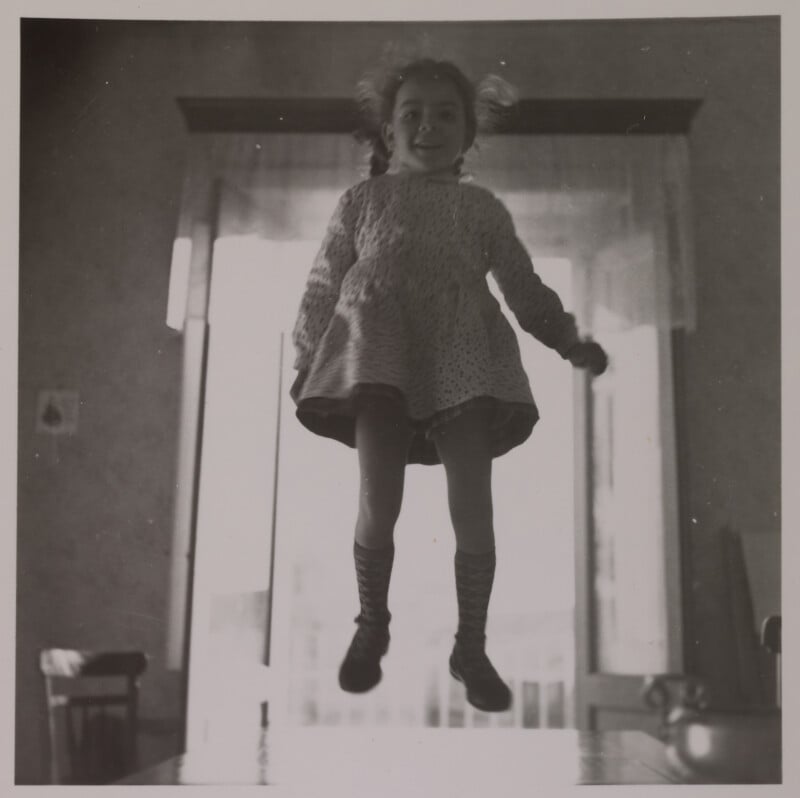
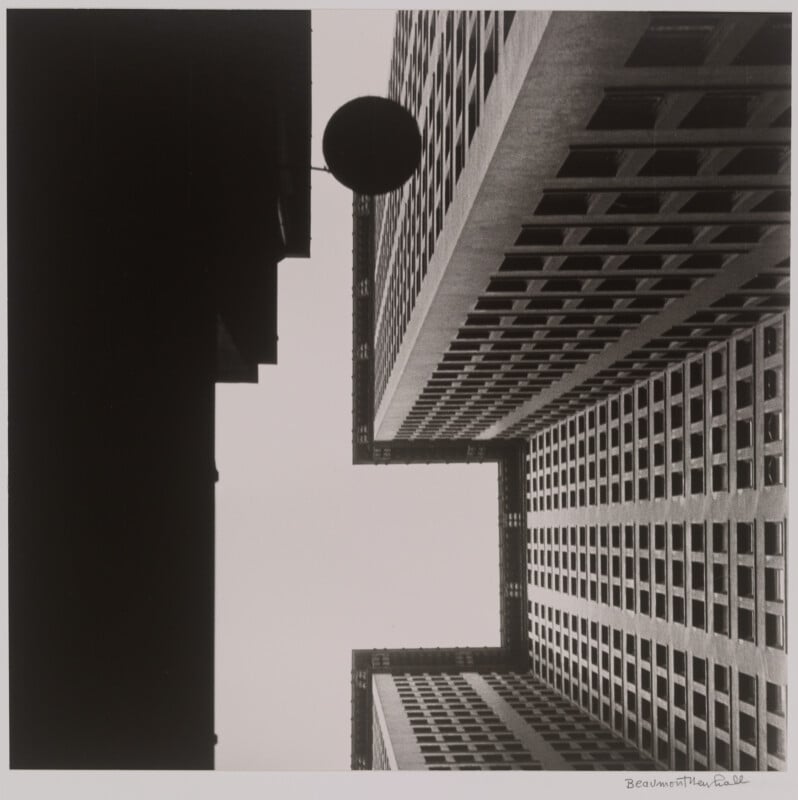
The museum also added eighteen photographs by Diane Arbus, donated by Fraenkel Gallery in San Francisco, and purchased a major work by Tseng Kwong Chi. These additions reflect its ongoing effort to expand its representation of important photographers and styles. The George Eastman Museum also continues to collect work by photographers who were connected to the museum itself. This year’s acquisitions include works by Beaumont Newhall and Nathan Lyons, both of whom previously worked at the institution.
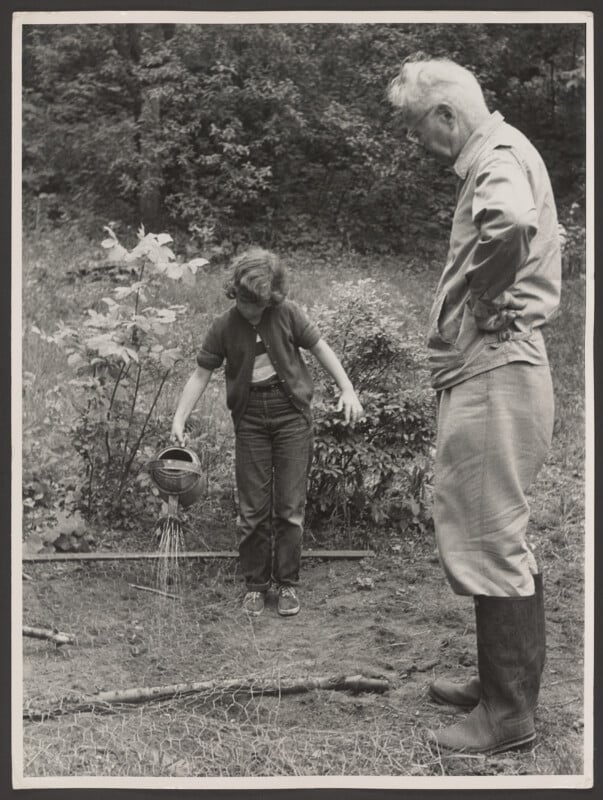
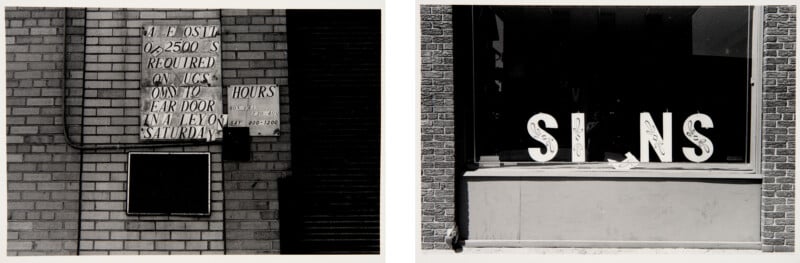
Some of the new works will be shown in upcoming exhibitions. Four photographs by Wayne Miller will appear in Edward Steichen and the Garden in 2026. The images show Steichen’s daily life and his interest in gardening. Other recent additions, including works by Brett Weston, Milton Rogovin, and Carl Chiarenza, will be included in a future Selections from the Collection display.
“Through carefully considered additions to our holdings, we seek to expand the possibilities for understanding the photographic medium, making it accessible to our colleagues and the general public alike,” says Jamie M. Allen, Stephen B., and Janice G. Ashley, Curator and Head, Department of Photography.
“While we continue to build our holdings of nineteenth- and twentieth-century photography, which serve as the foundations of our collection, we also seek to document twenty-first-century uses of photography, from photojournalism to contemporary art. In 2025 we had amazing opportunities to add significant works from all periods of the medium’s history, filling gaps and bolstering our ability to tell expansive stories.”
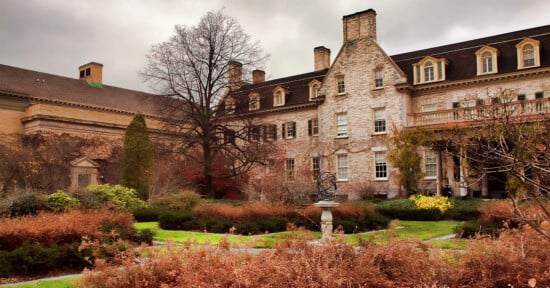
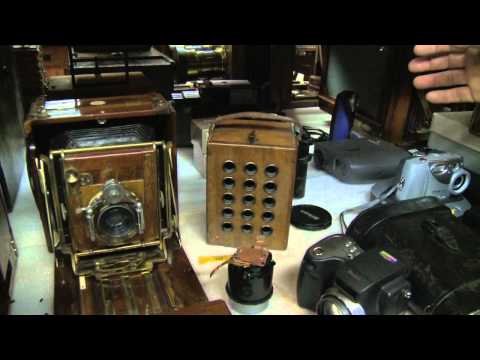
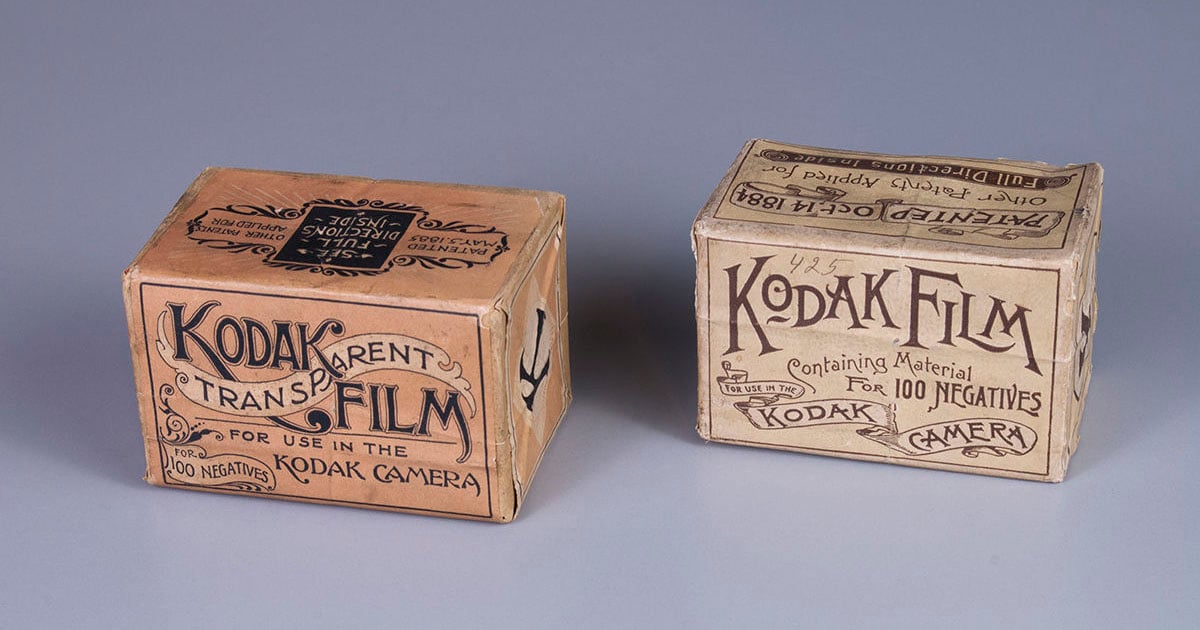
Founded in 1947, the George Eastman Museum is the world’s oldest photography museum and one of the largest film archives in the United States. Its collection includes more than 450,000 photographs, 31,000 motion picture films, a major collection of photographic and cinematographic technology, a large library of materials related to photography and cinema. The museum is located on the historic Rochester, New York estate of entrepreneur and philanthropist George Eastman, a pioneer of popular photography.
Image creditsAll photos courtesy of George Eastman Museum.
Affiliate Disclosure PetaPixel articles may include affiliate links; we may earn a commission if you buy through one.