The Best Endorsements Are The Ones You Can’t Pay For
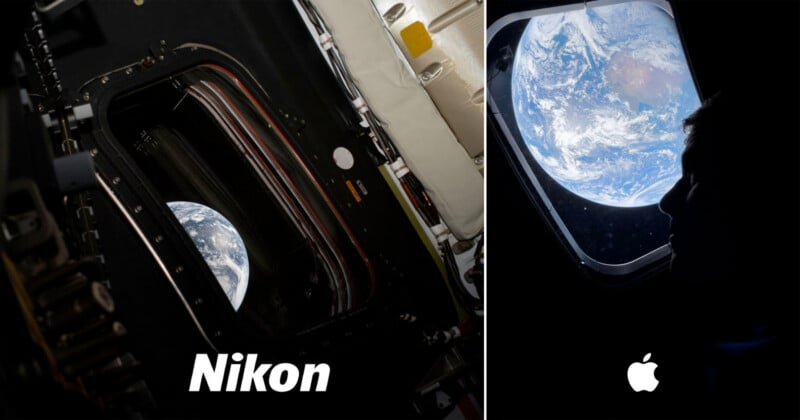
The photos captured by the Artemis II team have been beautiful to behold and have brought two brands to the forefront of discussion: Nikon and Apple. Neither brand paid their way into this position, and that’s the best endorsement anyone can ask for.
For those that might not know this, Nikon and Apple did not pay to have their cameras and phones included in NASA’s Artemis II mission. They were selected either because they survived rigorous testing or because they were what the team wanted to use — or a combination of the two.
I bring this up because over the weekend, I saw a lot of discussion on Threads about Nikon’s involvement, either asking how much Nikon had to pay to get its cameras into the mission or dunking on Hasselblad for somehow “allowing” it to happen. That is not how it works.
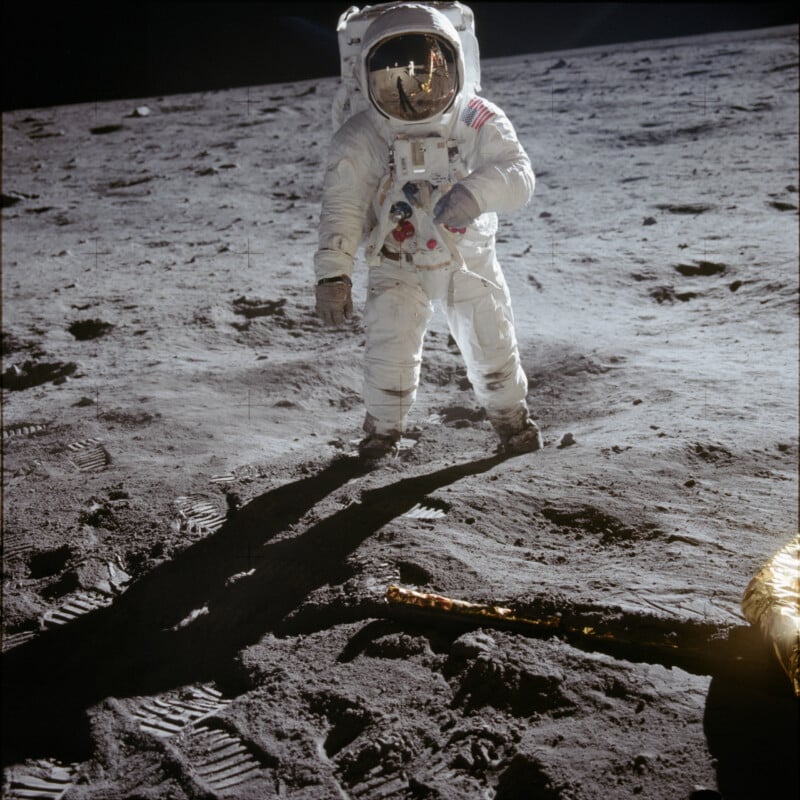
Hasselblad’s history with NASA might be more well-known than Nikon’s because its cameras were used during the Apollo 11 mission to the Moon back in 1969, resulting in some of the most famous photos of space exploration ever captured.
But starting with the Apollo 15 mission in 1971 and up until this day, Nikon has been NASA’s go-to choice for cameras in space.
“Since the Apollo 15 mission more than 50 years ago, Nikon cameras and lenses have been used by NASA for space exploration,” Nikon explains. “Starting in 1999, Nikon cameras (Nikon F5) and NIKKOR lenses have been used aboard the ISS to aid in scientific research, maintenance and aiding astronauts capturing the iconic images of the Earth, the heavens and beyond.”
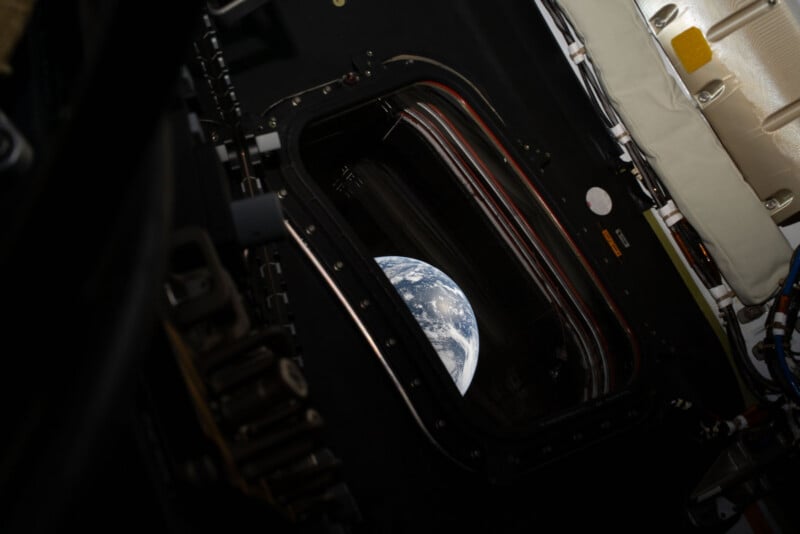
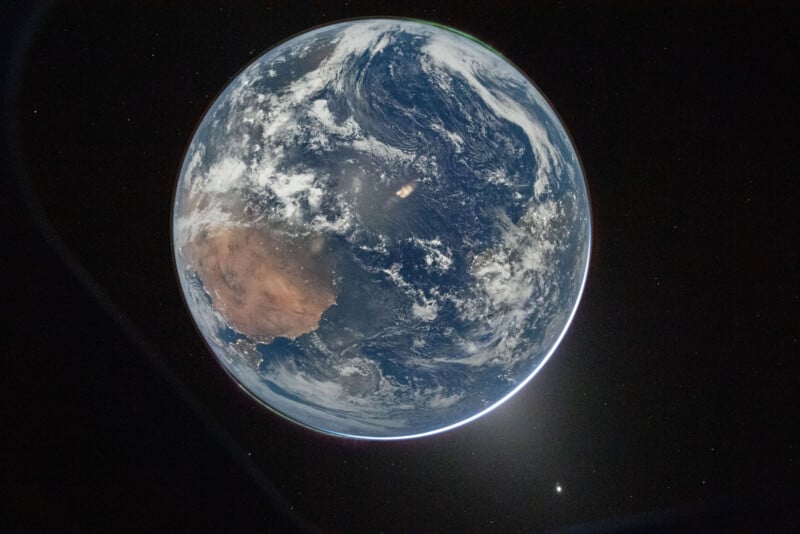
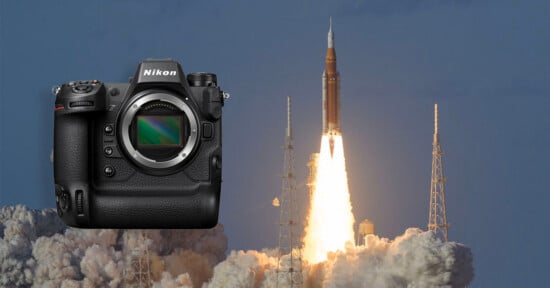
That means NASA has been using Nikon cameras for substantially longer than it ever used Hasselblad cameras and through three eras of photography: film, digital SLR, and now mirrorless. Nikon’s cameras were chosen for this because space is a harsh, unforgiving environment. Equipment must be able to withstand substantial temperature swings and cosmic radiation, especially if they are going to be used on the moon — which Nikon’s Z9 is slated to be during the upcoming Artemis III mission.
“Saying we are excited to see the images coming back from the Artemis II mission crew is an understatement. It is an unfathomable honor to contribute to something so monumental, this rare moment when all of humanity looks upward together, united by the images that push the boundaries of what we know. Watching NASA’s livestreams and seeing the crew work with our cameras and lenses is profoundly humbling. Each of us is witnessing history unfold in real time. While we at Nikon are all excited for what’s to come, it’s important that the focus remains on the mission and the crew who are bravely going further than any humans before,” Hiroyuki Ikegami, Nikon’s Senior Executive Vice President, General Manager of Imaging Business Group and General Manager of Imaging Business Unit, tells PetaPixel.
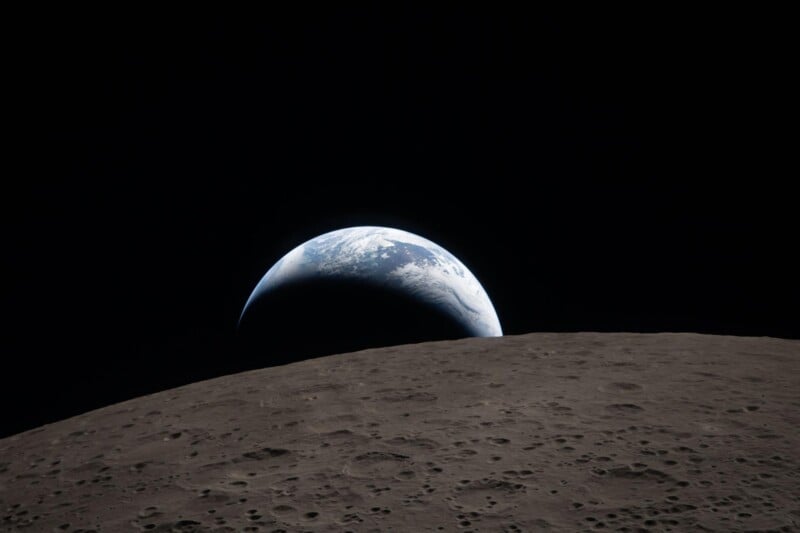
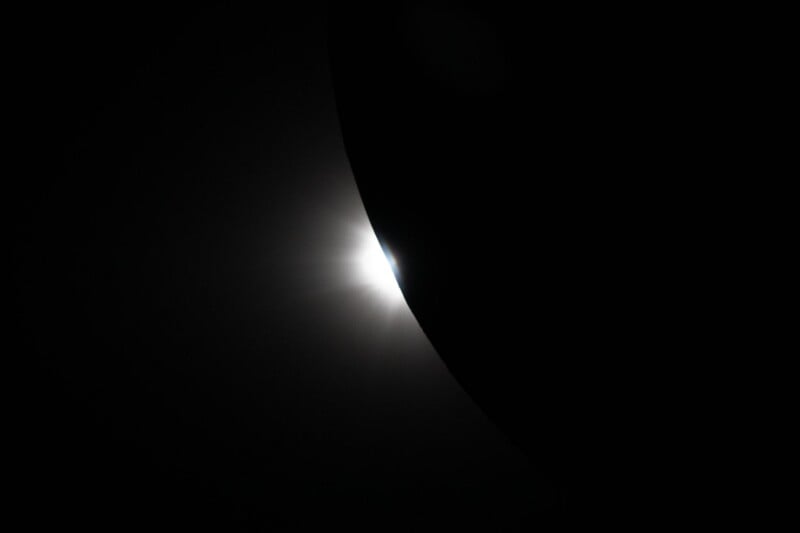
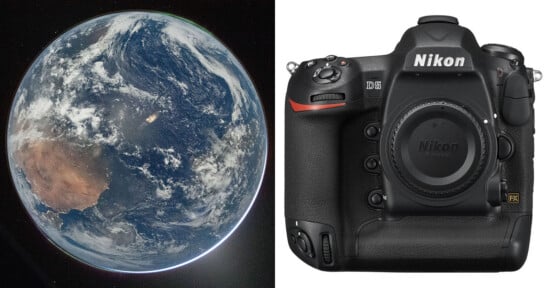
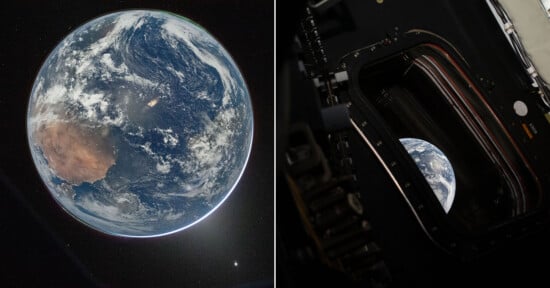
“For more than 50 years, beginning with Apollo 15 to the most recent Artemis missions, Nikon and NASA have worked together closely. Our core objective has always been to best equip the crew and prioritize the mission. Nikon cameras and lenses have supported scientific research, maintenance, while also enabling astronauts to capture the most iconic images, including the recent portrait of the Earth from the Artemis II crew. Nikon cameras and lenses have also been used aboard the International Space Station, starting with the F5 Film SLR, and now continuing with the mirrorless Z9.”
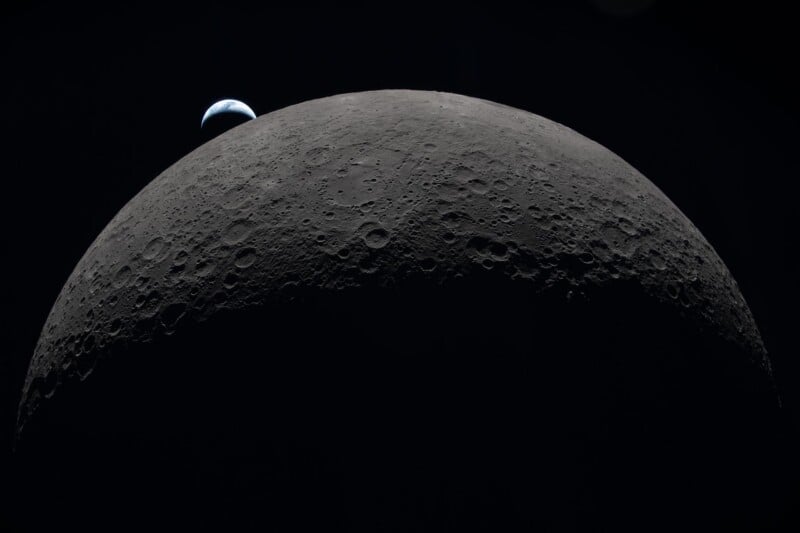
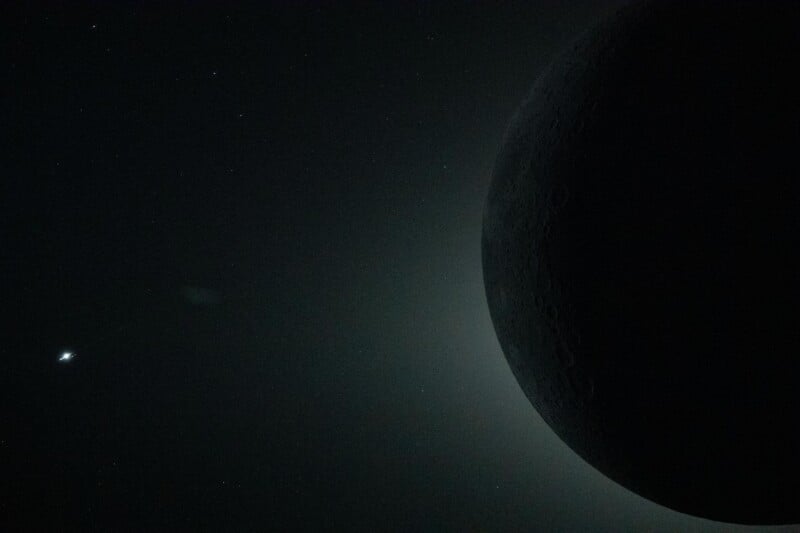
“While we previously announced our collaboration with the Artemis team to help develop the HULC (Handheld Universal Lunar Camera) system, we were pleasantly surprised to learn that they were also taking the Z9 mirrorless camera into space as part of the recent Artemis II mission for testing to help further the development of space camera technology. The next stop will be the lunar surface, and we have been working extensively with the teams to make the Nikon Z9 the first mirrorless handheld camera on the Moon. And yet, this is only the beginning. The horizon ahead holds possibilities greater than anything we’ve seen.”
‘The next stop will be the lunar surface, and we have been working extensively with the teams to make the Nikon Z9 the first mirrorless handheld camera on the Moon. And yet, this is only the beginning. The horizon ahead holds possibilities greater than anything we’ve seen.’
The trust astronauts have to put in their gear means that the certification and testing process is long and arduous. That’s why the Artemis II team is mainly using Nikon D5 cameras — they know they’re going to work, even if they’re far from the latest technology.
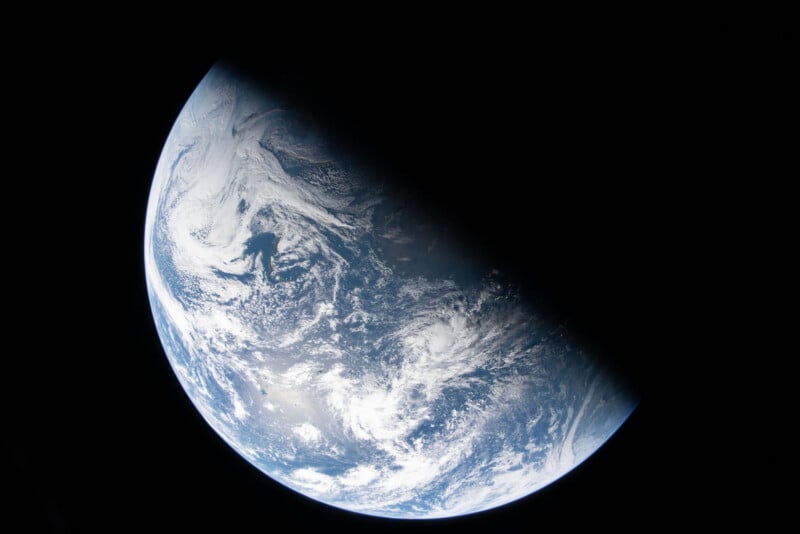
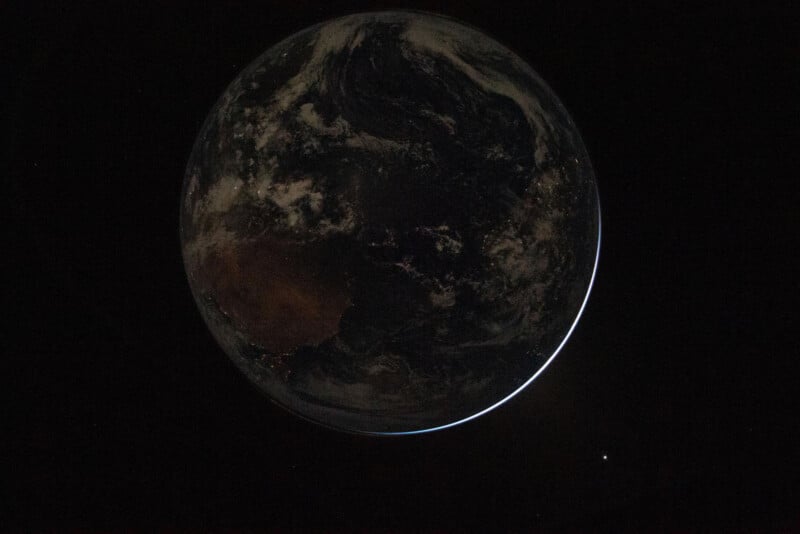
That’s why it’s pretty surprising that Apple iPhones made their way into the Artemis II mission. As The New York Times explains, there is a lot to consider when certifying a handheld smartphone for use in space. For example, what happens if it breaks? That and other concerns were clearly addressed, however, and the iPhone 17 was used to capture a few selfies from the mission with Earth in the background.
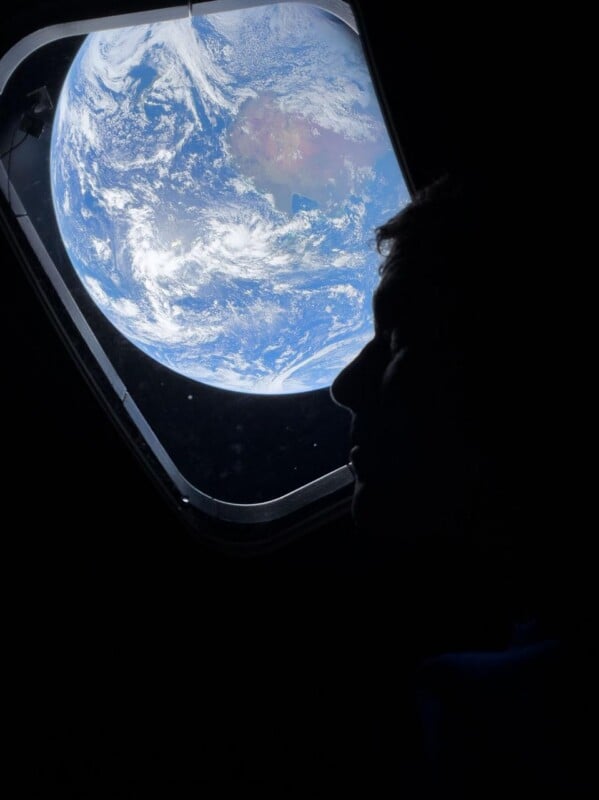
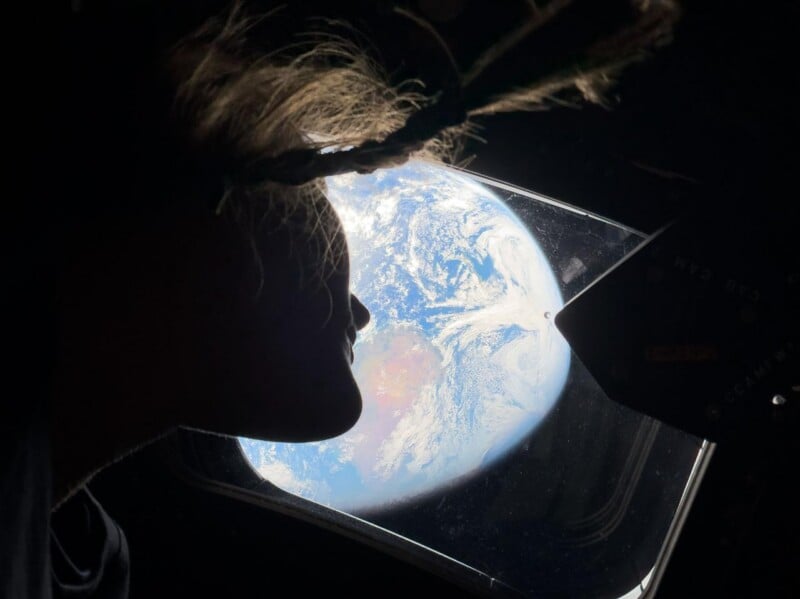
The mission is the first time an iPhone has fully qualified for extended use in orbit, Apple tells PetaPixel.
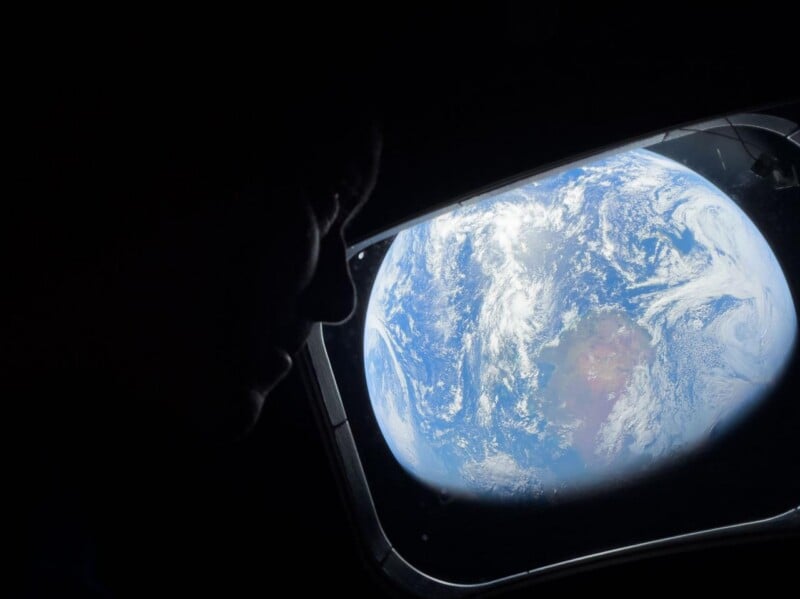
Since the iPhones on the mission can’t connect to the Internet or Bluetooth, their use is pretty limited. But it’s hard to argue with the impact of a simple selfie, so it being used for that might just have been the entire point. It’s pretty easy to see that it’s an outstanding selfie machine that the crew was likely familiar and comfortable with. Photos are powerful, and the Artemis has shared several that have captured the world’s attention.
NASA knows the kinds of photos the iPhone can get are great for PR. Seeing an astronaut’s face next to a full shot of the Earth is beautifully humanizing. They’re photos that have incredible impact, and the iPhone is arguably a lot better at getting that kind of photo than the Nikon cameras the team is also equipped with.
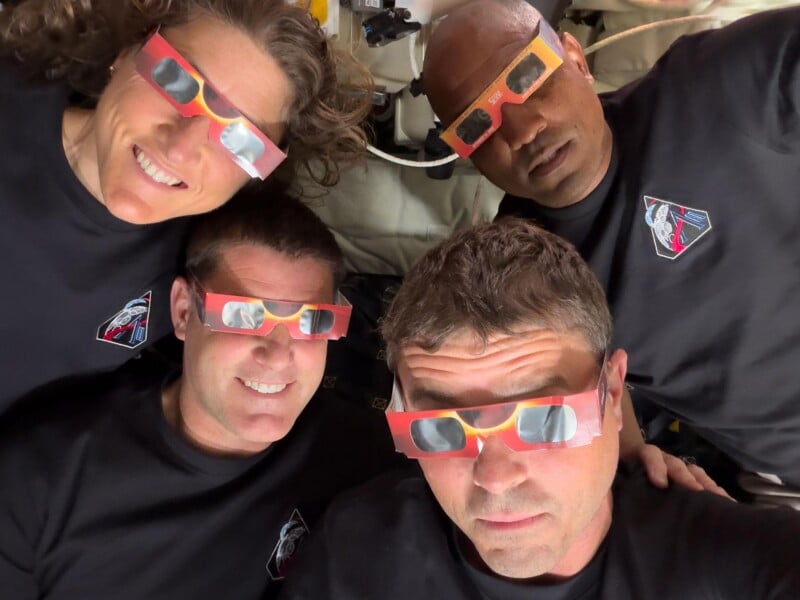
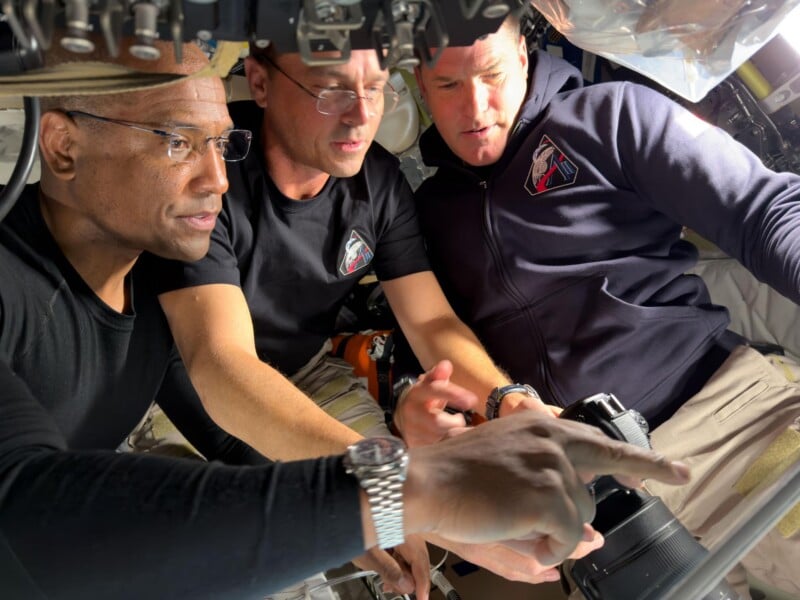
These are the best endorsements that any brand can ever hope for precisely because they can’t be bought. Anyone paying attention to this incredible feat of science and technology will see Nikon and Apple’s name’s involved and can walk away knowing those were picked because they’re great for the tasks assigned to them — and that’s it.
Not every camera nor every smartphone could have performed its job in this environment. We’ll probably never know which ones would have failed and why, but we sure will remember the ones that succeeded.
Image credits: NASA