Social Media Users are Less Active on Platforms Due to Rise of Short-Form Video

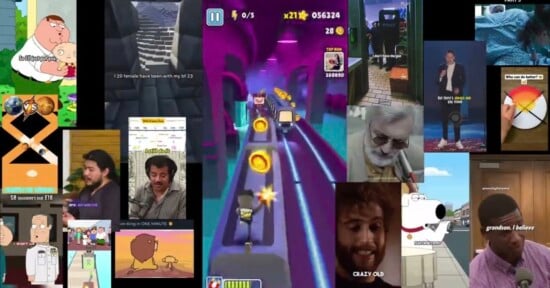
A new study revealed that U.K. social media users are less active due to the dominance of short-form video on the most popular platforms — in a trend that’s likely reflected across the Western world.
In a report published Thursday, Ofcom examined trends in adults’ social media habits and online behavior over the past year. The regulator’s latest survey, conducted between September 29 and November 28, gathered responses from 7,533 U.K. adults aged 16 and over on how they use social media, access news, and think about digital privacy, among other topics.
The findings show a notable drop in active participation. Just under half of adult social media users (49%) say they now post, share, or comment on platforms such as Instagram, Facebook, and X, down from 61% the previous year. The proportion of users exploring new websites has also declined, from 70% to 56%.
Ofcom says the decrease in active use appears to be linked to the growing influence of video-focused features and platforms, as well as concerns about the long-term impact of past posts on personal accounts.
Joseph Oxlade, senior research manager at Ofcom, tells The Guardian that the rise of video apps such as TikTok and Instagram’s Reels feature meant some users were posting and commenting less than they previously did on platforms like Facebook.
Despite this shift, overall social media use remains widespread. The report found that 89% of adult internet users in the UK use at least one social media platform, rising to 97% among those aged 16 to 34. The study also found that users are also becoming more selective about what they share. Concerns about data privacy, including the misuse of personal information such as photos, have contributed to changes in behavior, Oxlade tells The Guardian.
Some users have stopped posting altogether, while others are opting for less permanent forms of content. The report found that more people are choosing features like Instagram Stories instead of permanent grid posts, pointing to an increase in more “passive” forms of social media use.
Worries about future consequences are also growing. Nearly half of adults (49%) said they are concerned their posts could cause problems later in life, up from 43% a year earlier.
Social media expert Matt Navarra tells the BBC that the trend may reflect a shift toward what he described as “digital self-preservation,” with users moving to smaller, more private spaces such as group chats and direct messages.
“People haven’t fallen out of love with social media, I think they’ve just become a lot more intentional about how they show up on it,” Navarra says.
Image credits: Header photo licensed via Depositphotos.