Planning Landscape Photos, Part 1: Must-Have Gear and Scouting
Just walking out with your camera and hoping for the best reduces the chances of getting good photos. With a little forethought and the right tools, however, you can take fabulous shots. Landscape photography requires planning.
This is the first of two articles discussing important aspects of planning a landscape photoshoot.
Camera Gear and Settings
Check over your gear a few hours before you set off. Batteries may need charging, or memory cards may need to be emptied of old images.
I don’t like changing lenses outside. I live on the coast, and the air is filled with salty particles that I don’t want inside my camera. So, I fit my wide‑angle lens to my camera and pack my ND and polarizing filters at home. I also attached the quick-release plate from my tripod to the camera beforehand. Anything I don’t need for my planned shot, I leave behind. I don’t carry a rucksack full of heavy gear that I am not going to use.
I check the hyperfocal distance of my lens at the aperture I’ll select. I then know that on my camera, the 7mm lens at f/8 gives me a hyperfocal distance of 0.41 meters (1.3 feet). Then, everything from 0.21 meters (0.7 feet) to infinity will be in focus.
I’ll think about the light and check the expected cloud movement and direction on Earth.gl (more about that in the next article) and how that will affect a long exposure. Am I going to want to create HDR images in-camera, or merge bracketed shots later? Will I need to focus stack for extreme front-to-back sharpness in the shot?
My camera can use its sensor-shift technology to capture high-resolution (80-megapixel) shots. Is that something I want to consider?
Thinking about all those things ahead of the shoot helps me avoid wasting time on location.
Your Safety is Important
While your batteries are charging, finding appropriate clothing, including for weather changes, is important for landscape photography. Strong footwear is essential for rough terrain, too. If you are setting off early, I recommend getting your clothing ready the day before, so you are not hunting for hiking socks while your partner is trying to sleep.
I always carry a small first aid kit. I usually pack emergency food and a bottle of water as well.
I also notify others of my location and when I am due back. I don’t want to, say, break an ankle on an isolated rocky shoreline or on a hillside with no phone signal when nobody knows where I am.
Navigation Plan
An important part of navigation is timing the journey. Arriving on site in good time ensures you are not rushed. Not only is that safer, but it also allows time to set up tripods, filters, or focus stacking sequences. So, planning your route is essential.
Landscape photography often requires hiking, climbing, or navigating rugged environments. Frequently, that is in the hours of darkness, when walking to or from a location, especially if you want to be there when the light is optimal. Allow for that in your timing estimates.
Phones and other GPS devices can fail. Make sure you have sufficient power available for electronics, but don’t rely solely on those. Having a map and compass, and knowing how to use them, is important.
Walking to the top of a mountain is easy because it’s uphill all the way. However, when you come down, you can choose any of the 360° directions around you. Without proper navigation skills, you might end up coming down the wrong side of the mountain or discover a very fast descent when you walk off a cliff. The north face of the tallest mountain in Scotland, Ben Nevis, is renowned for people doing just that.
Other Things to Check During Your Plan
Checking road access, parking, and trail openings is important. Also, find out if you need permits or if there are other restrictions. Consider contingency plans in case of crowds or unexpected closures. I once arrived on location to find 50 other photographers there.
Working the Scene and Adapting in Real Time
I find landscape photography a relaxing and mindful experience. However, once on location, I rarely stay in one place. Even after planning has identified prospective camera placements, I explore the scene when I arrive.
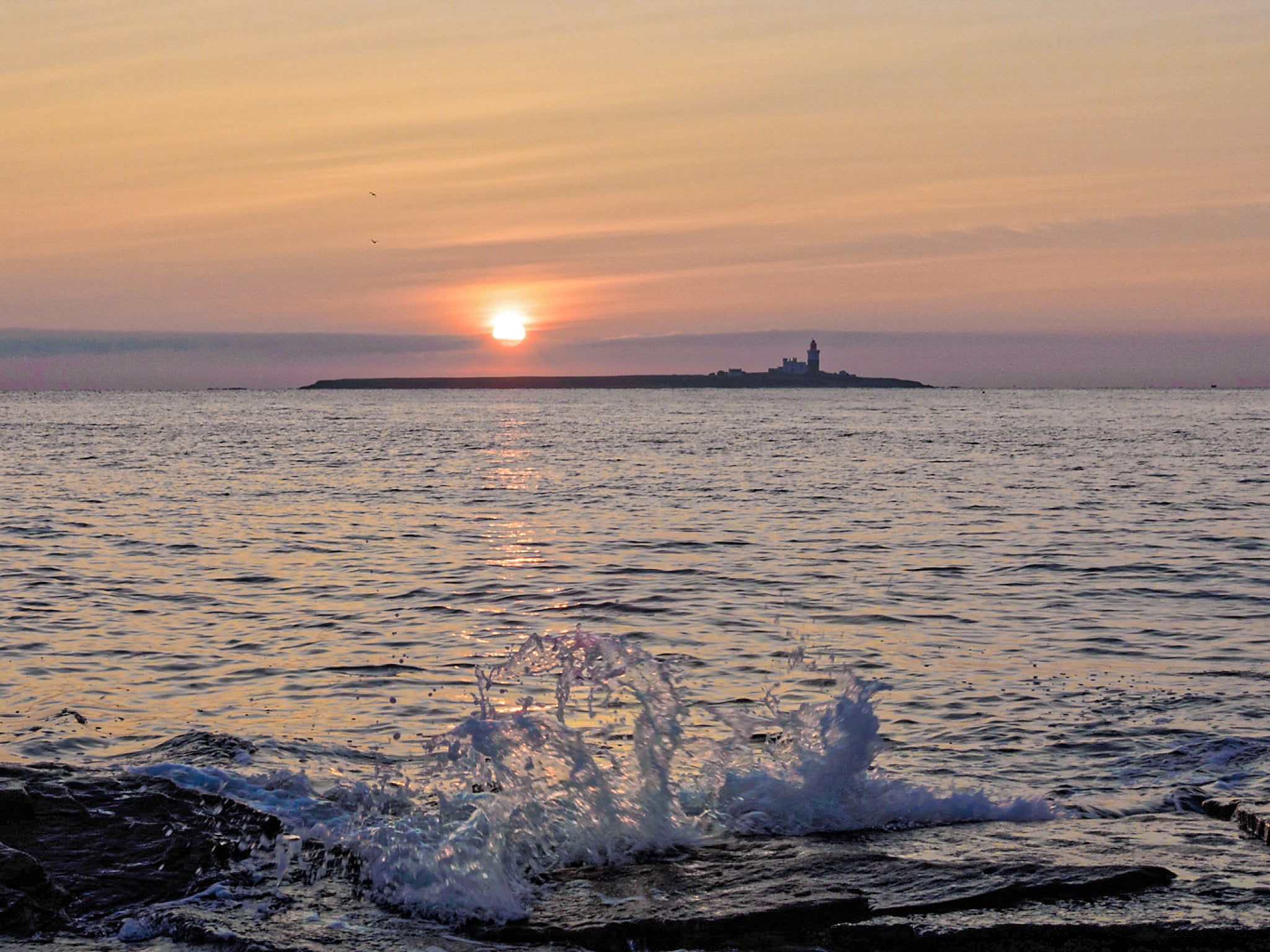
I am mostly shooting on the coast, and the tidal state, wave size, and speed are constantly changing. Then, the cloud cover and the rising sun can vary rapidly. Therefore, I try multiple compositions to see what I can discover. I adjust the camera’s height and position. By embracing changing conditions, I endeavor to capture a diverse expression of a single landscape.

Visualizing the Shot
You will often hear that photographers visualize what they will achieve. I don’t. That is for two very good reasons. Firstly, if we do that, we are likely to be tied to achieving that and could miss what would otherwise be a better shot. I find flexibility is a better approach. Secondly, I am one of those rare people who have aphantasia, an inability to create mental pictures. Trying to visualize the scene before I arrive is impossible for me.
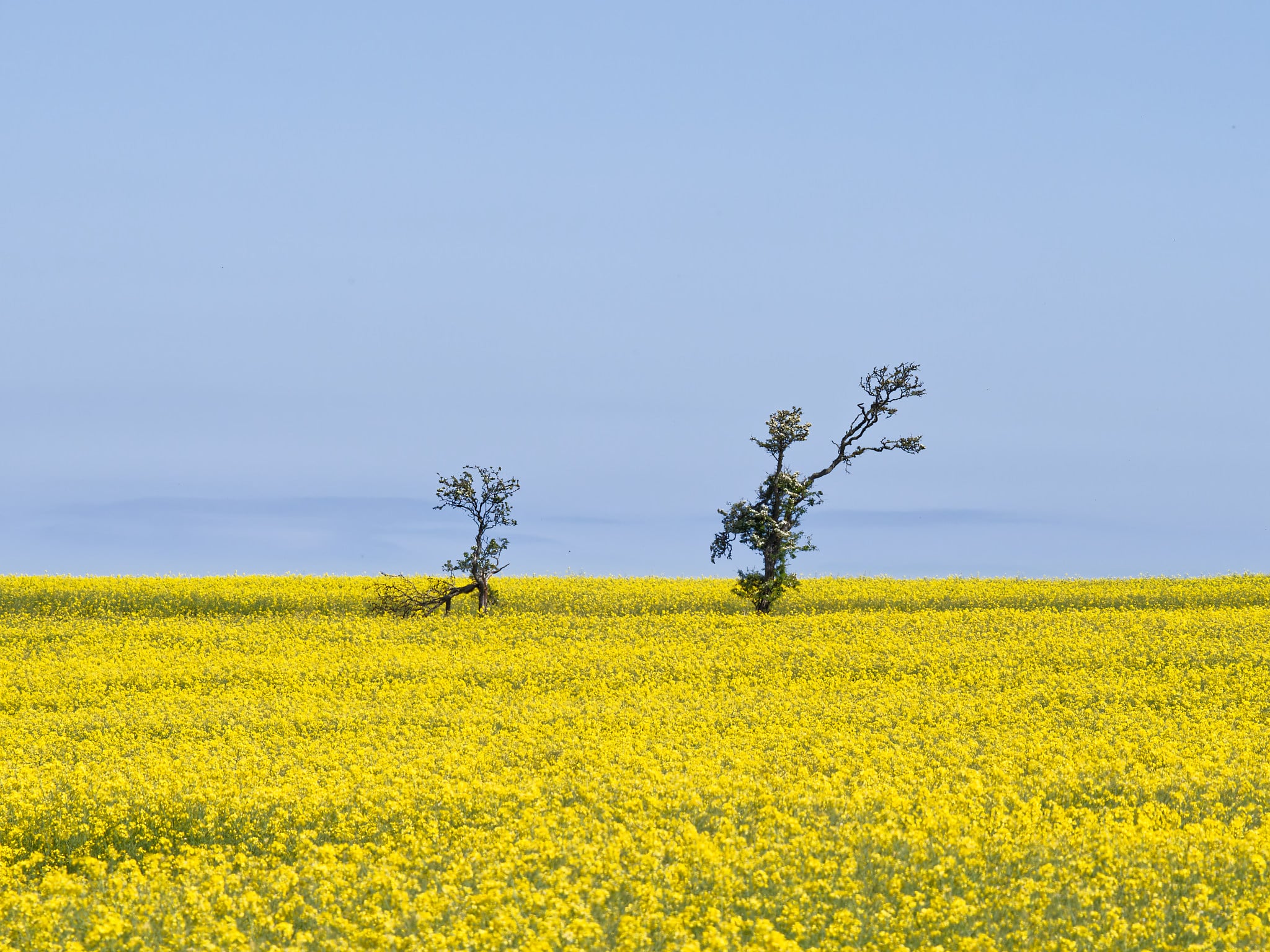
However, that does not stop me from looking for leading and lead-in lines, balancing the composition, understanding and managing scale, and looking around the frame for unwanted distractions.
Contingency Plans
Things don’t always go to plan. One of my favorite subjects is the sun rising behind the island just off the coast from where I live. However, about half of the clear mornings bring a heavy bank of cloud on the horizon. In that case, I wait for the sun to rise above that, which usually takes about 15 minutes, and then photograph the coastal features bathed in golden light.
When it is completely overcast, I might fit an ND1000 filter and combine it with the built-in electronic ND filter in my camera (called LiveND). I then take long exposures of, say, the navigation beacons, with the sea and clouds smoothed out.
Be Kind to Other Photographers
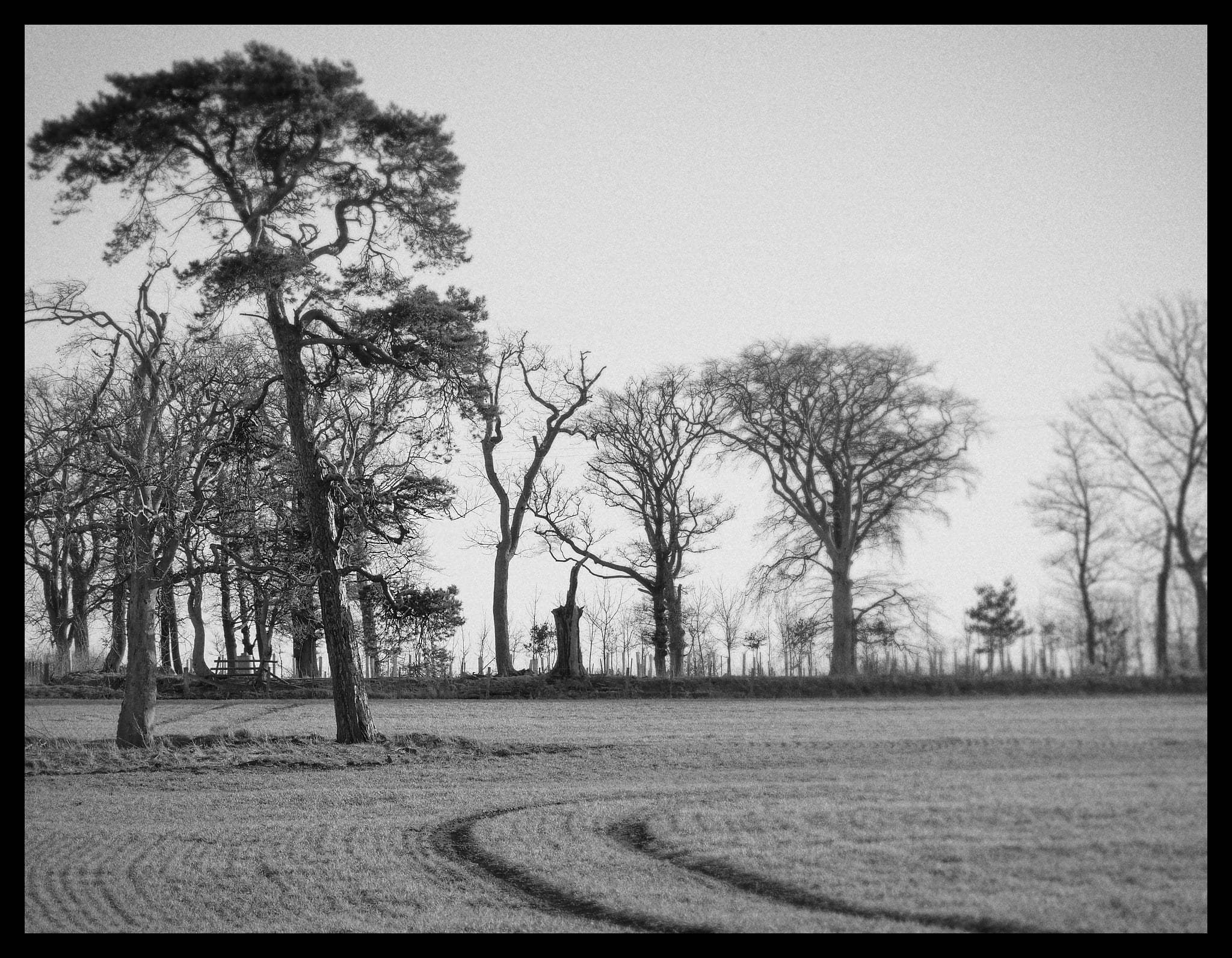
If other photographers are on location here, I usually give them priority for the right spot, as they are probably tourists; I can revisit the location in the following days and weeks. I’ve even invited photographers over to shoot at the spot where the sun will be behind the island’s lighthouse, or where the dolphins are swimming, thus foregoing my perfect shot. Why would I do that? If that approach rubs off on others, maybe it will be paid back in the future. Photographic karma! Moreover, sometimes it is good to forget the photography and enjoy being in the moment.
Care for Your Environment
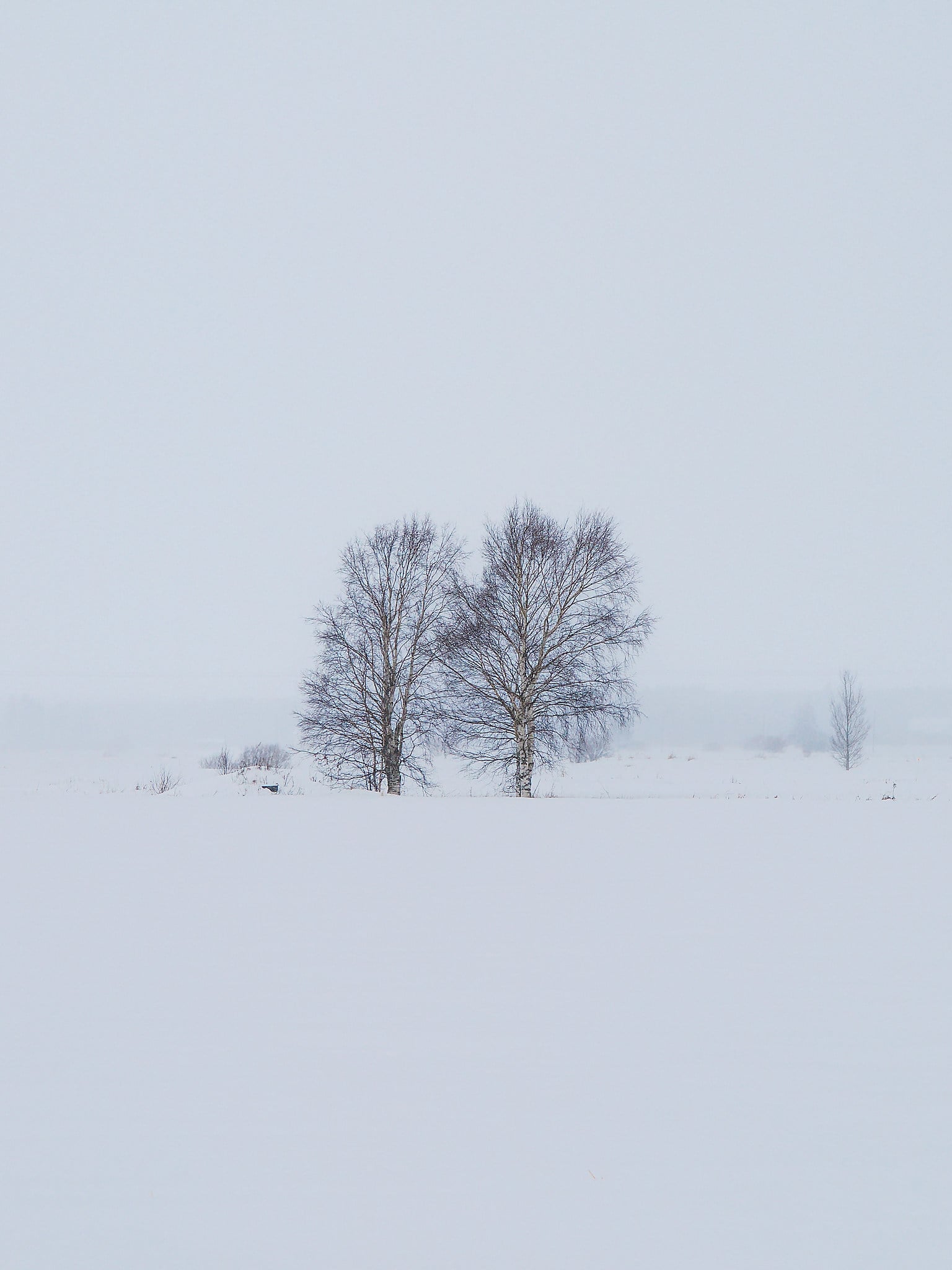
The old cliché, “take nothing but photos, leave nothing but footprints,” is missing something. I would add to it, “disturb nothing but the air.” As I mentioned in my previous article about photographing birds, leaving wildlife undisturbed is often critical to their survival. Nature is far more important than our photos.
Post‑Shoot Evaluation and Continuous Improvement
Planning doesn’t end with the photoshoot. I always review my results to refine my planning next time. Before consigning my failed shots to the recycle bin on my computer, I ask why some compositions were more effective than others and what I would do differently next time. If, like me, you try not to be formulaic in the photos you produce, then that discovery of what worked for you and what didn’t is essential.
In the next part, we will look at our creative intent, scouting the location, plus understanding the light, seasonality, and weather.