Historic Photos Show Wild Pole Sitting Craze From the 1920s
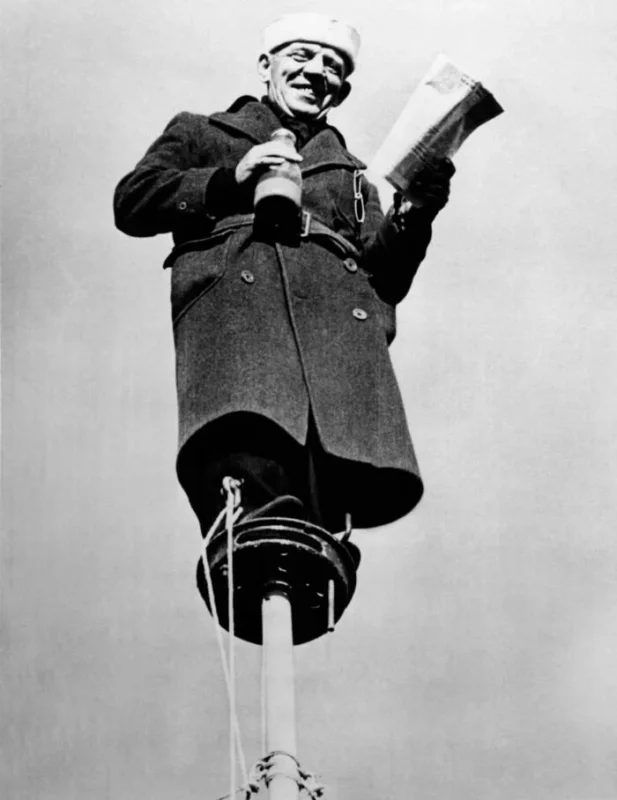
Occasionally, inexplicable fads break out, such as planking in 2011. In the 1920s, it was pole sitting — a test of endurance that saw people sitting on top of flag poles for extended periods.
As these historical photos show, it wasn’t for the faint-hearted. Alvin “Shipwreck” Kelly is credited with starting the craze after sitting on a flagpole in 1924 for 13 hours and 13 minutes.
Kelly began taking commissions to sit on poles, and was frequently photographed reading the newspaper or brushing his teeth while standing or sitting high up in the air.
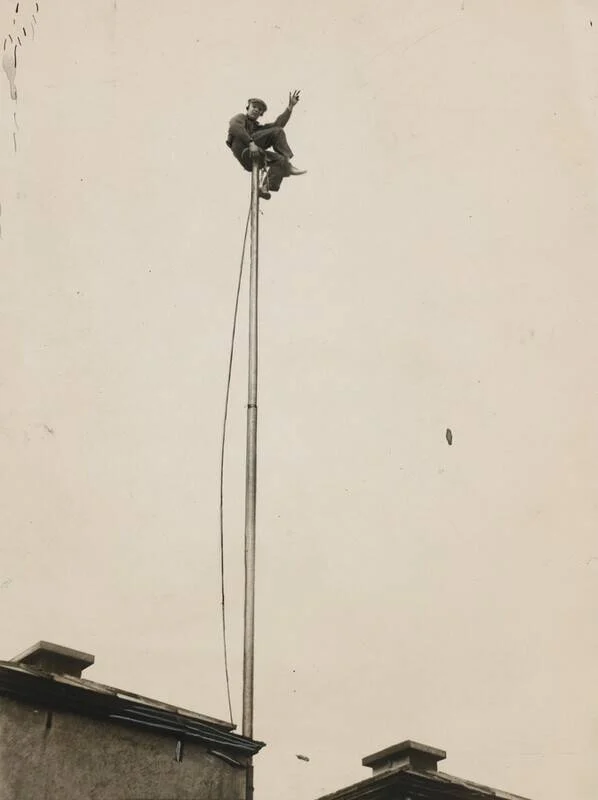
After other pole sitters took his record, Kelly sat on a flagpole for 49 days in Atlantic City in 1929.
“Shipwreck” Kelly developed a system to allow him to sleep and not fall off. His Wikipedia entry explains that he would put his thumbs in holes in the pole shaft, so if he swayed the pain in his thumbs would force him upright without waking up.
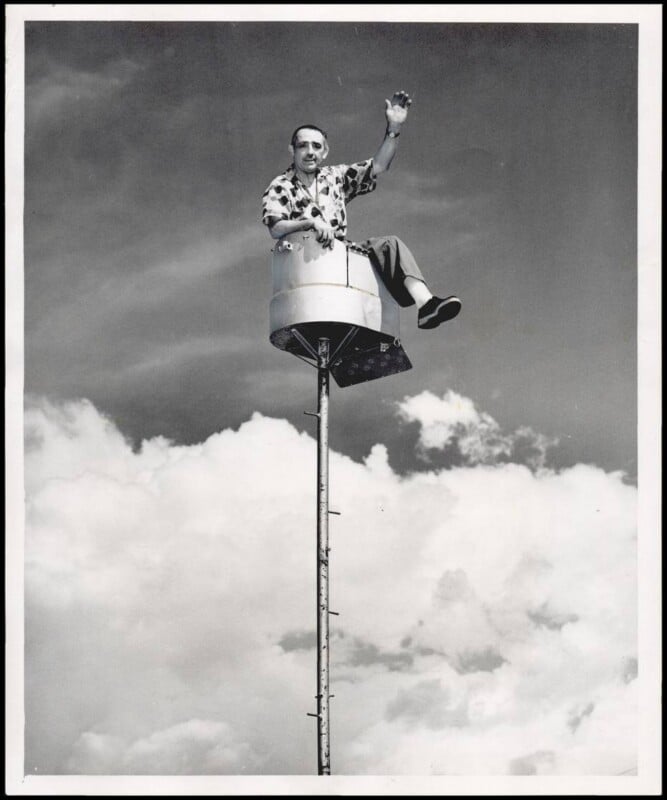
Kelly’s big pole-sitting rival was Richard “Dixie” Blandy, who most notably drank 92 bottles of whiskey during a 125-day sitting while also smoking three packs of cigarettes each day — all while sitting 200 feet off the ground.
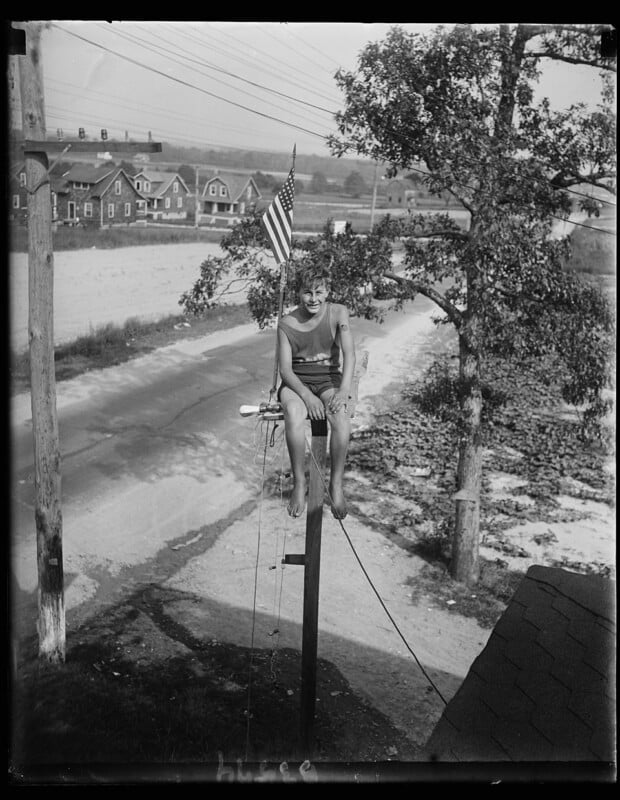
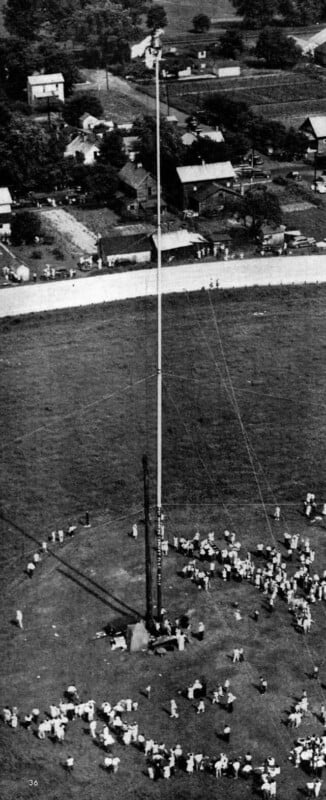
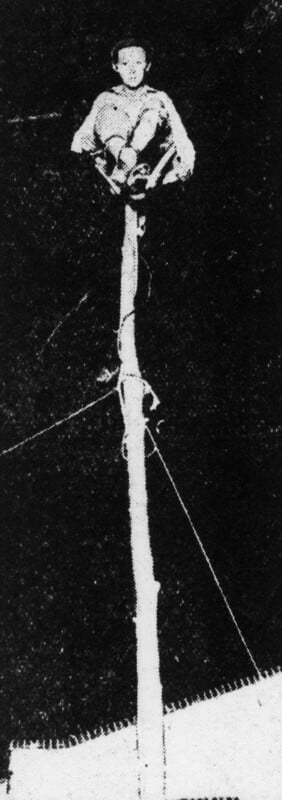
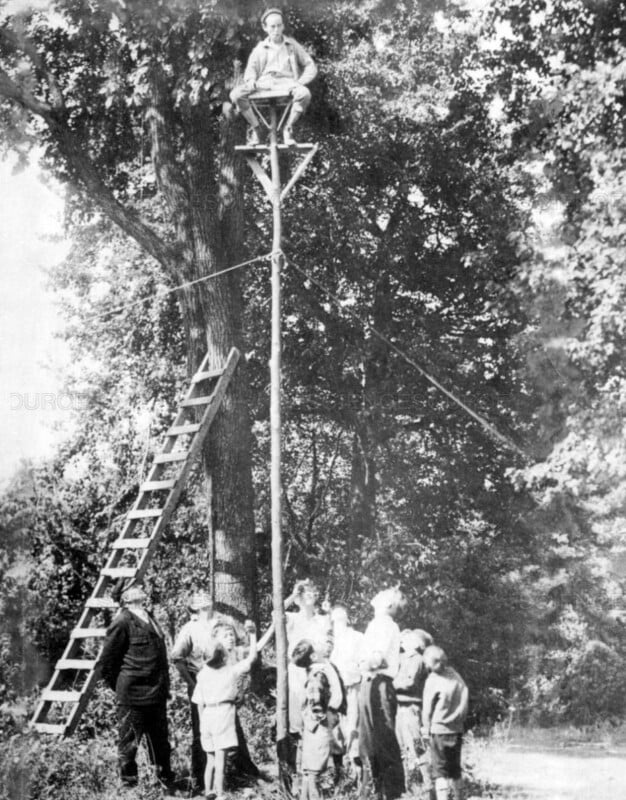
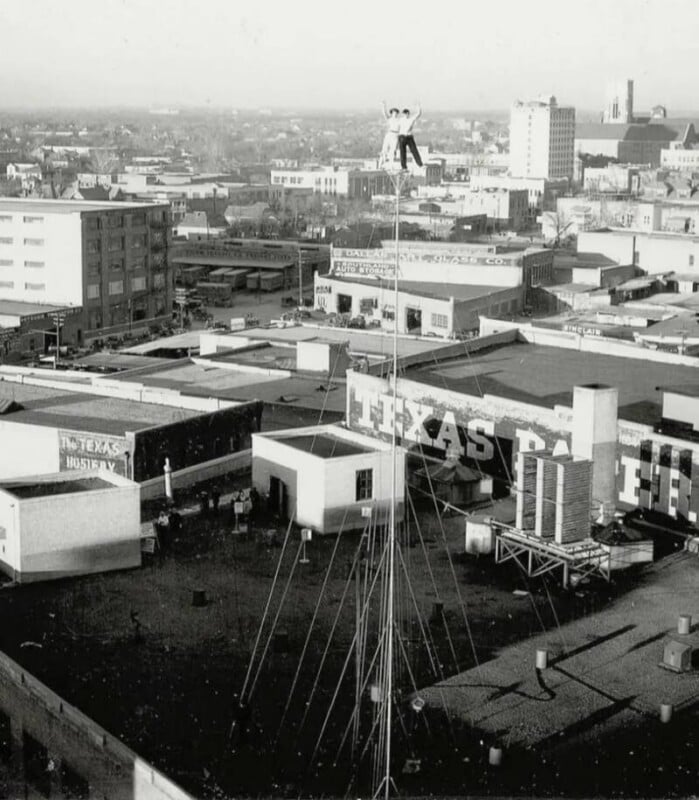
Although the pole sitting fad largely died out after the Wall Street Crash of 1929 and the ensuing Great Depression, it has periodically resurfaced. In 1946, one couple invited LIFE magazine to photograph their wedding on top of, you guessed it, a pole. The enterprising bride and groom even sold tickets to 1,700 viewers as they canoodled on a 176-foot pole.
All That Is Interesting notes that a man named John Roller sat atop a 40-foot pole in a Ford Fairlane 500 Skyliner for 212 days in Phoenix so he could win the car. While up in the air, he even wrote a song: Flagpole Rock.
“I feel just like a man who’s been through a war,” Roller told The Arizona Republic. “It’s over, and I don’t especially want to go through it again. I never worked so hard in my whole life as while I was up there.”
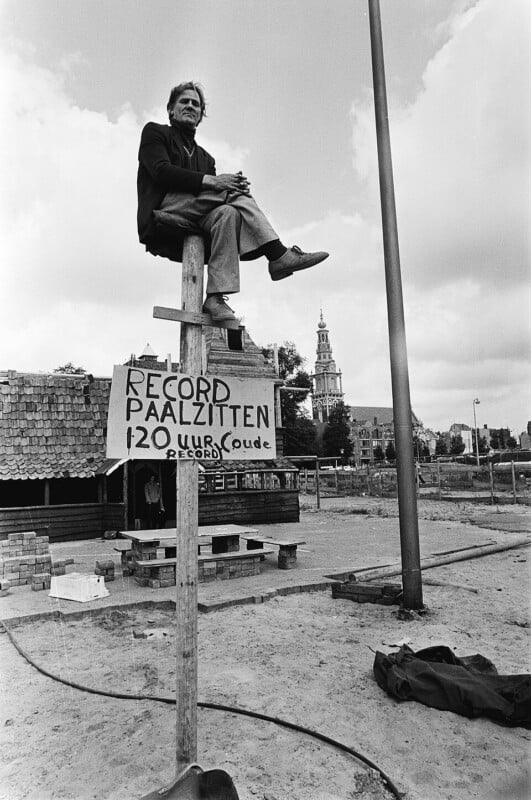
Pole sitting never reached the same heights as the 1920s, although Messy Nessy notes that it did become a competitive sport in the Netherlands in the 1970s, where it’s known as Paalzitten.
Image credits: Public Domain