With SanDisk Spun Off, WD is Reviving and Relaunching the G-Drive Brand
Now that SanDisk has been spun off into its own separate company, Western Digital (now known as just WD) is reinvigorating the G-Drive brand and transitioning all of the HDD products that used to be SanDisk Professional over to it.
Last year, WD spun off SanDisk and all of its SSD products so that it could focus entirely on making HDD products. Now that it can no longer use the SanDisk Professional brand, WD is reviving and reinvesting in the G-Drive brand, which wasn’t “dead” but had not seen significant investment in several years.
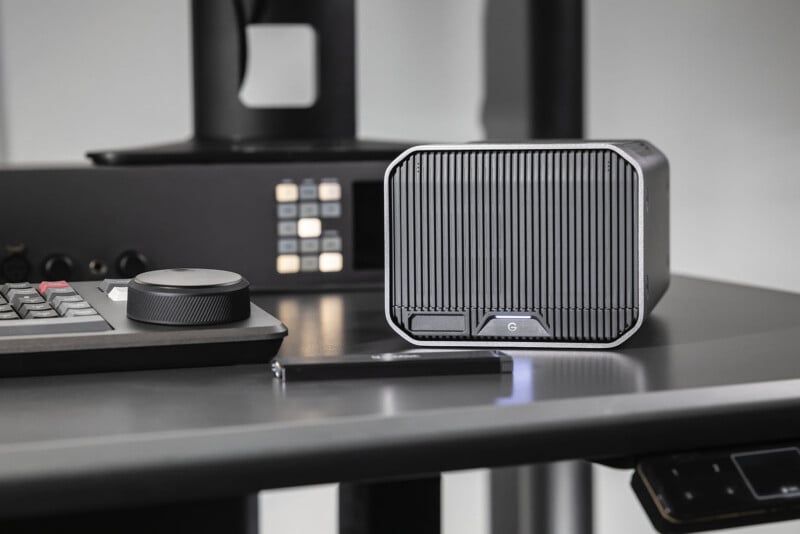
G-Drive was a series of products that, for years, lived under the G-Technology brand and included RAID arrays as well as standalone portable HDD products like the Armor ATD line. When SanDisk became the face of the brand for creators over the last half-decade or so, WD mostly let the “G” brand languish. But now that it needs its own creator-focused branding again, WD is bringing it back to the forefront.
“G-Drive has become synonymous with reliable, high-capacity, high-performance storage for all creatives and all stages, from enthusiast to professional,” Darrin Bulik, director of product management at WD, says in a press release. “By consolidating our content creator storage portfolio under this established and trusted brand, we’re honoring that legacy while leveraging WD’s industry-leading storage innovations to deliver the tools creators need to bring their vision to life. This commitment means more product choices now, and in the future, backed by the quality and reliability that creators depend on.”
The G-Drive product line is being relaunched with five new or newly revamped products.
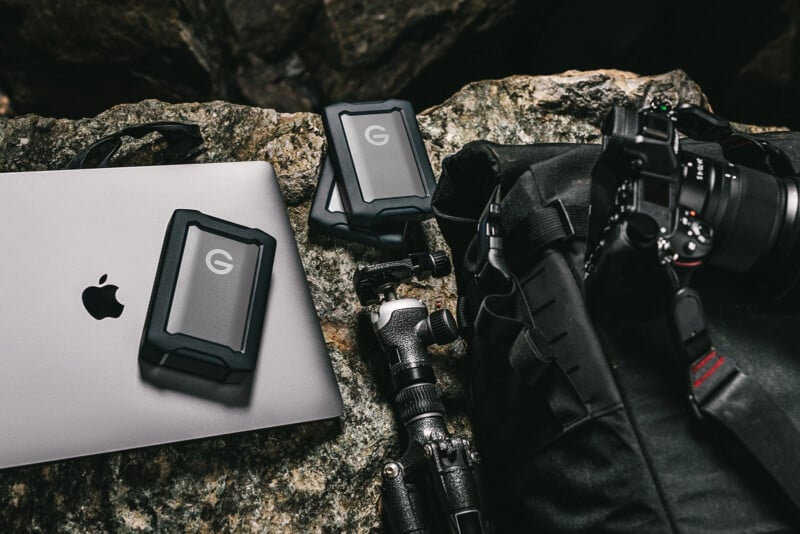
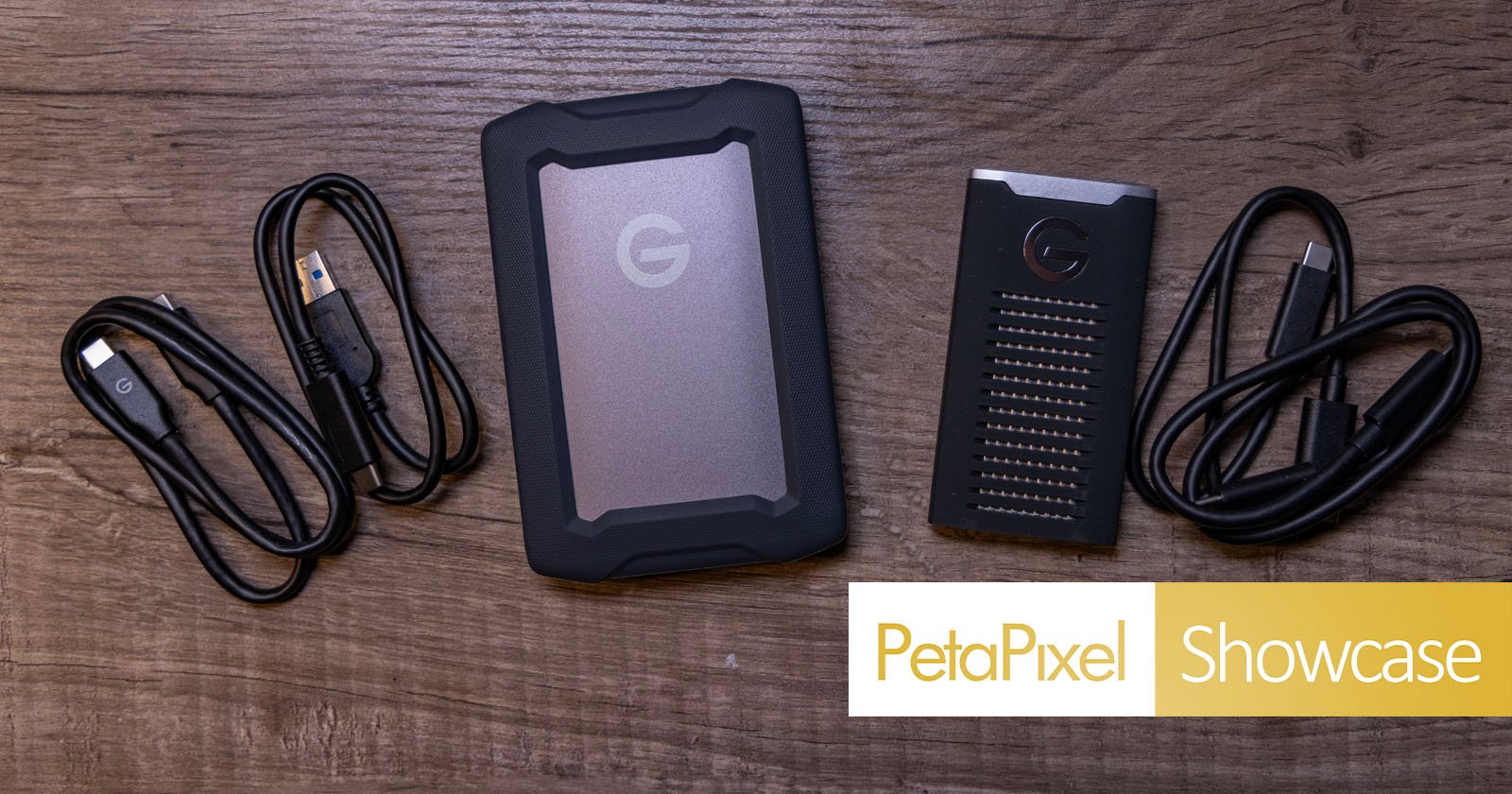
First is the G-drive ArmorATD, which is the brand’s lone portable drive at launch. It comes in capacities of up to 6TB, features triple-layer shock resistance, and has dust and water protection (IP54) thanks to an aluminum enclosure. The 6TB option will cost $240, but there are lower capacities at lower prices available.
Next is the equivalent of the self-titled album, the G-Drive. It is described by WD as a high-capacity desktop drive with an enterprise-class Ultrastar HDD that brings up to 26TB of capacity, promising fast transfer speeds and sustained performance for video editing, photo libraries, backup, and content archiving. The G-Drive 26TB offering is available for $750, while the lowest 6TB option costs $275.
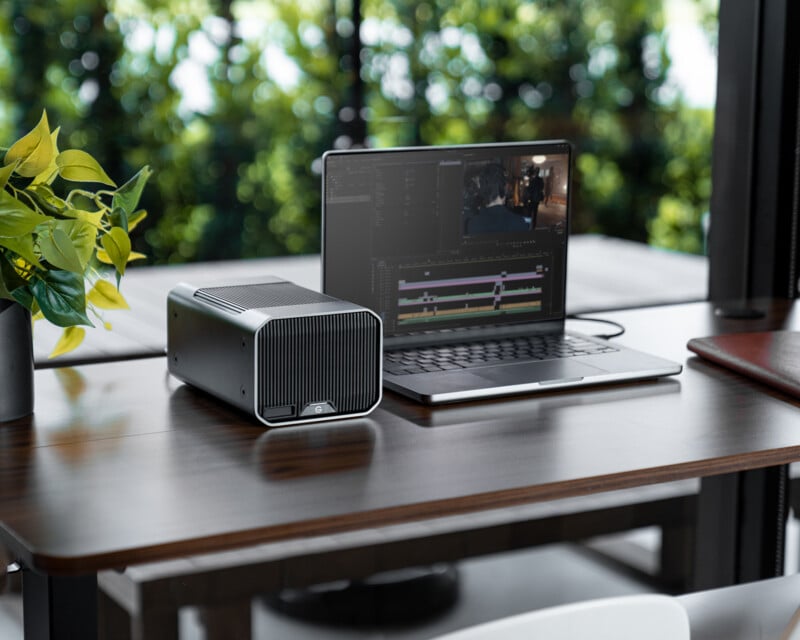
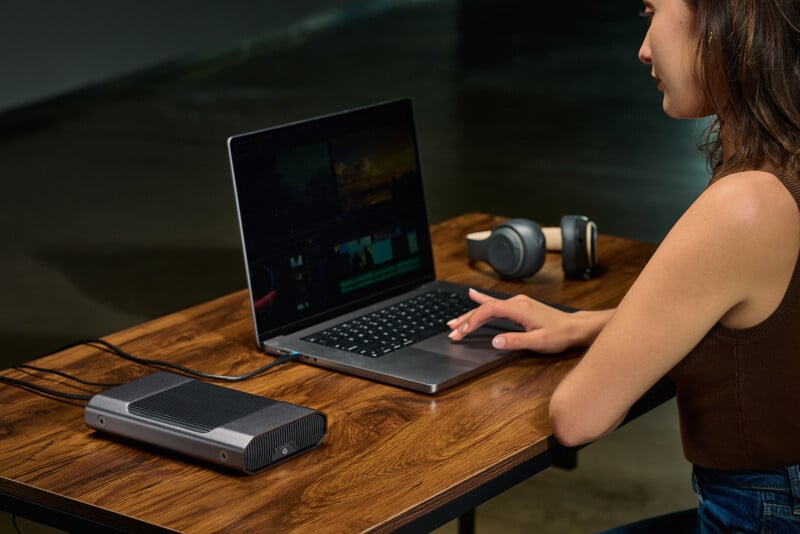
The G-Drive Project is a Single-bay Thunderbolt 3 desktop solution that boasts high-capacity and high-performance thanks to the use of the enterprise-class Ultrastar HDD, which provides up to 26TB of storage. The Project costs $1,000 for 26TB, but it is available for as little as $425 for 6TB.
It is joined by the Project 2, which WD describes as a “compact” two-bay Thunderbolt 3 RAID system that ships defaulted to RAID 0, with field-swappable Ultrastar drives for up to 52TB of storage. Project 2 starts at $935 for 16TB, with the 48TB option priced at $1,655. WD does not list a price for the highest capacity 52TB option at the time of writing.
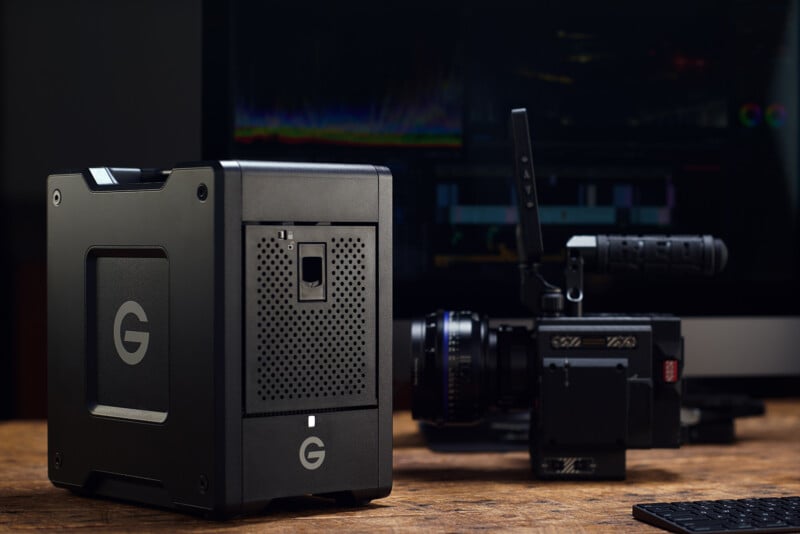
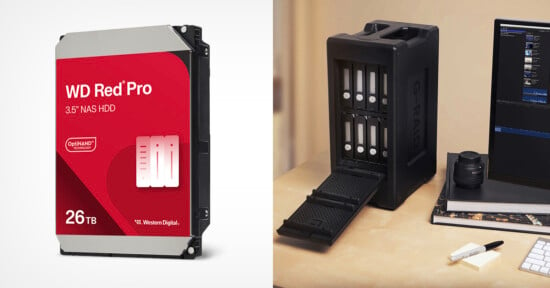
Finally, the Shuttle brand is also making a comeback with the G-RAID Shuttle 4 and Shuttle 8. These continue the legacy of the brand by being transportable storage arrays (4-bay and 8-bay) with hot-swappable Ultrastar drives for a maximum capacity of up to 208TB. They ship in default RAID 5, and promise high-speed connectivity for on-set data management and multi-camera productions. Shuttle 4 is available starting at $2,670 for 24TB and up to $5,000 for 104TB, while the Shuttle 8 starts at $4,335 for 48TB and up to $9,225 for 208TB.
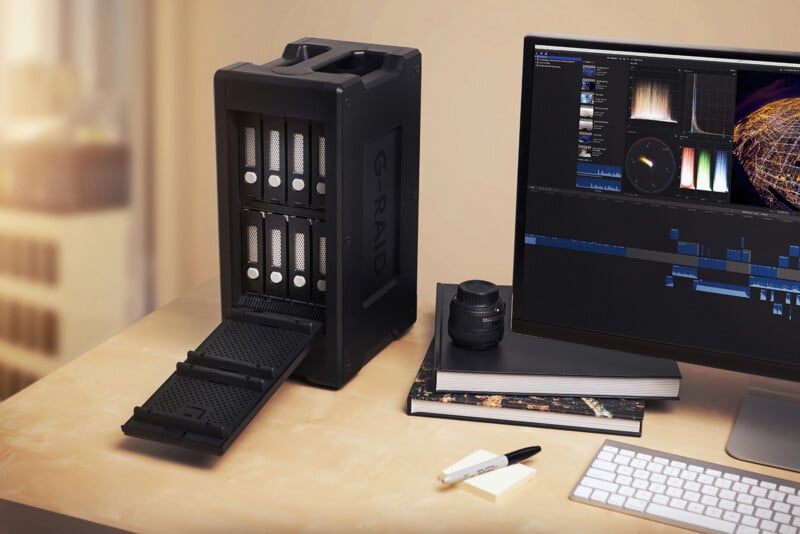
While existing SanDisk Professional HDD-based products will continue to receive full support and warranty coverage by WD, the future for the company is G-Drive.
Image credits: WD/em>