Nikon Brings Z Series Photo Lens Tech to Single Vision Eyeglasses

Nikon is bringing its Z Series photographic lens technology to single-vision eyeglasses.
The new Nikon-Essilor Corporation Z Series Single Vision single-focus lenses launched today and incorporate Nikon’s optical technology, which photographers are very familiar with. The Nikon Z Series Single Vision lenses promise to deliver improved resolution and contrast compared to traditional single-vision eyeglass lenses.
In a translated press release, Nikon-Essilor says Nikon’s optical technology delivers “a field of vision that allows people to more accurately appreciate the beauty and subtle differences of the world.”
As the name suggests, single-vision lenses provide a single focal length for the wearer, whether for long-distance vision, close-up tasks, or even just using a computer. When a person has myopia, or nearsightedness, they need lenses to see distant objects more sharply. Farsightedness, or hyperopia, requires the use of corrective lenses for close-up vision. People who require eyeglasses for both near and far vision often wear progressive lenses.
In Japan, over 80 million people wear eyeglasses, of whom approximately 63 million use single-vision lenses. That is roughly half of Japan’s total population, so about one in two Japanese people use single-vision lenses every day. While many of these people report being satisfied with their current glasses, further investigation found that many single-vision glasses wearers experience varying degrees of discomfort, including deteriorating night vision, difficulty seeing distant objects clearly, and slight differences in vision quality between the eyes.
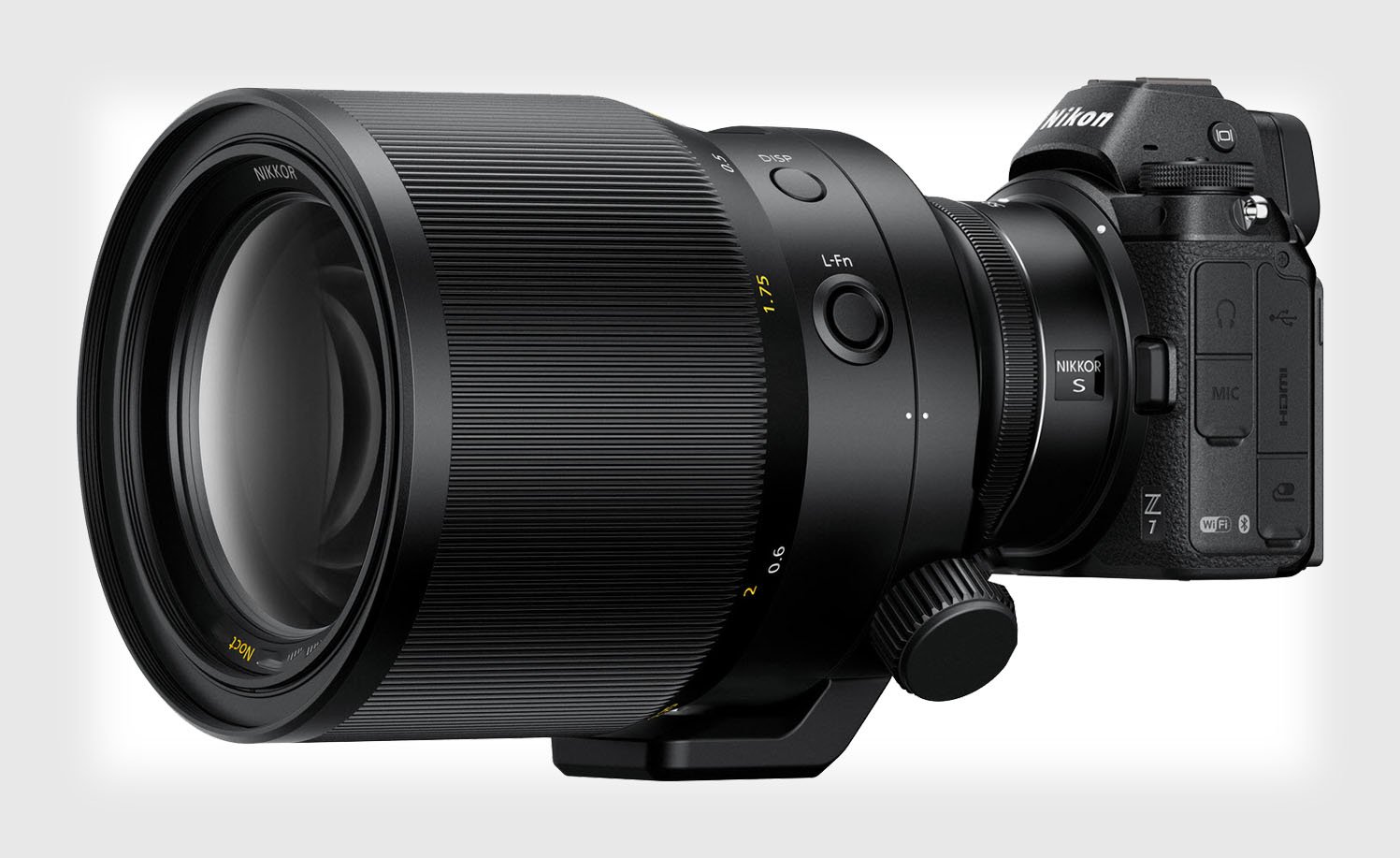
Nikon is, of course, an expert in making prime lenses for cameras, so bringing this expertise over to single-vision eyeglass lenses makes a ton of sense, especially given that the world’s largest eyewear company, EssilorLuxottica, is Nikon’s largest shareholder as of last fall. EssilorLuxottica has reportedly weighed an even larger investment in Nikon.
“Every day, we receive information, make judgments, and act unconsciously based on the ‘visible world.’ Vision may not be a prominent part of our lives, but it is certainly the foundation that supports the quality of our lives and how we spend them,” Nikon-Essilor Co., Ltd. says. “The Z Series Single Vision was developed with the aim of improving the field of vision for Japanese people, and we hope it will serve as an opportunity to reexamine the role of ‘seeing.'”
Nikon launched Z Series Progressives in 2024, embracing the modulation transfer function (MTF) contrast analysis technology developed for camera lenses to test and improve eyeglass lenses for people with presbyopia. This common age-related vision condition makes it harder for people’s eyes to focus on close objects. The new Z Series Single Vision lenses also rely upon MTF technology but are designed for a much broader range of people, those with myopia, hyperopia, astigmatism, and more.


For its new lenses, Nikon developed a new binocular contrast technology. As Nikon-Essilor explains, when people look through their eyeglasses, they do not use the entire eyeglass lens evenly. The area of the lens actually used “unconsciously varies” based on the direction and distance of the wearer’s gaze. Nikon’s new Z Series Single Vision lenses optimize contrast across different areas of the lens for how people actually use their glasses, including near the bridge of the nose for close-up vision and near the top for distant vision. These are the very first single focal length eyeglass lenses to incorporate binocular vision like this.
Nikon’s Z Series Single Vision eyeglass lenses are now available in Japan and will presumably make their way to the global market at some point, as Nikon’s other eyeglass lenses have.
It makes a lot of sense for a company with a rich heritage in photographic lenses like Nikon to make eyeglass lenses. Ultimately, achieving corrected, sharp vision requires exceptionally precise lenses and high-end optical technology. Who better to deliver than a company that makes incredible photo lenses? There’s a reason Leica is a big eyeglass lens manufacturer, after all.
Image credits: Nikon-Essilor. Elements of some images licensed via Depositphotos.