Jewish Baby, Whose Photo was Used on Nazi Magazine as ‘Aryan Ideal,’ Dies at 91
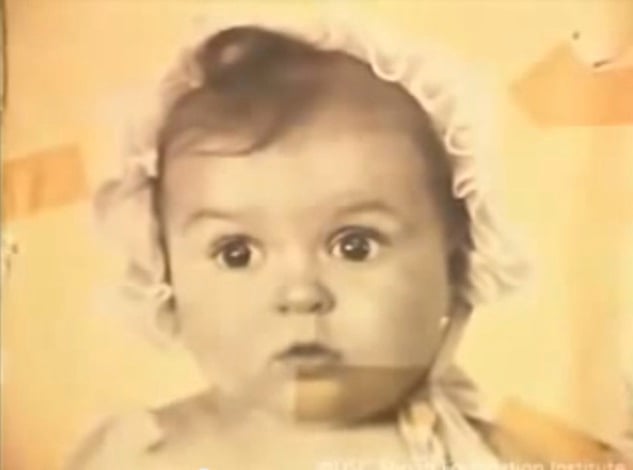
Hessy Levinsons Taft, the Jewish infant whose photograph was unwittingly featured on a 1930s Nazi magazine as the image of the “perfect Aryan baby,” has died.
Taft died at the age of 91 on January 1 at her home in San Francisco. Her death was confirmed by her family, according to an obituary by The New York Times.
The photograph that made her famous — and placed her family in danger — was taken in 1934, when Taft was six months old. Her parents, Latvian Jewish opera singers living in Berlin, had brought their baby to the studio of Hans Ballin, a well-known German portrait photographer, to have her picture taken. Afterward, they framed the portrait and displayed it on their piano at home.
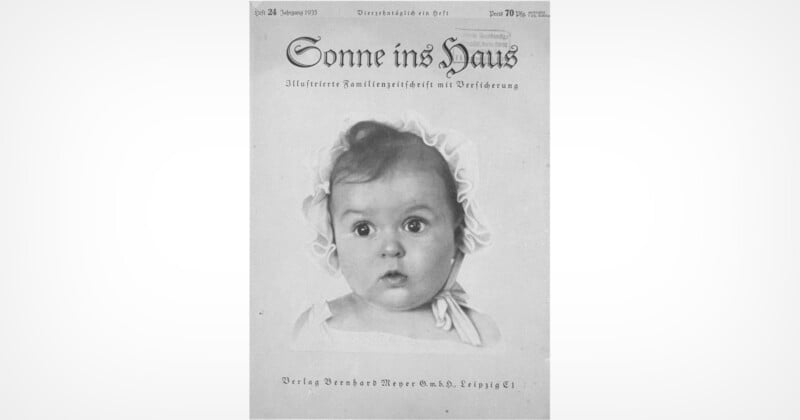
Some time later, the family’s house cleaner recognized the image. She told Taft’s mother that she had seen the baby on the cover of a magazine. The publication was Sonne ins Haus, a pro-Nazi magazine that circulated widely in Germany after Adolf Hitler’s government shut down thousands of other publications.
A Portrait Photographer’s Dangerous Prank
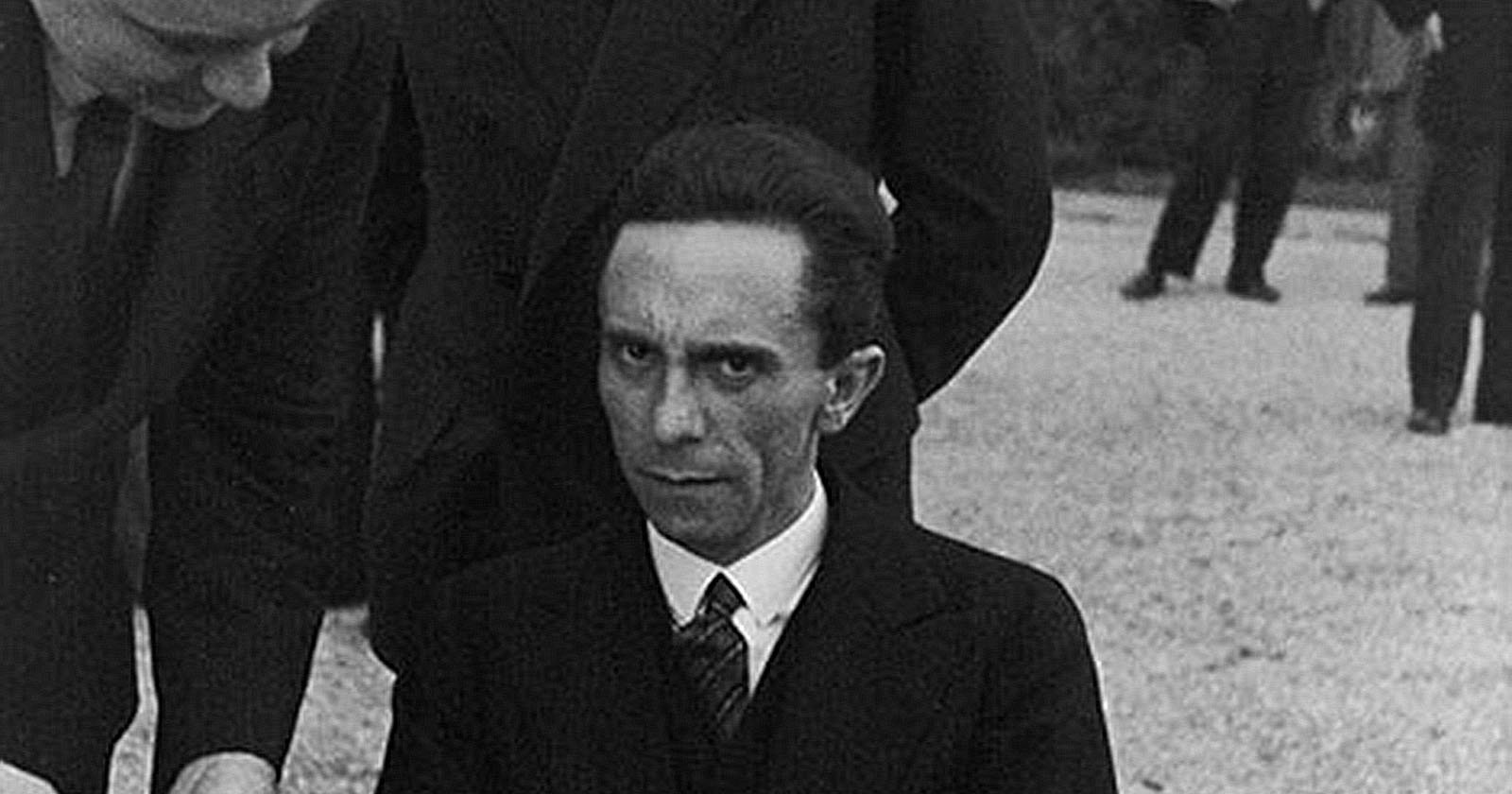
Unbeknown to the family, Ballin had submitted the photograph to a Nazi-run competition seeking images of babies who represented the supposed ideal of the Aryan race. The winning image was selected by Adolf Hitler’s Nazi propaganda minister Joseph Goebbels. Taft’s photograph appeared on the magazine’s cover in January 1935 and was later reproduced in ads, postcards, and homes across Germany.
When Taft’s parents confronted Ballin, the famed photographer admitted that he knew the baby was Jewish when he submitted the images. According to accounts later shared by Taft, Ballin described the submission as a deliberate act meant to expose what he saw as the absurdity of Nazi racial theories.
“With her heart palpitating at what seemed like double the normal rate, my mother rushed to the photographer… and blurted out, ‘How did this happen?’” Taft revealed, according to the obituary in The New York Times. “But you knew that this is a Jewish child,” Taft’s mother further told the photographer.
Ballin replied, “I wanted to allow myself the pleasure of this joke,” and then added, “You see, I was right. Of all the babies, they picked this baby as the perfect Aryan.”
Ballin urged Taft’s distressed mother not to draw attention to the matter. The photographer warned that if the truth were discovered, he could be sent to a concentration camp, and that Jews and non-Jews alike were being arrested. He explained that the editors of the Nazi magazine had been instructed to run the “most beautiful Aryan baby” competition and had asked ten photographers to submit ten baby portraits each, with Goebbels personally choosing the winner. Taft later recounted her mother’s terror.
A Secret Kept for Decades
Fearing severe punishment or execution if their daughter’s identity were uncovered, Taft’s parents kept her indoors and avoided taking her out in public. Although they were Latvian citizens — which offered some protection under Nazi racial laws at the time — they remained terrified that the regime would discover the truth. Later, in 1937, as Nazi control intensified, the family left Germany and returned to Latvia. They later fled through Paris, Nice, and Cuba, eventually settling in New York City in 1949. Throughout those years, the family kept the story secret.
Taft did not speak publicly about the photograph until decades later. In 1987, she revealed the story in Muted Voices: Jewish Survivors of Latvia Remember, a collection of essays edited by Holocaust survivor and historian Gertrude Schneider. Taft preserved three copies of the magazine featuring her photo: one was donated to the United States Holocaust Memorial Museum in 1990, another to Yad Vashem in Israel in 2014, and a third remains with her family. In later life, Taft described the photo as a form of symbolic justice and a source of pride for her family.
“Now I can laugh about it,” she said in 2014, according to another obituary to The Times of London. “But if the Nazis had found out who I really am, I wouldn’t be alive today.”