Court Grants Summary Judgment in Aerial Photographer’s Lawsuit Over Manhattan Skyline Image
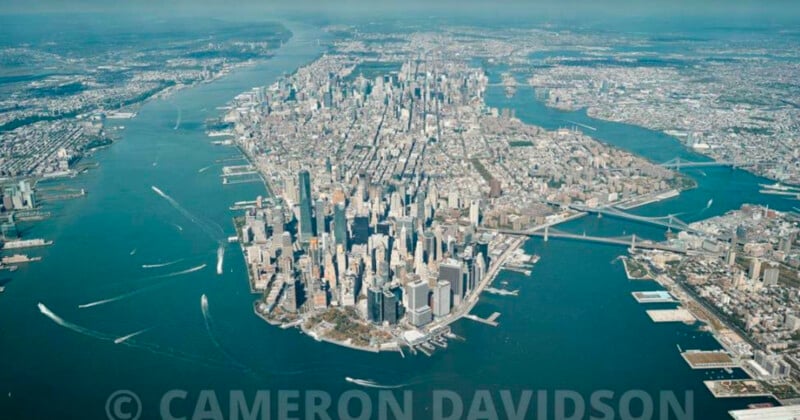
An aerial photographer has secured a favorable ruling in a copyright infringement case after a clothing retailer used his image of the Manhattan skyline on its website without permission.
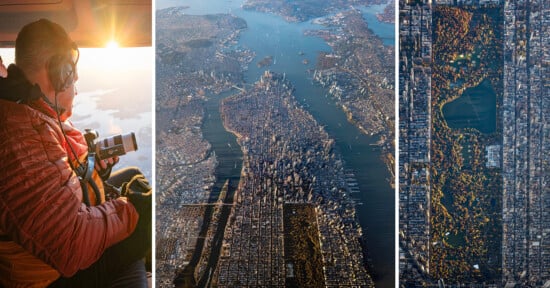
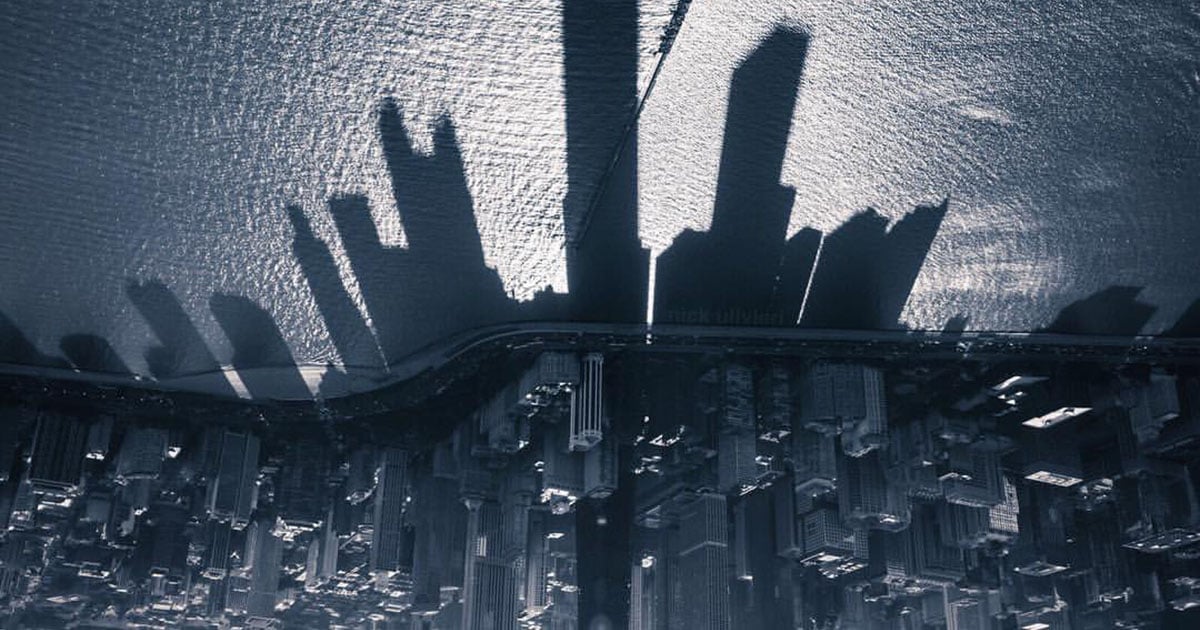
Bruce Cameron Davidson is a photographer who specializes in landscape and aerial images. In 2014, he took an aerial photograph of the Manhattan skyline and later registered the image with the U.S. Copyright Office. In October 2024, Davidson filed a lawsuit against Blankenship Dry Goods LLC, accusing the company of displaying his image to promote its products without a license. Davidson also claimed that Blankenship removed his copyright management information (CMI) by deleting the watermark.
According to legal reports, Blankenship initially moved to have the case dismissed on the pleadings, arguing that its use of the image constituted Fair Use. The district court denied this motion to dismiss, allowing the case to proceed to discovery. While an interlocutory appeal was initially filed by the defendant, it was subsequently withdrawn following a change in legal counsel.
Following the exchange of evidence, the New York federal court granted Davidson’s motion for summary judgment on liability for both copyright infringement and the removal of CMI, according to Vital Law. The court noted that because the defendant admitted to the elements of prima facie infringement during deposition testimony and provided no evidence to challenge the copyright registration, Davidson owned the copyright as a matter of law.
The court further ruled in Davidson’s favor regarding the removal of CMI. The original photograph displayed a watermark identifying Davidson, and Blankenship’s owner acknowledged during his deposition that he understood what the watermark represented. The court has declined to determine the amount of statutory damages at this stage.
Davidson has filed other copyright lawsuits in recent years involving unauthorized uses of his aerial photographs. In June 2024, he sued Howard University, accusing its student newspaper The Hilltop of publishing his aerial image. The student newspaper allegedly used his photograph of Howard University in an article about a gas leak published in 2018. The case was settled out of court.
Davidson has also brought a separate lawsuit involving an aerial photograph he took of Apple’s headquarters in Silicon Valley. In that case, he alleged that 925, LLC, which operates several high-traffic websites, copied and distributed his image to advertise its products and services without permission. The case was similarly settled out of court.
Update on 1/15/26: This article has been updated with further information on Davidson’s previous lawsuits.
Correction on 2/28/26: An earlier version of this article’s headline and text stated that the photographer “proved” infringement and that the court “rejected” the defendant’s Fair Use argument. The article has been updated to clarify that liability for infringement was established via summary judgment following admissions made during deposition, rather than through a trial of facts. Furthermore, the court’s initial ruling regarding Fair Use was a denial of a motion to dismiss on the pleadings, not a final rejection of the defense’s merits. The subsequent appeal regarding this motion was withdrawn by the defendant, not dismissed by the court. We regret these technical inaccuracies regarding the procedural history of the case.
Image credits: Header photo via court documents.