The Best Trail Camera Photos of 2025

From a rare big cat once thought extinct, to breathtaking images captured by remote cameras deep in the Congo rainforest, and footage from a trail camera left inside a grizzly bear den for ten years, trail cameras recorded some truly remarkable images in 2025.
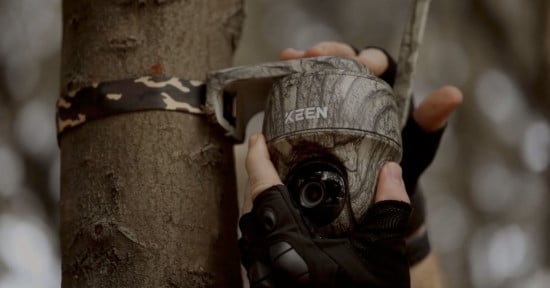
Trail cameras, also known as remote cameras, first became popular in the 1980s. Over the last few decades, trail cameras have provided an unparalleled window into the secret lives of wildlife, revealing aspects of nature that were previously hidden from human eyes.
These are PetaPixel’s picks of the best trail camera photos of the last year.
Trail Camera Records Haunting Lynx Calls
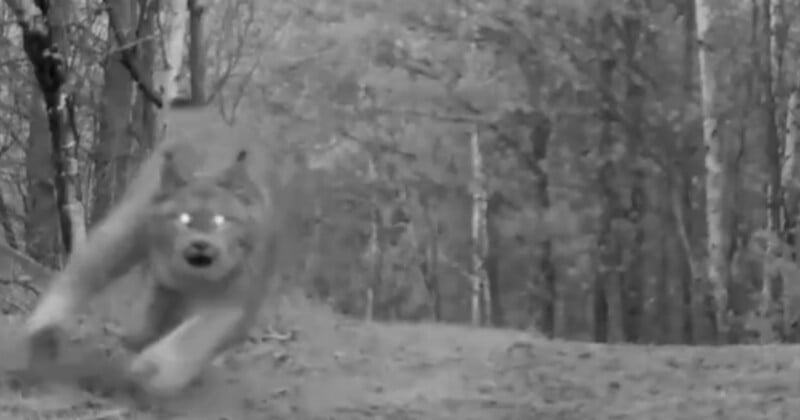
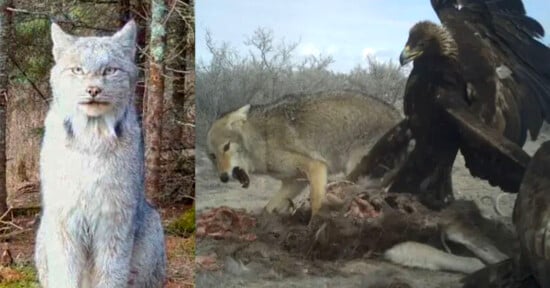
A trail camera captured a rare encounter between two elusive Canada lynx, documenting a tense standoff accompanied by their eerie, echoing calls. The footage was recorded by cameras installed by the Chik-Wauk Museum and Nature Center in Grand Marais, Minnesota. It shows the two lynx exchanging haunting vocalizations in a dramatic and seldom-seen interaction.
Photographer Puts Camera Traps Deep in Rainforest

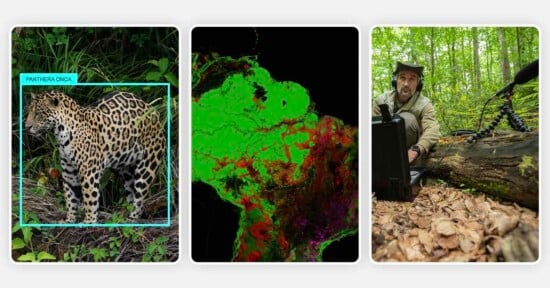
Photographer Will Burrard-Lucas spent a year operating remote cameras deep in the Congo rainforest, capturing some of the region’s most elusive wildlife in stunning detail. The dense Central African jungle offers plenty of hiding places for forest elephants, golden cats, and red river hogs, making them incredibly difficult to photograph. He notes that the thick vegetation makes it risky to wander with a camera, as a person could unknowingly come face-to-face with a wild animal.
“The rainforest is teeming with life, yet so much of it remains unseen. Camera traps provide a rare window into a hidden world,” Burrard-Lucas told PetaPixel, highlighting how this technology allows a glimpse of animals that are rarely spotted by humans.
Photographer Leaves Trail Camera in Cave for 10 Years
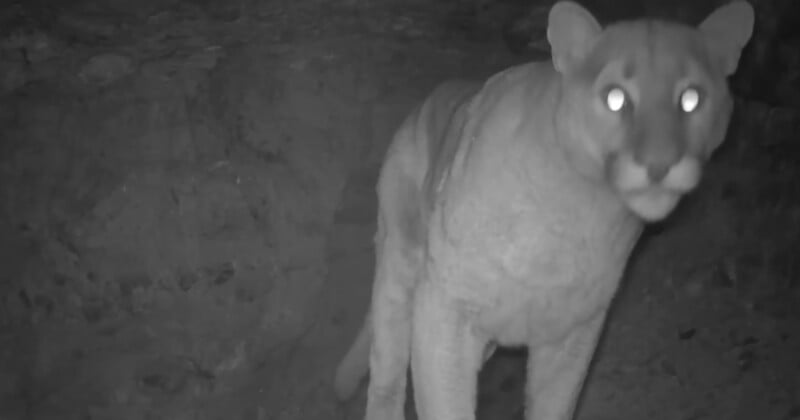
A trail camera left inside an old grizzly bear den near Yellowstone National Park for more than ten years captured an extraordinary record of wildlife activity from within the cave. Wildlife photographer and filmmaker Casey Anderson, known as the “Grizzly Guy,” placed the camera in the abandoned den back in 2013. Aware that grizzly bears had once used the site, Anderson hoped the animals might return.
Anderson installed a Reconyx Ultrafire camera trap and left it in place long enough to record any wildlife that ventured inside. Over the years, the camera quietly documented all sorts of creatures that entered or passed by the den. Anderson shared the remarkable decade-long footage on his YouTube channel Endless Venture this year.
The ‘Possibly Extinct’ Sand Cat
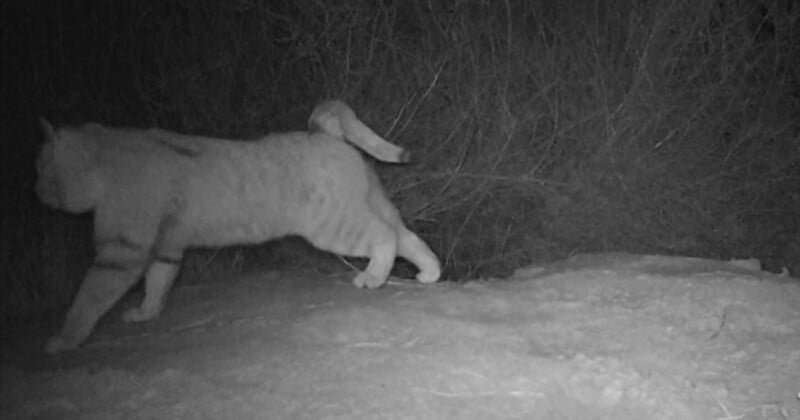
This year, a camera trap captured a sand cat — a rare big cat that was once considered to be extinct. The Pakistani sand cat, the smallest of all wildcats, remains one of the least understood feline species and is classified as “possibly extinct” by the International Union for Conservation of Nature (IUCN). About the size of a domestic cat, these elusive creatures are notoriously difficult to spot, thanks to their remote desert habitats.
The World’s Most Elusive Cat
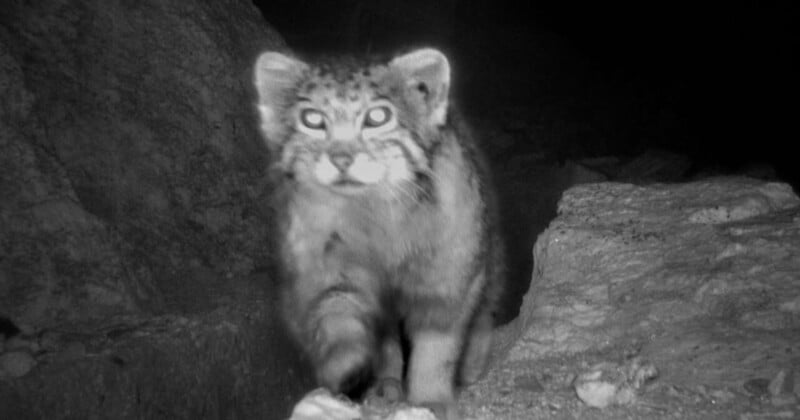
Trail cameras captured several rarely-seen cats in 2025, including the extremely elusive Pallas’s cat. Researchers from the Snow Leopard Trust set up cameras in the rocky habitats of Himachal Pradesh, India, and recorded the first-ever photographic evidence of the little-known Pallas’s cat, also called a Manul, in the region.
The images, taken from three camera trap sites at elevations up to 13,500 feet in the Himalayas, show the secretive feline walking along a mountainous trail, its short legs, dense fur, and flat ears clearly visible. These photographs offer a rare glimpse into one of the world’s most elusive cats, even more reclusive than the snow leopard.
A Brown Bear in ‘Non-Bear’ Country

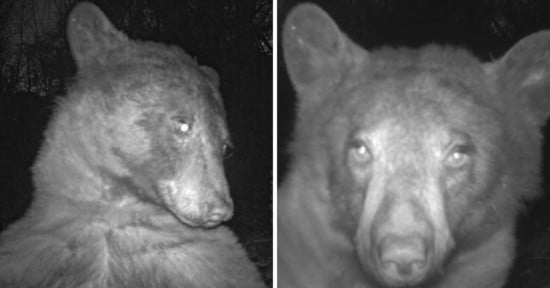
A Lithuanian photographer was astonished when his remote trail camera recorded a brown bear in a region where the species is so scarce that it was once thought to be extinct.
Marek Kislovskij captured the bear moving through the forests of the Salcinikai district, near the Belarusian border. Lithuania once had a thriving brown bear population, but, as in many parts of Europe, numbers have dropped due to overhunting and the loss of natural habitat. In April, Kislovskij shared the footage on Facebook, describing the sighting as a “rare and unusual encounter.”
Camera Trap Reveals First Wild Pine Martens in a Century
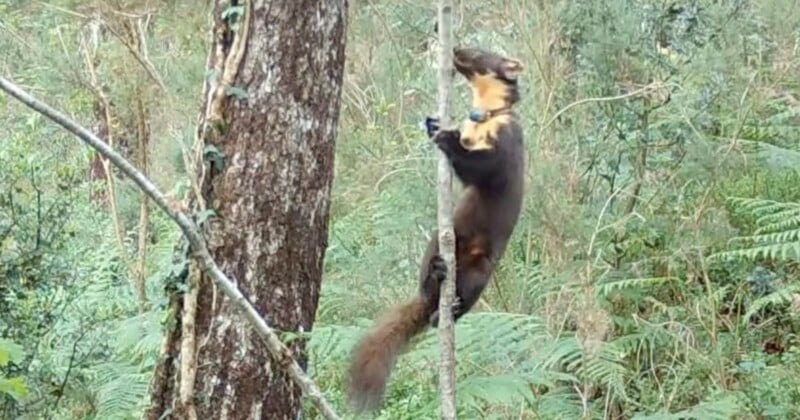
Camera traps captured the first wild baby pine martens seen in over 100 years, confirming the species is successfully breeding again in southwest England. The adorable footage shows the playful kits chasing each other through the woods, a milestone for the reintroduction project that began last autumn with the release of 15 pine martens in Dartmoor, Devon. The Two Moors Pine Marten Project, run by Devon Wildlife Trust, led the effort to reintroduce pine martens to Devon. Local volunteers have spent months tracking the elusive, cat-sized mammals, setting up den boxes, and using camera traps to monitor their movements and progress.
Image credits: Header photo via (from left to right) Wildlife Wing-Himachal Pradesh Forest Department and Nature Conservation Foundation and Will Burrard-Lucas in collaboration with the Wildlife Conservation Society.