Why Choosing the Right Camera Card Is Essential for Professional Photography
In modern photography, nearly every part of the workflow has evolved at an incredible pace. Sensors are larger, resolutions are higher, and video formats now reach deep into 8K and beyond. Yet one of the smallest pieces of gear in your bag plays one of the biggest roles in whether your camera can take full advantage of that power: the memory card. For professional photographers, choosing the right media is not a convenience. It is a critical decision that affects performance, reliability, data safety, and ultimately the quality of the work you deliver.
Full disclosureThis story was brought to you by OWC.
A memory card is the first link in your data pipeline. When that link slows down or fails, the entire workflow suffers. Missed frames, reduced burst rates, dropped video frames, and unpredictable offload speeds can compromise a shoot in ways that cannot be fixed in post-production. This is why the right card and the right reader are essential tools for every working photographer.
Today’s Cameras Demand Fast Media
Professional cameras today generate enormous amounts of data. A single high-speed burst from a 45-megapixel body can create hundreds of megabytes of RAW files in seconds. High bitrate 4K and 8K internal video recording places even heavier demands on sustained write speeds. If your card cannot keep up with these data streams, the results are immediate and painful.
Using a card that is too slow or not designed for your camera can lead to:
- Smaller burst sequences
- Slower buffer clearing
- Unexpected recording stops
- Overheating and throttling
- Corrupted files
- Missed moments
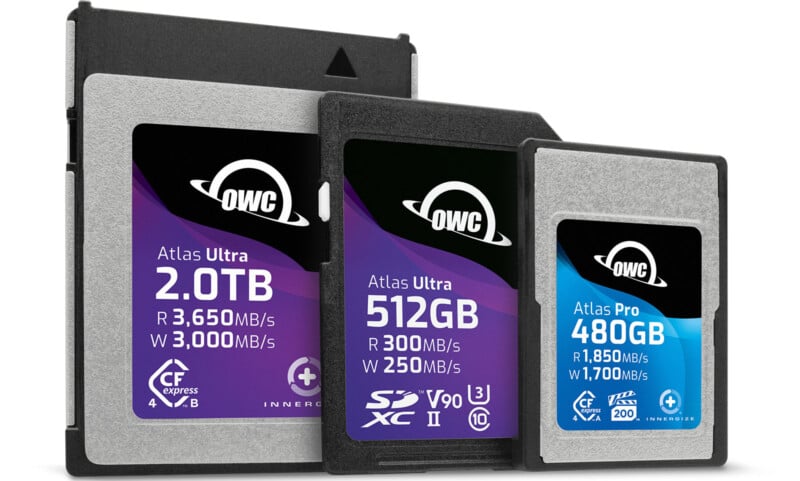
This is why many photographers now rely on CFexpress and V60 or V90 SD cards like OWC Atlas that are built for sustained, not just advertised, write performance.
Reliability Matters More Than Headline Speed
Speed enables performance, but reliability protects your work. A memory card must handle repeated cycles of high-speed writing, sudden power interruptions, extreme temperatures, and years of use without failing. For professionals, this durability is not optional. The cost of a failed card can be measured not only in lost images, but in the lost trust of a client.
OWC’s Atlas line is known in the professional space for offering performance that holds up under real workloads. Unlike consumer cards that may hit high peak speeds then throttle, Atlas cards are designed for sustained throughput, stability, and endurance in demanding environments. This is why they have become a favorite among photographers who shoot action, weddings, sports, wildlife, and commercial work where the camera never gets a break.
Real-World Examples Using OWC Atlas Cards
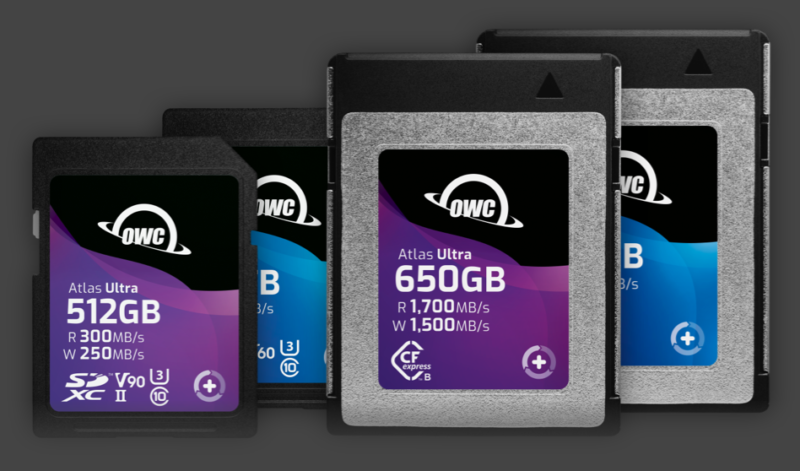
OWC Atlas Pro and Atlas Ultra CFexpress Type B
For cameras from Canon, Nikon, Panasonic, and other systems that rely on CFexpress Type B, Atlas Pro and Atlas Ultra cards deliver the sustained speeds needed for continuous RAW bursts and high-bitrate video formats. Atlas Ultra Type B cards, in particular, support long 8K RAW recording sessions without the dips that cause many cards to fail mid-take. The Atlas Ultra Type B cards are RED APPROVED, meaning they meet the performance and reliability standards required for cameras like RED KOMODO-X and other advanced cinema workflows.
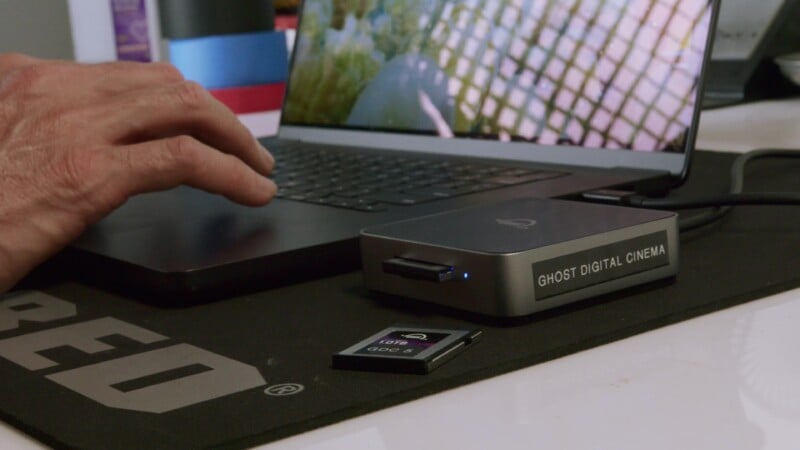
These cards are rigorously tested across major camera bodies to ensure predictable behavior and maximum performance.
OWC Atlas Pro and Atlas Ultra CFexpress Type A
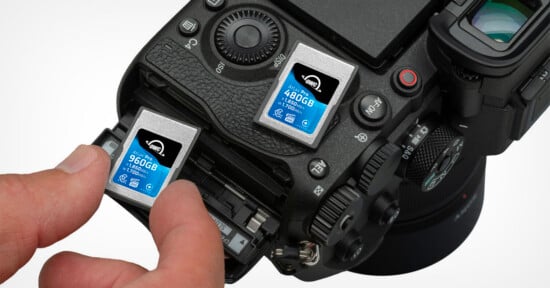
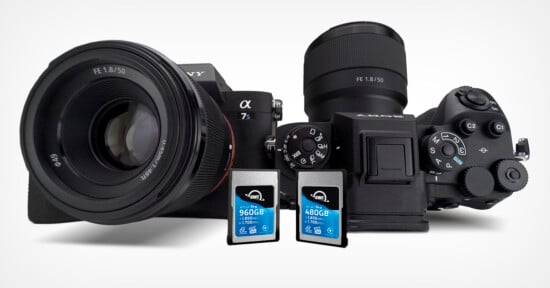
Sony mirrorless cameras use the smaller CFexpress Type A format, and OWC offers Atlas cards purpose-built for the unique speed and thermal requirements of models such as the Alpha 1, A7S III, A9 III, FX3, and FX6. These cards provide the sustained performance needed for 4K and 8K capture, S&Q frame rates, and rapid stills bursts that would overwhelm slower media.
The result is smoother recording, longer takes, and more consistent performance on set.
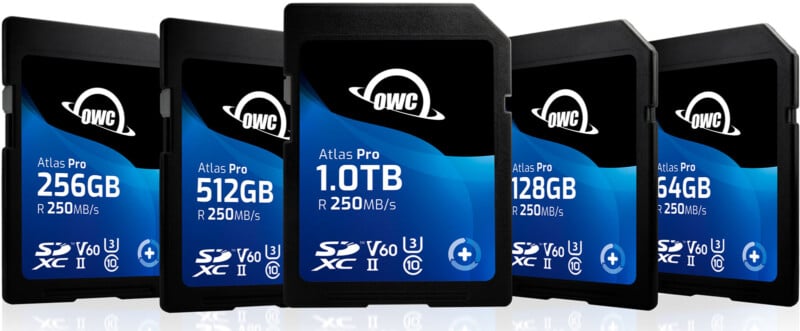
OWC Atlas Pro SD V60 and V90
For hybrid creators and event photographers who rely on SD media, Atlas Pro V60 and V90 cards provide stable, predictable write speeds for 4K and high frame rate recording. Many SD cards can hit top speeds only briefly before slowing down. OWC’s cards maintain consistent throughput, which is crucial during long time-lapses, multi-cam shoots, or continuous bursts.
The Reader Matters as Much (if not more) as the Card
Photographers often select fast, reliable cards but overlook the importance of pairing them with the right card reader. A reader is the first device your images and video touch after they leave the camera, and it plays a major role in how fast and how safely your data is transferred. A slow or unstable reader can bottleneck your workflow, cause overheating during transfers, or compromise file integrity during large offloads.
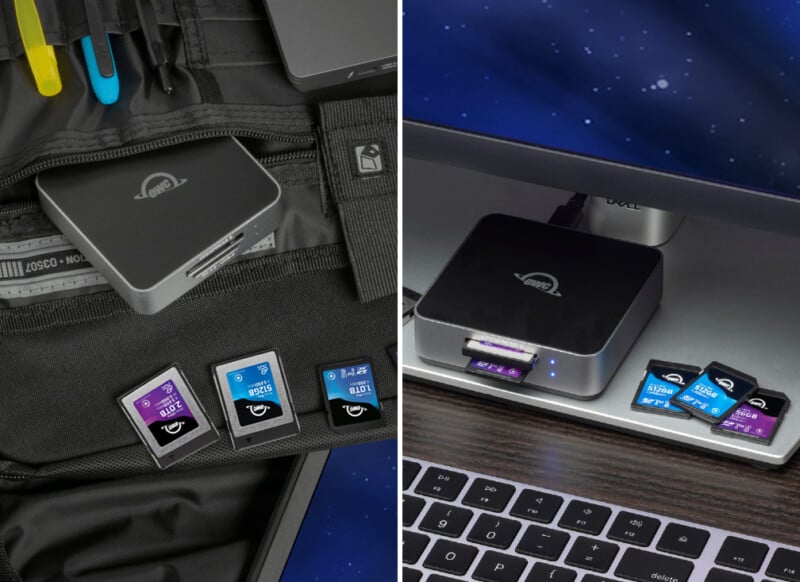
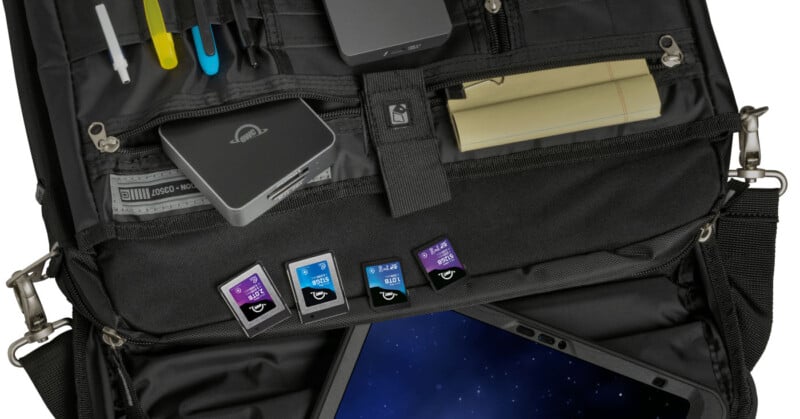
OWC’s Atlas readers are designed specifically to handle the speeds that today’s CFexpress and SD cards are capable of. When paired with Atlas Pro or Atlas Ultra cards, these readers deliver some of the fastest and most stable offload speeds, up to 5000MB/s, in the industry. Unlike many generic readers that drop speed once heat builds up, Atlas readers maintain consistent performance across entire offloads, even when transferring hundreds of gigabytes of RAW files or 8K footage.
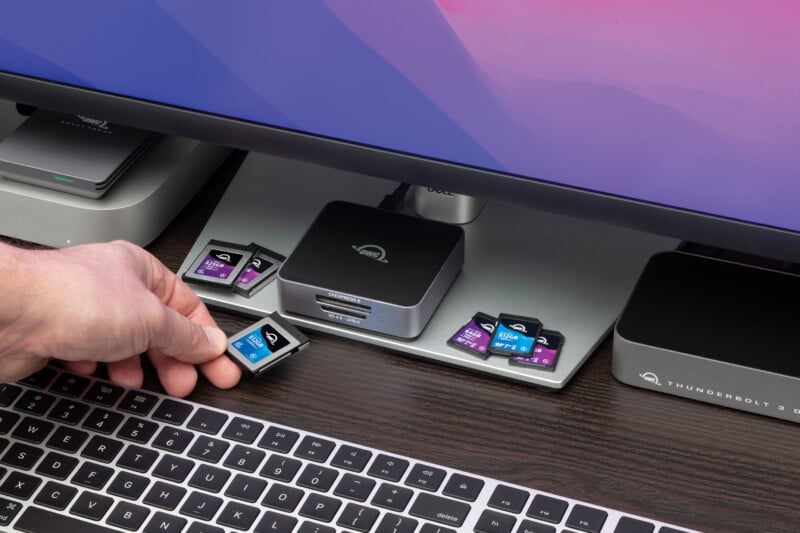
The OWC USB4 CFexpress 4.0 Card Reader and the Atlas USB-C SD readers are compact, rugged, and built for real professional environments. They are bus-powered, travel friendly, and engineered for stable thermal management. This means that photographers can trust their offload process whether they are in a studio, working out of a hotel room, or offloading footage between sets.
Software Tools That Protect Your Media
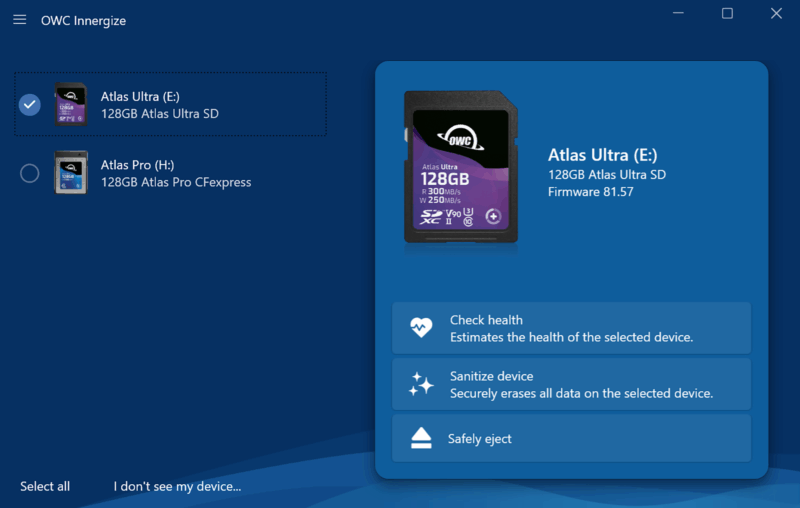
OWC supports both its cards and readers with the OWC Innergize software. This unique tool lets you monitor card life, perform card sanitization to restore peak performance, and check for firmware updates that improve reliability and camera compatibility. For working photographers who depend on every card in their kit, having insight into card condition is a valuable insurance policy.
Why This All Matters for Working Professionals
Professional photography is about consistency, trust, and the ability to deliver under pressure. When your camera card and reader are chosen intentionally and designed for your workflow, you unlock the full performance of your gear and minimize your risks.
The right card ensures:
- Full burst speeds
- Reliable high-bitrate video recording
- Faster workflow from capture to delivery
- Long-term durability
- Greater confidence on every shoot
OWC’s Atlas cards, readers, and Innergize software create a complete ecosystem that protects your files, accelerates your workflow, and supports the demands of modern professional production.
Final Thoughts
Memory cards and readers may be small pieces of gear, but they carry enormous responsibility. For professionals who want to extract every bit of performance from their camera, reduce friction in post-production, and safeguard the work that clients depend on, choosing the right media is essential. With OWC’s Atlas lineup and its accompanying readers, photographers gain a complete, reliable workflow that keeps pace with the speed and creativity of today’s imaging technology.
Full disclosureThis story was brought to you by OWC.
Affiliate Disclosure PetaPixel articles may include affiliate links; we may earn a commission if you buy through one.